History
Mariapfarr is a municipality in the state of Salzburg and belongs to the Tamsweg district. The village has existed for centuries. The name “Pharre” is mentioned in 1197 and the addition “Maria” in 1225.
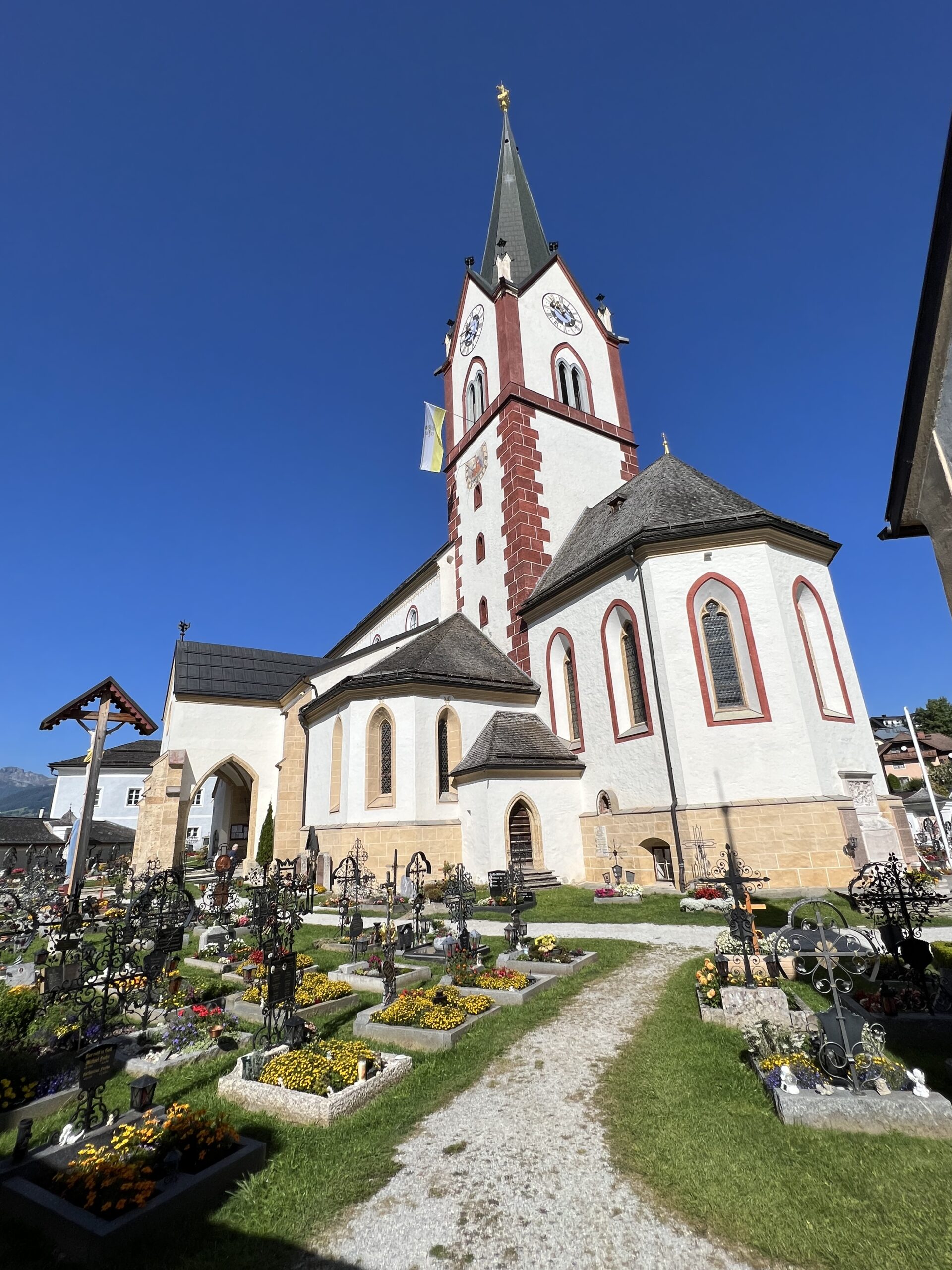
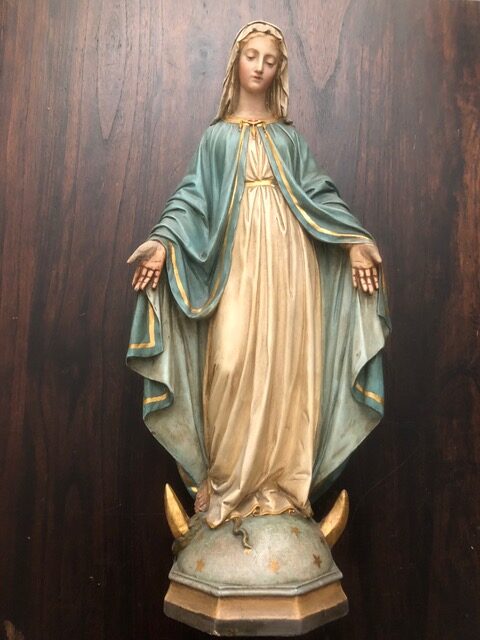
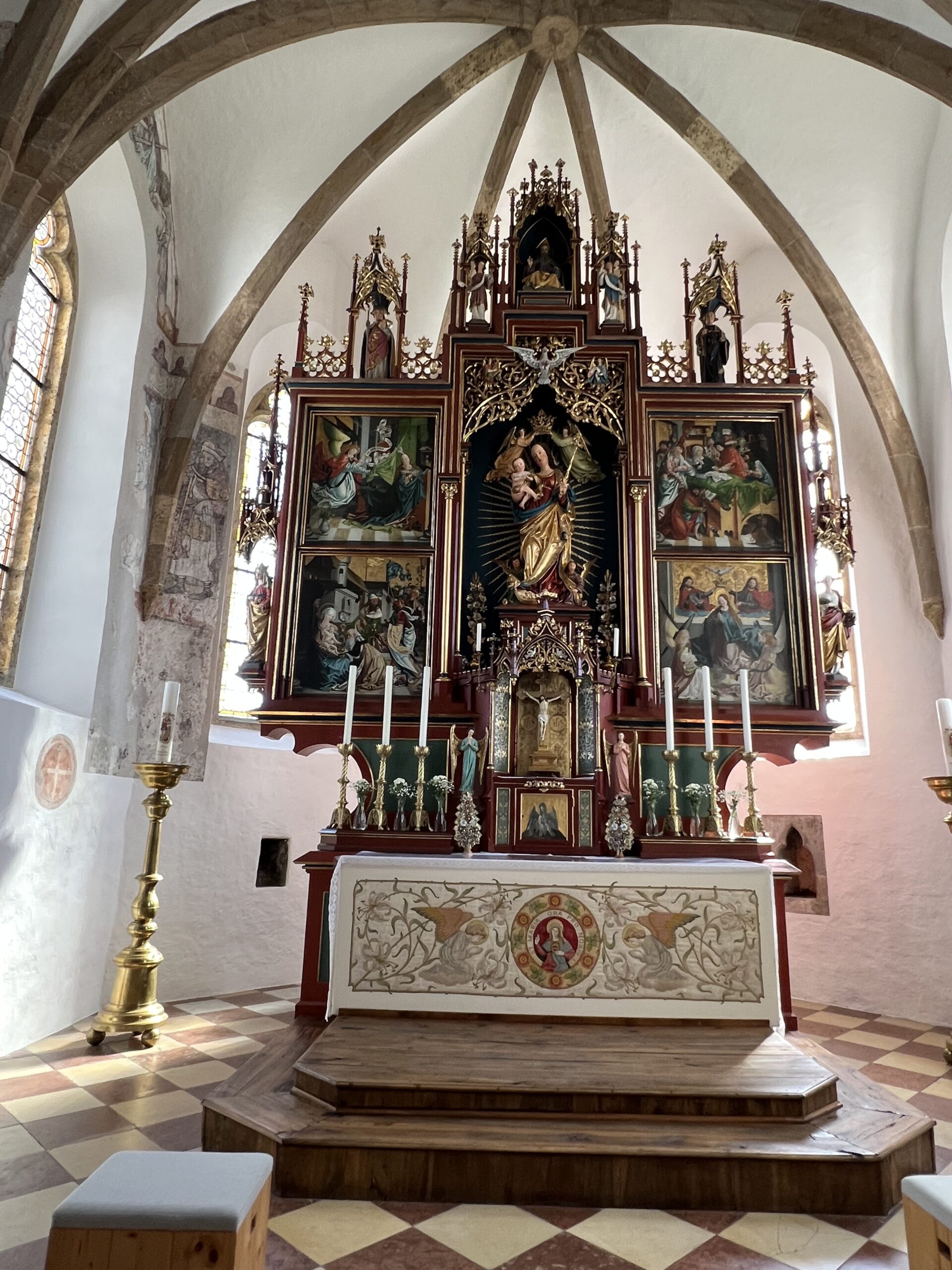
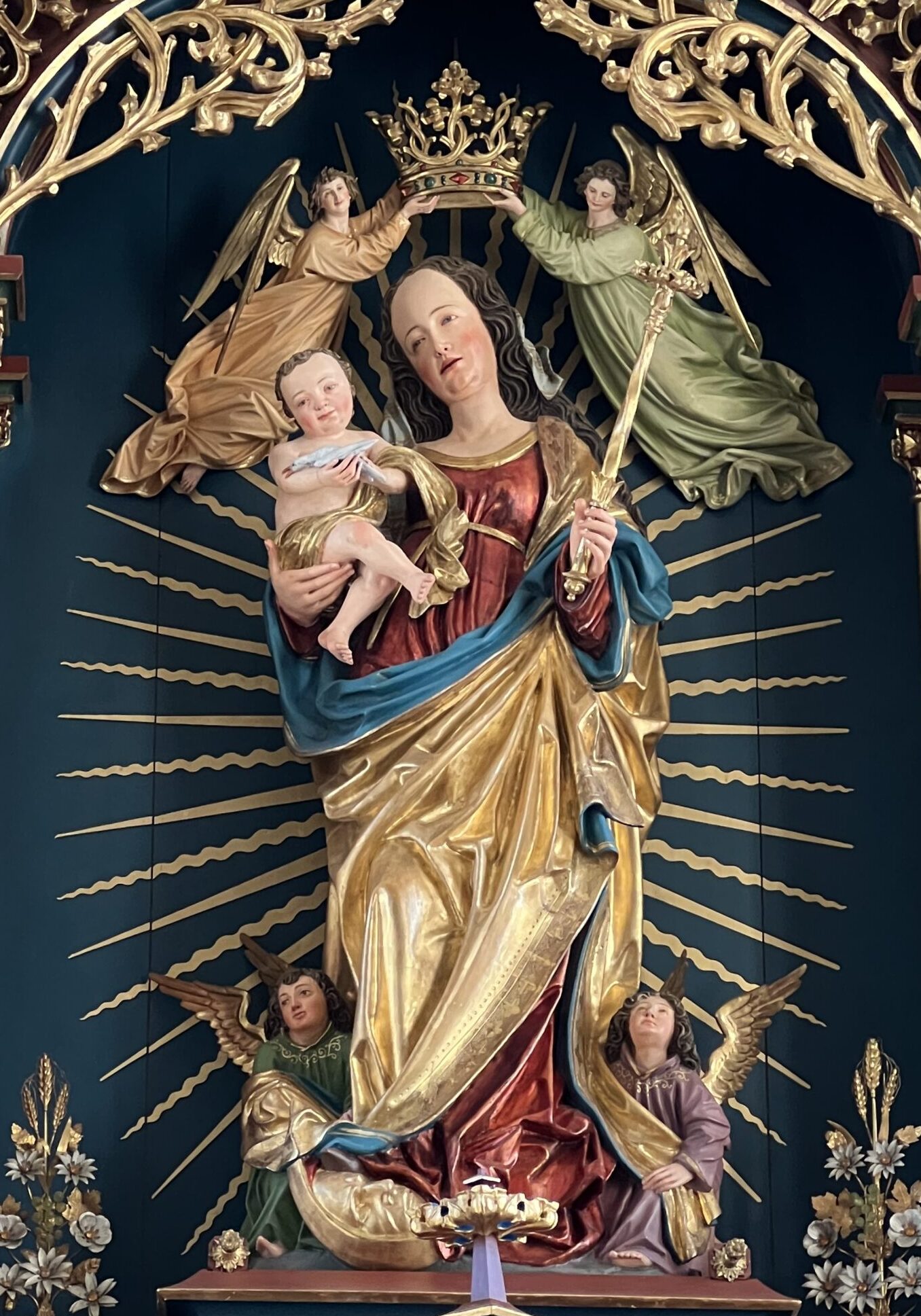
As early as the 13th century, pilgrimages were made to Mariapfarr, but there wasn't the current pilgrimage church then, only a chapel. The pilgrimage church was built in the 15th century, on the site of a pre-existing chapel. Originally, the building was in the Romanesque style, and later many Gothic elements were added. Central to the church is the statue of the Madonna, created around 1400 by an unknown artist.
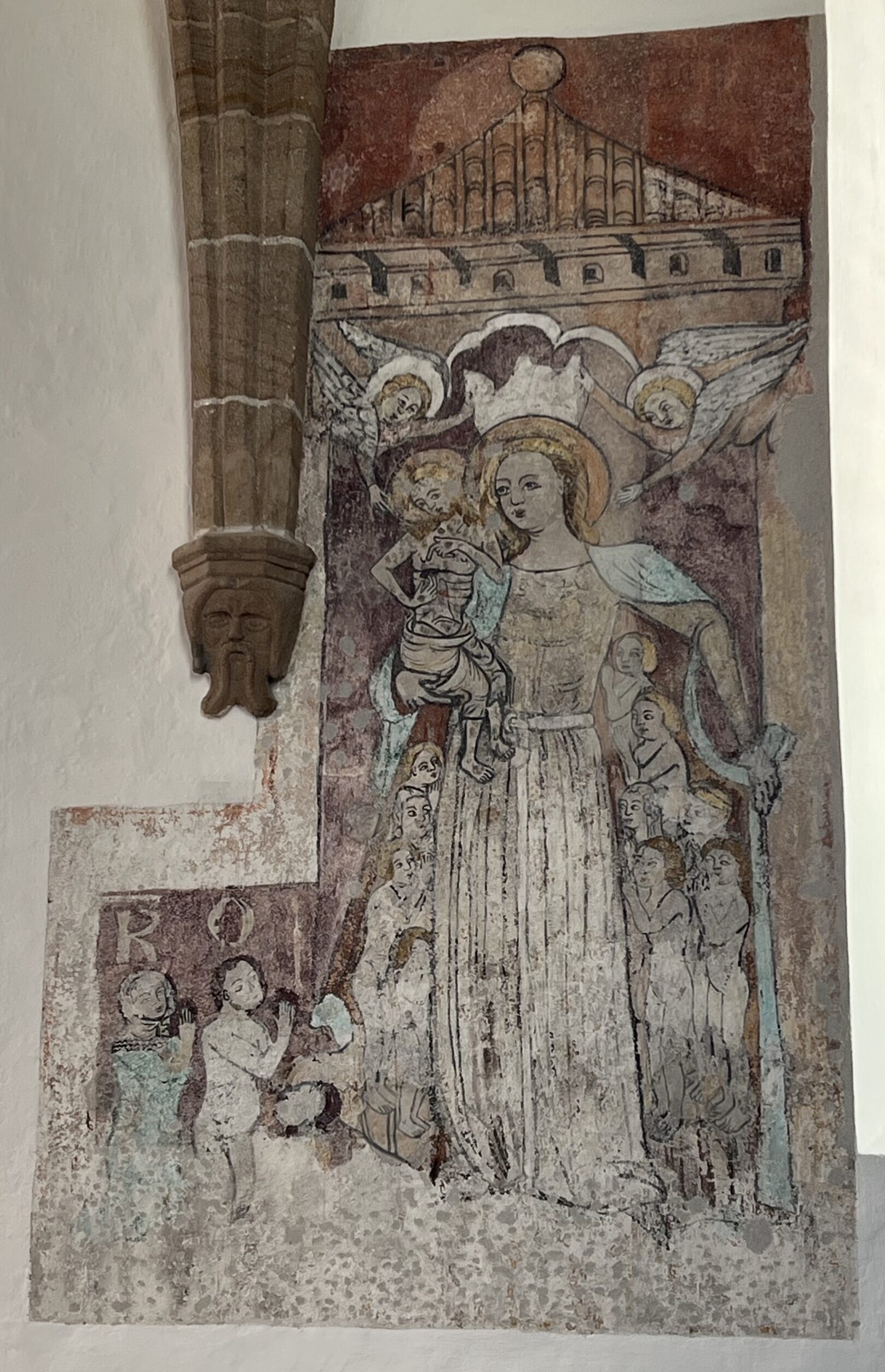
During restoration work in 1946, frescoes from the 13th and 14th centuries were discovered. Subsequently, these paintings were made visible to visitors.
Since 2002, the Silent Night Museum has been located in Mariapfarr. The museum was refurbished later. There is also the Pilgrimage Museum.
The pilgrimage church has been a basilica since 15 August 2018. It is Franz Lackner (born 1956), Archbishop of Salzburg since 2013, who consecrated the basilica.
The church's interior was renovated in 2016.
Pilgrimage site
Mariapfarr is a village with over 2,000 inhabitants. It is not only a pilgrimage site but also a spa town. The place is also called “the sunniest spot in all of Austria”. With around 200 kilometres, Mariapfarr offers Austria's largest “Nordic walking trail” network. Besides many hiking routes, there are also cycling and skiing opportunities. Mariapfarr is truly a holiday paradise.
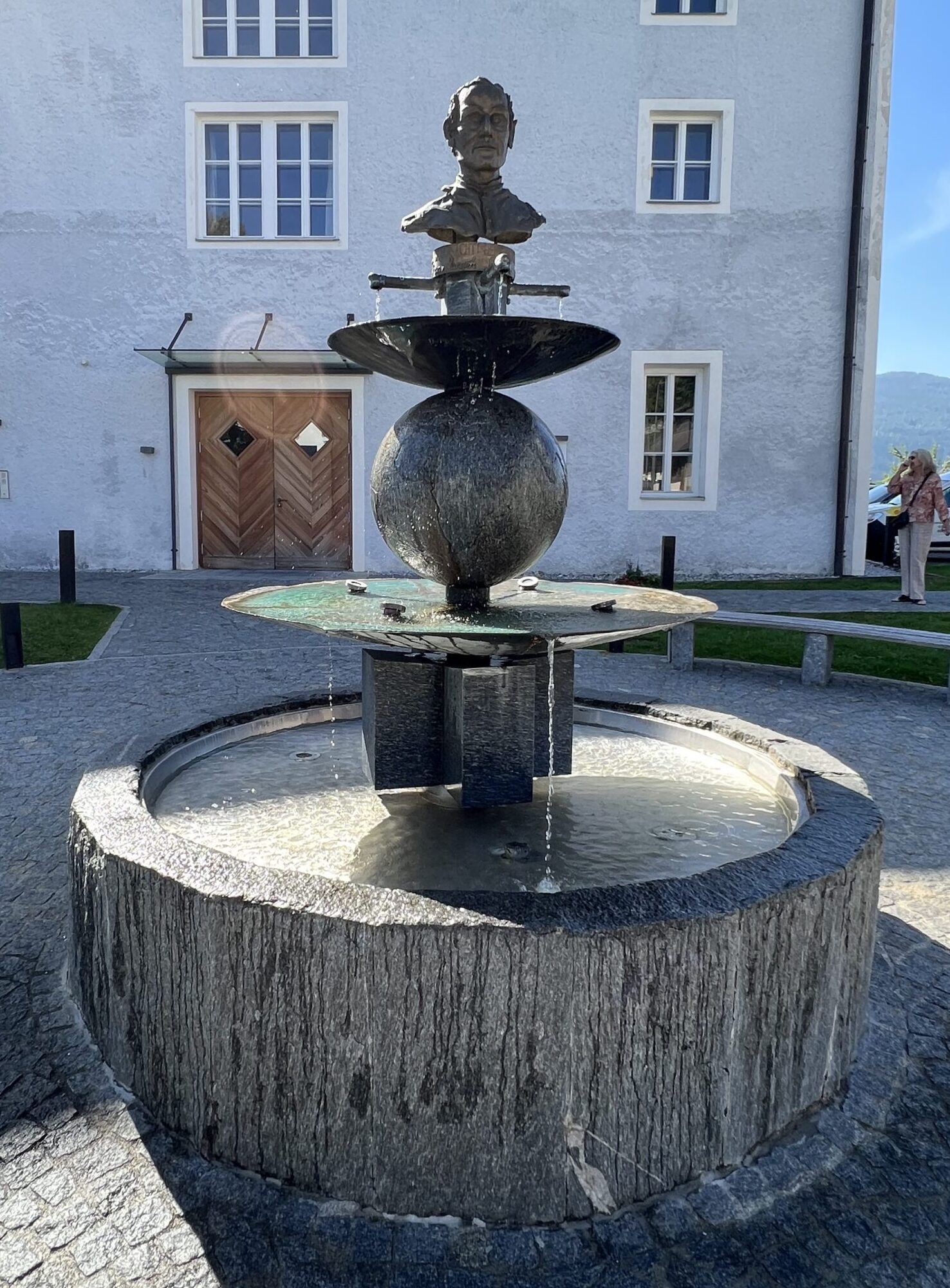
Mariapfarr is home to the Silent Night Museum. The lyrics for the song Silent Night were written in 1816 by Joseph Mohr (1792-1848), who was then a priest in Mariapfarr. The Austrian composer Franz Gruber (1787-1863) composed the music for the song. Behind the church, a monument has been erected in memory of Joseph Mohr.
The pilgrimage site is located at 1,100 metres above sea level. The location offers a grand view of the surrounding area.
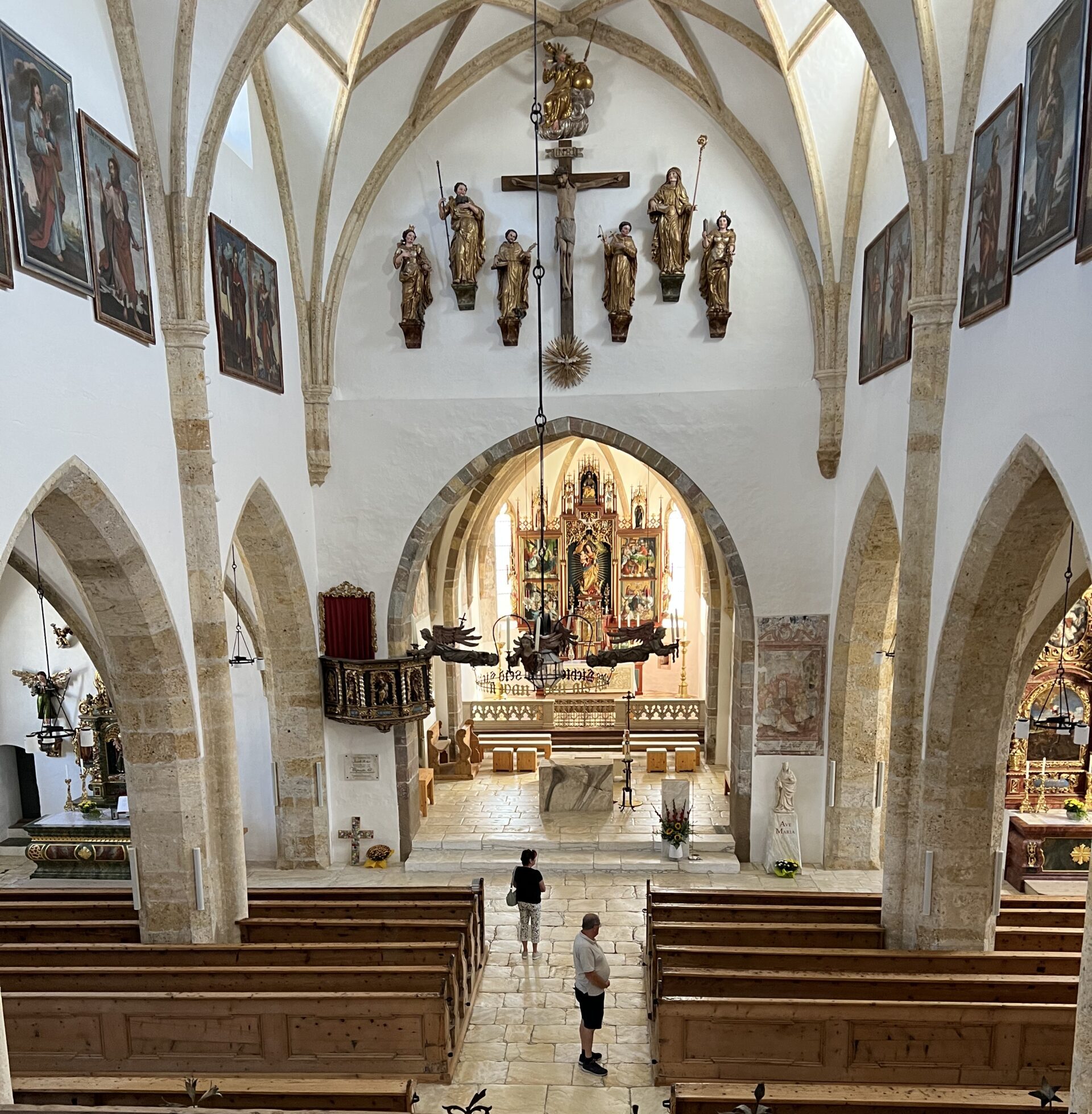
In the pilgrimage church, the miraculous image stands in the high altar. The depiction of Mary is from the early 15th century. The church also displays other art treasures and frescoes from the 13th and 14th centuries.
ACCESSIBILITY
Mariapfarr lies between the towns of Mauterndorf and Tamsweg.
The pilgrimage church is located at Pfarrstrasse 5, 5571 Mariapfarr.
Current information about the pilgrimage site can be found at www.pfarre-mariapfarr.at.
More information about the museum can be found at www.wallfahrtsmuseum.at.
Experience
As I approach Mariapfarr, I see the church tower standing there, looking inviting. The road climbs a little further. What a venerable height this place is situated at!
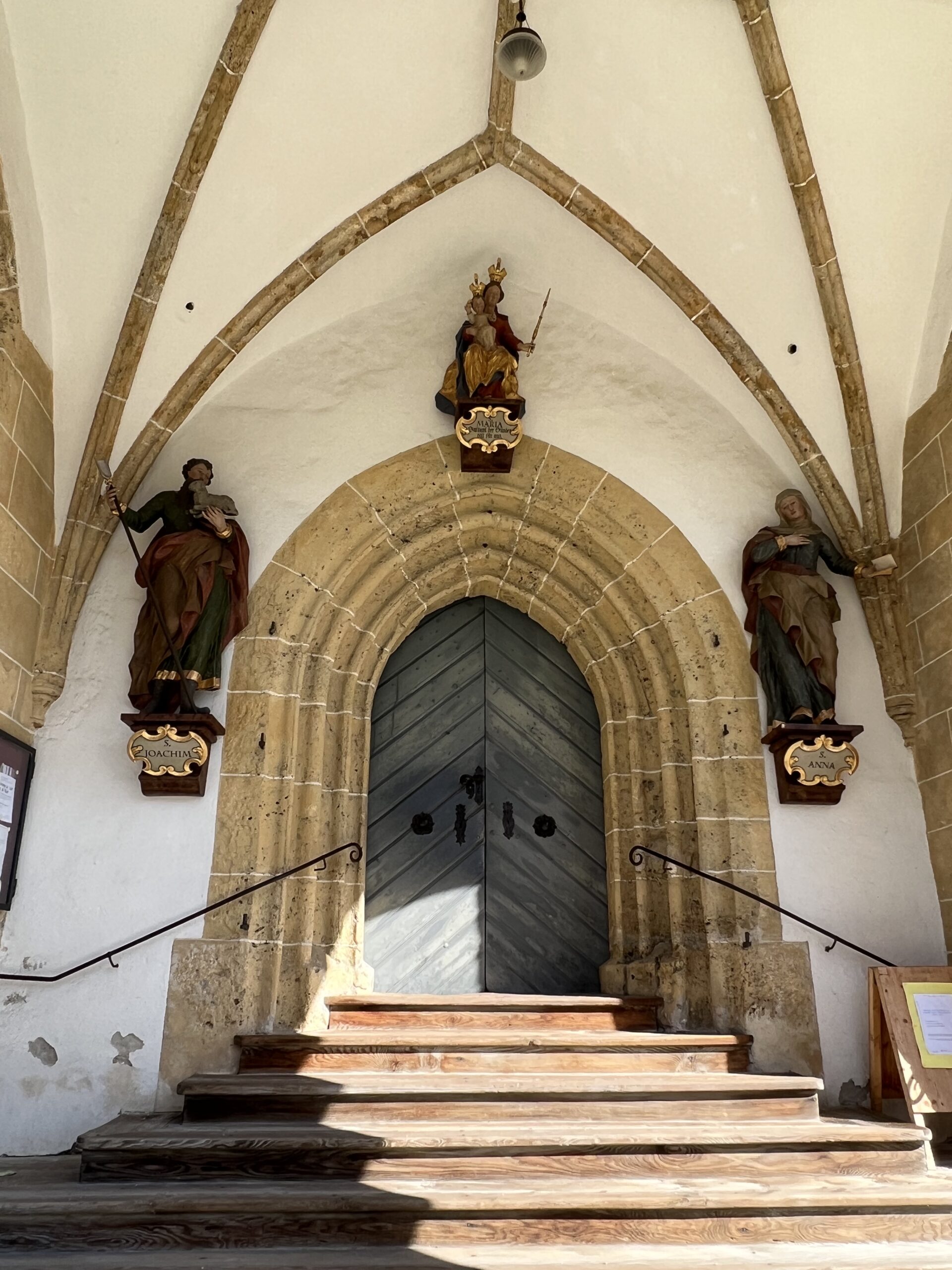
When I arrive at the pilgrimage site, there is a wide view of the distant surroundings. I go to the pilgrimage church, and in the porch, Mary is already welcoming me.
As soon as I enter the church, the statue of grace catches my eye. It is the centrepiece of this sanctuary. Mary is crowned by two angels. Our Lady holds her Child on her right arm and in her left hand she holds a sceptre. Two angels are depicted at the feet of the Mother of God. This is the moment to pray to Mary; the Woman who has protected me so many times.
During the tour of the church, I notice some very beautiful frescoes. These paintings were applied centuries ago and only discovered later.
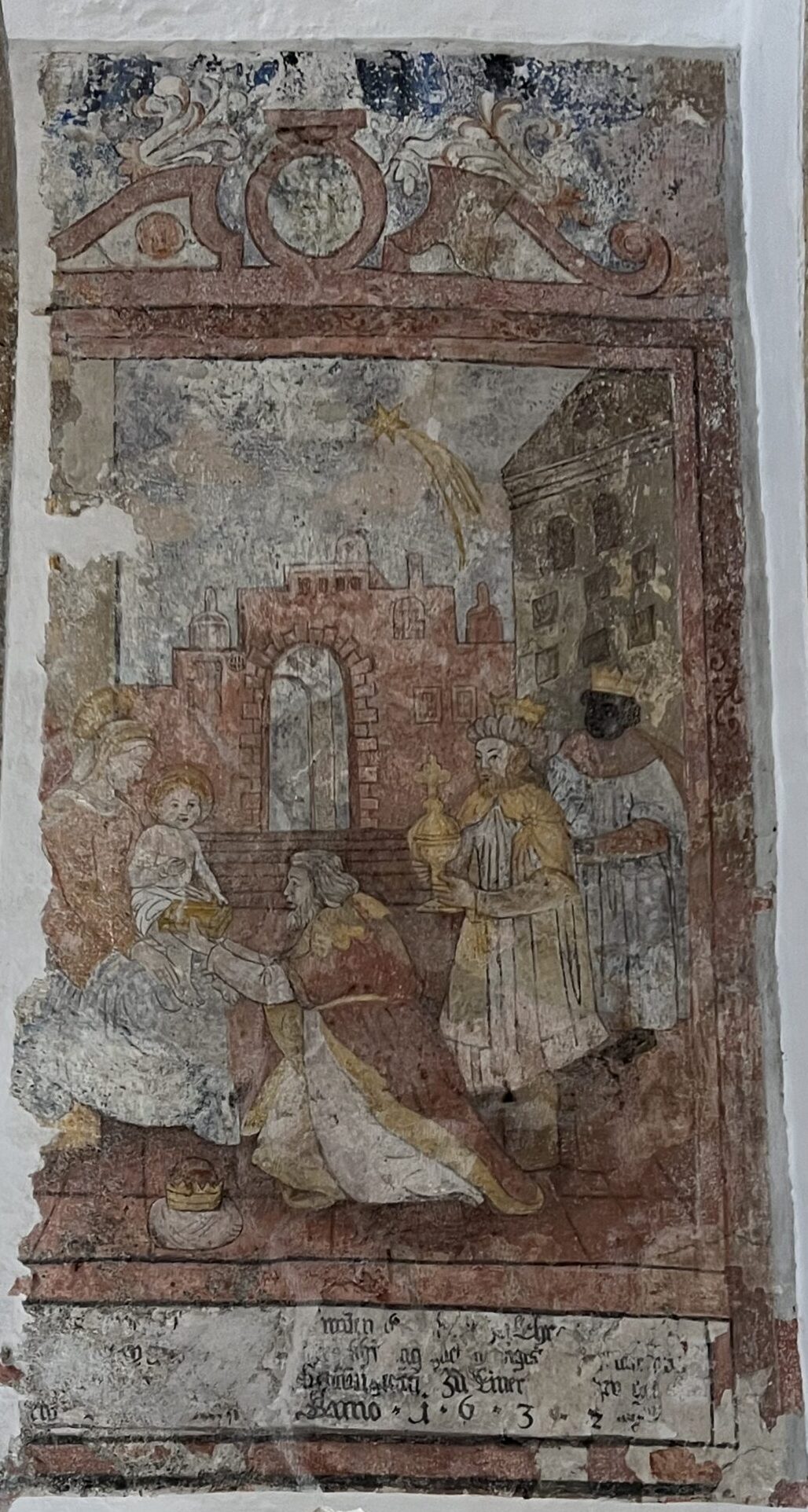
After visiting the church, I arrive at the cemetery. I notice that the graves are so well looked after. The deceased must certainly receive a great many visitors here. I also take a look at the statues and memorial stones attached to the church walls. There is so much history depicted here.
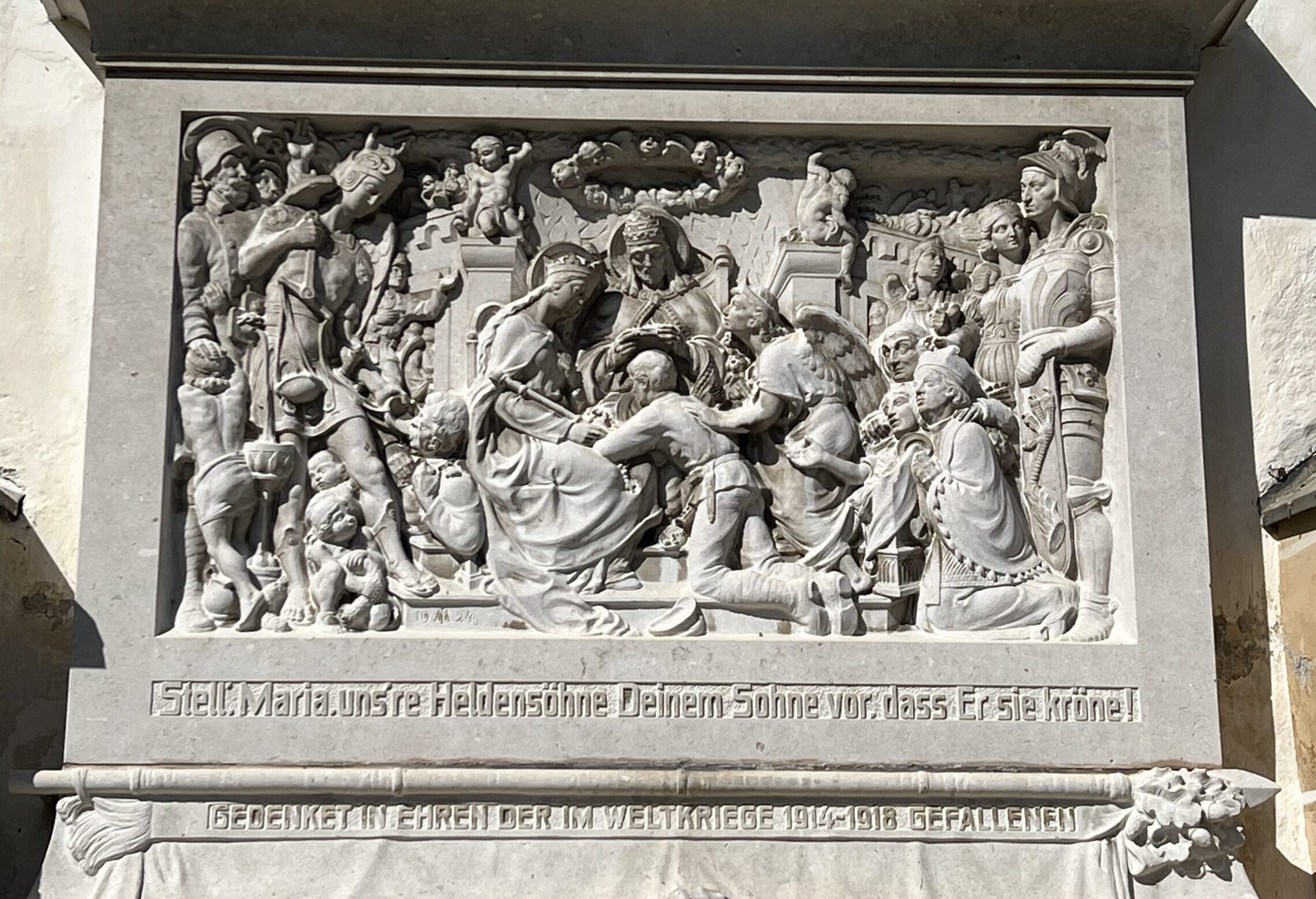
I find the Stations of the Cross particularly beautiful. The stations are well-maintained and very colourful.
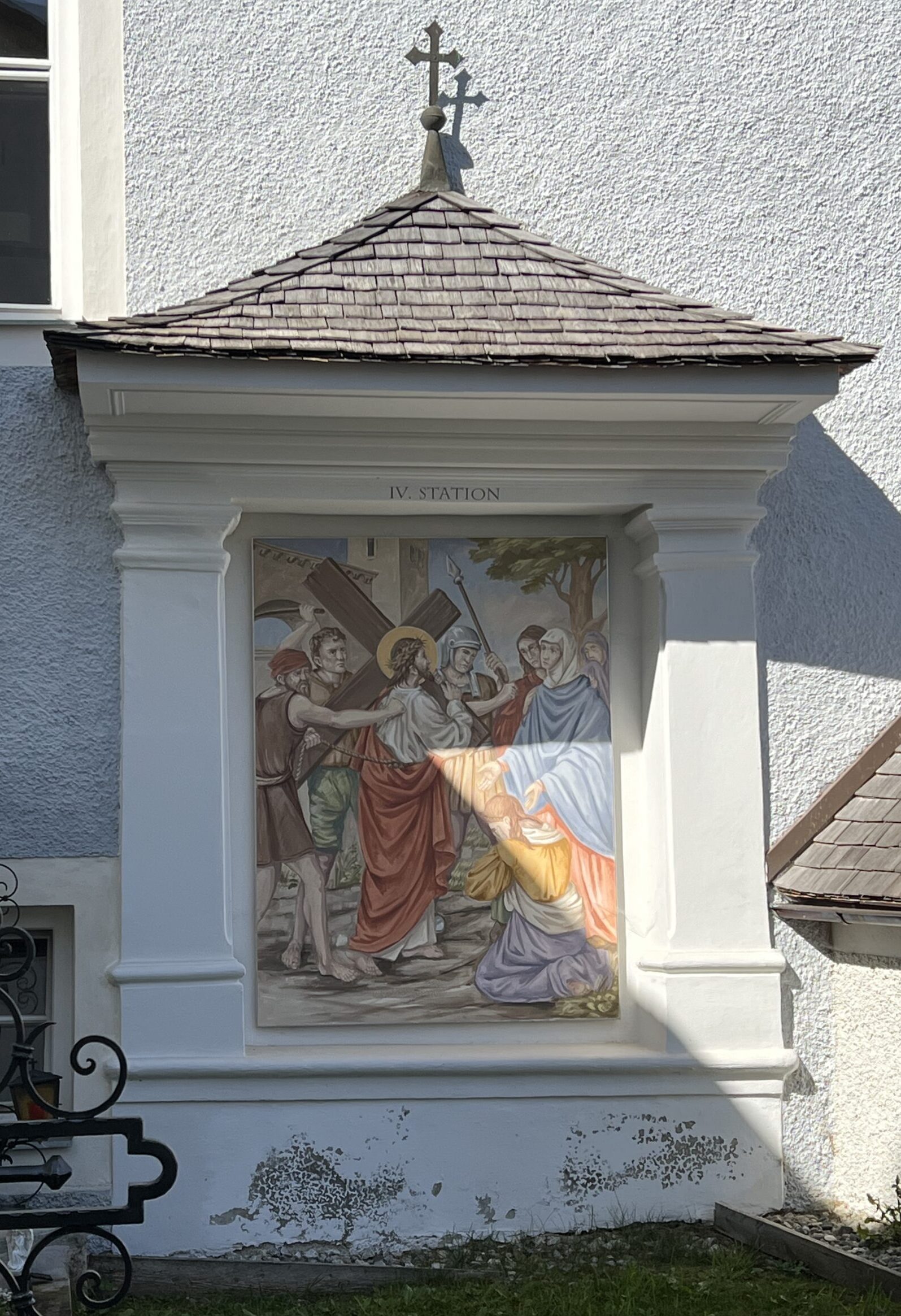
Mariapfarr is an excellent place to encounter Mary and see a lot. What an experience Mariapfarr offers!
Environment
The village of Tamsweg is located 6 kilometres from Mariapfarr. The large city of Salzburg is 114 kilometres further north of Mariapfarr. To reach the village of Bischofshofen requires travelling 73 kilometres north-west. Sankt Michael im Lungau lies 17 kilometres west of Mariapfarr.
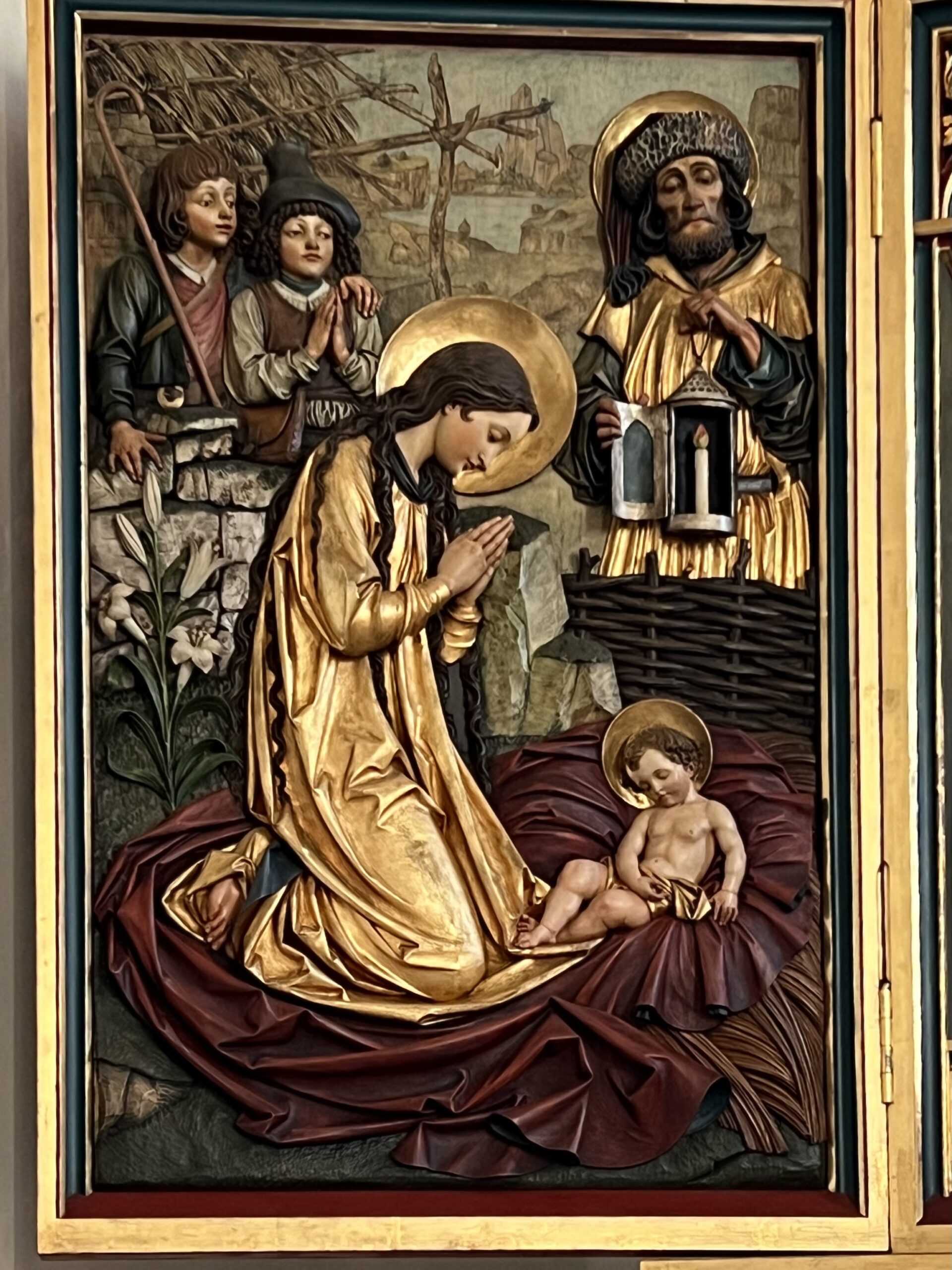
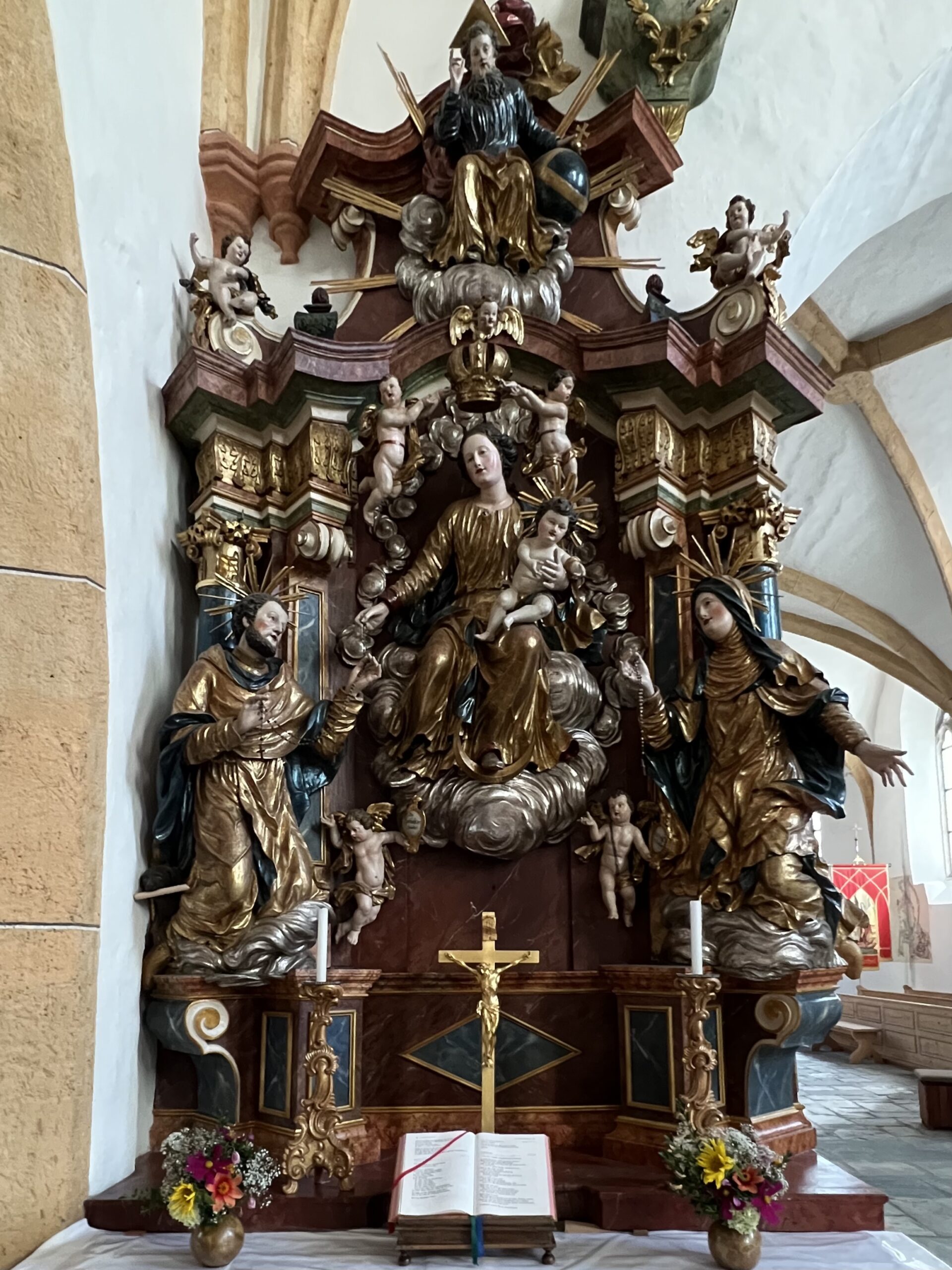
In Sankt Michael im Lungau stands the 12th-century St. Michael's Church, which showcases much beauty in its sculptures, paintings, and frescoes. This church has been enlarged and restored multiple times. Particularly noteworthy is the Chapel of the Fourteen Holy Helpers. The church also features a Rosary Altar with Mary, Dominic, and Catherine of Siena, a work by artists Josef Andrä Eisl (1684-1754) and Paul Mödlhammer (1680-1743). Midway through the church nave is the colourful Altar of the Coronation of Mary by Paul Mödlhammer. The high altar, featuring, among other things, the Birth of Mary on the left, dates from 1908 and is a creation of sculptor Josef Bachlechner (1871-1923). Further depictions of Our Lady can be seen within the church.
~~~

 Nederlands
  English (UK)
  Deutsch
  Français