History
At Bosscheweg 20 in Aarle-Rixtel stands an ancient, exceptionally beautiful chapel. This gem in the east of the province of North Brabant is dedicated to Our Lady in ’t Zand. The chapel has a long history.
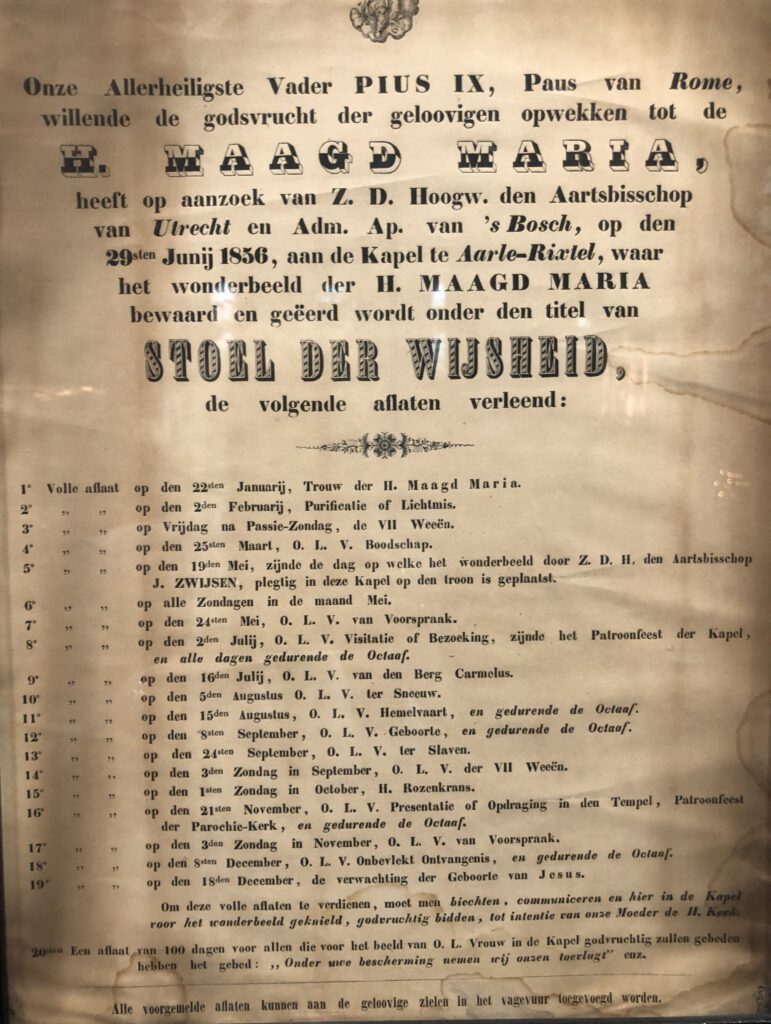
Since the mid-15th century, Aarle-Rixtel has held the status of a pilgrimage site. It is known that pilgrims already visited Our Lady in ’t Zand in 1480. A terracotta statue of Mary was then venerated. The chapel has existed since the end of the 15th century and was expanded in 1597 due to the increasing number of pilgrims. In Aarle, a Marian procession originated in the 16th century.
In the second half of the 17th century, Protestants took possession of the chapel. Years later, the chapel also served as the town hall of Aarle for a time. In 1853, the chapel regained its original function. The chapel was reinaugurated in 1856. The consecration was performed by Joannes Zwijsen (1794-1877), Archbishop of Utrecht (1853-1868) and Bishop of ‘s-Hertogenbosch (1853-1877).
In 1917, the statue was restored by priest Cornelis Frans-Xavier Smits (1876-1937).
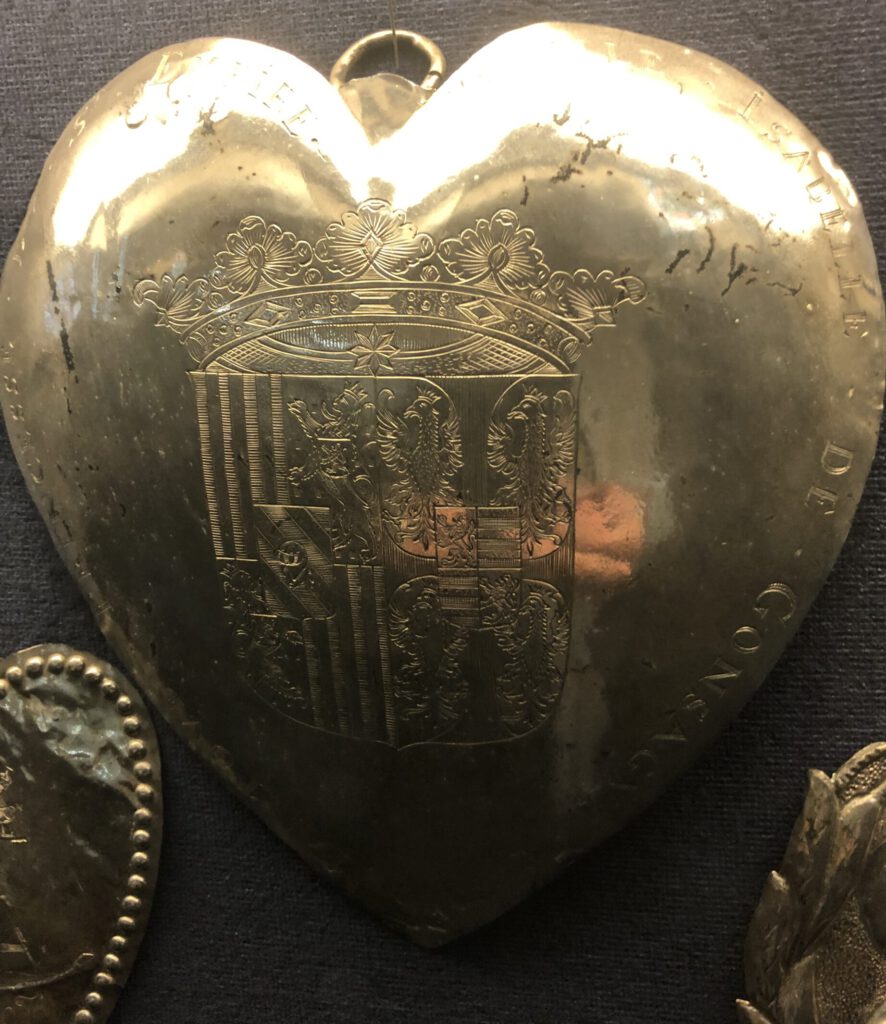
In the particularly beautiful Chapel of Our Lady, to the right of the triumphal arch, hangs a glass display case. Inside, there are about 50 silver plaques. These are ex-votos, objects that are often found in chapels and churches as a result of a vow made. The objects refer to a healed body part or a favour granted. There are also expressions of gratitude in the shape of a heart. These representations of gratitude were donated to Mary. The ex-votos are small in size. One specimen is larger than the other ex-votos. It is shaped like a heart and measures 18 by 16 centimetres. Engraved on the border is a French text: “CECILLE ISABELLE DE GONSAGUE ET DE MANTOVE, PRINCESSE DU ST. EMPIRE” (Cecille Isabelle of Gonzaga and Mantua, Princess of the Holy Roman Empire). In the centre of the heart is a crowned family crest. The heart-shaped shield is a showpiece in the chapel. Cecille Isabelle is a distant relative of Saint Aloysius Gonzaga; he is an example of youthful innocence and purity. Their noble ancestors originate from Gonzaga/Mantua in Italian Lombardy. This noblewoman lived for 15 years in Helmond Castle. She was the Baroness of Helmond, Lady of Helmond, during the period 1673-1688. In 1676, she presented this silver shield to Andreas Swinckels, the parish priest of Aarle. It is a gift to Our Lady with the hope of bearing a healthy child. Unfortunately for her, this did not happen immediately, as she had four children, and only the 3rd child did not die at a very young age. Shortly after the birth of the fourth child, her husband dies. Because her little daughter is still young, Cecille Isabelle has to govern the city of Helmond. Cecille Isabelle remarried in 1683, but after a marriage of 5 years, she dies. Her 10-year-old daughter marries the 32-year-old brother of her stepfather.
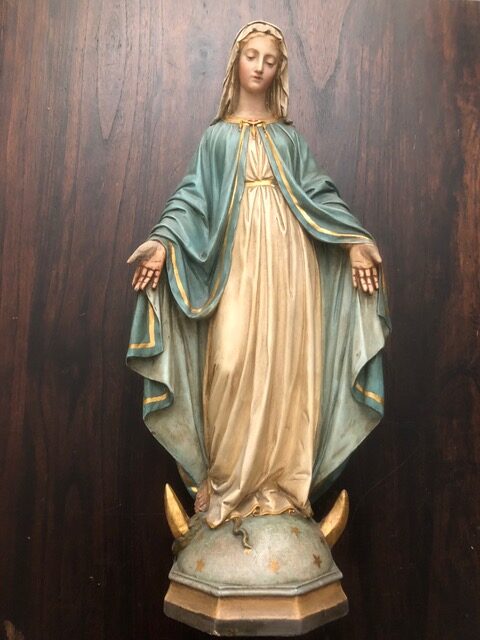
In 1956, the statue of Mary was crowned. This was done by Wilhelmus Petrus Adrianus Maria Mutsaerts (1889-1964), Bishop of ‘s-Hertogenbosch (1943-1960). This took place to celebrate the centenary of the chapel's rededication in 1856. The crown is made of gold and set with precious stones. In 1957, the Child was crowned with Mary. Later, the statue was vandalised by thieves attempting to steal the jewellery. The current statue is a replica.
The chapel's last restoration was carried out in 2014.
Pilgrimage site
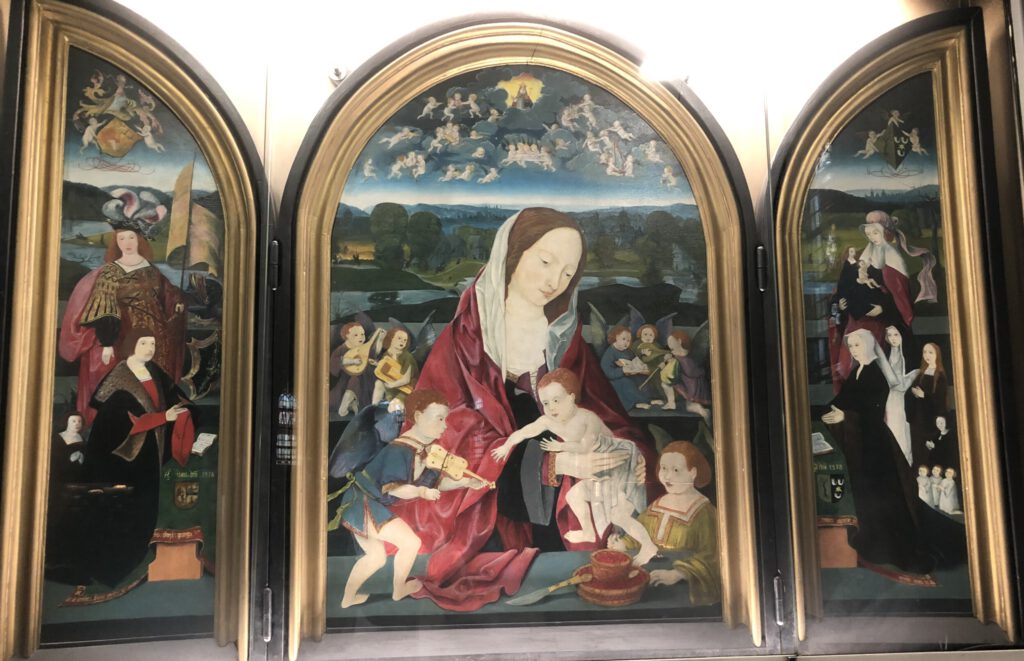
Upon entering the chapel, immediately to the right against the wall, behind glass, hangs an eye-catching painting. It is a triptych and the central panel depicts “Madonna with Child and Musician Angels”. The work was created by Jacob Cornelisz van Oostsaanen (1470-1533), the first Dutch Master. The artwork was made in 1518 and measures 114 by 167 centimetres. However, this is a copy, as the original is in the Museum for Religious Art in Uden. The depiction on the central panel is a popular subject for the painter, as he created several versions of this theme. The left and right panels were painted by a different artist, as the style deviates from the central part of the triptych. The left panel shows Joris Sampson, a regent of the almshouse in Den Bosch, and his son, with Saint George as their patron saint. The right panel shows Joris's wife with six daughters and Saint Anne as their patron saint.
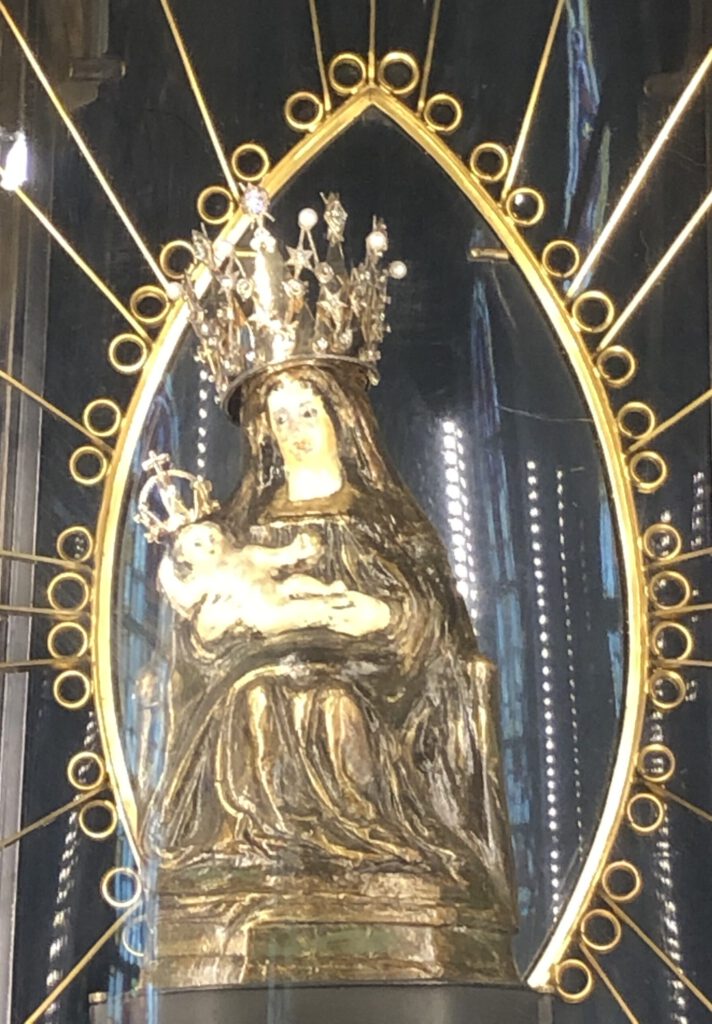
A crowned statue of Mary and Child stands behind a glass wall. This is a replica, as the original statue was destroyed to steal its jewellery.
On the intercession of Our Lady, the deaf, crippled, and lame were healed. This is depicted in the chapel's triumphal arch.
The chapel displays many ex-votos, including a remarkable heart.
ACCESSIBILITY
Aarle-Rixtel is located in the east of the province of North Brabant, not far from Eindhoven. The address of the Mariakapel is Bosscheweg 20, 5735 GV Aarle-Rixtel.
Current information can be found at www.eustachiusparochie.nl
Experience
I was told that the Maria Chapel in Aarle-Rixtel is one of the most beautiful in the country. Today I am visiting the chapel and am immediately impressed by its beauty.
The most striking feature in the Mary Chapel is the statue of Our Lady, Seat of Wisdom. The statue of the seated Mary with child was made in Arendonk in Flanders. In 1917, the statuette was restored. In 1951, a silver shrine was created to protect the statuette. The statue was crowned in 1956 with a golden crown with pearls and precious stones. It is a great pity that burglars destroyed the statuette. The current effigy is a replica.
Aarle-Rixtel has its own Marian song. The melody of this Aarle song is derived from the “s-Hertogenbosch Marian song. The melody and the similarity in words and phrases support this. In Aarle it is about the ”Seat of Wisdom“ and in Den Bosch it is the ”Sweet Dear Lady". The song likely originated in the latter half of the 1940s. The song has four verses, and the first is:
“Gracious Lady, favourably hear our entreaties;
Oh, Mary, do not scorn the offer here,
of the hundreds of children.
O Mother, so worthy, Thou, “Seat of Wisdom”
around Your throne are gathered.”
Environment
From Van Aarle-Rixtel it is a 12 km journey northeast to the pilgrimage site of Handel. To visit the pilgrimage site of Woensel (Eindhoven), it is an 18 km journey southwest.
A visit to the Sint Agatha monastery, located near Cuijk, is highly recommended. From Aarle-Rixtel, it's 39 km to the northeast.
St Agatha – Convent
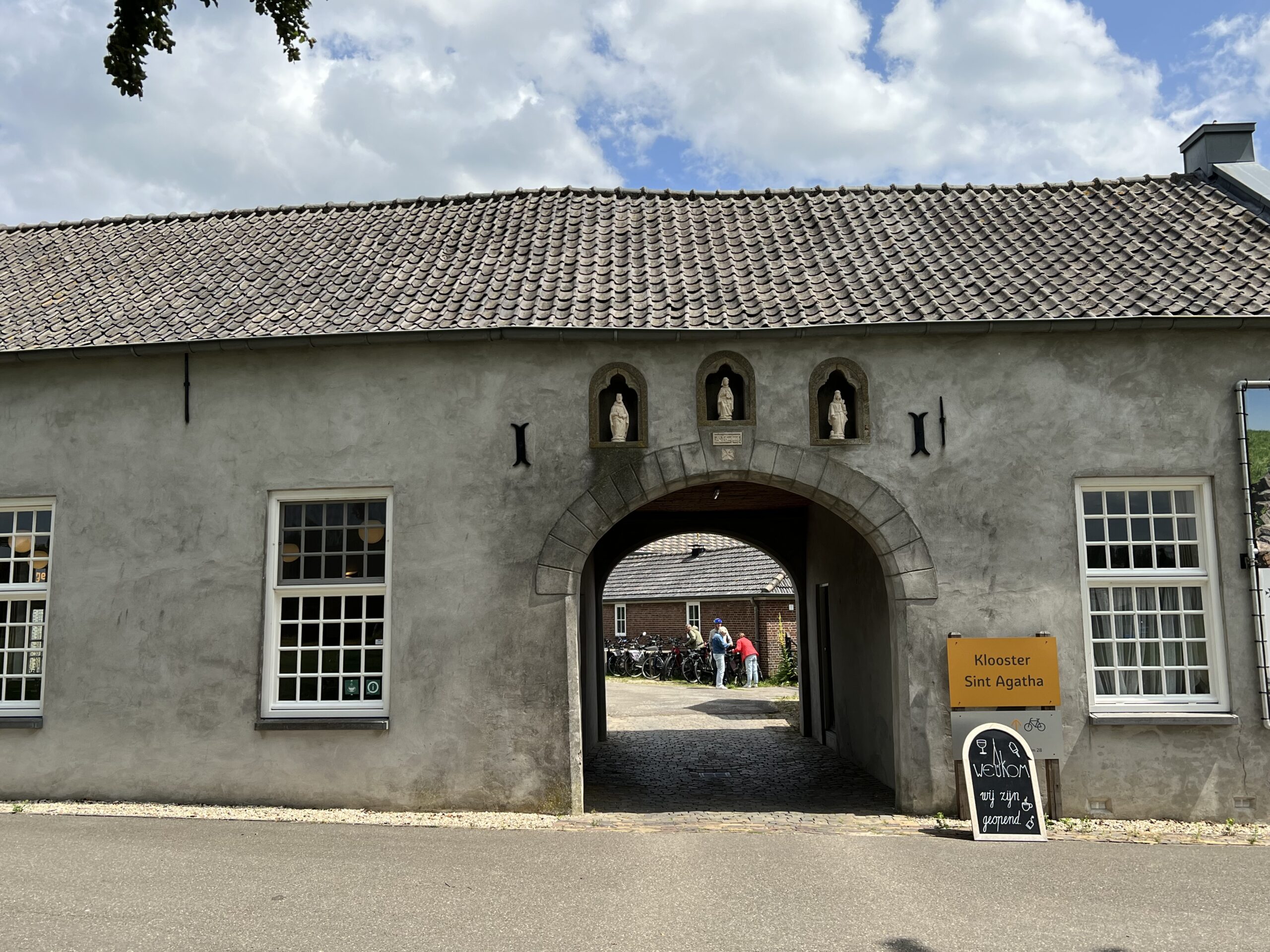
The Monastery of Saint Agatha is located in the countryside in the east of the province of North Brabant, near the town of Cuijk, the river Maas, and not far from the Dutch-German border. Agatha of Sicily (225-251), who was later canonised, is the patron saint of those threatened by natural disasters. This martyr is also the patron saint of the monastery on the Maas. The monastery was founded in 1371. Since that year, the Crosiers have lived and worked there. The Crosiers follow the way of life of the philosopher and theologian Augustine of Hippo (354-430), which means they primarily focus on “cultus” (worship), “communio” (community spirit), and “caritas” (charity). The cross of Christ plays a significant role in the spirituality of the Crosiers.
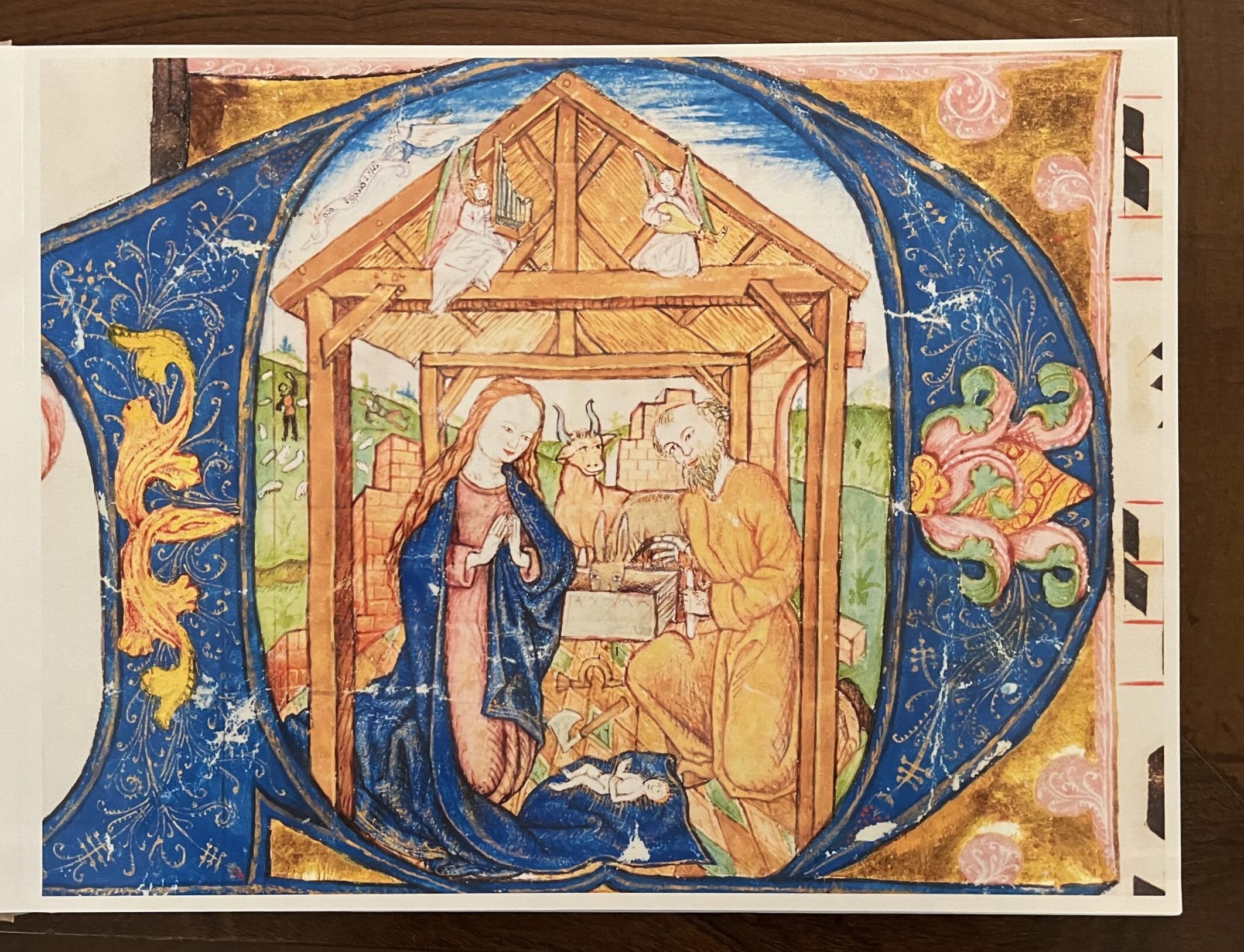
The monastery's book collection is particularly noteworthy. It contains medieval manuscripts and thousands of titles from before 1800, including the precious Gradual, written by Brother Johannes of Deventer (c. 1465-1537). This choir book with Gregorian chants was created around 1500 in Sint Agatha, weighs 22 kilograms, and has 600 parchment pages.
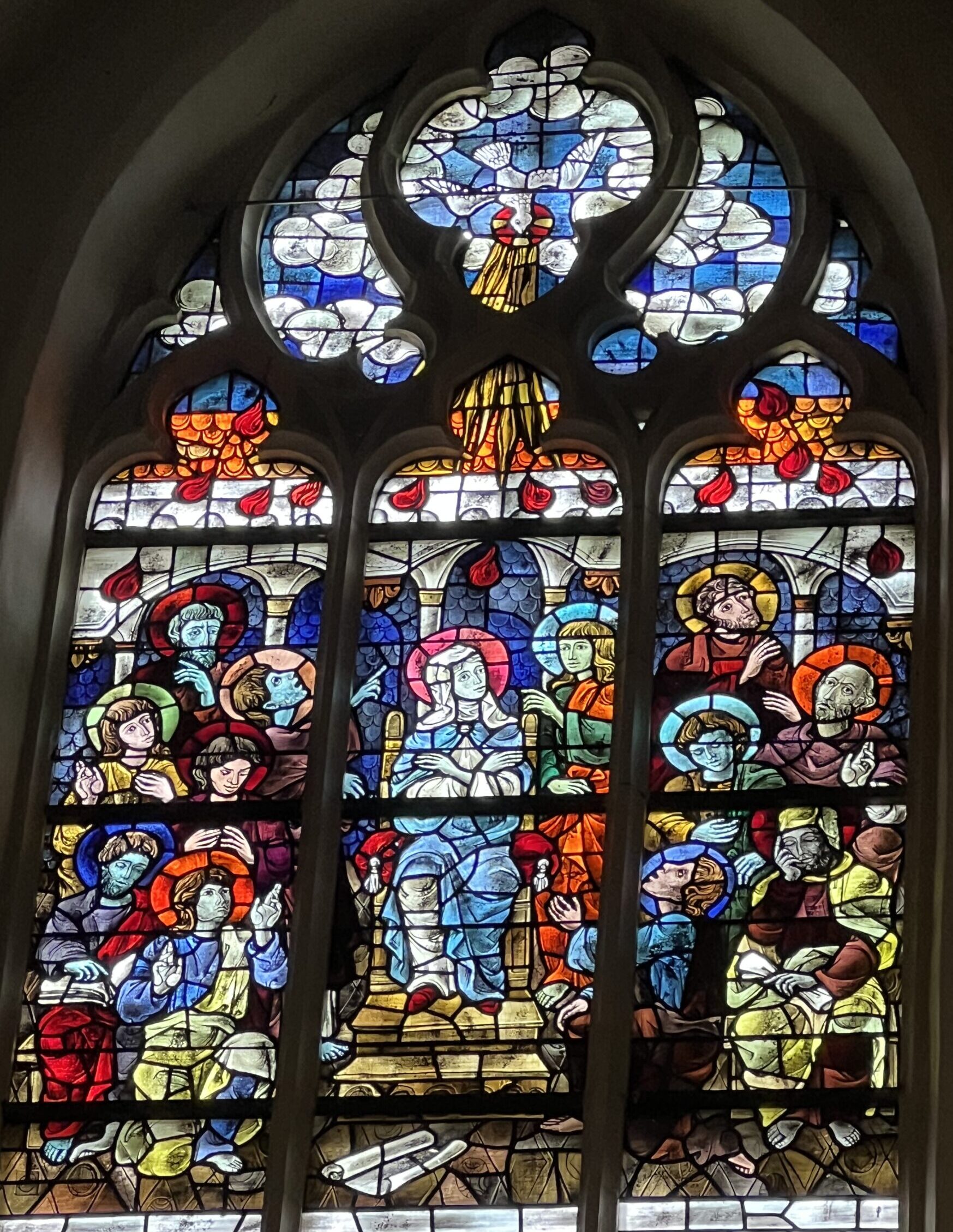
Around 1860, the monastery church was completely renovated under the direction of architect Pierre Cuypers (1827-1921). In 2004, the monastery complex was transferred to the Sint Aegten Foundation.
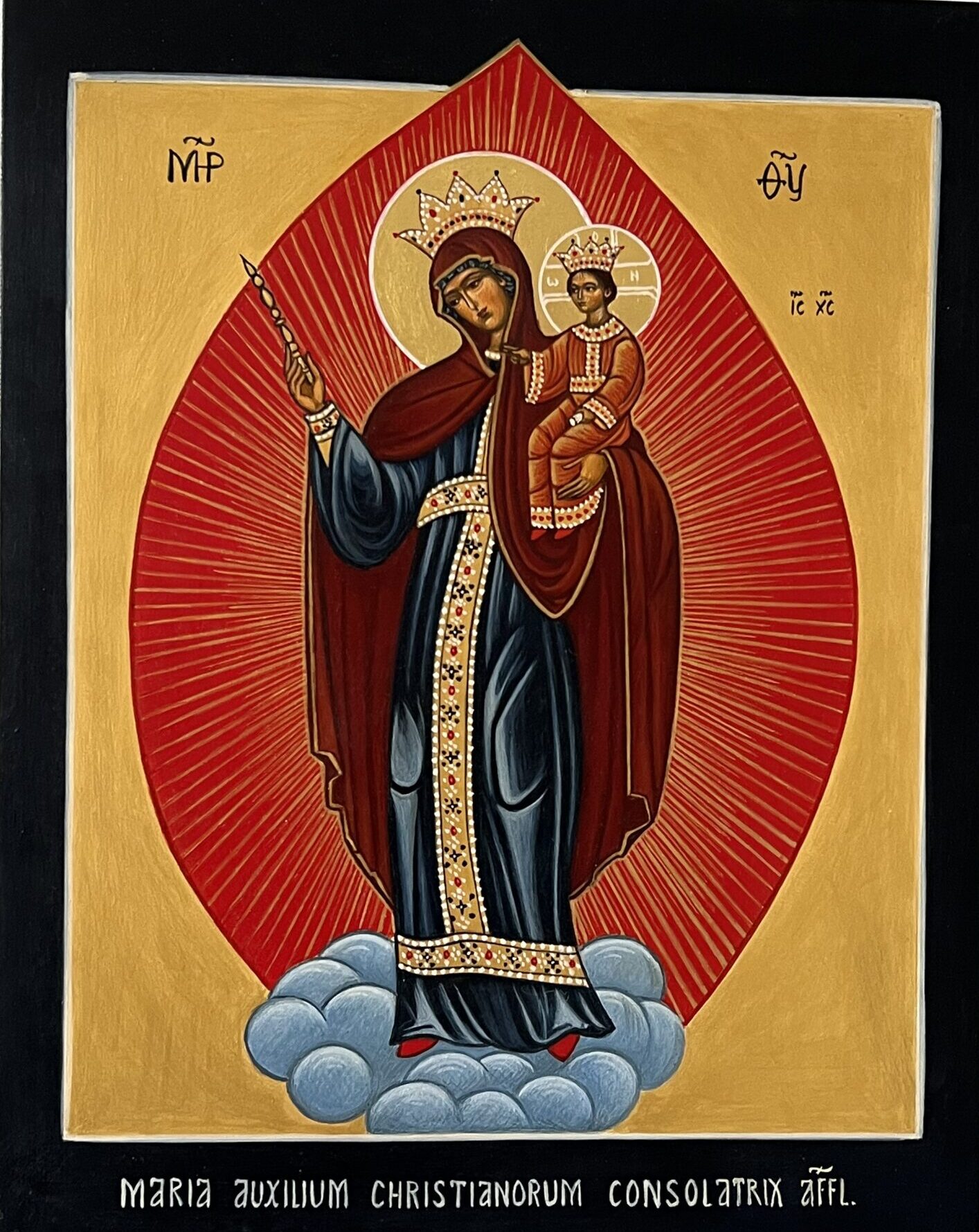
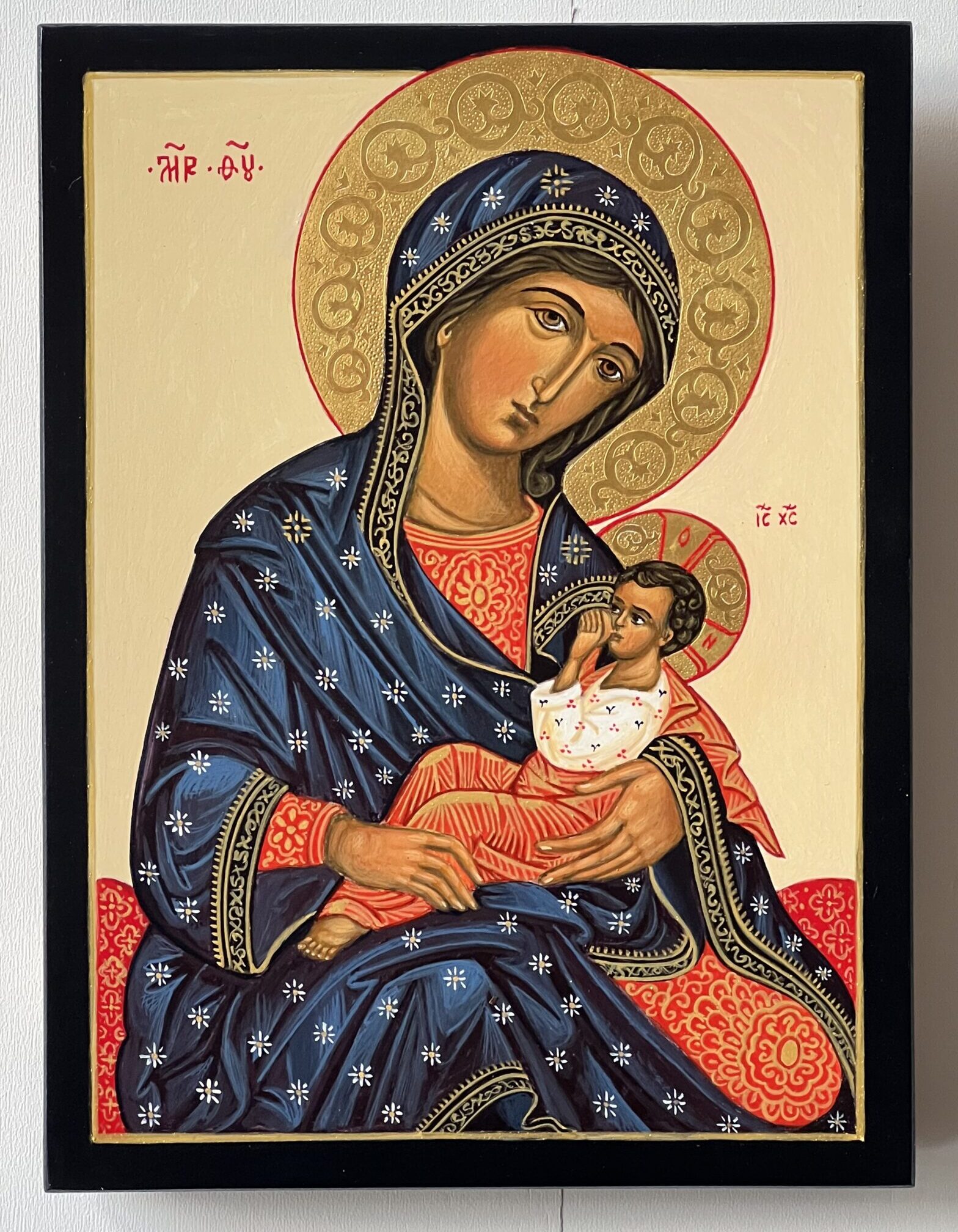
The monastery features images of Mary in the church and corridors. A separate room also displays many icons of her. The monastery garden is large and suitable for walking. In the gatehouse, there is a Tourist Information Point where you can purchase, among other things, homemade monastery biscuits.
More information can be found at www.kloostersintagatha.nl and www.erfgoedkloosterleven.nl.
Address: St Agatha Monastery, Kloosterlaan 24, 5435 XD Sint Agatha.
Posted: 24 February 2024
~~~

 Nederlands
  English (UK)
  Deutsch
  Français