History
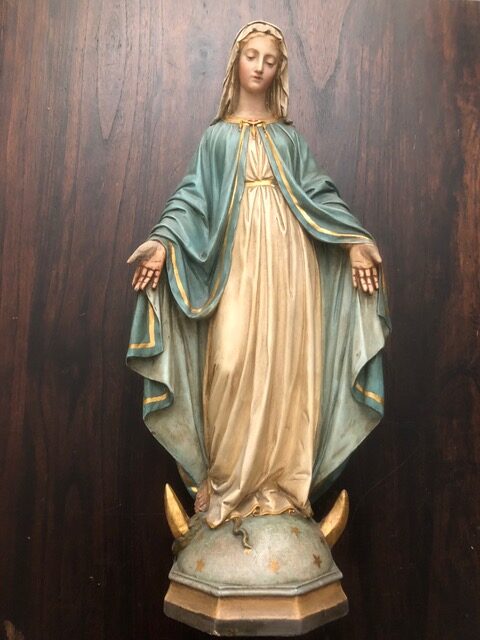
The name “Trens” is of Roman origin and is derived from “Torrentes,” meaning mountain river. This is mentioned in a charter from 827. In the 6th century, Christianity was brought to the people of the region. Old documents refer to “Unsere Liebe Frau in Trens an der Lahn” (Our Dear Lady in Trens on the Lahn) and mention offerings made to Mary.
A legend from 1340 forms the basis of the pilgrimage site. The story is: A farmer finds a wooden, undamaged statue of Mary near a wall, under a stone. This happens while diverting a wild stream, whereby a lot of water from the mountains threatens the safety of the area. The man takes the statue home and venerates it with his family members. The next morning, the small effigy is gone and is in the village chapel. The man brings the statue back, but it ends up in the chapel again. This is repeated two more times, and it is decided to leave the statue in the chapel.
As early as 1345, an indulgence was granted to visitors to Trens who helped build a church. This happened in Avignon, during the Babylonian captivity of the popes, by Clement VI, pope from 1342 to 1352, born Pierre Roger de Beaufort (1291-1352).
In 1407, weekly masses were financed by the “Herren von Trautson”, a noble family. The number of visitors to the church steadily increased, and the Marian shrine became known beyond the country's borders. The statuette of Mary is referred to as “Our Lady of Trens”. Miracle books record wonders and special, inexplicable events. In gratitude to Mary, ex-votos were hung in the church.
The pilgrimage site suffered greatly in the 16th and 17th centuries due to the Reformation, the Peasants' War and the Thirty Years' War (1618-1648), among other things. After the end of the Thirty Years' War, the pilgrimage revived.
In 1653, a Rosary confraternity was established.
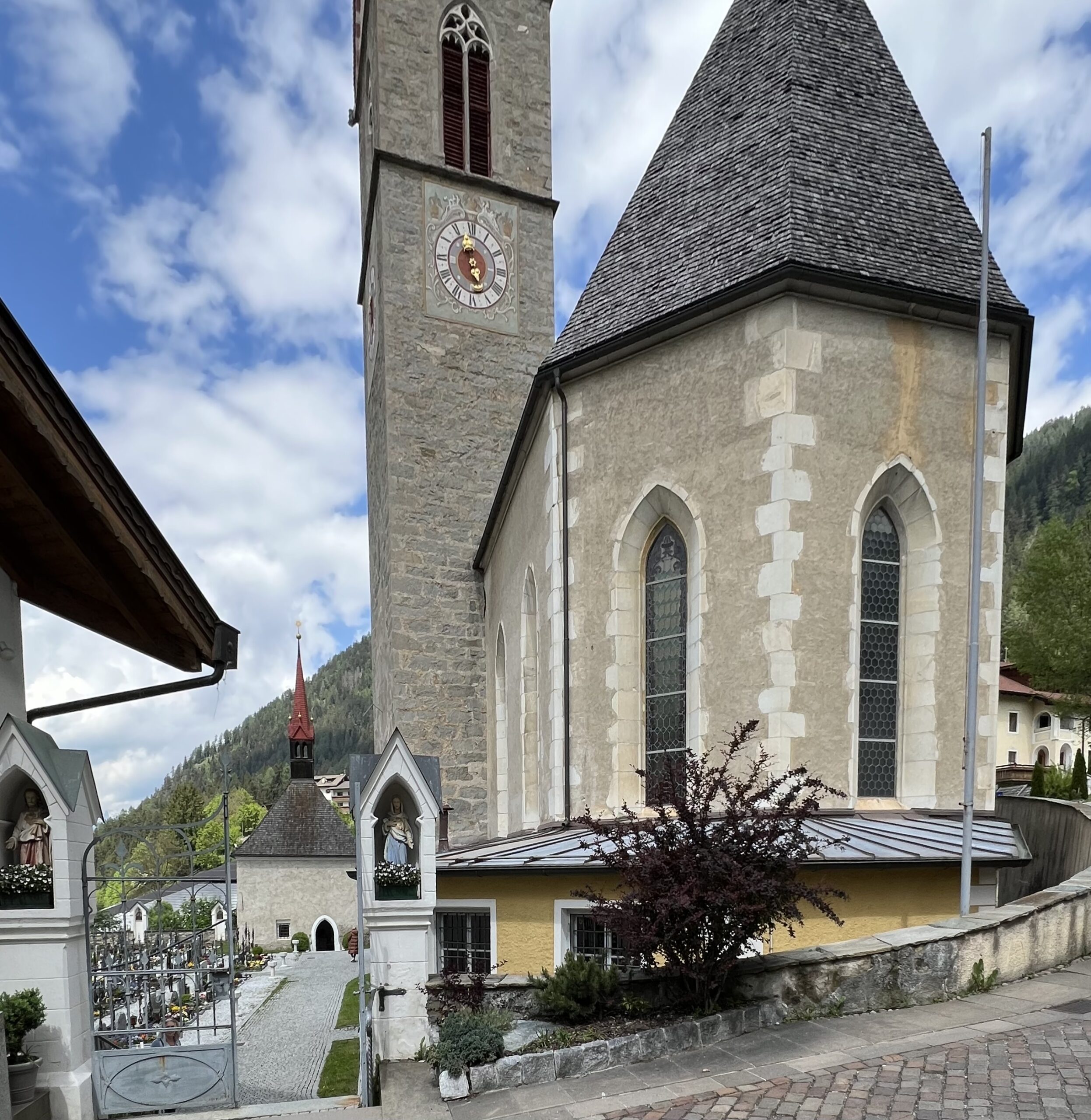
The current church stands on the site of the former church. The oldest parts of the church date from around 1350. The year 1498 is inscribed in the church's western porch, and in that year the then-current building was enlarged. The medieval churchyard chapel was consecrated in 1648.
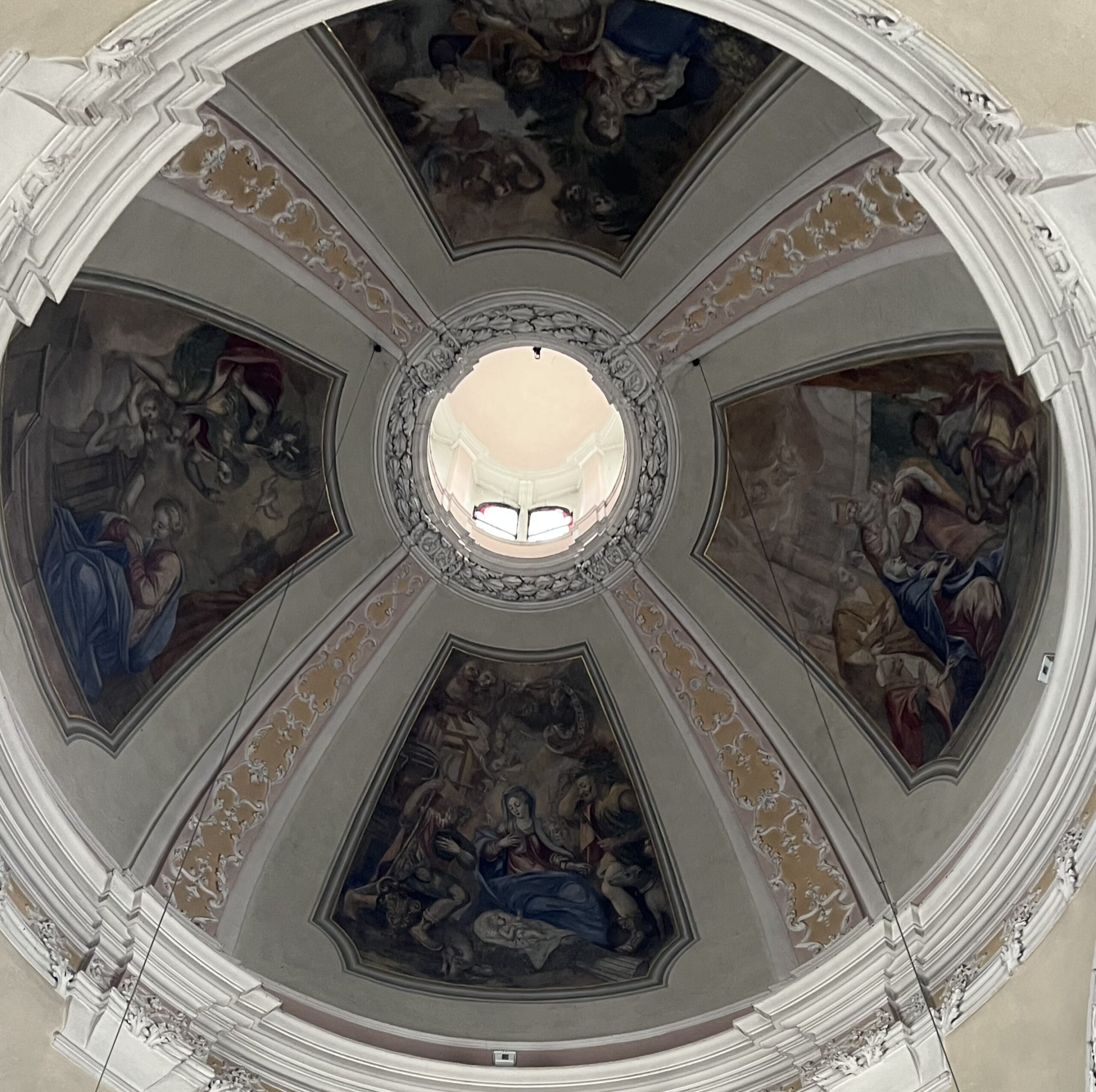
The Chapel of Grace was realised in 1726-1727. Frescoes are by the local painter Innozenz Anton Warathy Barath (1694-1758). The marble altar was created by Cristoforo Benedetti (1657-1740). The church was remodelled in the Baroque style during 1753-1754 by Joseph Adam von Mölck (c.1714-1794).
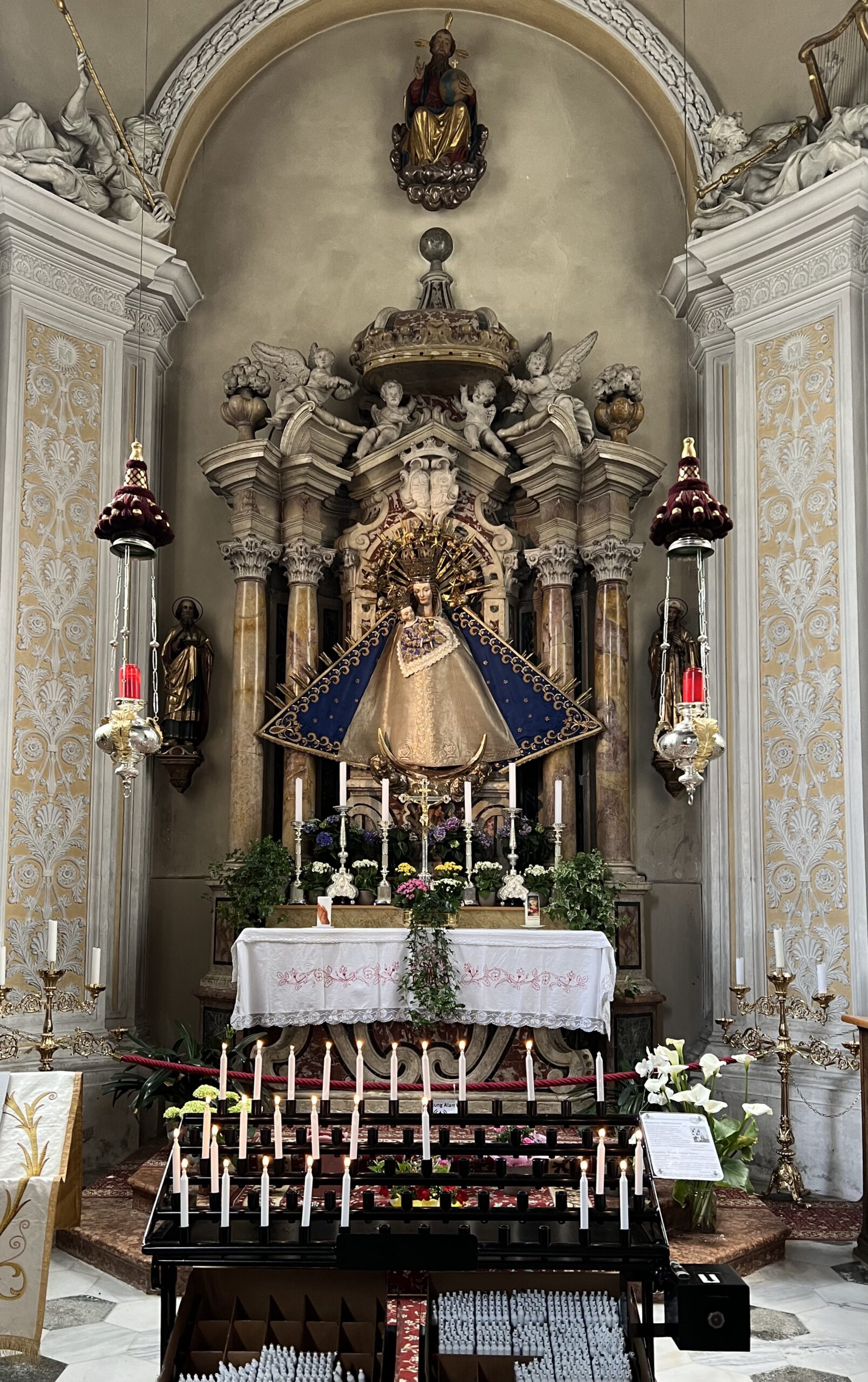
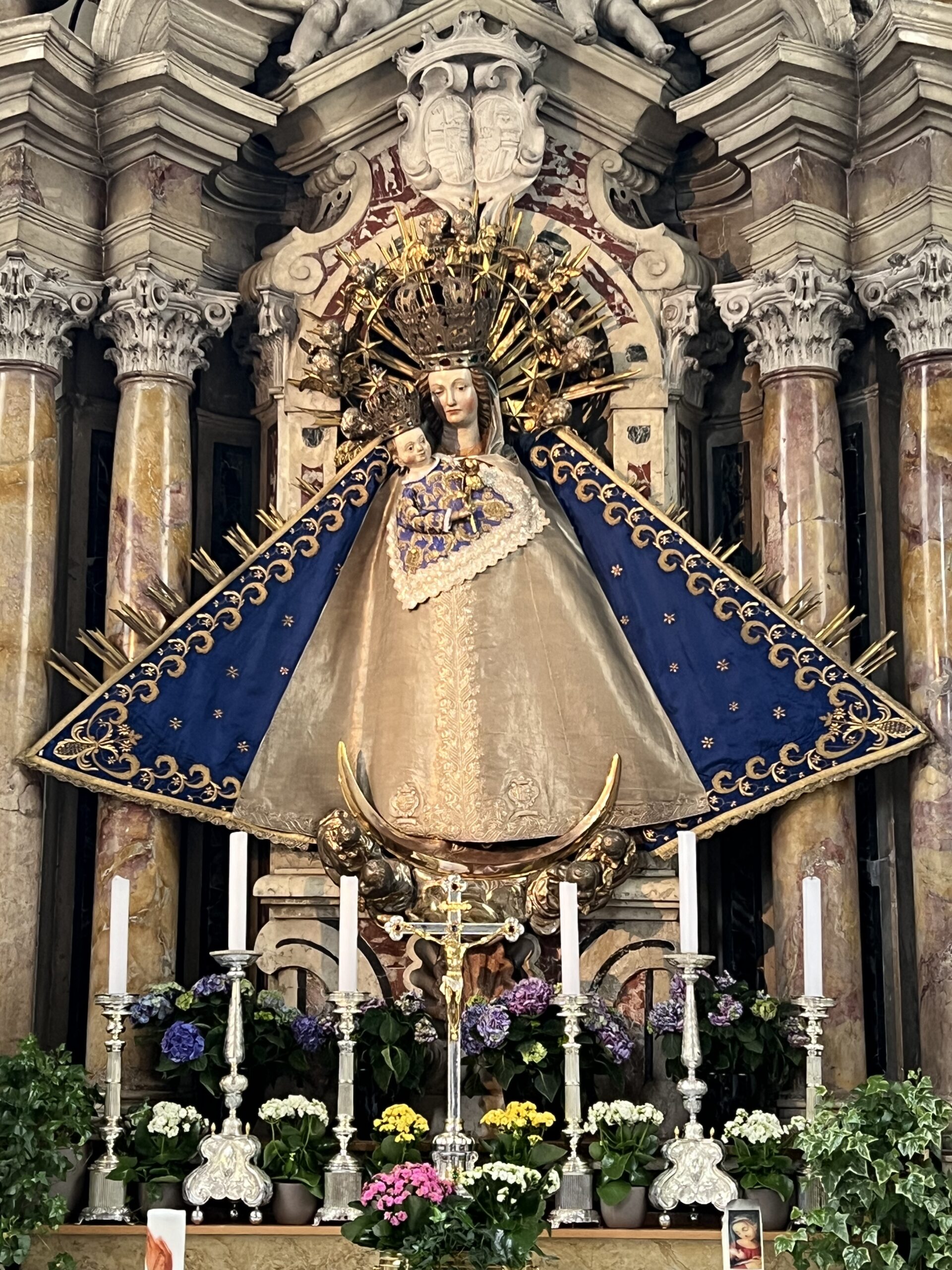
On 29 March 1728, the marble altar and the Chapel of Grace were consecrated by Ferdinand Joseph Gabriel von Sarnthein (1697-1762), auxiliary bishop of Brixen (1727-1762). One day later, the image of Mary above the altar was put in place. The miraculous image is made of pine wood, the back is hollowed out, Mary is crowned and wears a decorated robe. She holds her Child, who is reaching with his left hand towards Mary's white veil. The sculptor Ivo Stigel/Strigl (1430-1516) created the image around the year 1470. Later, the image was dressed in other, changing clothes. The wardrobe of the miraculous image is extensive, due to donations from, among others, Eleonora Maria Josepha of Austria (1653-1697), Queen of Poland (1670-1673), Archduchess of Austria, Duchess of Lorraine, Princess of Hungary and Bohemia. The image was restored in 1985 by Giancarlo Pocher from Brixen.
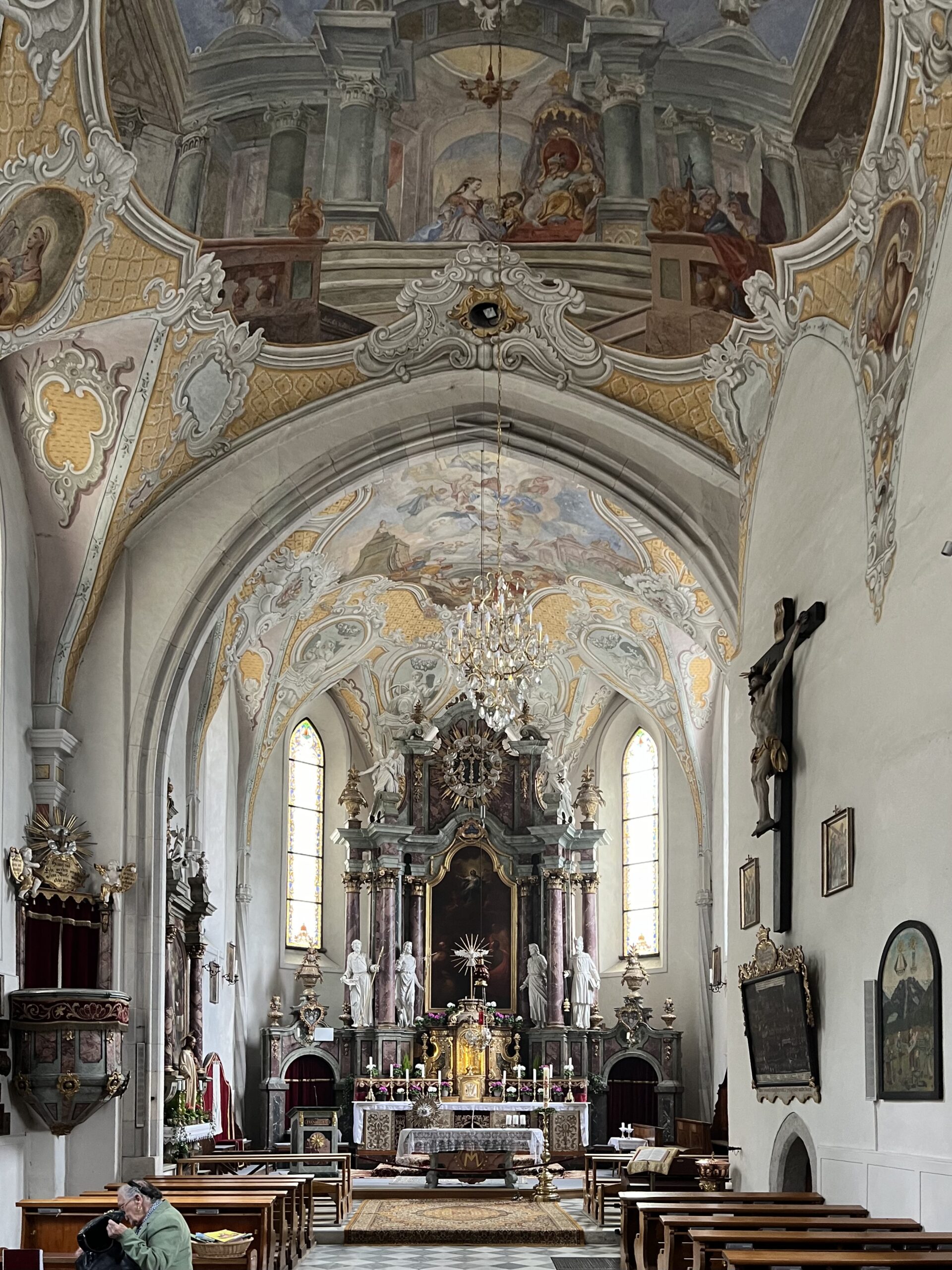
In 1805, a new high altar arrived, featuring statues of Joachim, John the Baptist, Joseph, and Zechariah. The altarpiece “The Assumption of Mary” is by the painter Josef Schöpf (1745-1822).
The image of grace is crowned on the 200th anniversary of the chapel of grace in 1928. In 1952, restoration work takes place and old frescoes are uncovered.
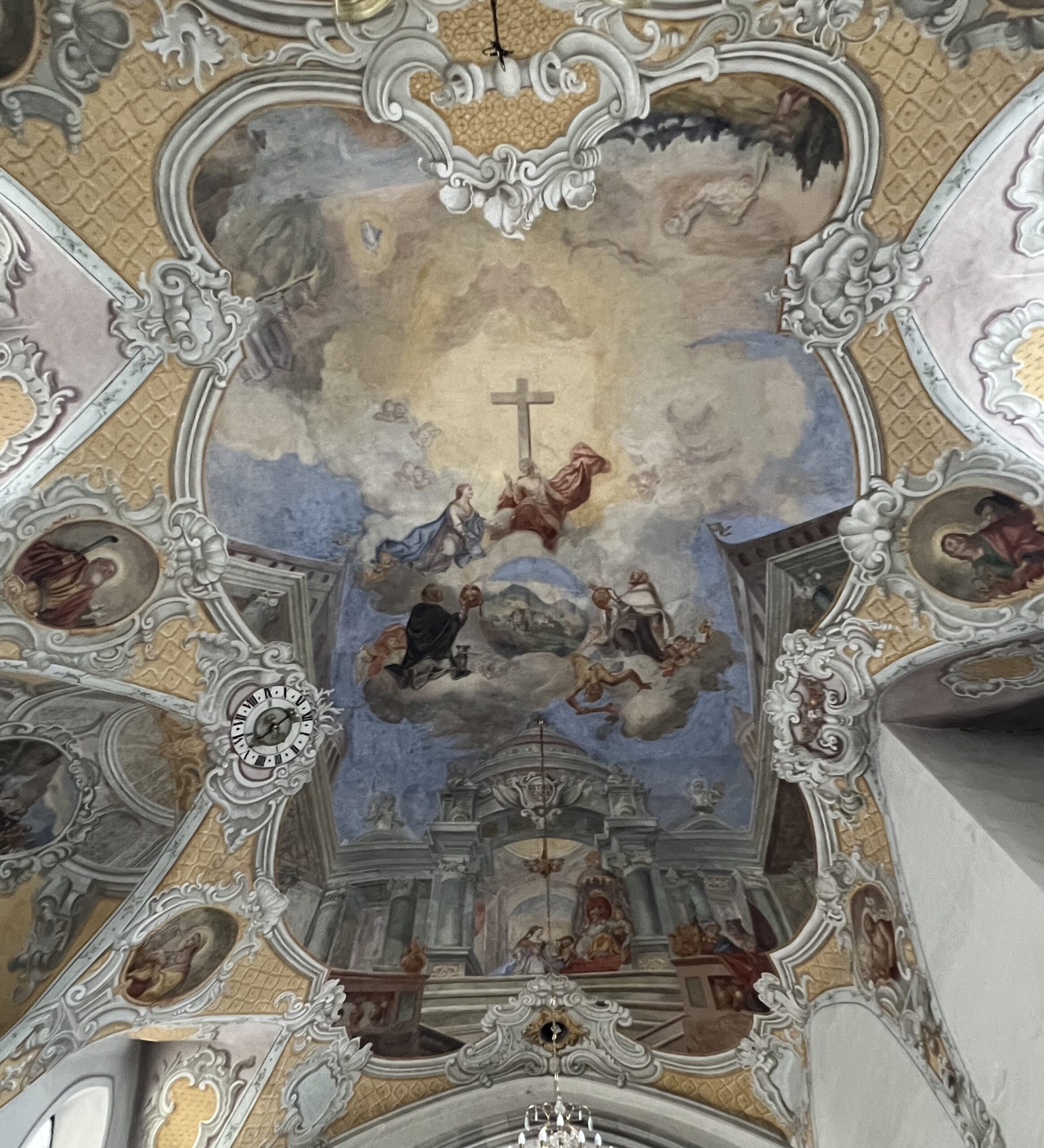
Extensive restoration work on the church's exterior and interior took place in 1995. In the year 2000, the approximately 60-metre-high church tower was restored.
Maria Trens is situated at almost 1,000 metres above sea level, and the village's pilgrimage site is the main attraction for visitors. The town has a population of over 1,000 inhabitants.
Pilgrimage site
The Sanctuary of Maria Trens is, after Maria Weissenstein, the most important pilgrimage site in South Tyrol. Pilgrimages are held annually, particularly on 15 August, the feast day of the Assumption of Mary. The pilgrimage is one of the oldest and most significant Marian devotions in the region of South Tyrol.
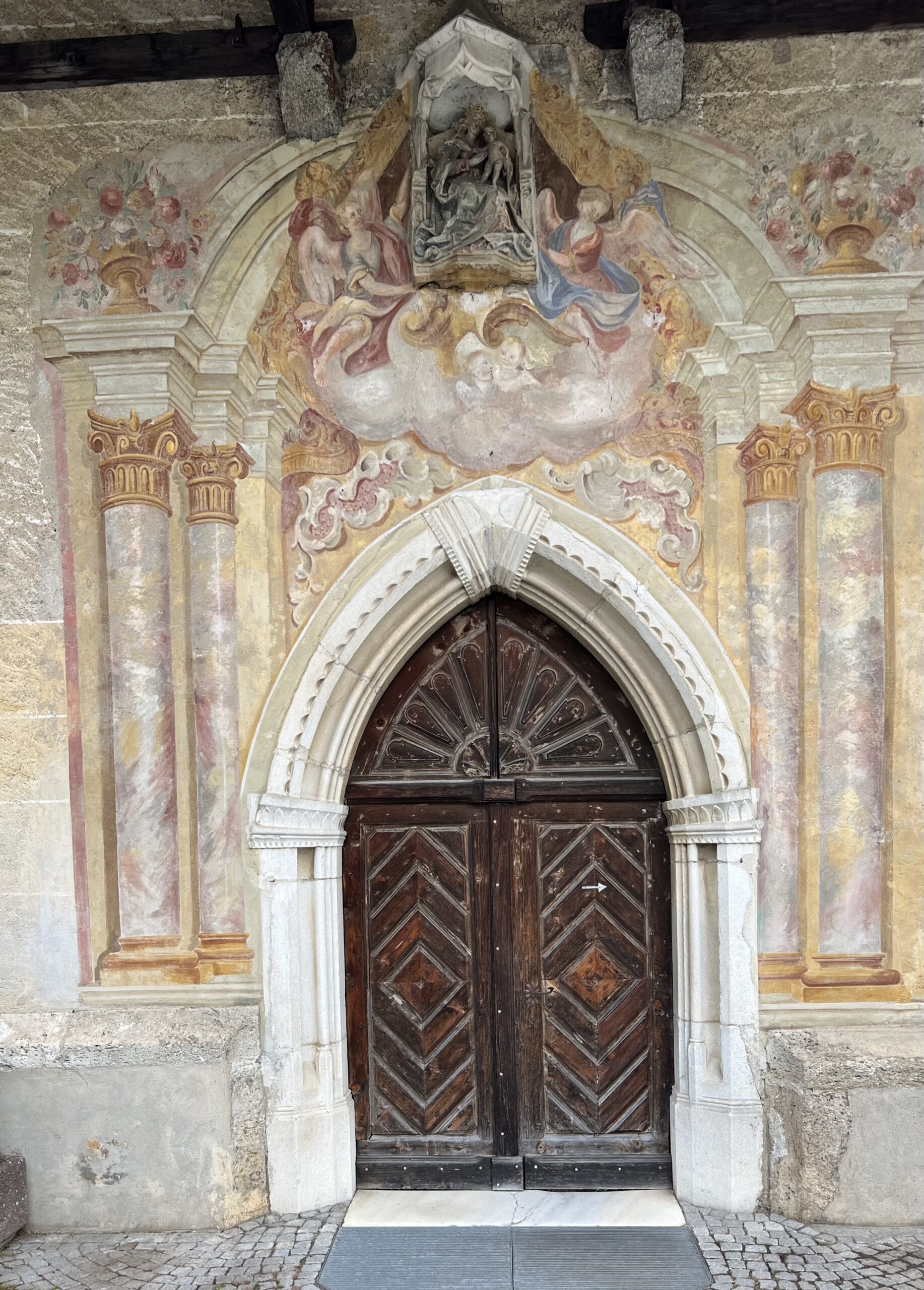
The late Gothic pilgrimage church, located on the cemetery grounds, offers visitors plenty to see. In the cemetery chapel stands an image of Mary as Queen of the Rosary.
Above the main entrance of the church is a marble statue of Mary with Child. The text is about the pilgrimage and the year 1728 can be deduced from the letters.
The visitors mainly come to the church for the statue of grace.
A fresco in the church is by Johann Baptist Oberkofler (1895-1969), who is a priest and painter. This work depicts the origin of the pilgrimage. Above the chancel is a fresco of the Assumption of Mary into heaven.
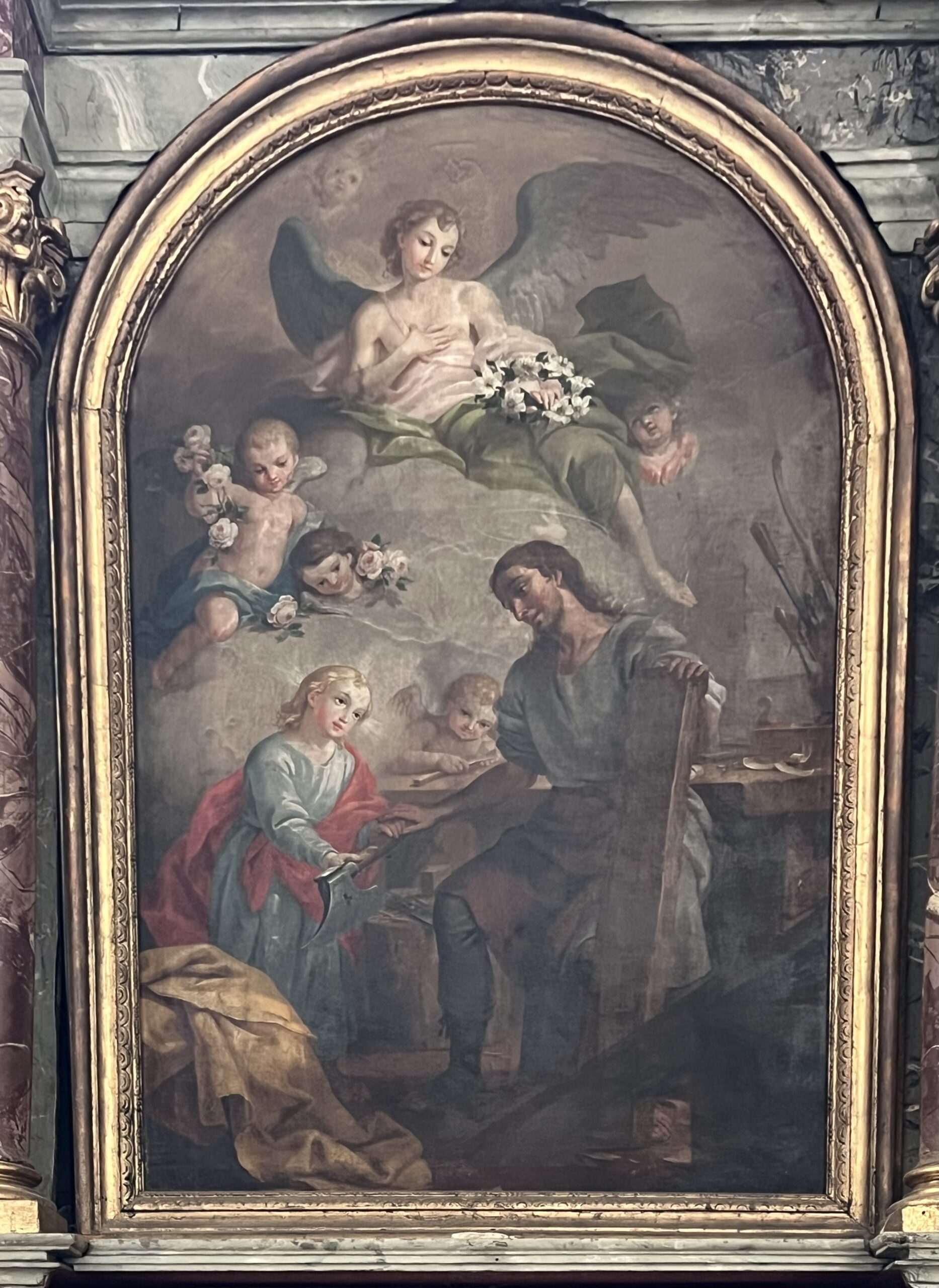
A large painting is dedicated to Saint Joseph and was created by Josef Renzler (1770-1842).
Inside the church are ex-votos, including a devotion of thanksgiving for the bringing to life of a stillborn child. The child was placed before the statue of grace and brought back to life. The wardrobe of the statue of grace has been expanded with several cloaks. In past centuries, much has been donated to the statue of grace, such as clothing, crowns, jewels, and ornaments.
There is a pilgrimage route of over 2 km with several stations.
There are Trenser night pilgrimages on the 13th of May, June, July, August, September, and October. The pilgrimages are related to the apparitions in Fatima in 1917.
The pilgrimage church is open daily.
ACCESSIBILITY
The pilgrimage site of Maria Trens is located in the province of Bolzano in South Tyrol, in the north of Italy. After the Brenner Pass, you take the Sterzing exit. The Marian shrine is located a short distance south of the town of Sterzing. Maria Trens belongs to the municipality of Freienfeld. By train, the journey goes to the nearby Freienfeld.
Address of the pilgrimage site: Innozenz-Barat-Strasse, 39040 Campo de Trens (Bolzano).
Current information can be found at www.mariatrens.com.
Experience
I've just passed the Brenner Pass and am now in northern Italy. The first place is Sterzing/Vipiteno. From there, leave the motorway and drive into the town of Sterzing, then go a little south to arrive in Maria Trens. Maria Trens is a popular pilgrimage site for Our Lady. It feels very special to visit Mary right away upon arriving in Italy.
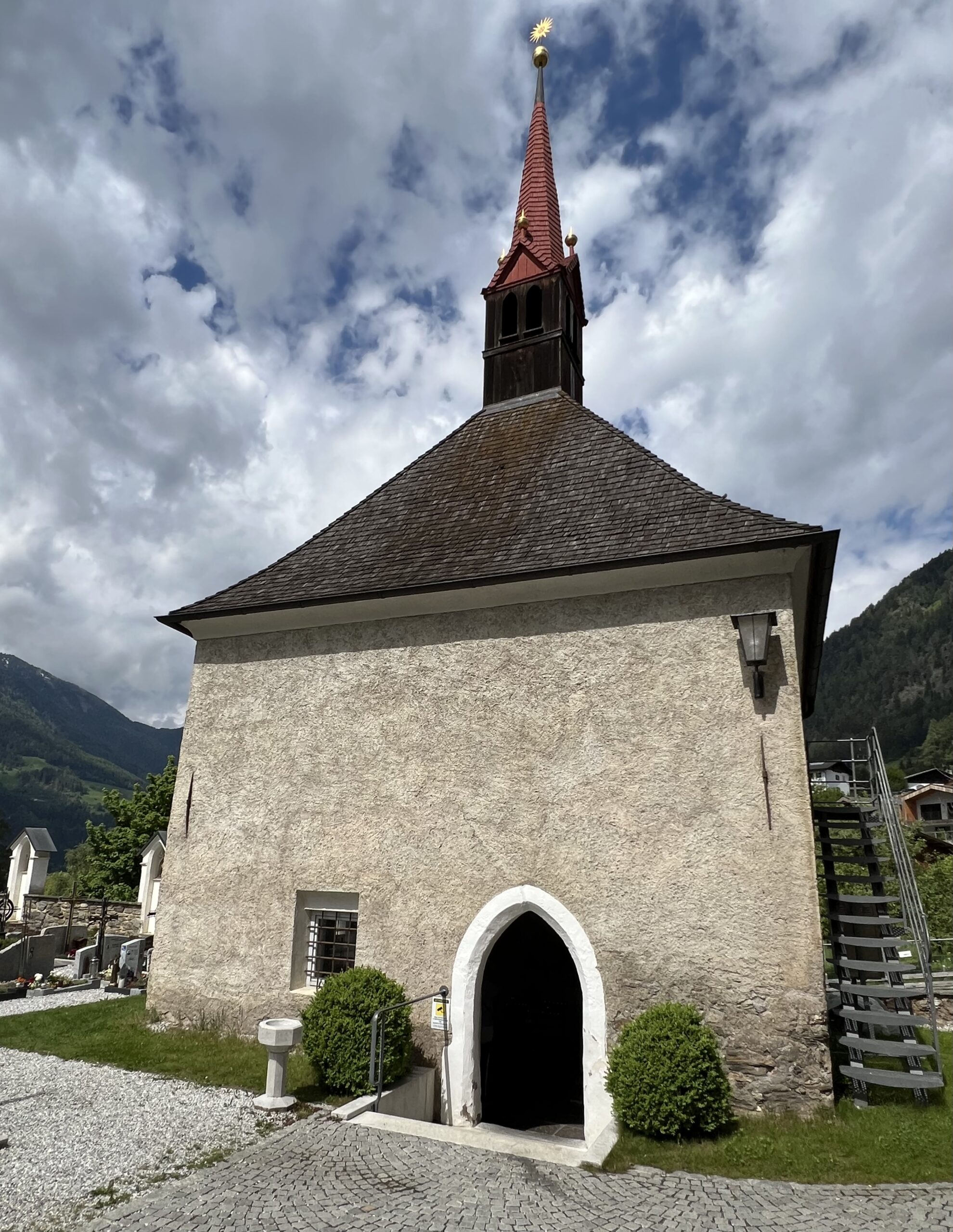
The pilgrimage church, along with its chapel, stands within a walled cemetery boasting well-maintained graves. The deceased are clearly well looked after here, as most graves are adorned with flowers. What a display of love!
I visit the chapel at the church with great interest, as I've read the interior must be very beautiful. When I am in the chapel, my information is correct. What an image of Mary! What intimacy I experience here! The past is expressed through the building, statues and atmosphere. In this chapel, one can admire in silence, light candles, and be with Our Lady in thought.
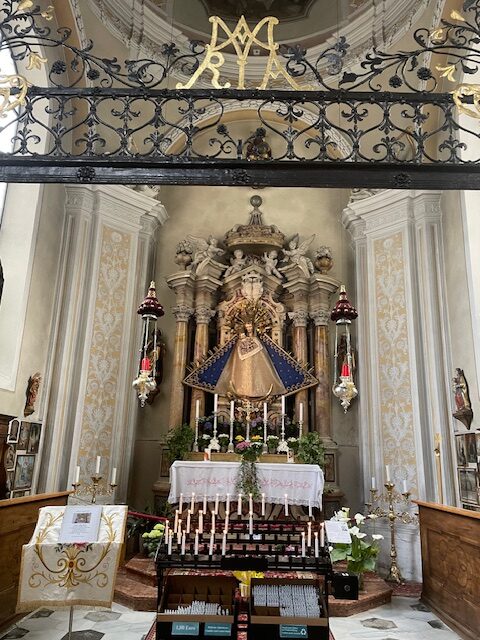
Next, I will go to the pilgrimage church and let myself be surprised. First, I will go to the side altar with Our Lady. The miraculous image is located here. This is an excellent place for prayer, and I will gratefully make use of it.
The devotional image in the high altar grips me firmly. What a successful work of art this is! I will appreciate this church even more when I look at all that humans have been able to create. What gifted children of Mary are artists.
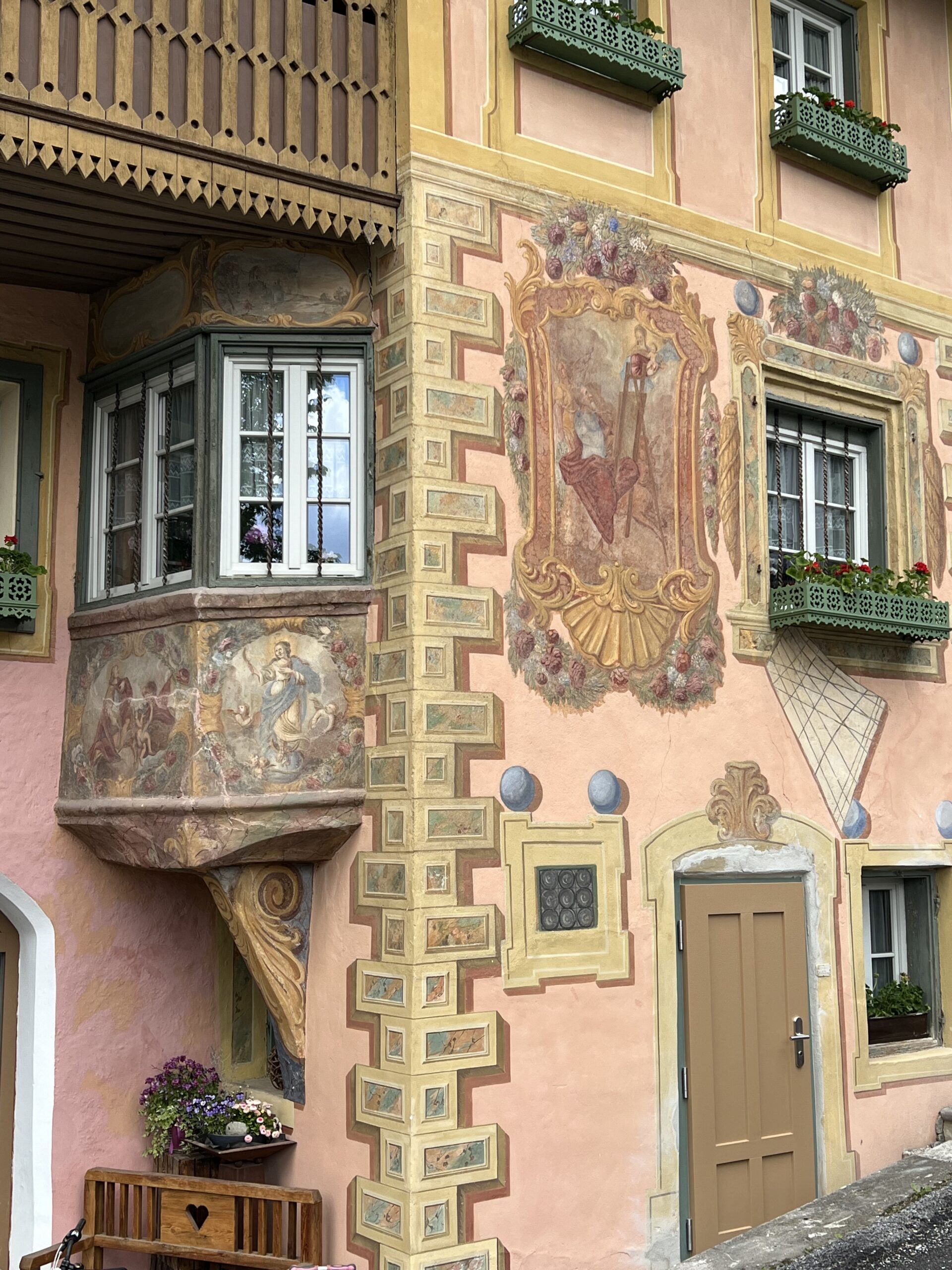
After visiting the church, I will explore the village. Many houses are adorned with an image of the Holy Virgin, and so is the house of the artist Innozenz Anton Warathy Barath (1694-1758).
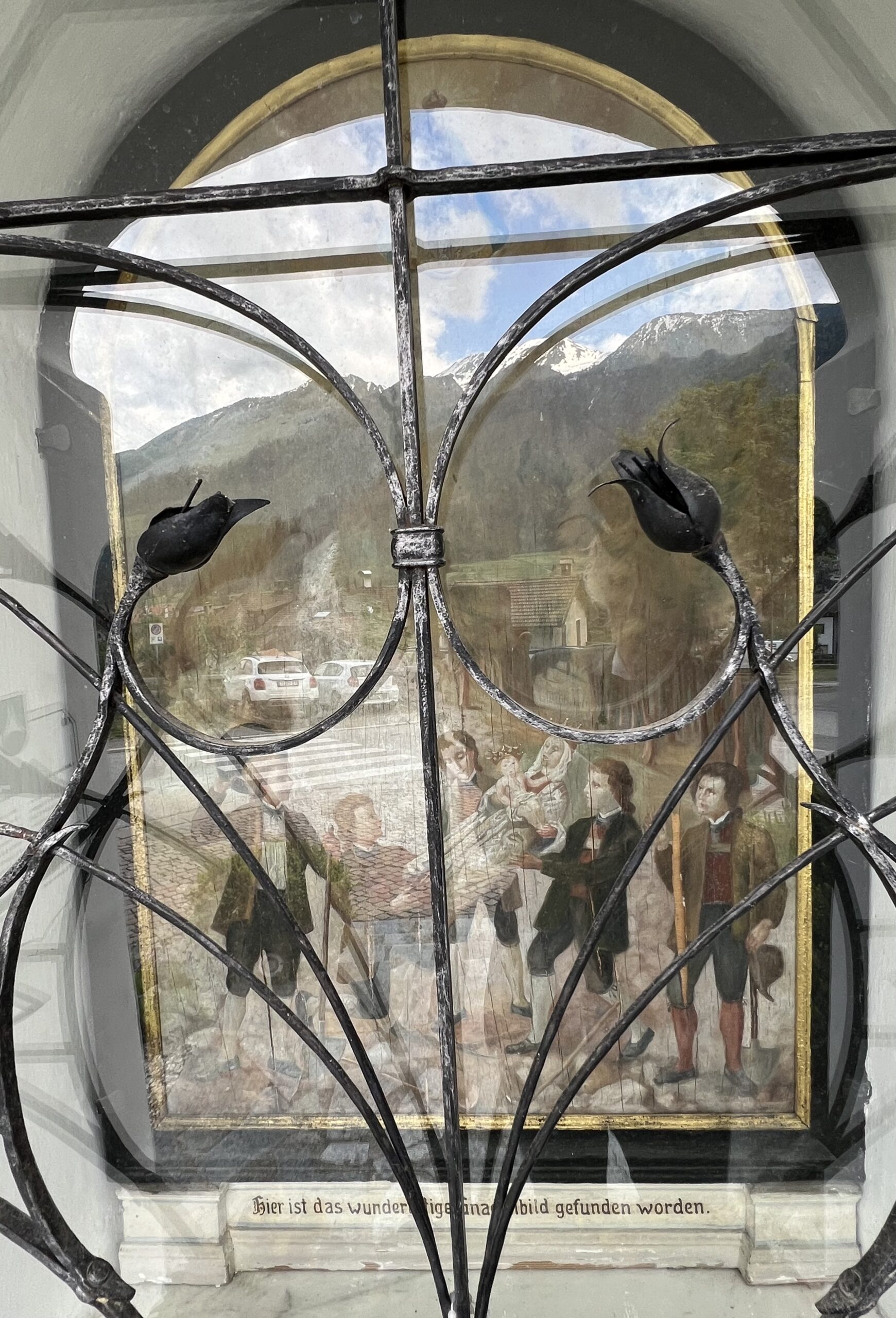
I see a lot of effigies and paintings. After walking a bit further, I come to a chapel with a history. It is the Discovery Chapel with a depiction of the legend from 1340. Here, history tells of the finding of an image of Mary in Bergbach an der Lahn, which is brought to the church. In memory of this, the chapel on the stream (Kapelle am Bache) was built in 1838 and placed here in 1998. The finding of the image of Mary changed this village.
Environment
Near Maria Trens, you can go for walks and bike rides. The view is impressive with high mountains, such as the Höllenkragen at 2387 metres and the Trenser-Joch-Hütte at 1998 metres.
Sterzing is 5 km from Maria Trens. This town has many beautiful facades, quite a few shops, and several catering establishments. There is also religious heritage to visit.
From the pilgrimage site Maria Weissenstein, it is 88 km north, and from Bolzano to Maria Trens, it is 64 km northwards.
From the pilgrimage site of Spiazzi, near Lake Garda, it is 206 km north to reach Maria Trens.
From the Austrian city of Innsbruck, the distance is 60 km south to reach Maria Trens.
Posted: 16 June 2024
~~~

 Nederlands
  English (UK)
  Deutsch
  Français