History
Originally, there stood a 17th-century collegiate or chapter church in Luxembourg City, to which Jesuits were attached. In 1603, the Jesuits opened a college in the city. They were summoned to the capital of the duchy by, among others, the governor. Up to this point, the country had belonged to the Spanish Netherlands, ruled by Albert and Isabella. Albert VII, also known as Albert and Albertus (1559-1621), Archduke of Austria, Governor-General of the Southern Netherlands (1595-1598), Sovereign of the Habsburg Netherlands (1598-1621), was married to Isabella Clara Eugenia of Spain (1566-1633), Sovereign of the Habsburg Netherlands (1598-1621). In 1613, the Jesuits laid the foundation for a large church building. It was Jean du Blocq (1583-1656) who drew up the plan. He was an architect and a Jesuit. In 1621, the house of God was consecrated to Our Lady of the Immaculate Conception.
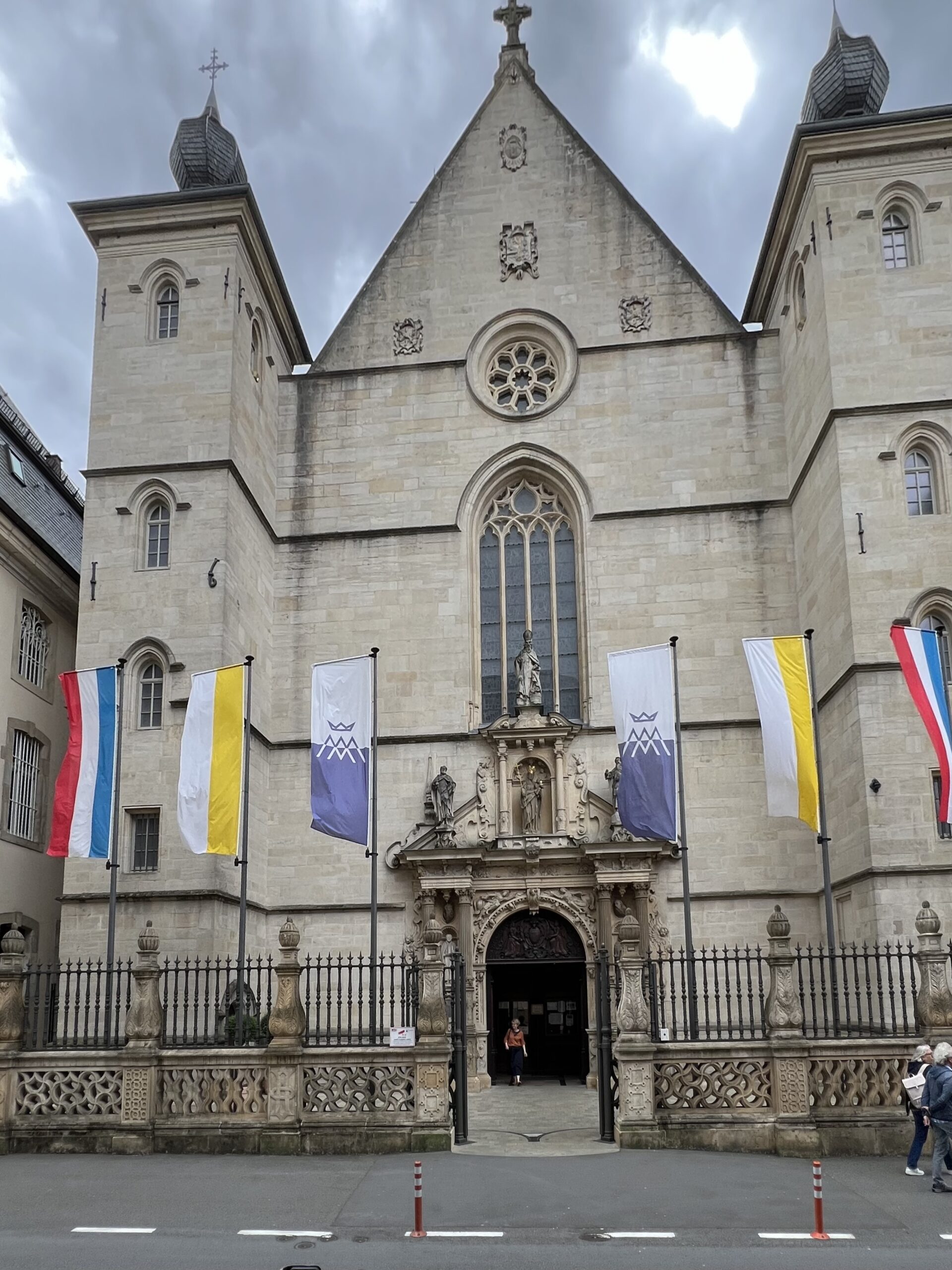
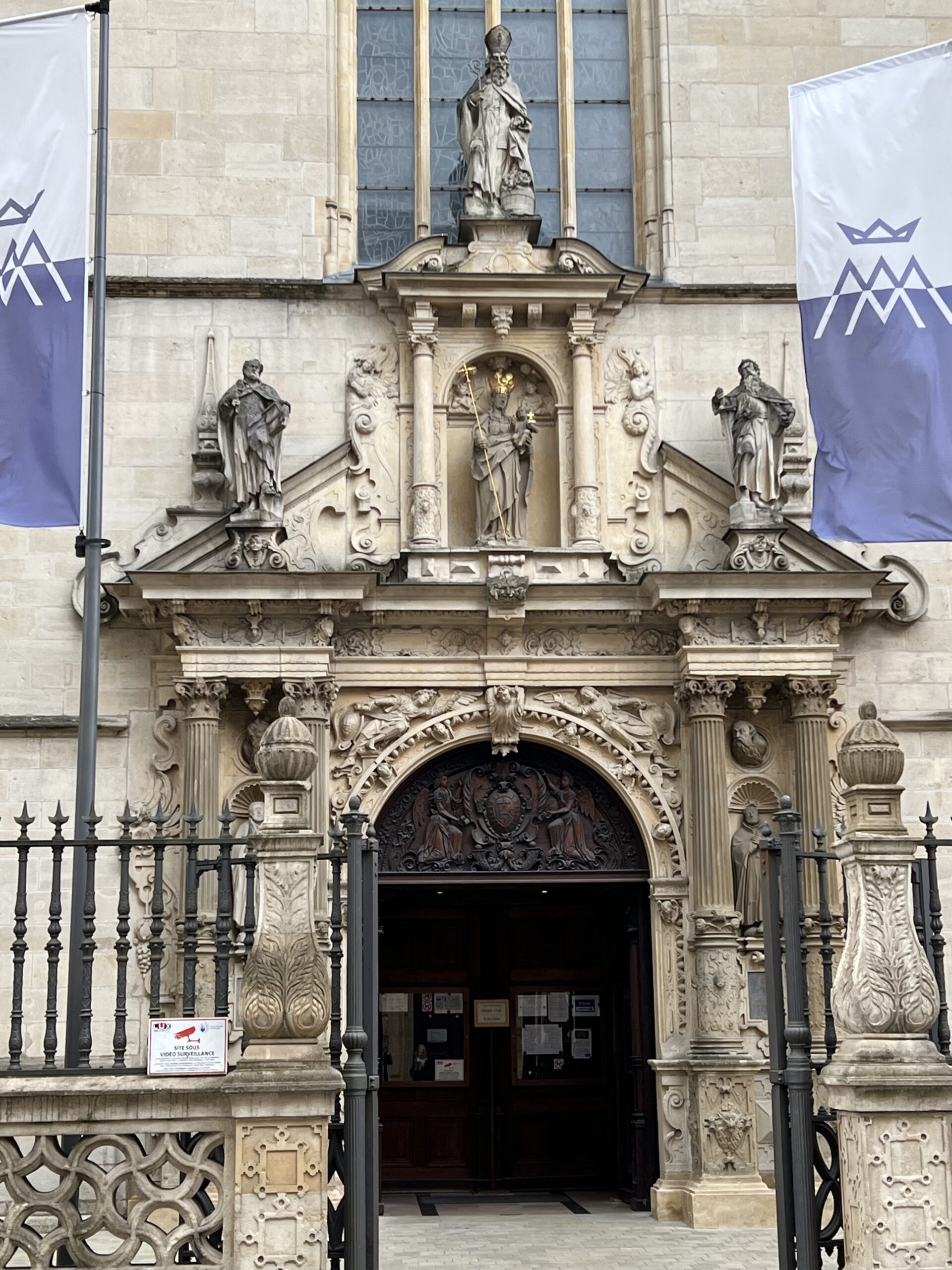
The sculptures on the portal on the north side, located on Rue Notre-Dame, were designed and made in 1613 by Daniel Müller (+1623). At the top is Saint Nicholas and below him Our Lady.
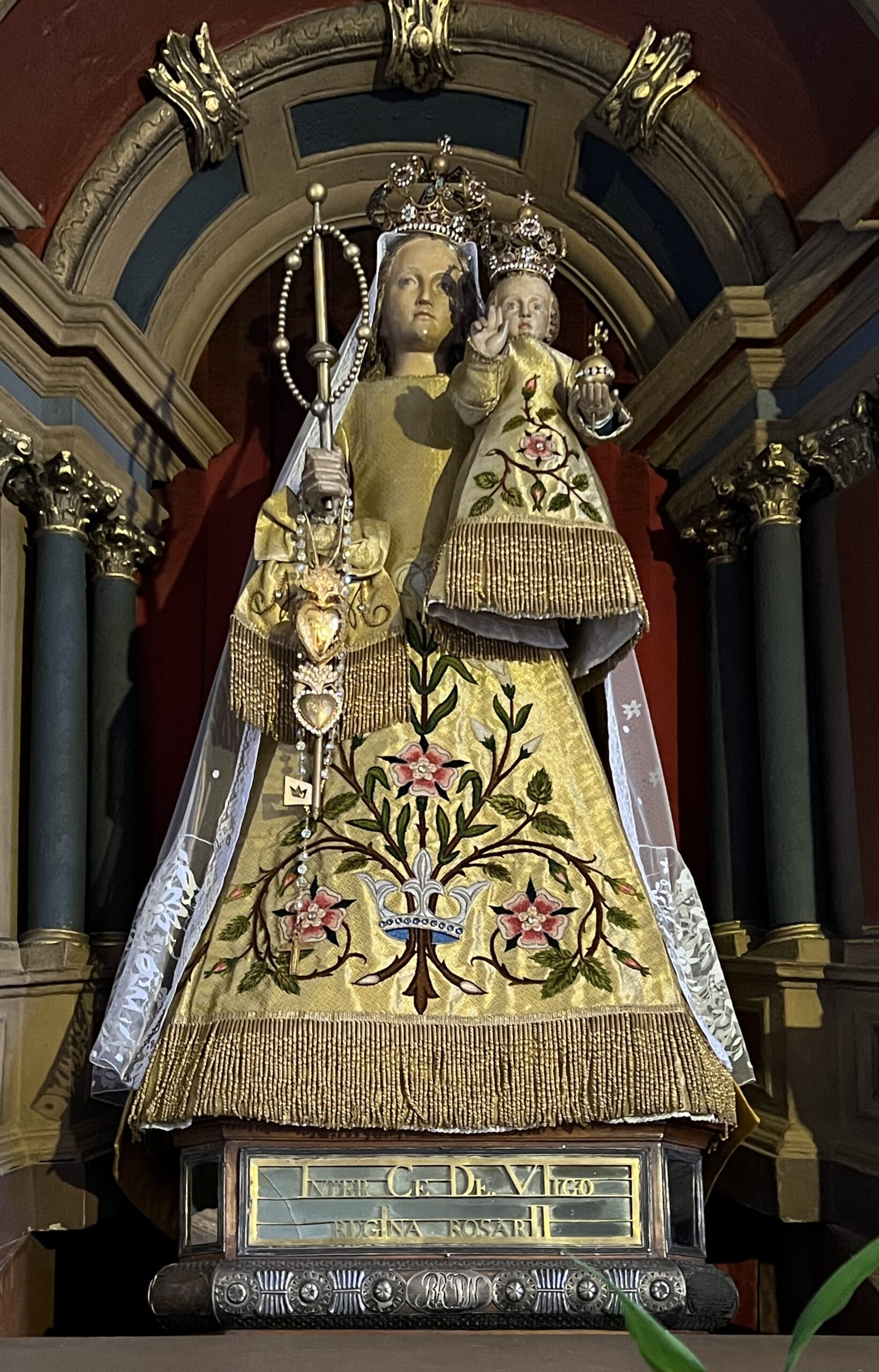
Since 1624, there has been the veneration of Mary, specifically of the “Comforter of the Afflicted.” The origin of this is the halting of a plague epidemic through Mary's help.
In 1666 the first procession is held, and the statue of Mary becomes the patron saint of the city of Luxembourg. In 1678, Mary is the patron saint of the Duchy.
In 1773, the large church is named “Church of St. Nicholas and St. Teresa” and belongs to the Diocese of Trier. In that year, the Jesuit order was dissolved by the Pope. The collegiate church then becomes the city's parish church. In 1801, the patron saint of the church becomes Peter. The church is dedicated to Our Lady in 1844.
In 1866, the link between Luxembourg and the German Confederation (1815-1866) was dissolved. In 1870, the Diocese of Luxembourg was established. The former Jesuit church became the bishop's church. In that year, the image of Our Lady was brought into the church, and it was then elevated to cathedral status with the name “Cathédrale Notre-Dame de Luxembourg”. This title was granted by Pius IX, Pope from 1846 to 1878 and born as Giovanni Maria Mastai Ferretti (1792-1878).
Buried in the crypt are members of the grand ducal family. In this space is also a tomb monument of John of Luxembourg/Jan of Bohemia (1296-1346), Count of Luxembourg (1310-1346), King of Bohemia (1310-1346) and Margrave of Moravia (1310-1333). Later he becomes blind and is then given the name John the Blind.
In the years 1935-1938, the cathedral was enlarged. Hubert Schumacher (1896-1961), an architect and painter, was in charge of the works. In 1963, a new choir was completed, taking into account the changes in the church due to the “modernisations” of the Second Vatican Council (1962-1965).
Since 1994, the former fortifications and the old town districts have been a part of Luxembourg City's UNESCO World Heritage Site.
In the festive, annual period, two weeks before Pentecost, the image of Our Lady is carried in a procession. The festivities initially last an octave, so 8 days, and this period is later extended.
Pilgrimage site
The Luxembourg Cathedral (Cathédrale Notre-Dame, Kathedrale unserer Lieben Frau, Kathedrale Notre-Dame) forms the heart of the city.
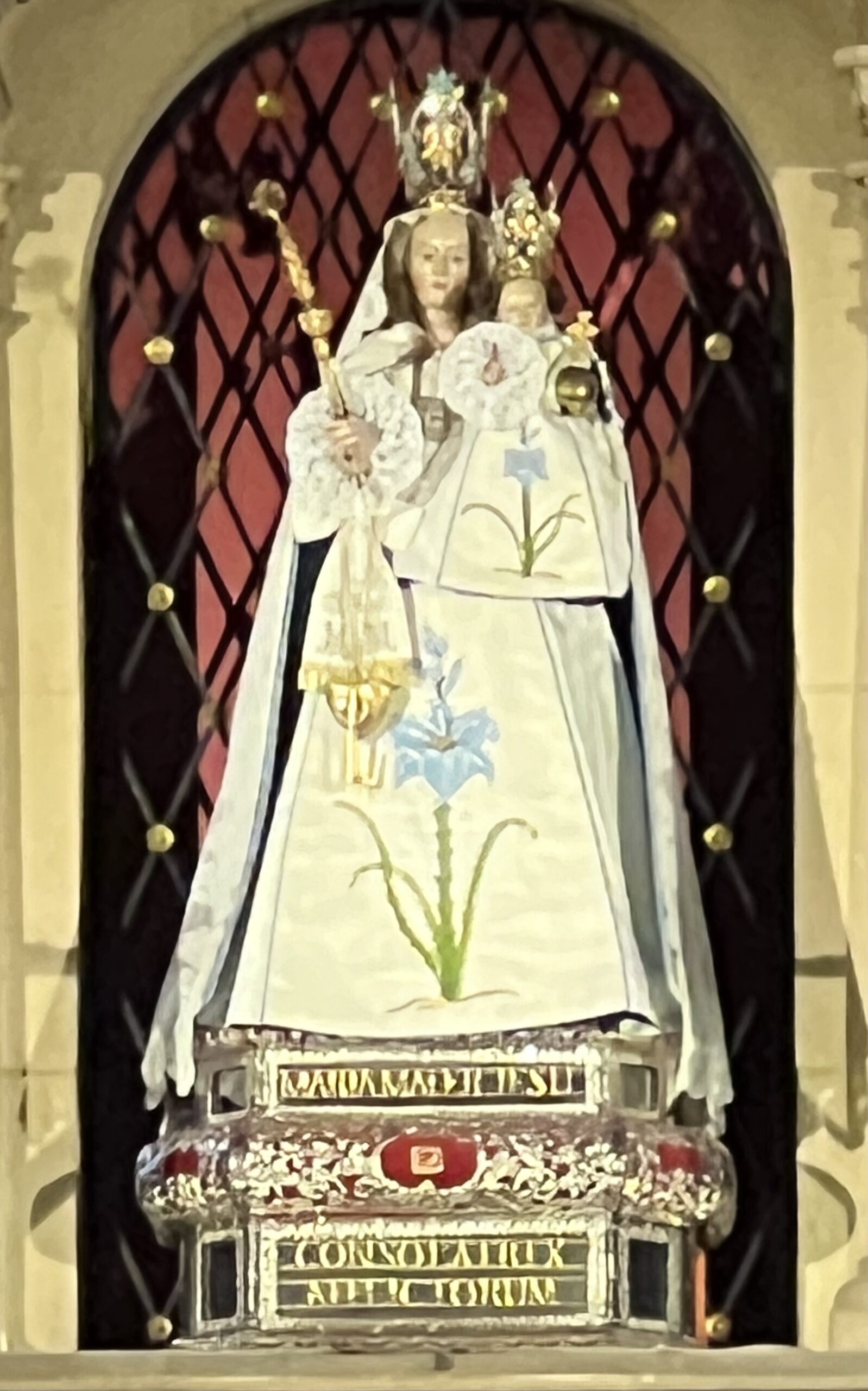
In the Episcopal Church, the cathedral, which is dedicated to Our Lady, stands the 17th-century statue of grace. This statue bears the name “Maria Troosteres der Bedroefden” (Latin: “Maria Consolatrix Afflictorum”) and has performed miracles, including saving the city from a plague epidemic. This statue stood centuries ago in a chapel outside the city walls.
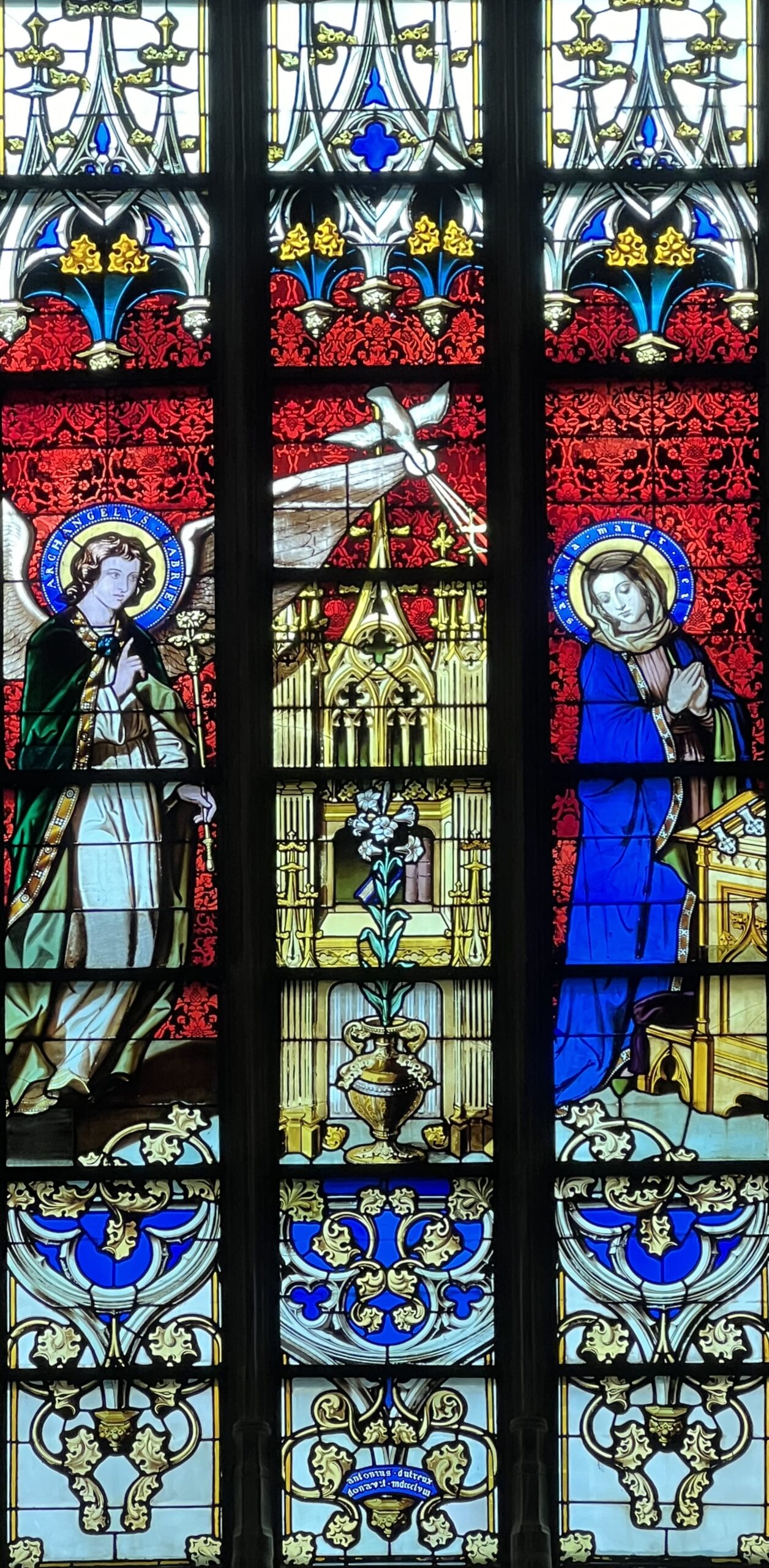
In the cathedral are stained-glass windows, which commemorate members of the Grand Ducal family and were made by Josef Oberberger (1905-1994).
The cathedral is open daily.
Every year, there is a pilgrimage in honour of Our Lady of Luxembourg. The festivities used to last for 8 days, which is the length of an octave. Nowadays, the festivities span 16 days, between Easter and Pentecost, beginning on the 3rd Saturday after Easter. The name for the activities is “Octave & Mäertchen”. The word “Mäertchen” means “fairytale”. Festivities take place on the square in front of the cathedral, and there is also a market with stalls selling, among other things, food and souvenirs. The “Octave” concludes with a solemn procession, which is also attended by members of the Grand Ducal family and clergy from both Luxembourg and abroad. The origin of “Mäertchen” is the Pentecost octave; a religious festival in honour of Mary, the patron saint of the city and the Grand Duchy of Luxembourg. In addition, “Mäertchen” is an event with a funfair atmosphere attracting many visitors.
ACCESSIBILITY
The city of Luxembourg is the capital of the Grand Duchy of Luxembourg.
Cathedral address: Rue Notre-Dame, L-2240 Luxembourg.
Aktuele info is te vinden op www.cathol.lu.
Experience
Above the entrance on Rue Notre-Dame, I see a depiction of Saint Nicholas and, below that, of Our Lady.
Stained-glass windows are magnificent church windows. What a splendour of colours! The windows depict phases from the life of Mary.
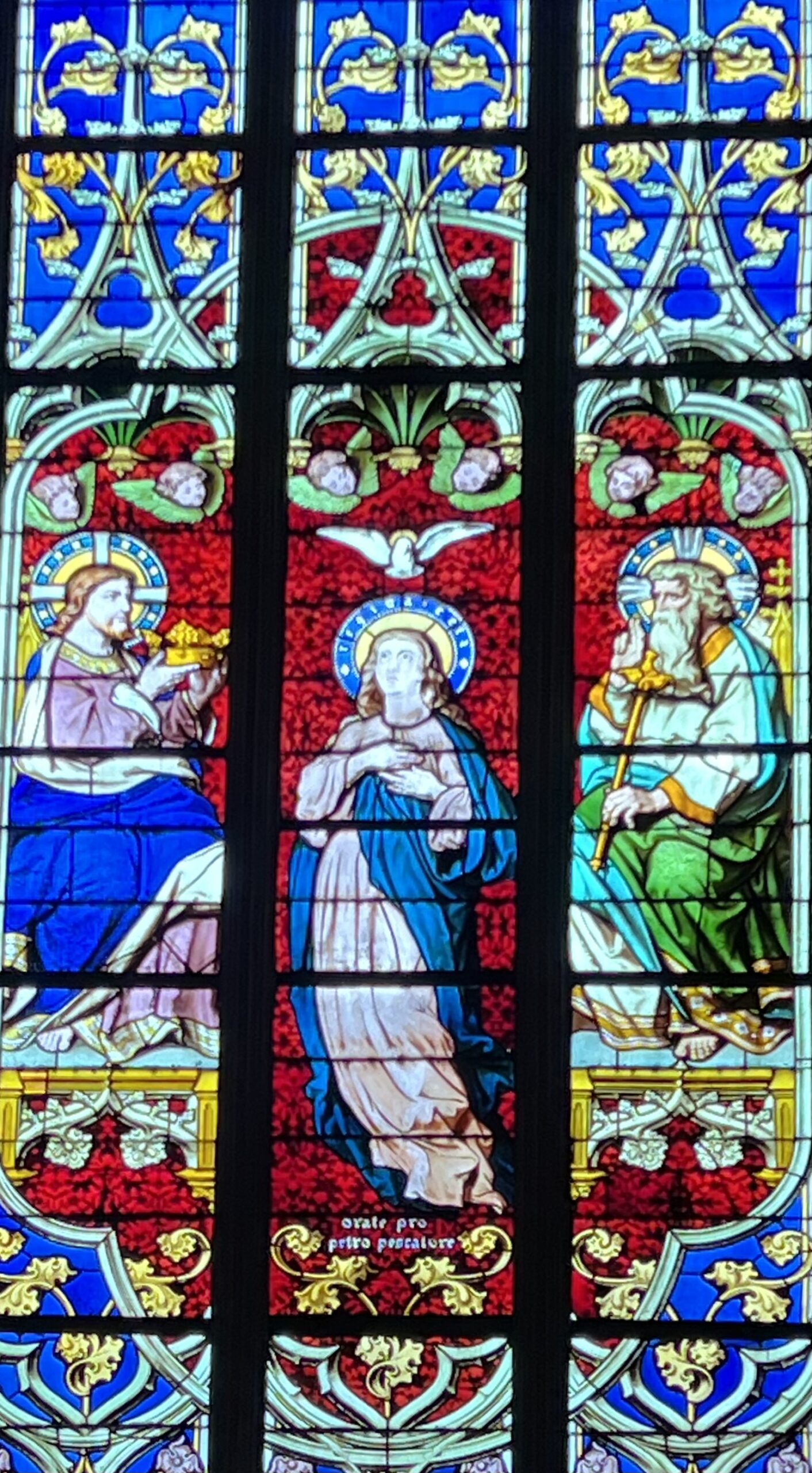
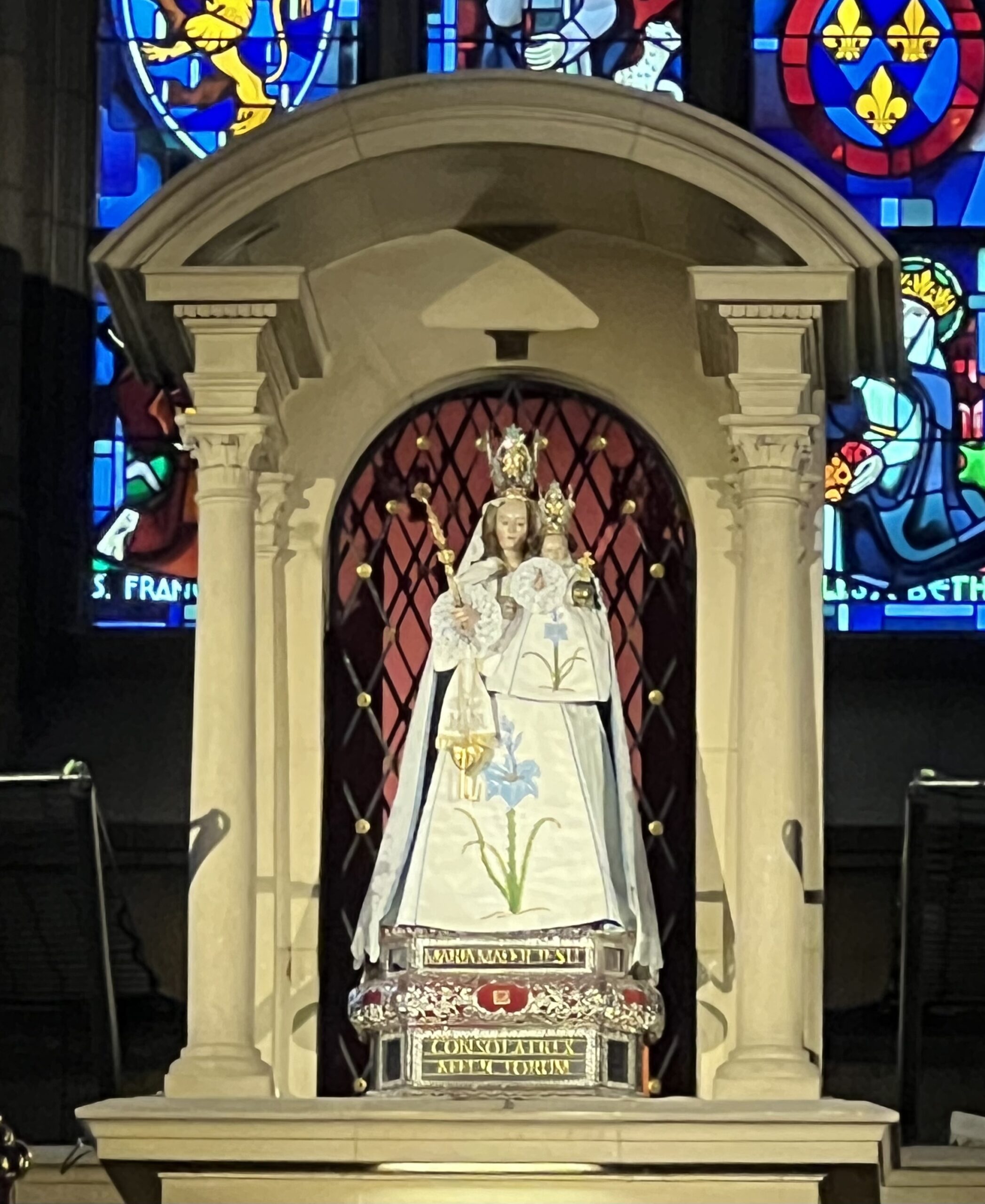
The large, beautiful stained-glass windows of the chancel were made by the French artist Louis Barillet (1880-1948) and these works attract my attention. At the centre is Our Lady. This is the most important part of the cathedral for me. What beauty!
When I look at the ceilings and walls, masterpieces by Friedrich Stummel (1850-1919) reveal themselves. This German painter from Kevelaer depicted, among other things, parts of the Litany of Loreto, the 12-year-old Jesus in the Temple, and the Wedding at Cana in 1897.
After visiting the cathedral, I'm going to other churches in the city.
Environment
In Grund, a district of Luxembourg City, stands the parish church of St. John with an image of the Black Madonna. The church is named L’Église Saint-Jean Baptiste. The first mention of a church at this location dates back to 1309. The church features a 14th-century depiction of the Black Madonna. Address: Rue Münster, L-2261 Grund, Luxembourg.
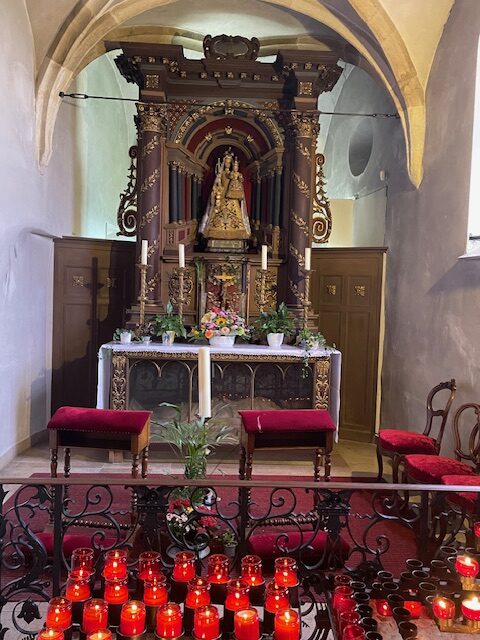
Another church well worth visiting in Luxembourg City is the St. Michael's Church, located at Rue Sigefroi, L-2536 Ville-Haute, Luxembourg. The church is the oldest in the city and offers visitors much beauty, including depictions of Saint Michael and Our Lady. Over the past centuries, the church has suffered greatly from damage and destruction. Each time, it has been repaired or rebuilt. The current church building was erected in 1688. The church building is open daily.
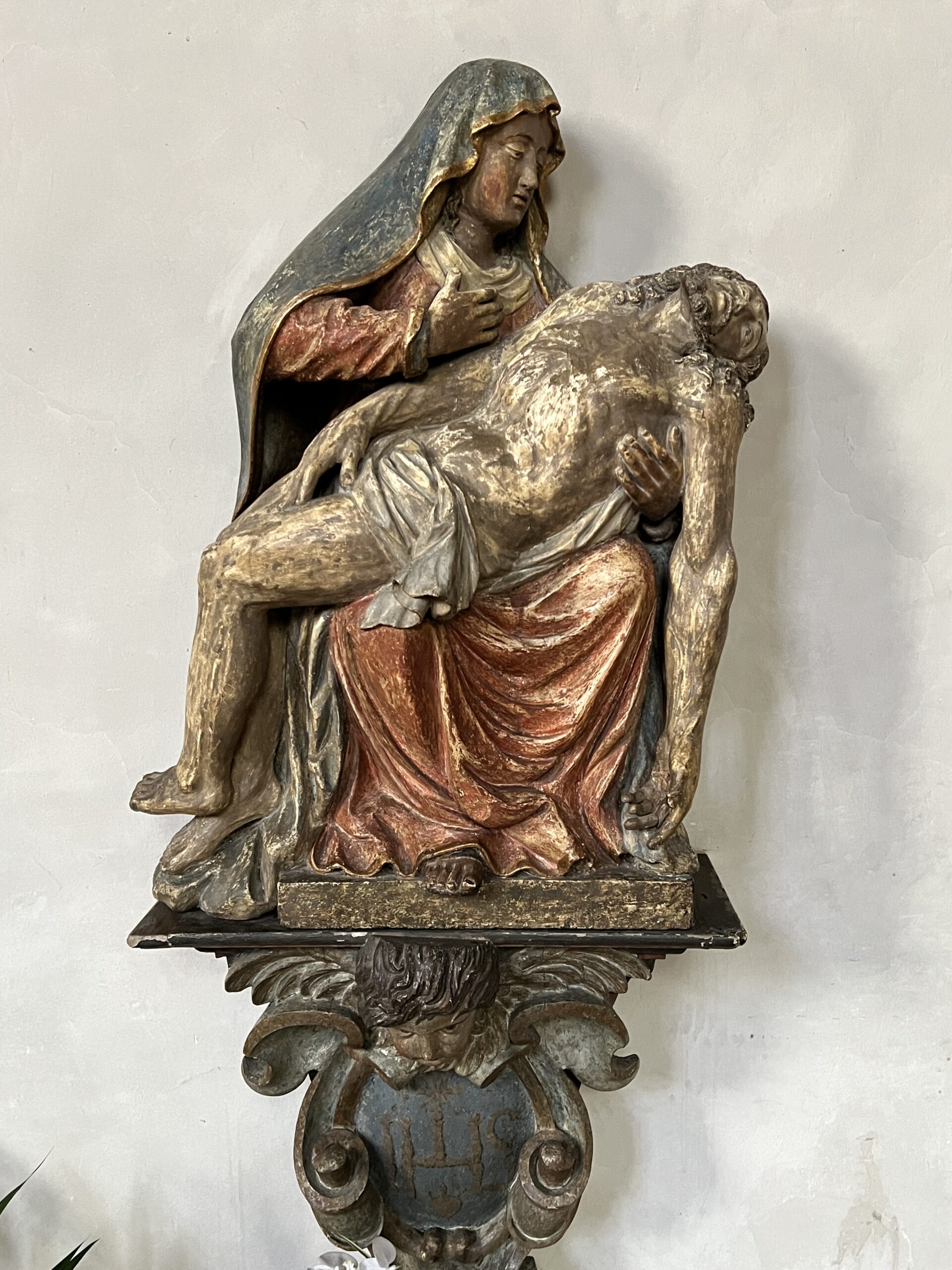
From Luxembourg to Girsterklaus is 47 km going north-east.
To get to Esch-sur-Alzette, drive 18 km to the southwest.
From Luxembourg to Echternach is 34 km in a north-easterly direction.
Posted: 9 November 2024
~~~

 Nederlands
  English (UK)
  Deutsch
  Français