In 1380, Jan V of Cuijk (1355-1382), of Grave, Asten and Hoogstraten, gave the land on which the Beguinage was to be built to the Beguines. The Beguinage was founded in 1380 and extended in the 17th century. In 1534, the Beguinage was enclosed by a stone wall. The three-aisled Beguinage church dates partly from 1640 and partly from the period 1679-1687 and is dedicated to Saint John the Evangelist. The year 1687 is inscribed above the entrance gate; this is the year the church was completed. The church was consecrated on 10 August 1687.
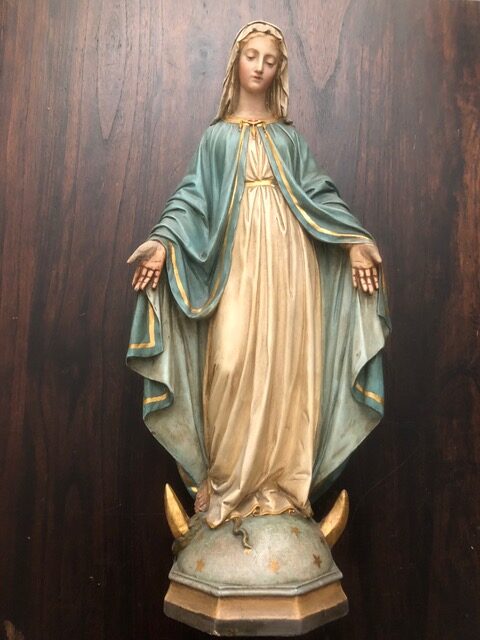
The facade is built in the Baroque style. The wooden statue of Mary and Child, dating from the 15th century, stands in the framed arched niche. This statue is presumably from the former Beguinage chapel. Our Lady is dressed in a wide mantle. She carries Jesus on her right arm, and Mary holds a sceptre in her left hand. The statue was restored in 2010.
The main altar was crafted from wood in 1711 by Jan Claudius De Cock (1667-1735), a sculptor, draughtsman, etcher, and painter.
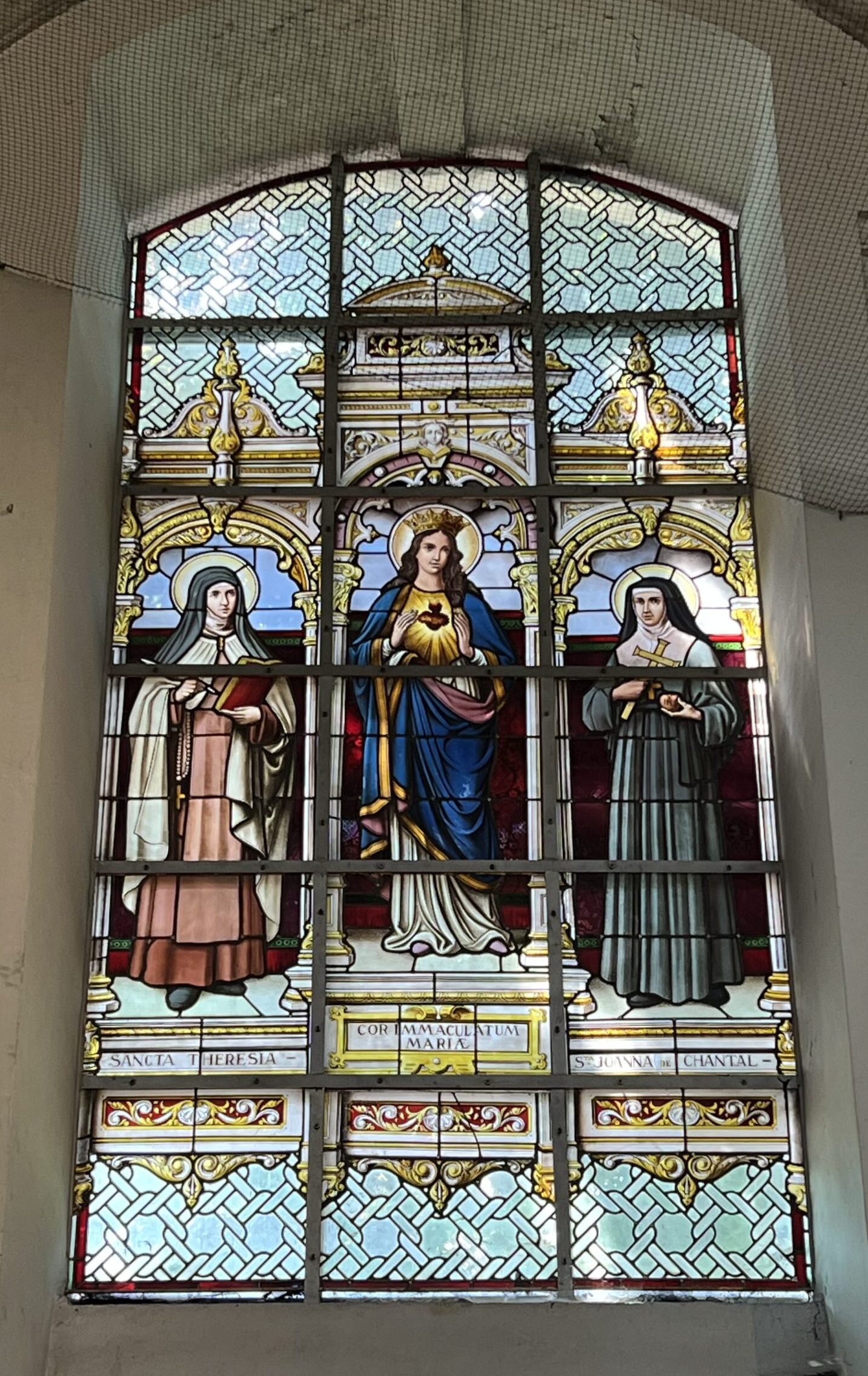
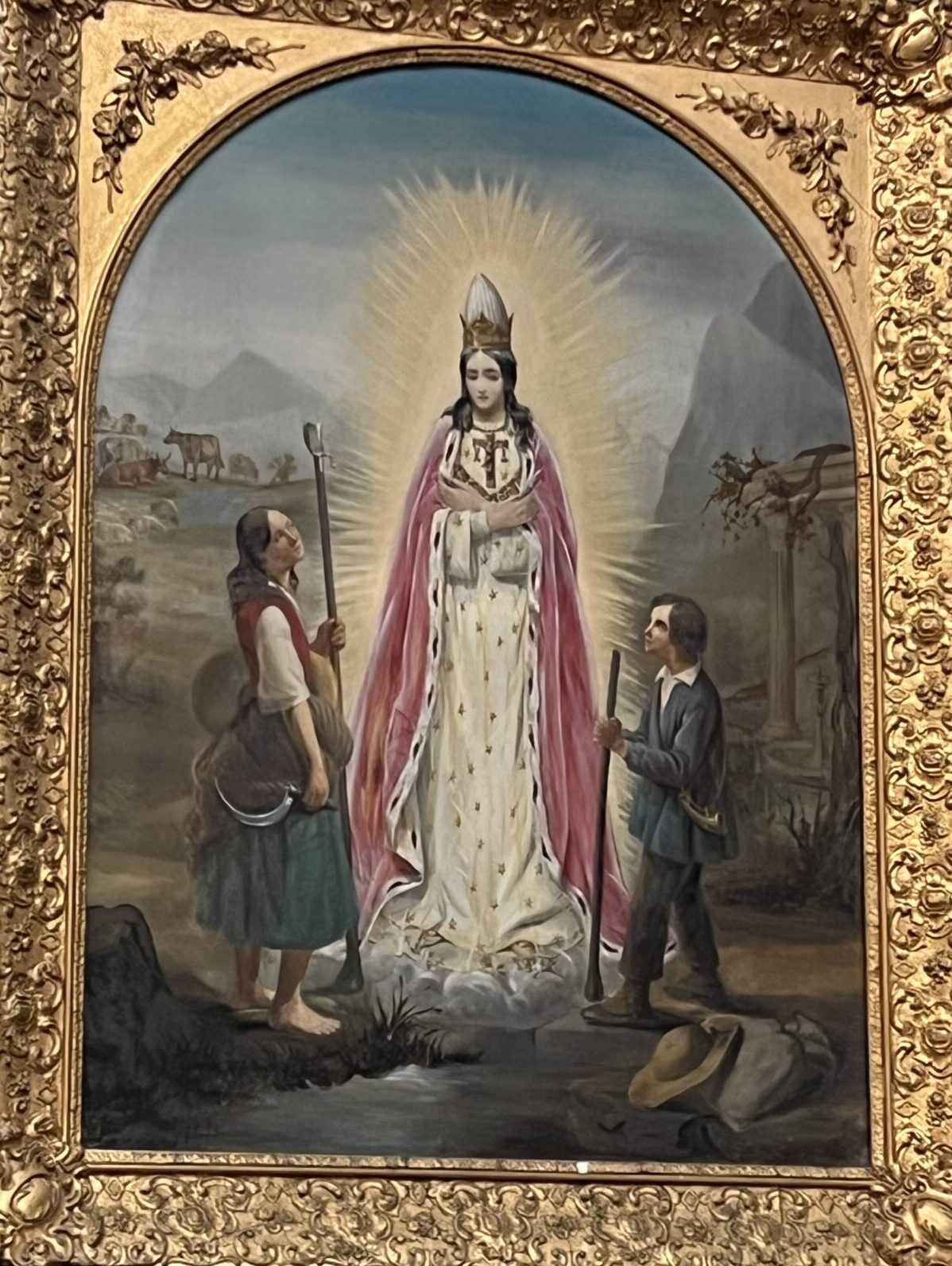
In the church hangs a painting depicting “Our Lady of La Salette” from 1853. In the church stands a marble, painted wooden statue of Mary, which dates from the 15th century. Strikingly colourful is the stained-glass window with the saints, Thérèse, Mary and Joanna.
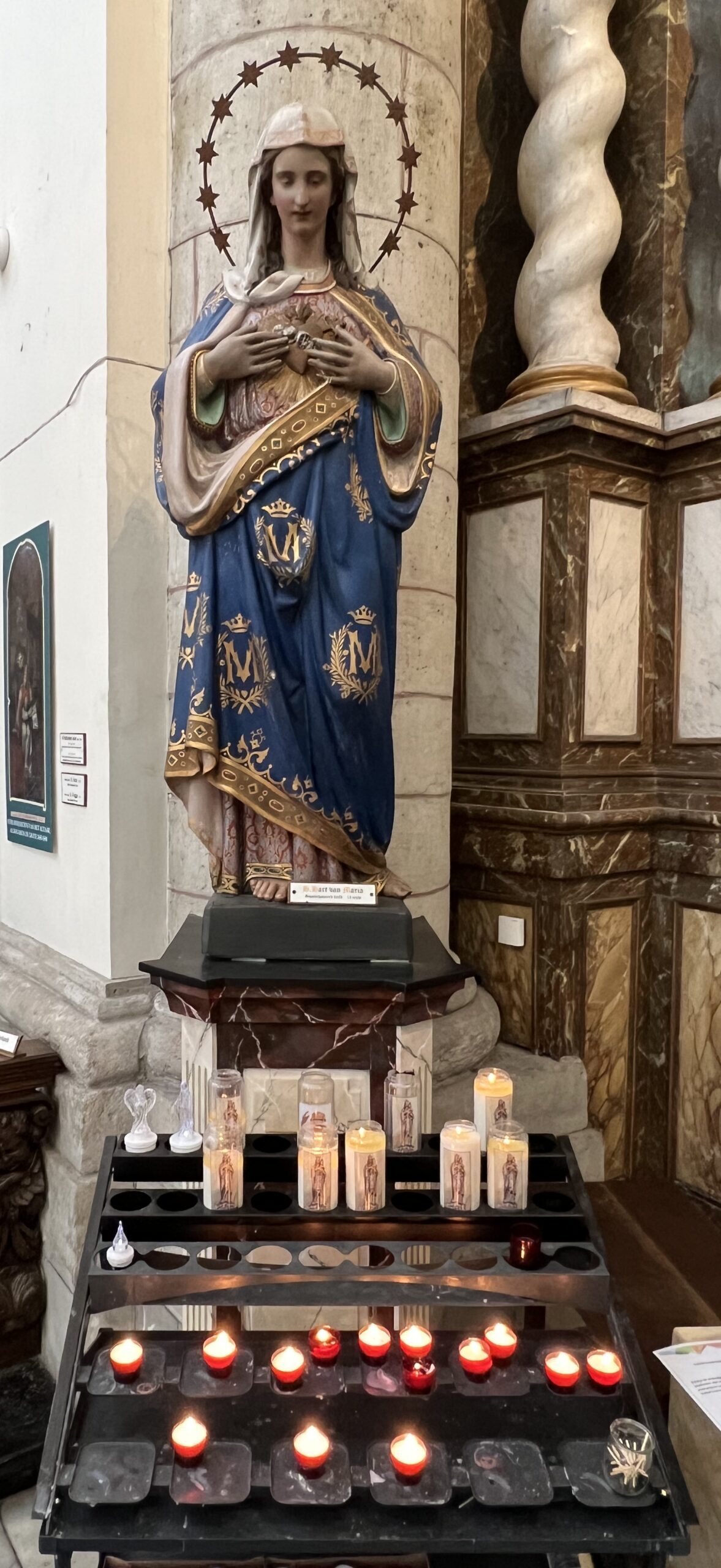
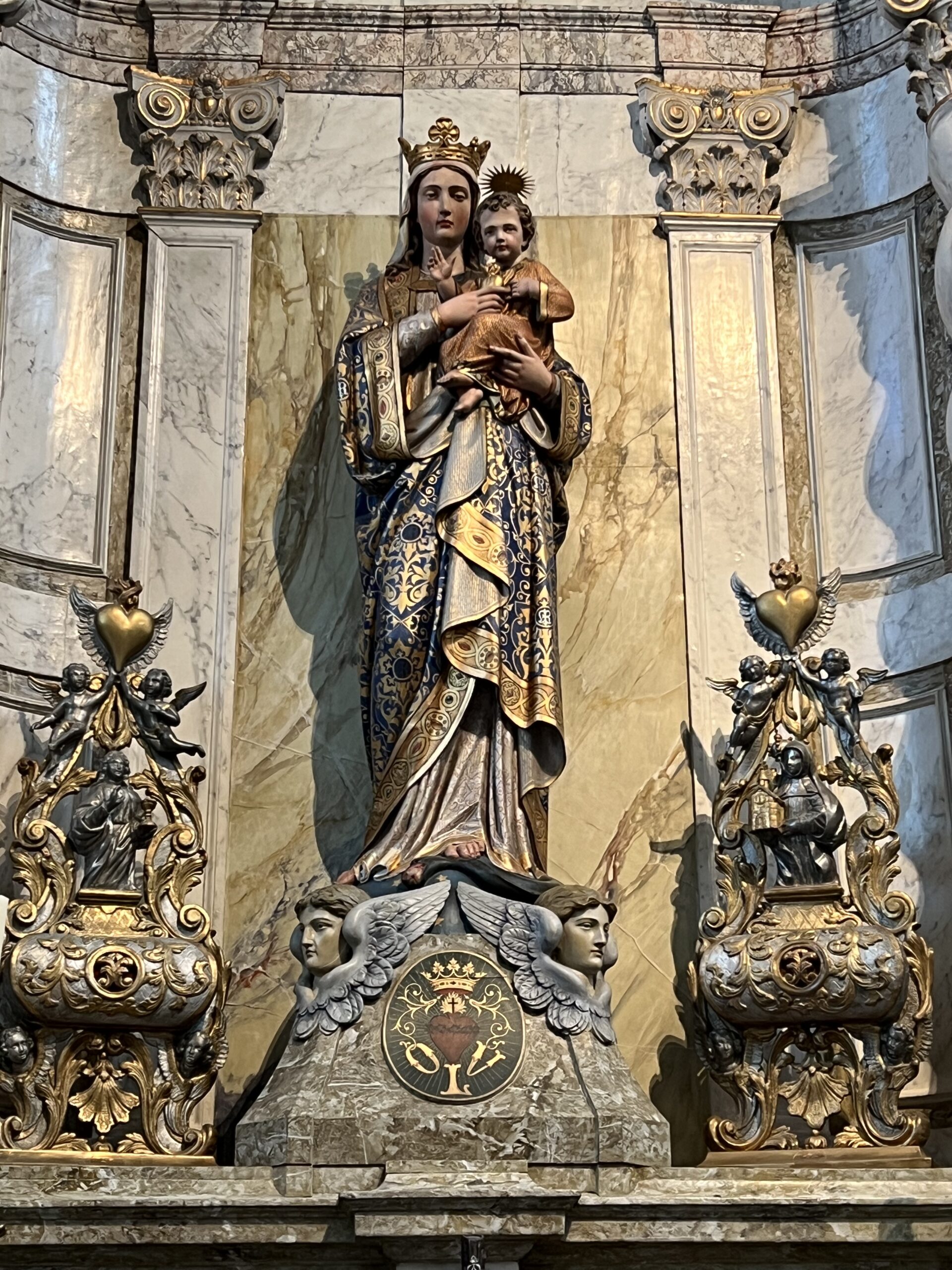
In a side altar stands a large effigy of Our Lady with Child from 1877. It was made by Albrecht François Lieven De Vriendt (1843-1900).
The last Beguine left the convent in 1972. In 1992, it was decided to restore the beguinage, and since 1997 the complex has been inhabited again. Since 1998, the church has been on the UNESCO World Heritage list.
Address: Begijnhof 9, 2320 Hoogstraten.

 Nederlands
  English (UK)
  Deutsch
  Français