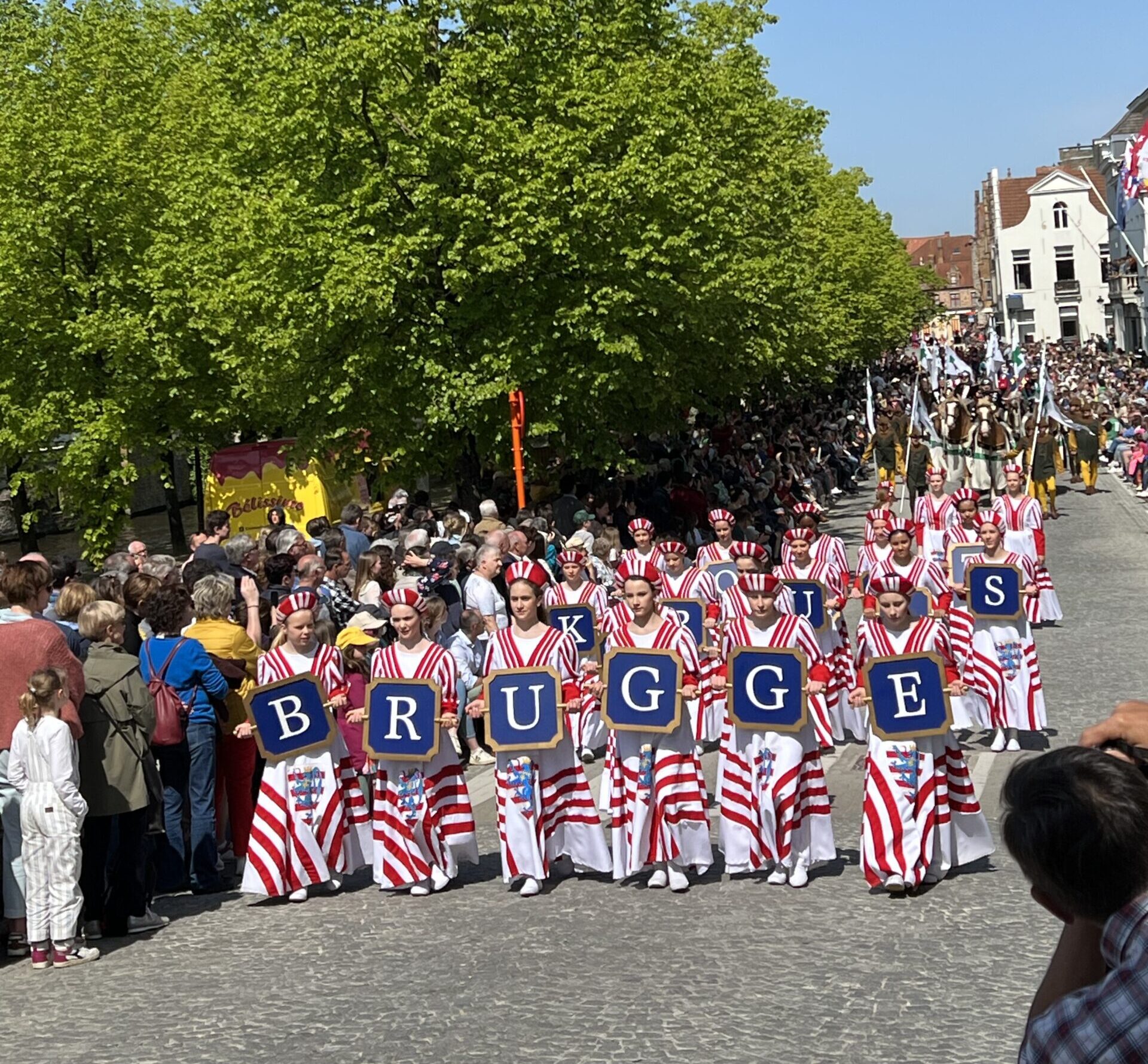
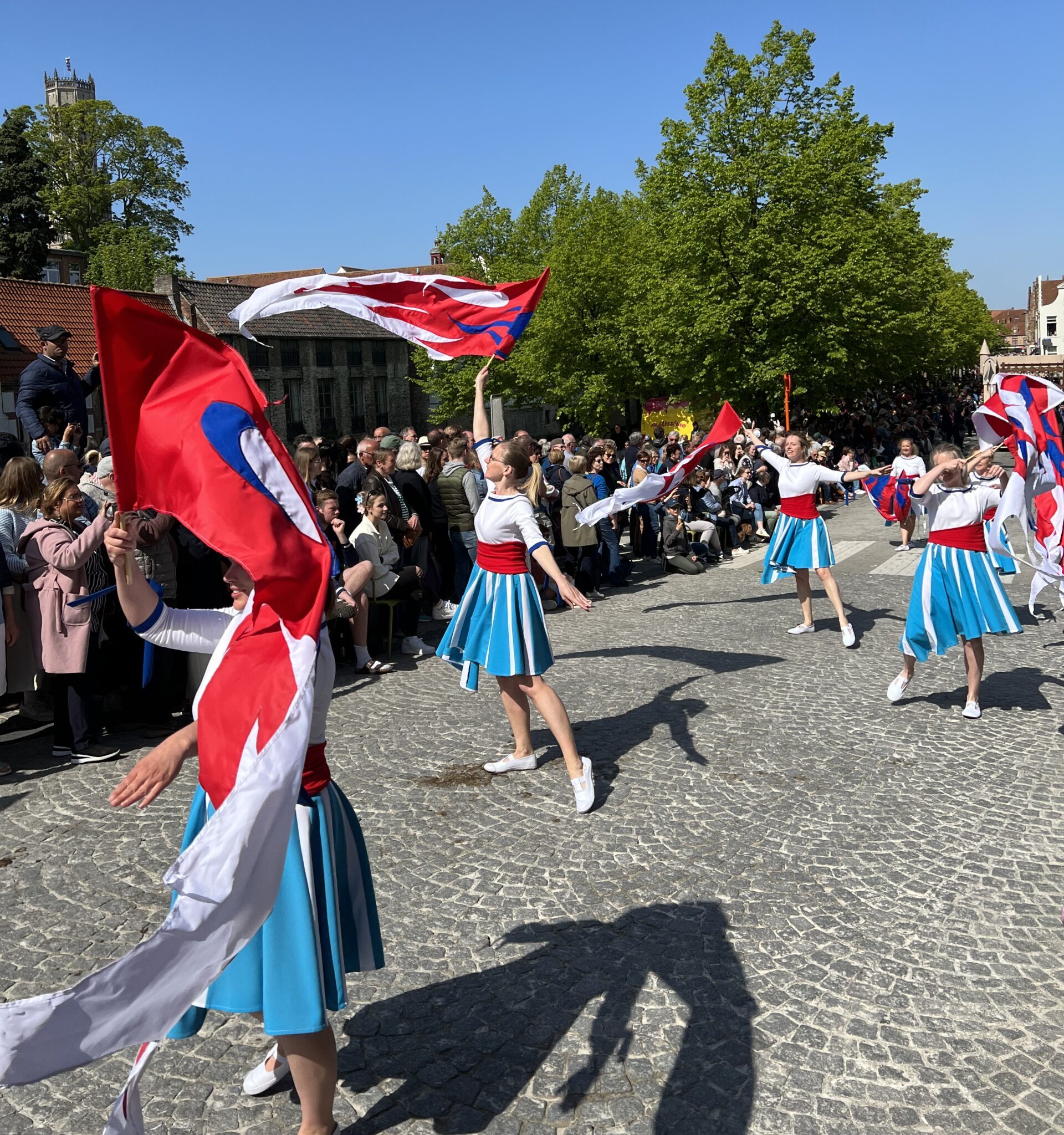
On Ascension Day, 40 days after Easter, the Holy Blood Procession makes its way through the historic city centre of Bruges. This is an age-old tradition that originated in the year 1304.
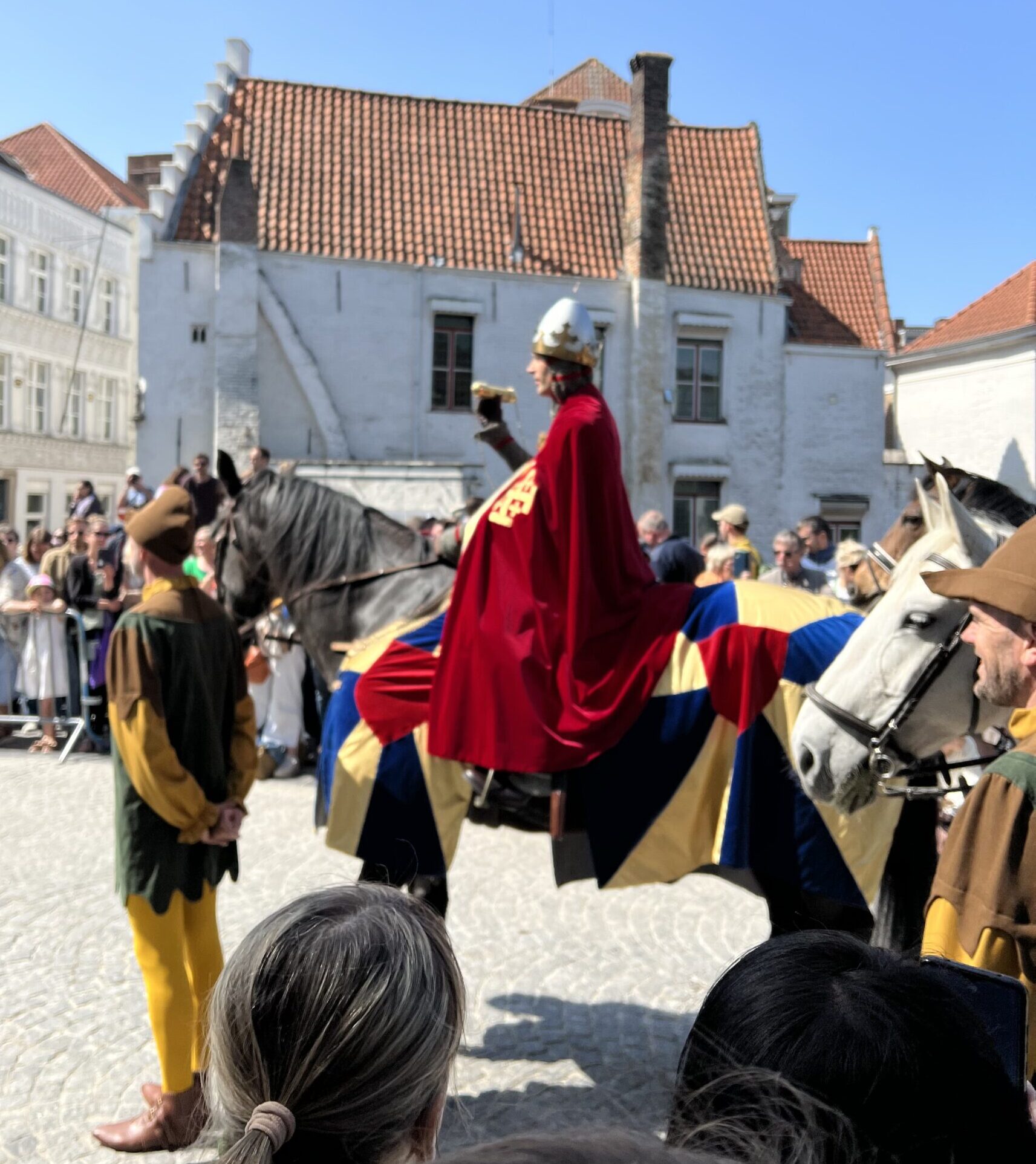
A legend tells... In 1150, Thierry of Alsace (c.1100-1168), Count of Flanders (1128-1168), returns to Bruges with the relic of the Holy Blood from the Holy Land after the Second Crusade (1147-1149).
Biblical stories form the basis of the annual procession with scenes from the Old and New Testaments. The latter part of the procession depicts the relic of the Holy Blood being brought to Bruges, followed by the highlight with the Noble Confraternity of the Holy Blood, carrying the shrine that houses the relic of the Holy Blood. The relic is kept and venerated on the other days of the year in the Basilica of the Holy Blood on the Burg in Bruges.
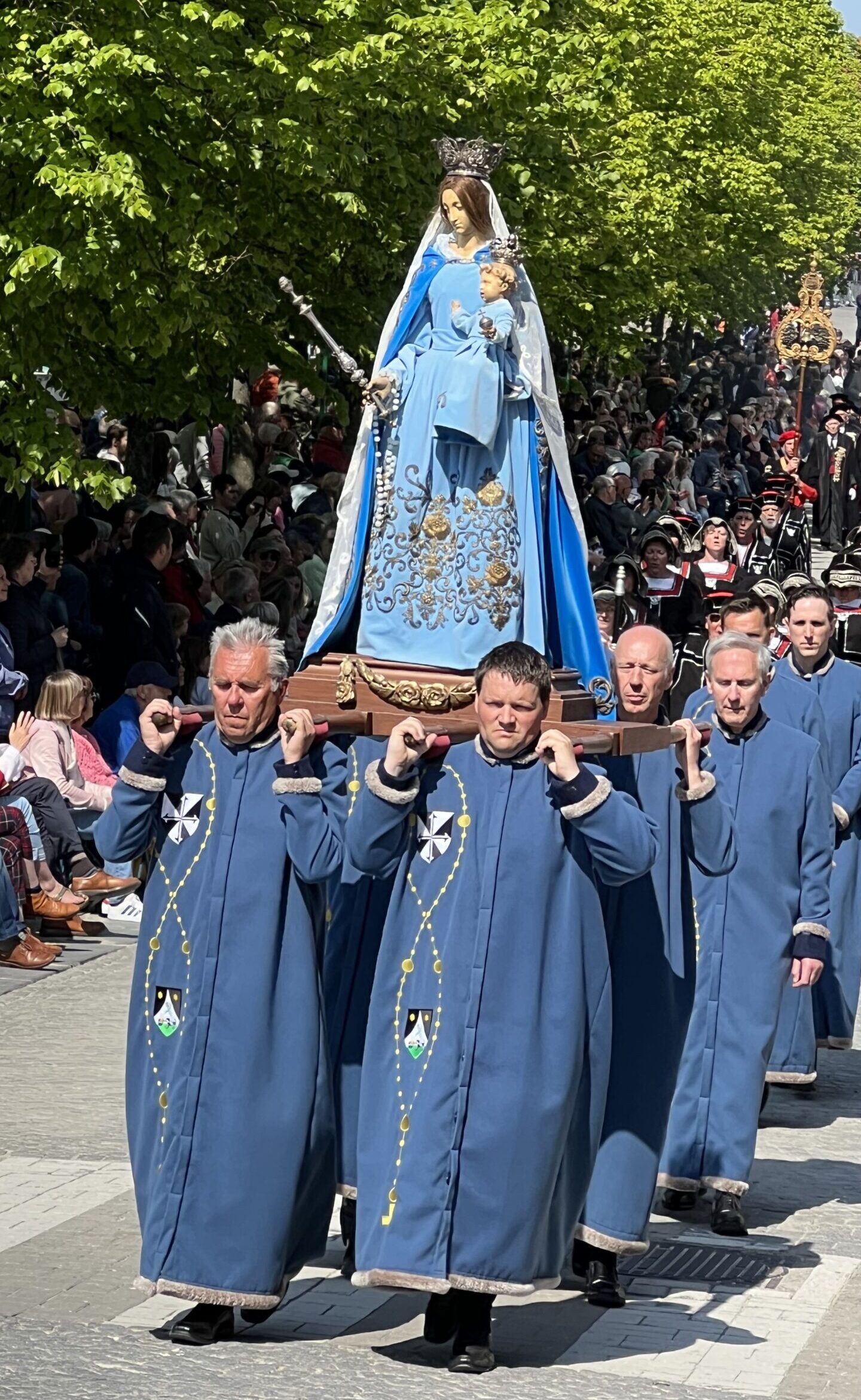
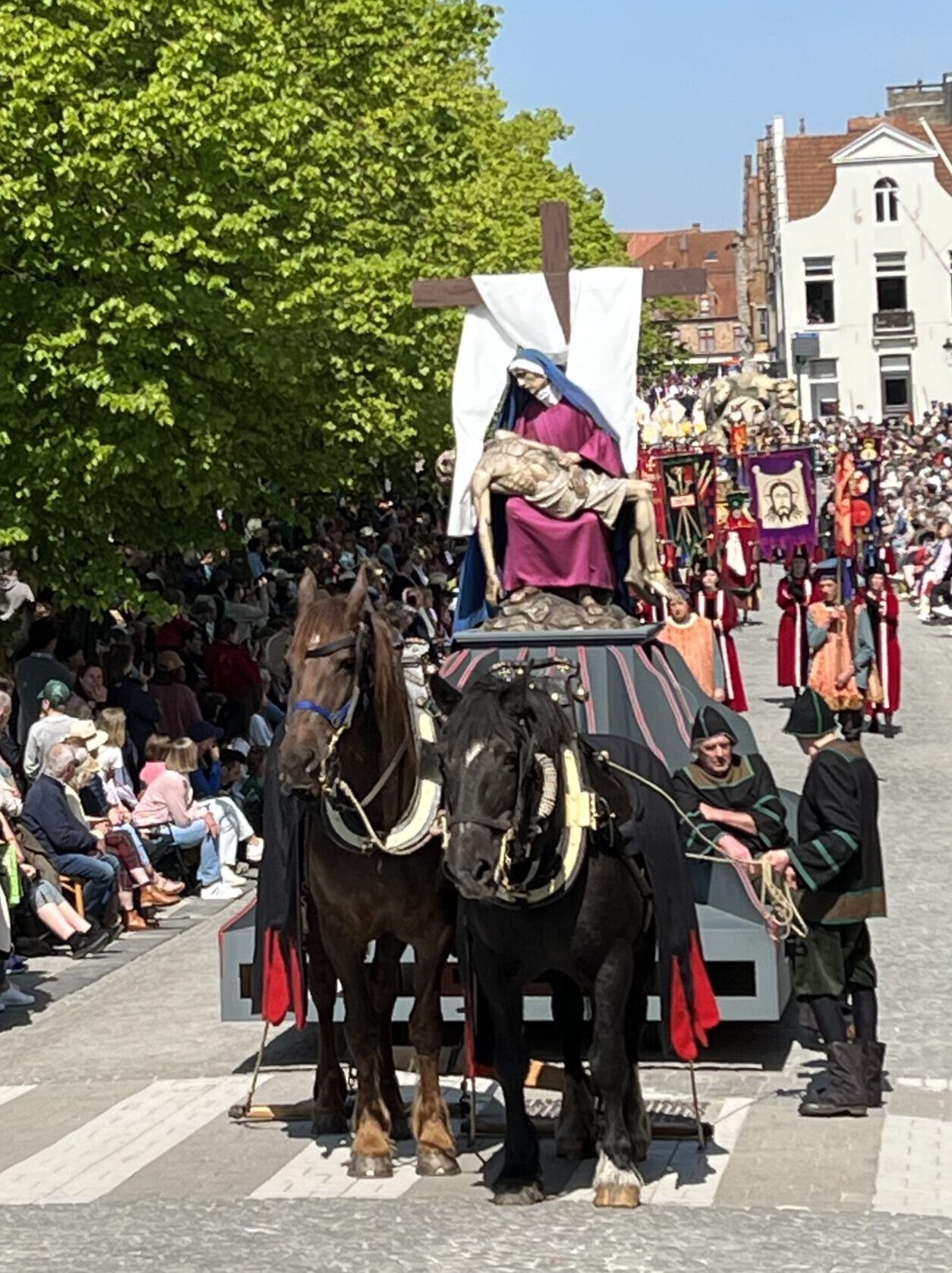
The style of the procession is reminiscent of the Burgundian period, during which craftsmen, confraternities, guilds, and rhetoric chambers were responsible for the staging of the scenes. The procession comprises over 1,500 participants, many of whom declaim, dance, make music, or sing. Many floats and animals, such as horses, sheep, and camels, participate in the procession and pass by the onlookers in over 1.5 hours.
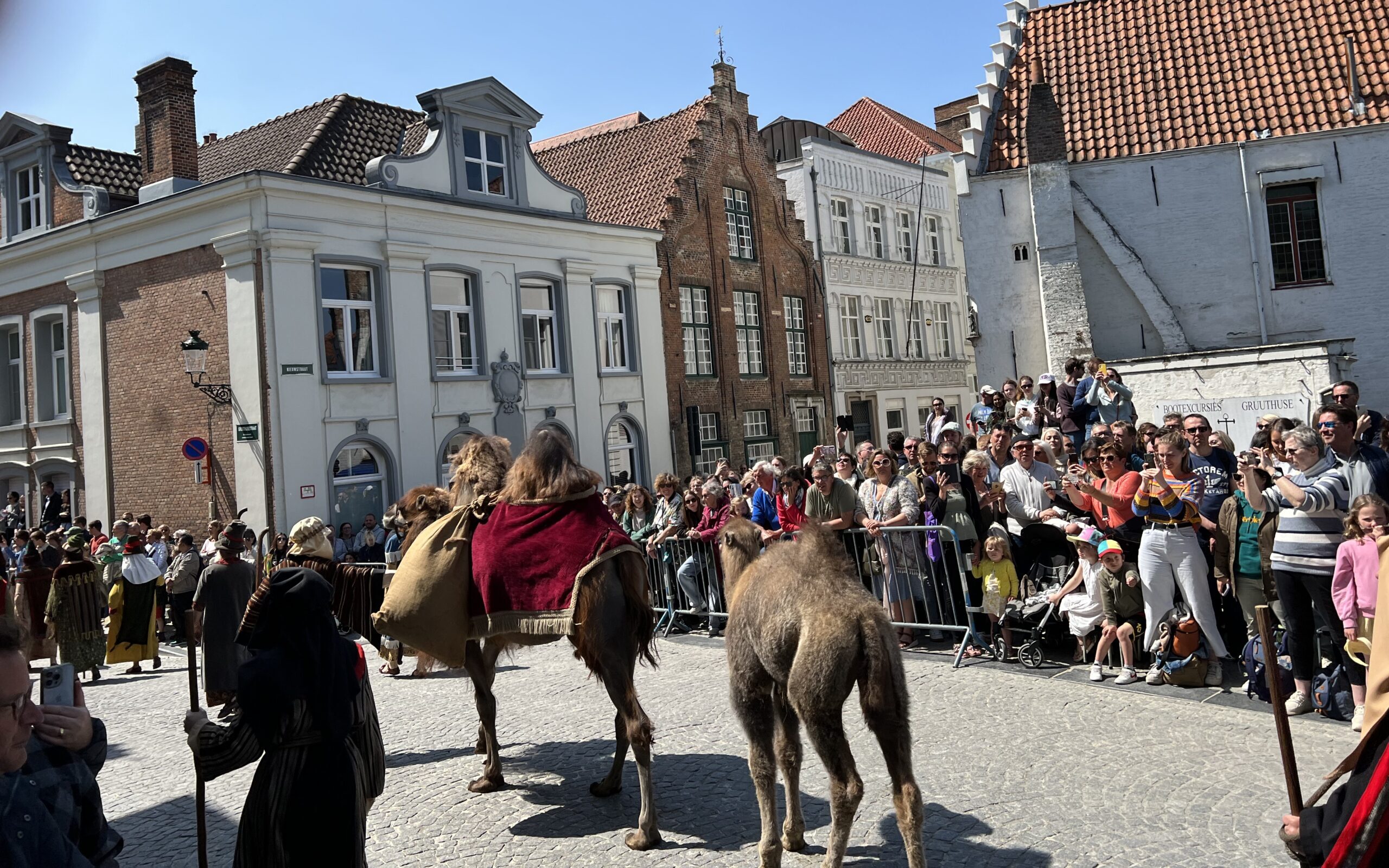
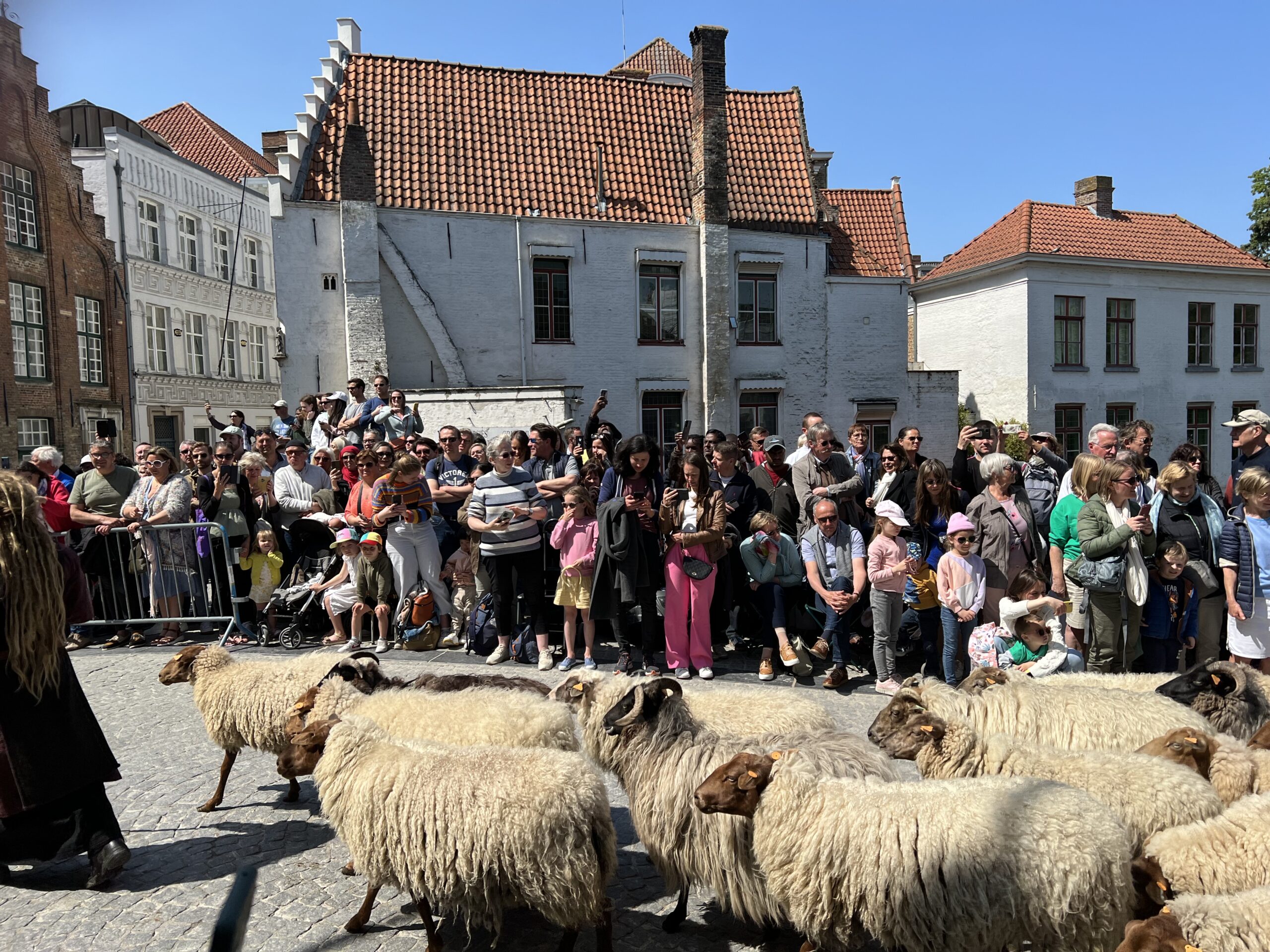
The day of the procession offers a four-part programme, namely morning procession, Eucharist celebration, Holy Blood procession, and blessing with the relic of the Holy Blood.
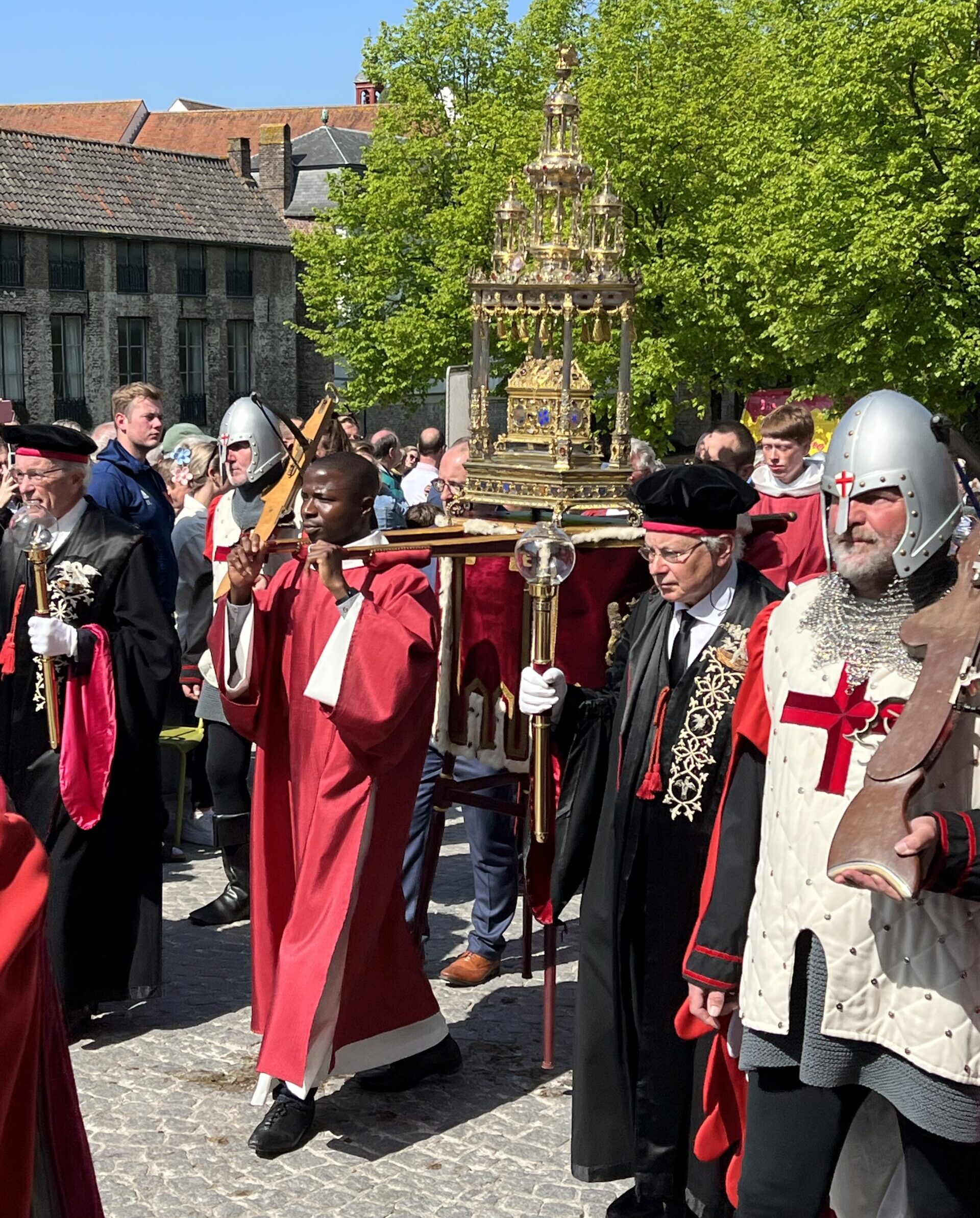
The Holy Blood Procession is on the UNESCO List of Intangible Cultural Heritage of Humanity.

 Nederlands
  English (UK)
  Deutsch
  Français