History
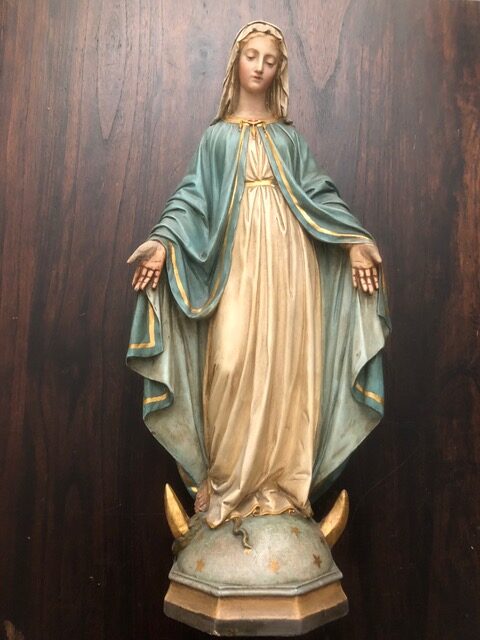
The history of the Maria Waldrast Sanctuary begins in 1392. A statue of Mary is attached to the trunk of a larch tree. An angel, sent by Mary, tells the statue's bearer that fruits of Mary will come if people go on pilgrimage here. In 1407, on the day before Easter, two shepherds discover the statue while taking a rest. These stories prompt the curious to investigate the statue. They find it and bring the likeness to the church in Matrei am Brenner. The statue remains in this church until 1429.
In 1407, a woodcutter hears a voice that tasks him with building a chapel. He takes no action, but a few days later, the same voice reminds him of the instruction to build a church on the spot where he rested a while. The following night, he hears the ringing of bells. A woman appears to him. She is dressed in a white robe with a child in her arms. He hears from the woman that he must ask all the people in the vicinity to help him build a church. The man decides to publicise what has happened to him. First, he goes to the prince-bishop in Brixen to tell him everything. In 1409, Prince-Bishop Ulrich II of Brixen, bishop in the period 1396-1417, gives permission to build a small church. After much effort, the small church is completed in 1429, and the statue of Mary moves from the church in Matrei am Brenner to the new house of worship. From this event, the place of the small church is named Maria Waldrast. In the following years, miracles occur, including two blind people regaining their sight by visiting the small church. In 1465, the consecration of the small church takes place by Burkhard von Weissbruch (c. 1420-1466), Archbishop of Salzburg (1461-1466).
During a peasant revolt in 1525, the sanctuary is plundered and destroyed, but a plan is soon made to rebuild the church and monastery on a small scale.
In 1621, Leopold V of Habsburg (1586-1632) laid the foundation stone for a large monastery near the church. He was, among other things, Bishop of Passau (1598-1626) and Archduke of Further Austria (1626-1632). The pilgrimage organisation and the shrine were entrusted to the Servites, these friars being servants of Our Lady. The pilgrimage church was also rebuilt in the Baroque style. Between 1724 and 1738, the church and monastery were enlarged. In 1773, a new organ was installed, made by Ignaz Wörle (1710-1778).
In 1785, Joseph II (1741-1790), Holy Roman Emperor (1765-1790), used his authority to close almost all the monasteries in the country. The end also came for Maria Waldrast, and the Servites had to leave the sanctuary. The statue of Mary was taken from the church in time and went to the parish church in Mieders. Later that year, all the possessions of the monastery were sold publicly. What remained was a terrible image of the destruction of the sanctuary. In 1844, the Servites were allowed to return to the destroyed monastery. In 1846, they were back in Maria Waldrast and began rebuilding the church and monastery. Two side altars were returned by believers who had kept the valuables for 60 years and thus managed to save them from destruction. On 1 July 1846, the statue of Our Lady of Mieders returned to the Sanctuary of Maria Waldrast. In 1850, Georg Prünster (1774-1861), Bishop of Feldkirch (1836-1861), consecrated the pilgrimage church. However, it was not until 1888 that the church and monastery were rebuilt and the ruins cleared away.
In 1941, the National Socialists took possession of the sanctuary's buildings and inventory, and the pilgrimage church was closed. The statue of Mary was saved in time by two brave believers from Matrei am Brenner. During the Second World War, the statue remained hidden there for 4 years. On 12 June 1945, the pilgrimage church reopened, and the Servites returned to Maria Waldrast. On 10 October 1945, the statue of Mary was returned to Maria Waldrast, and on 11 November of that year, this was celebrated festively.
In 1958, sculptor Franz Roilo (1907-1977) created new reliefs on the ceiling of the pilgrimage church.
In the period 1985-2004, the entire sanctuary was renovated. In 2008, the church square was laid out. In 2019, the church floor needed replacing and a new service altar was placed in the chancel.
Pilgrimage site
The word “Waldrast” means rest in the forest. The monastery and church of Maria Waldrast are located at 1641 m above sea level. The word “Waldrast” means “to rest in the forest” and this resting happens in the sanctuary as visitors come here to be with Mary and to enjoy the view.
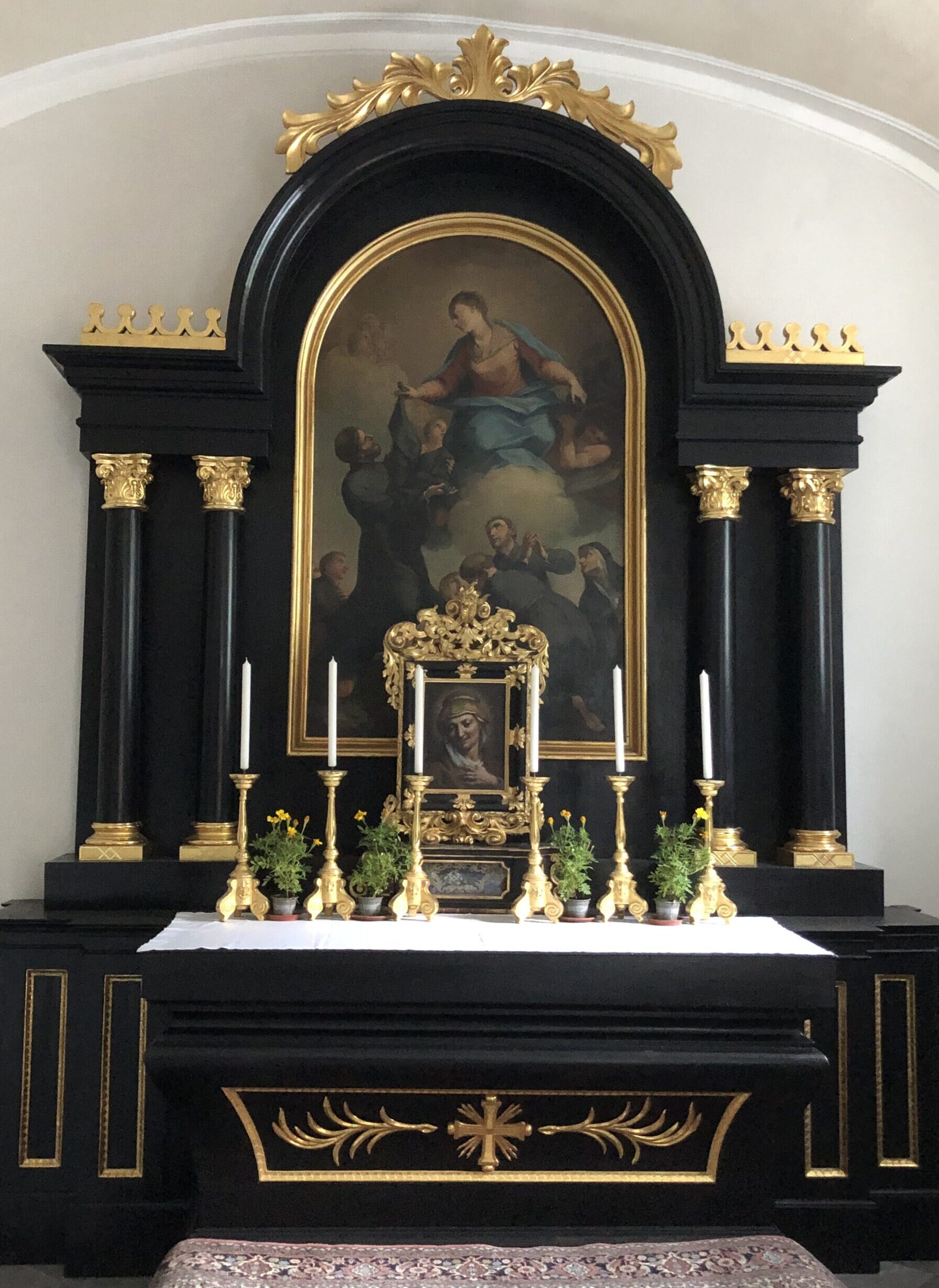
Thousands visit Maria Waldrast annually for pilgrimage. The pilgrims have ascended the mountain to greet and pray to Our Lady. The majority of visitors come from Austria, Germany, Italy, and Switzerland.
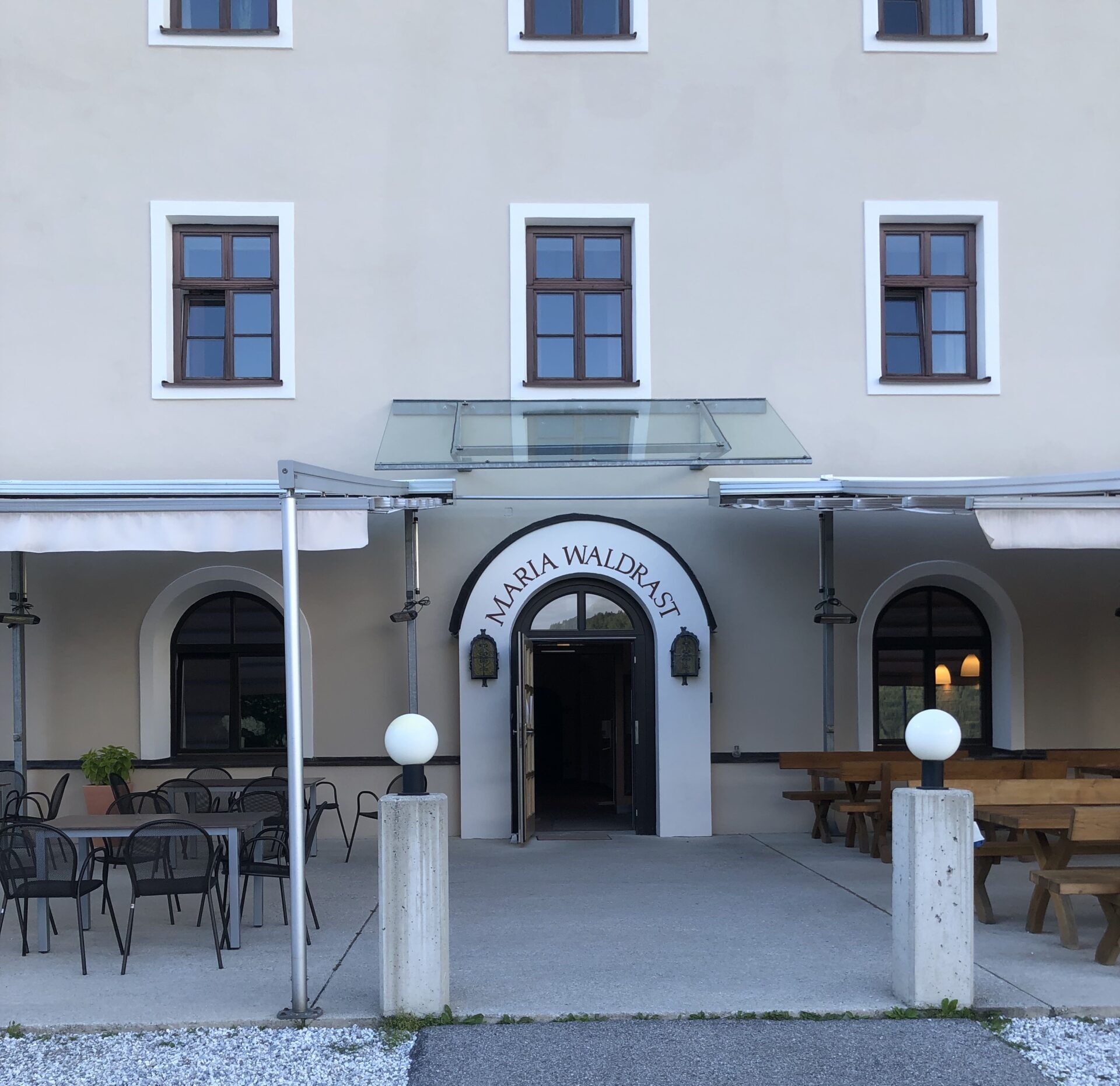
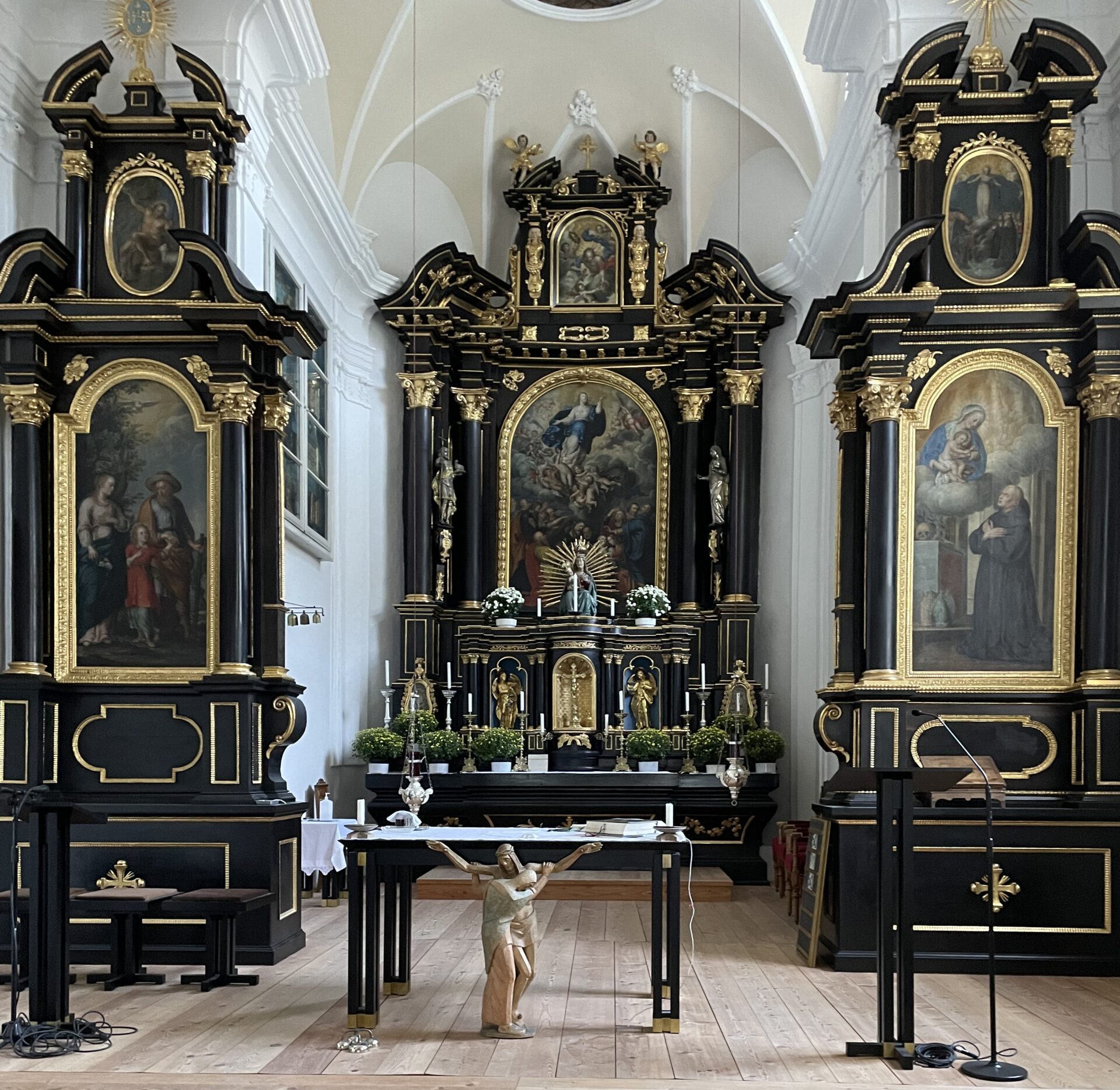
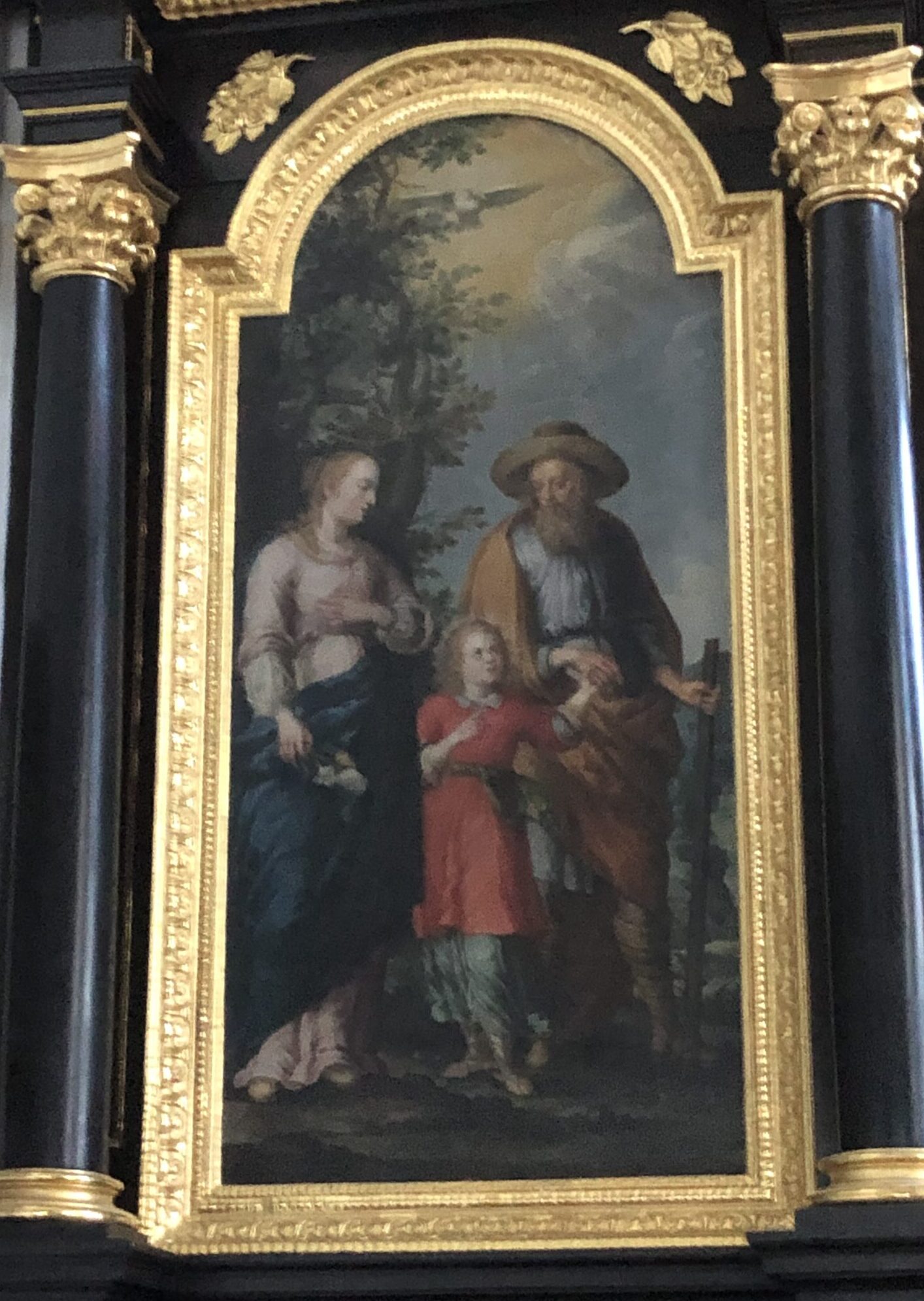
In the church, the main altar stands centrally, making the statue of grace clearly visible to all. The image is 66 cm high and carved from linden wood. Mary sits with the little Jesus on her lap, holding Him with her right hand. Both Mother and Child are crowned. The left side altar displays a painting of the Holy Family on a journey. The right side altar shows Our Lady with Child and Philippus Benitius (1233-1285), the chief founder of the Order of the Servites. In the church, there is also a painting of Mary and the seven holy founders of the Order of the Servites. In Maria Waldrast, numerous thanksgiving offerings bear witness to Our Lady for the help received.
In the sanctuary, there is also a monastic guesthouse for pilgrims.
High mountains are nearby and invite you to go for walks.
ACCESSIBILITY
The pilgrimage site is located barely 7 km from the motorway from Innsbruck to the Brenner Pass and not far from the towns of Matrei am Brenner and Mühlbachl.
The address of the Sanctuary of Maria Waldrast is:
Mützens 27, 6143 Mühlbachl.
Up-to-date information can be found at www.mariawaldrast.at.
Experience
In Maria Waldrast, I am in one of the oldest pilgrimage sites in Tyrol. This place of Marian apparitions thus has a long and eventful history. The sanctuary boasts an impressive environment with high mountains, including the Serles, which measures 2,747 metres.
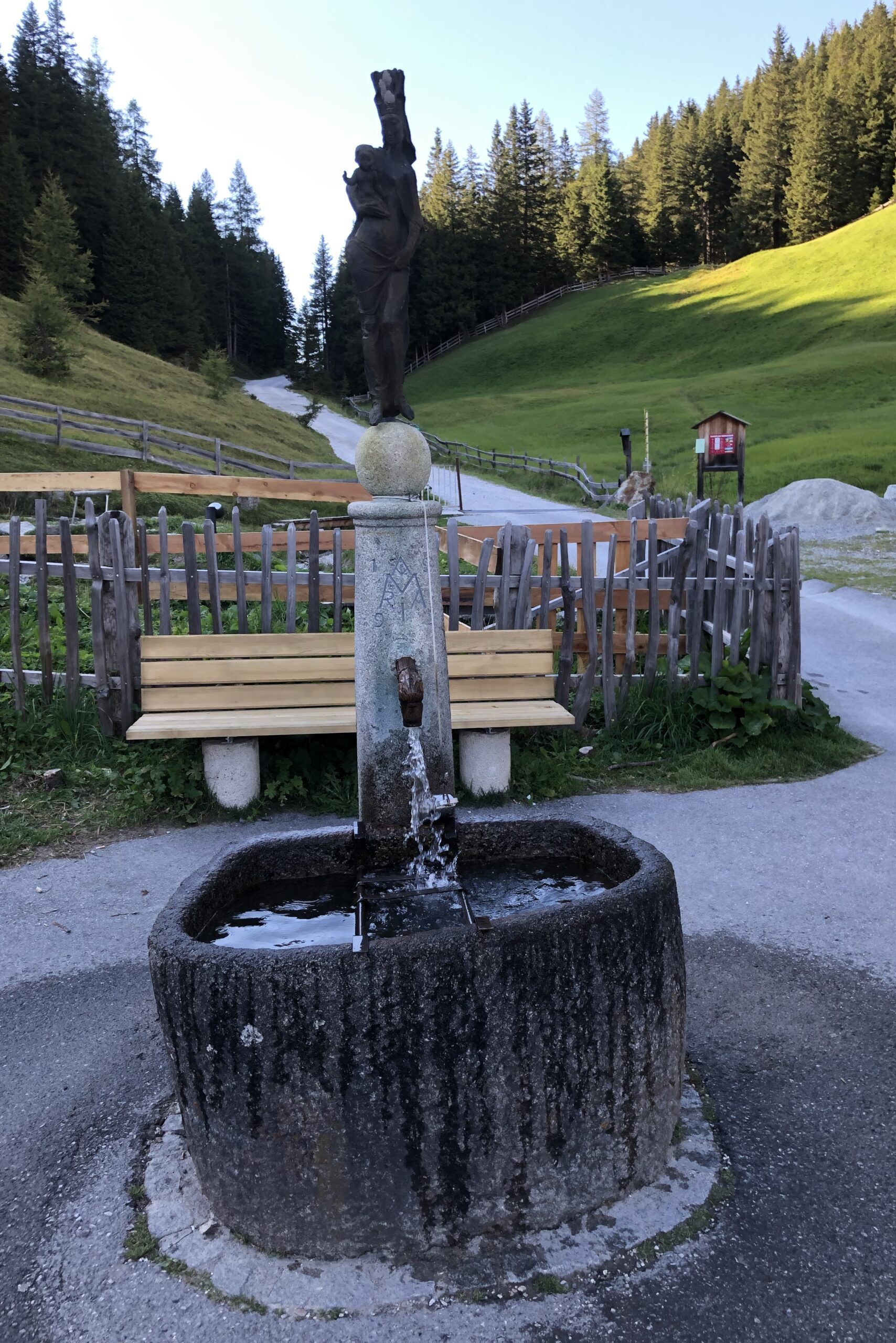
Near the church, there is a spring with healing water. This water is attributed with a special, powerful effect. By also adding Bach flower remedies, it works wonders for mental health.
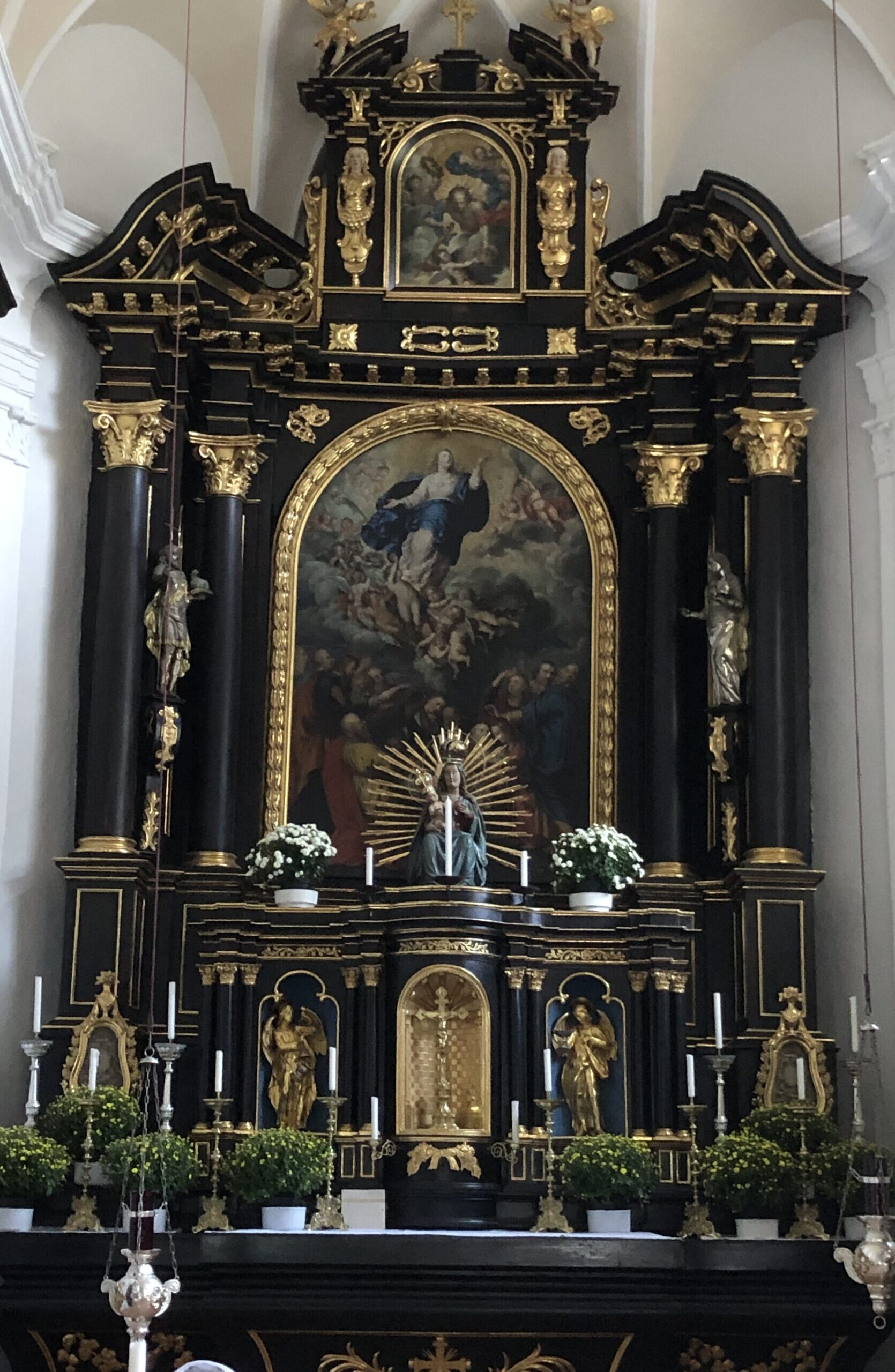
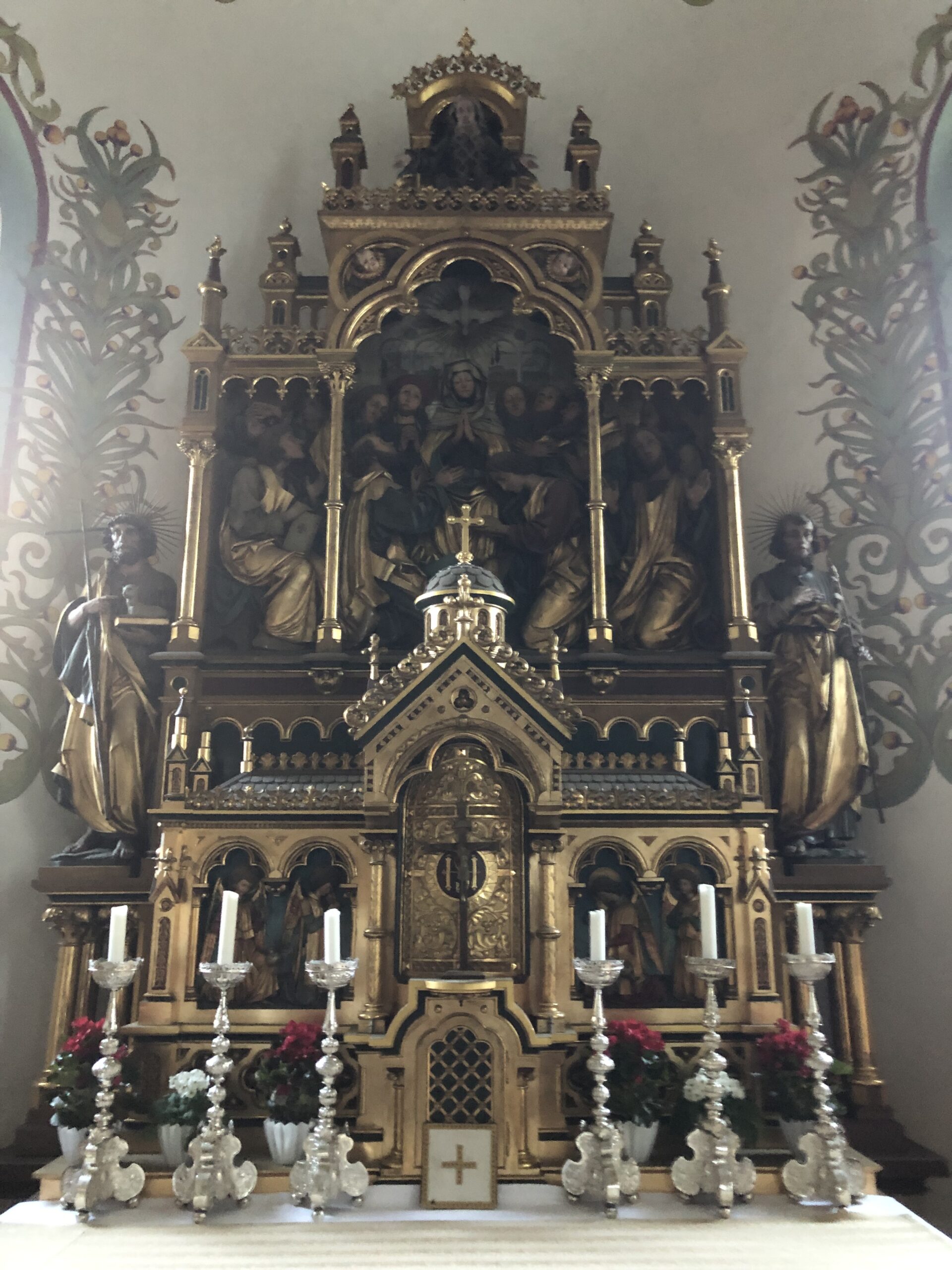
When I enter the church, the high altar immediately impresses me. The large painting moves me as I see the Assumption of Mary into heaven. Then the image of grace draws my attention and the moving history of the image comes to mind.
Stephan Föger's Baroque Pietà from 1760 (1726-1770) is a true work of art. It stands by the side altar and close to the “Votive Chapel.” I look further into the church and am repeatedly amazed by the beauty in this high-altitude sanctuary. After my tour, I take a seat on a pew, at the back of the church, and pray to Mary. During my prayers, I think of good friends of mine; they are fighting to overcome illnesses and need strength for a long time.
It does me good to be in this place of strength and contemplation. It is significant that this began here as early as around 1400.
Environment
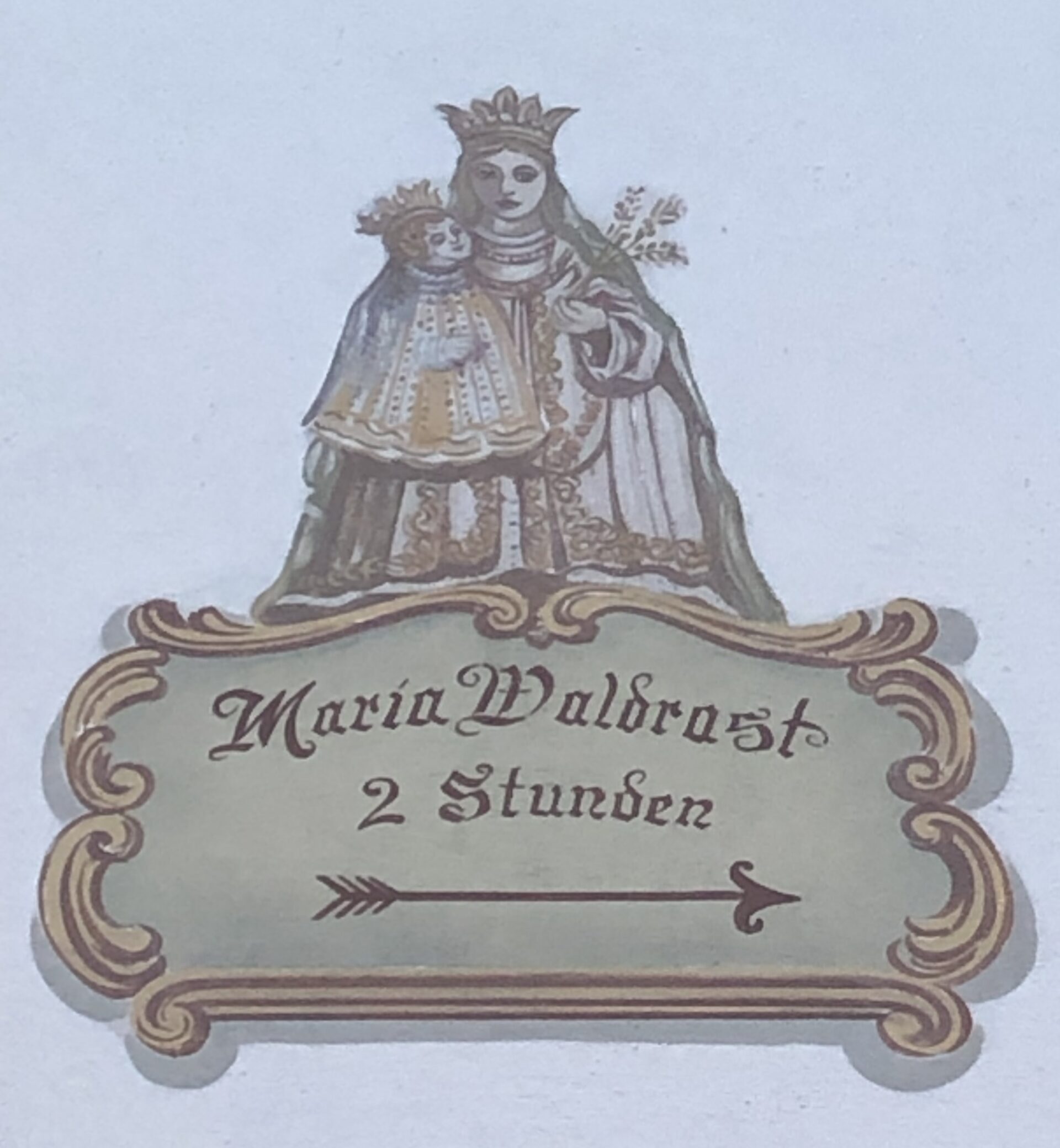
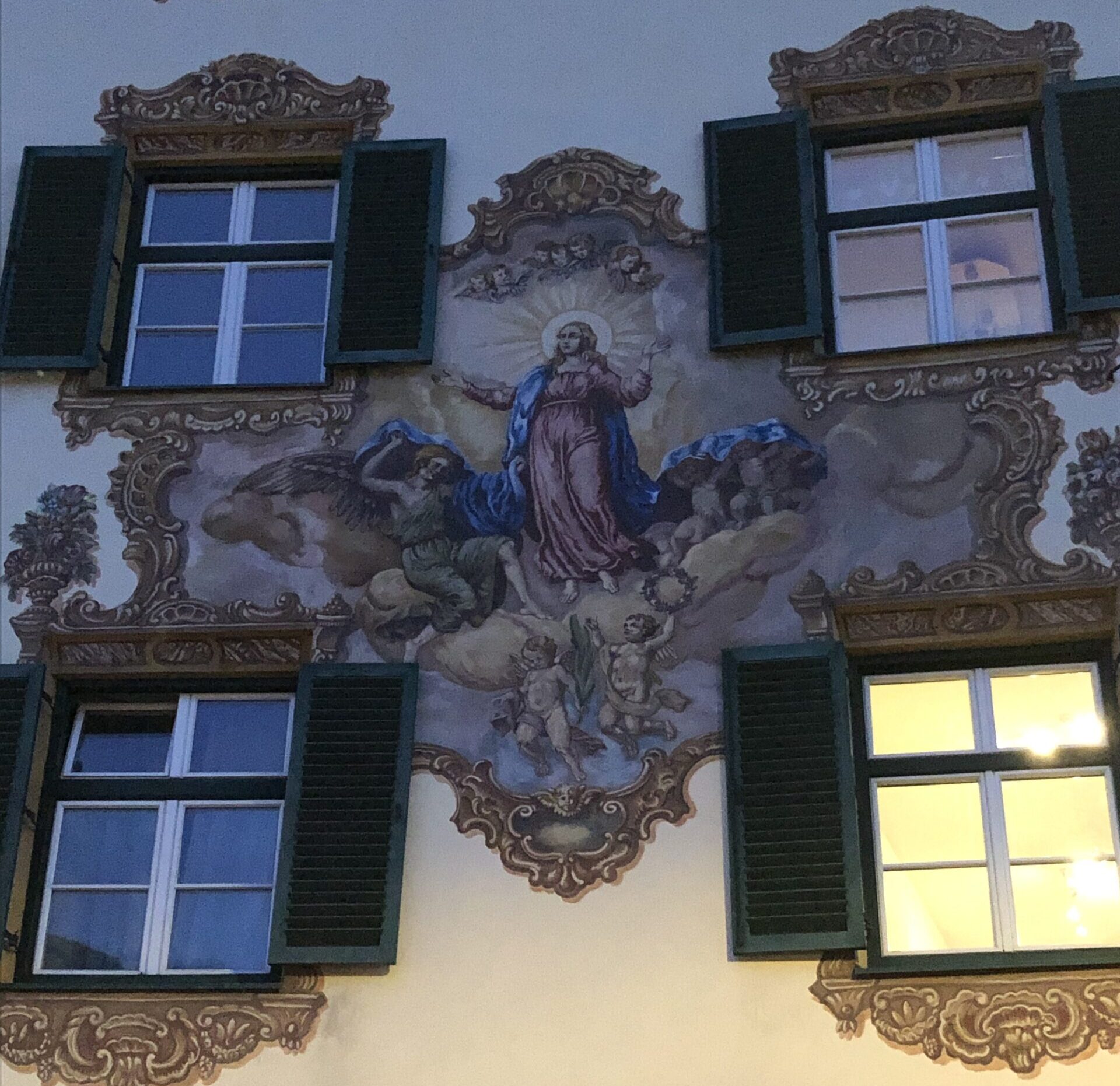
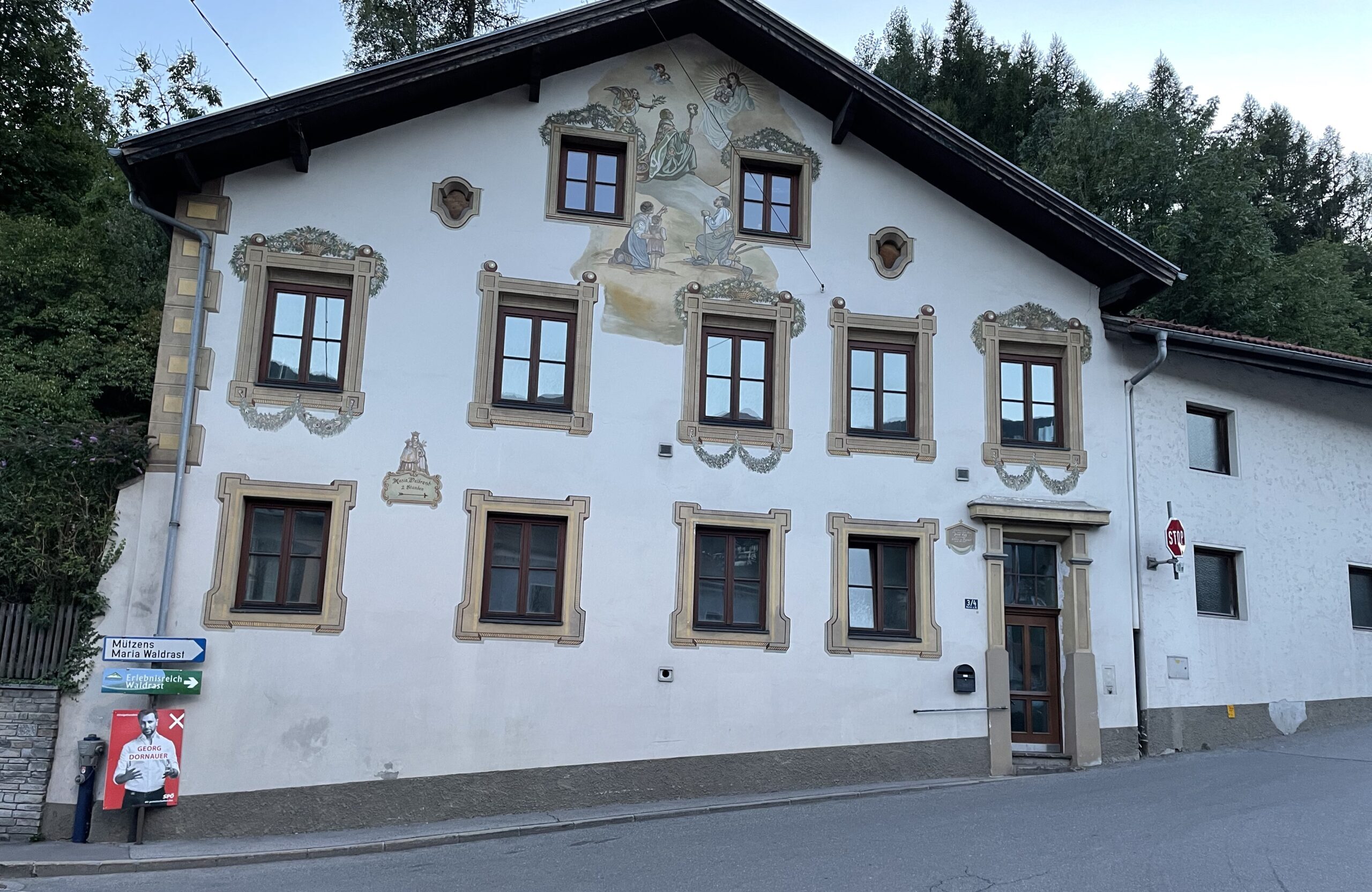
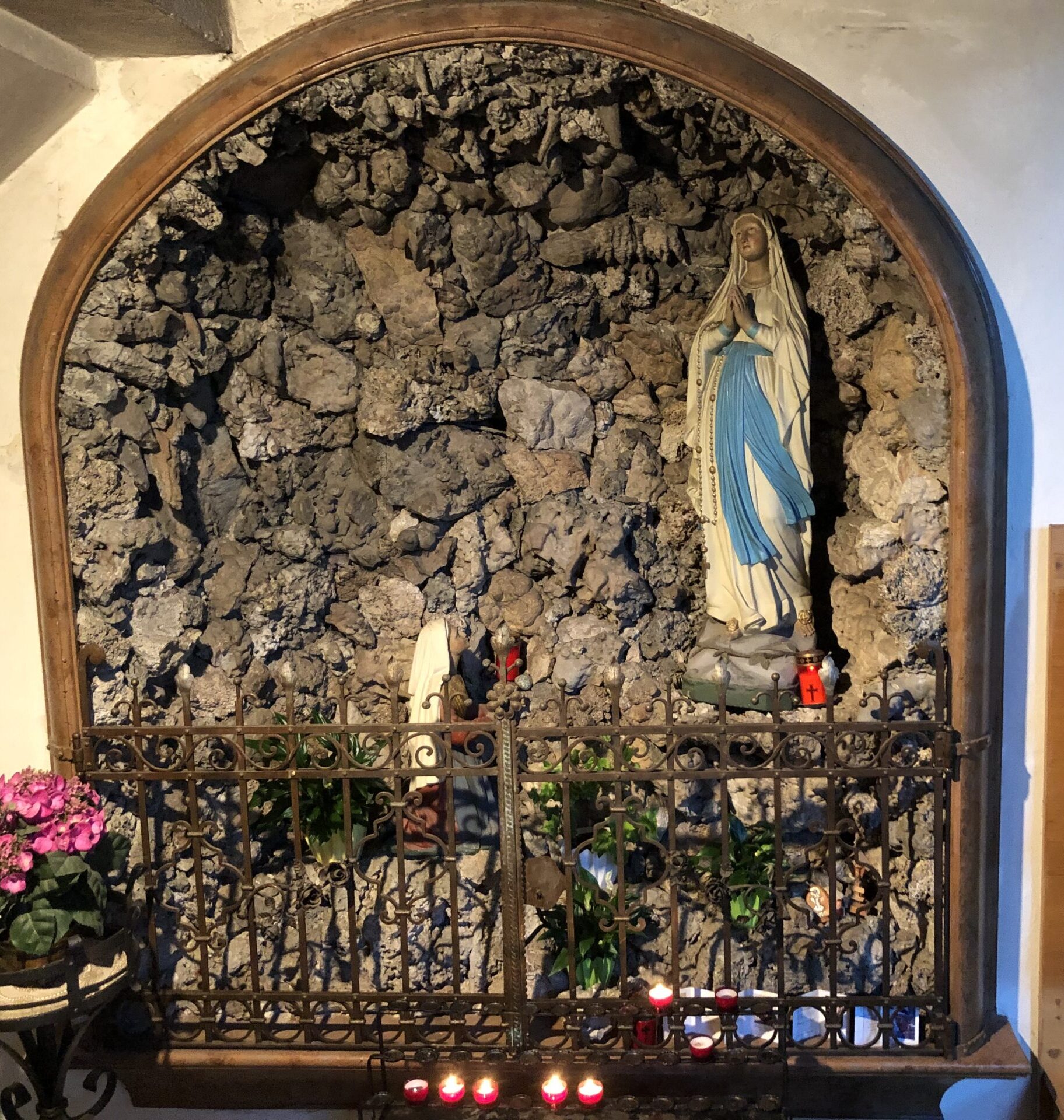
Near Maria Waldrast lies the village of Matrei am Brenner, about 20 km south of Innsbruck. In Matrei am Brenner, numerous images of Mary can be seen on the facades of many buildings. Especially in the Brennerstrasse, many facades are painted with Our Lady. The parish church “Heilig Geist Kirche”, which is dedicated to the Assumption of Mary, is also well worth a visit. In this church, there are beautiful paintings and a Lourdes grotto to be seen.
Posted: 22 November 2022
Last modified: 4 March 2024
~~~

 Nederlands
  English (UK)
  Deutsch
  Français