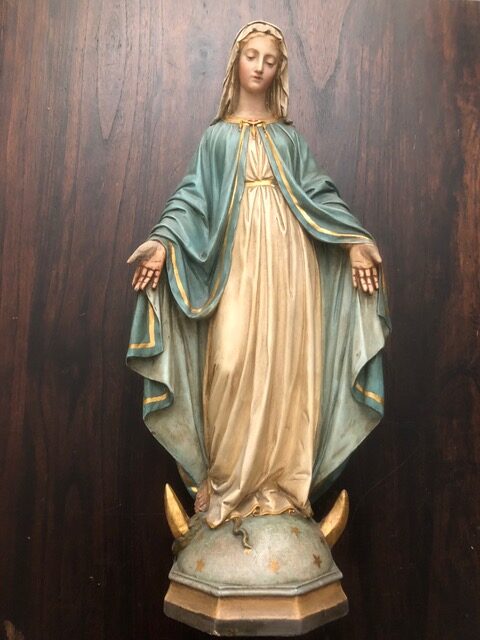
Kerse flare
History
The origin of the pilgrimage site Kerselare dates back to 1441 with a small wooden statue of Our Lady of Sweet Love. This was enshrined in a niche in the outer wall of the home of Rogier van Brakele (+1452), the parish priest of Volkegem. In 1452, shortly after the priest's death, the statue of Mary was placed on a cherry tree standing on the Edelareberg. This was done on the initiative of Catharina van Brakele, a close relative of the priest.
In 1453, the small statue of Mary disappeared. This happened during the Ghent War (1452-1453). The statue was safely taken away in time, as the Ghent troops were stationed on the Keselberg, which was later named Kerselareberg and then Edelareberg.
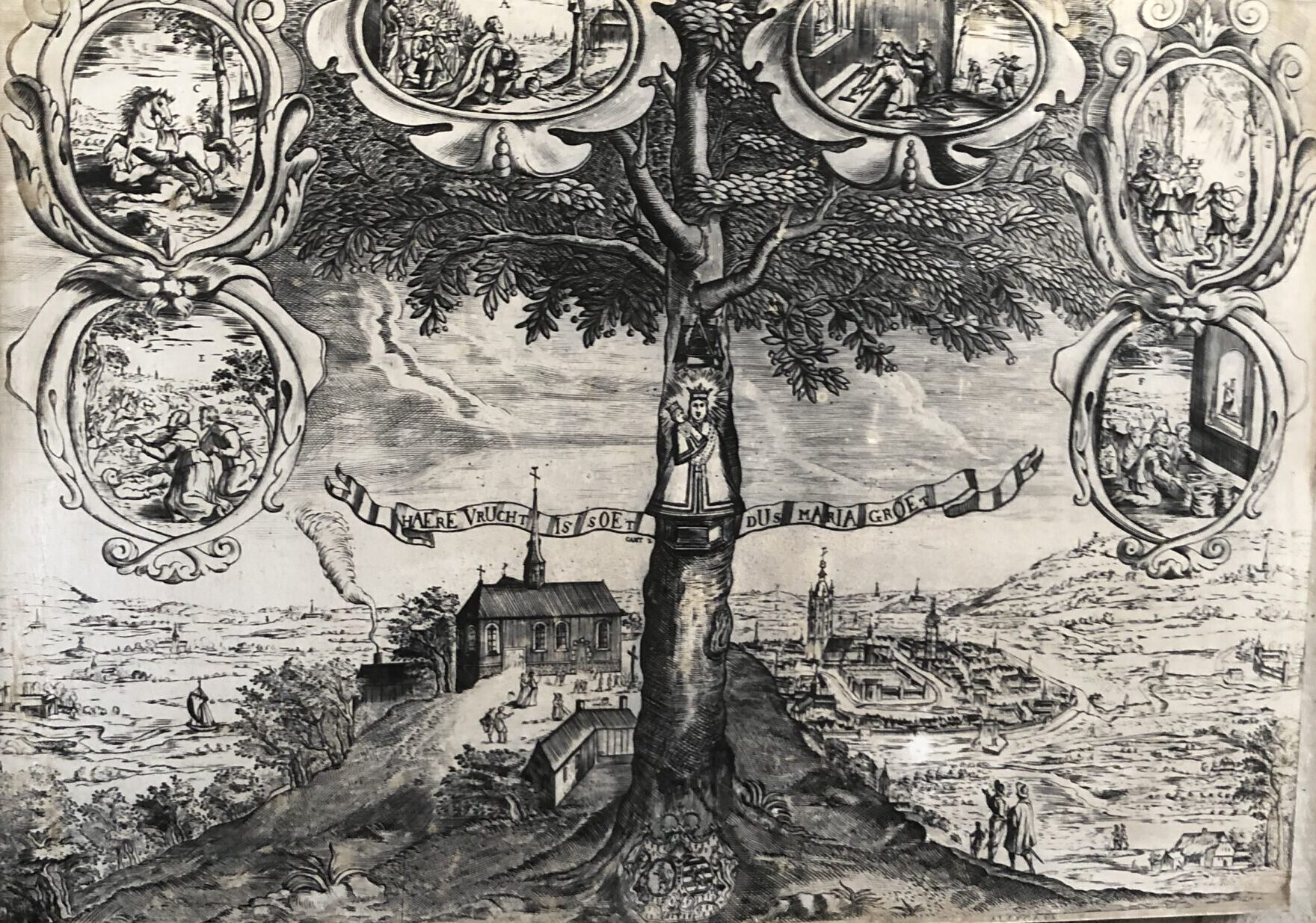
In 1455, the first wooden chapel was built on the Edelareberg. This little building was destroyed by fire in 1459. However, the small statue of Mary remained undamaged. As a result, special powers were attributed to the statue. It became enormously popular, and many came to see it to pray before it. Subsequently, a new chapel was built in honour of Mary. The chapel was consecrated on 3 May 1460.
The pilgrimage site experienced its greatest period of prosperity from the end of the 15th to the end of the 16th century. After Halle, Kerselare then became the most important Marian shrine in Flanders. In 1480, Mary of Burgundy (1457-1482), Countess of Flanders, visited the chapel. After her death, her former husband, Archduke Maximilian I of Austria (1459-1519), came here to pray in 1513. In 1525, Emperor Charles V (1500-1558) visited the chapel. He was King of Spain and Archbishop of Austria. In 1625, the Archduchess Isabella Clara Eugenia of Spain (1566-1633), Princess of Austria and Governor of the Southern Netherlands, made a pilgrimage here. She was accompanied by the Spanish Marquis, Nuncio, and Cardinal Alfonso de la Cueva (1572-1655).
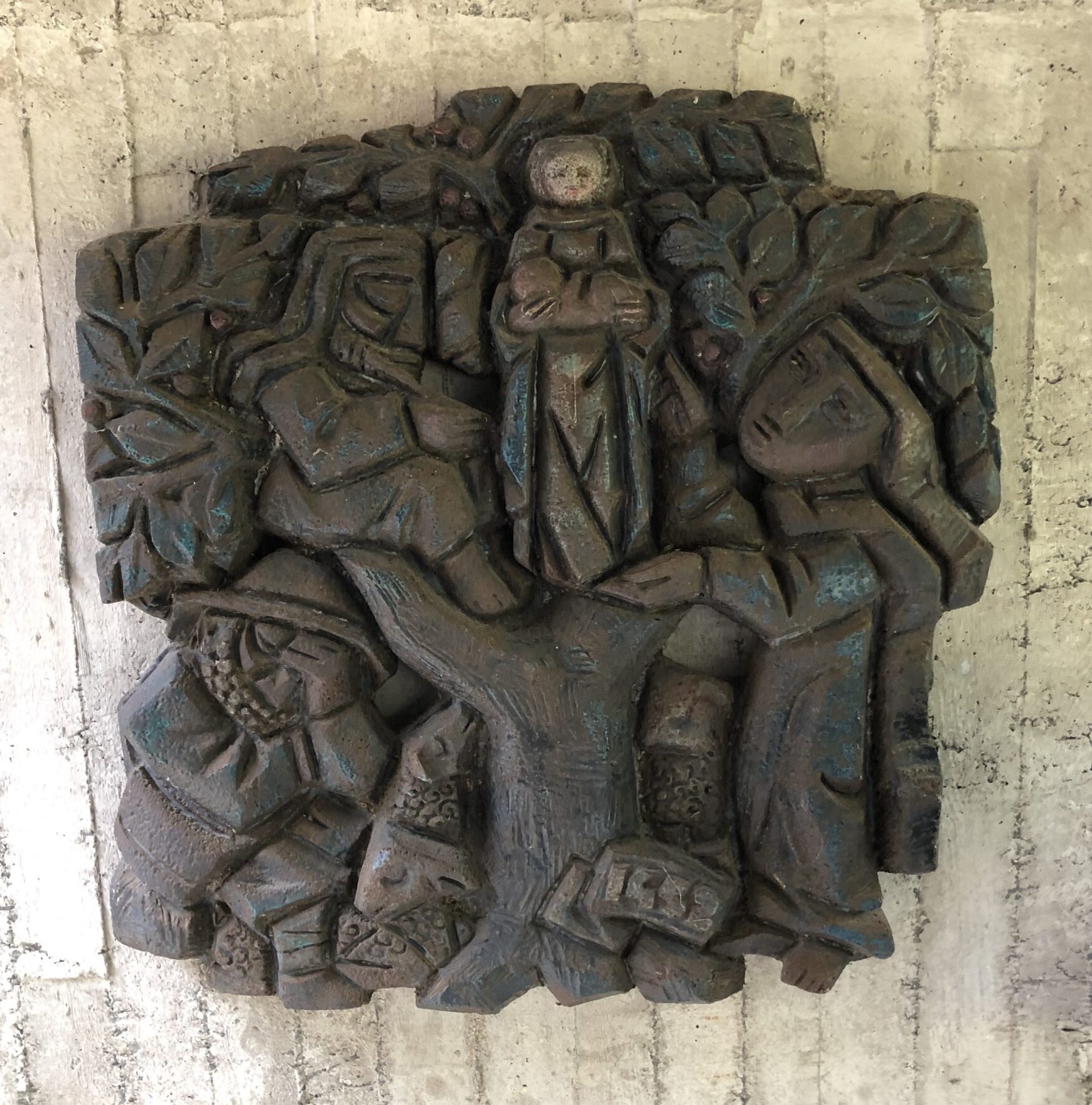
In 1554, the statue of Mary was polychromed and restored.
Miracles are attributed to Our Lady of Kerselare, such as in 1455, when a blind child suddenly regained sight, and a shepherd who stole a belt was struck blind. Upon returning the belt, his sight was restored. Many favours and miraculous events are recorded in a “Book of Miracles”. These wondrous events spread, leading to many visits to the statue.
In 1570, next to the existing chapel, a larger one was built on the Edelareberg. This was because the stream of pilgrims continued to grow.
In 1794 the chapel was destroyed by French soldiers. In 1831 the chapel became the property of the church commission of Our Lady of Pamele. In the early 19th century the chapel was completely looted, but the statuette was brought to safety in time.
On 11 September 1892, the statue of Our Lady of Kerselare was crowned by Antoon Stillemans (1832-1916), Bishop of Ghent (1890-1916).

In 1961, the chapel, which was built in 1570, burned down. The current chapel was built between 1963 and 1966. The architect was Juliaan Lampens (1926–2019), who developed his own architectural style, featuring large, block-like structures of rough reinforced concrete. The new chapel was reduced to basic architecture. Seating and stained-glass windows were added later.
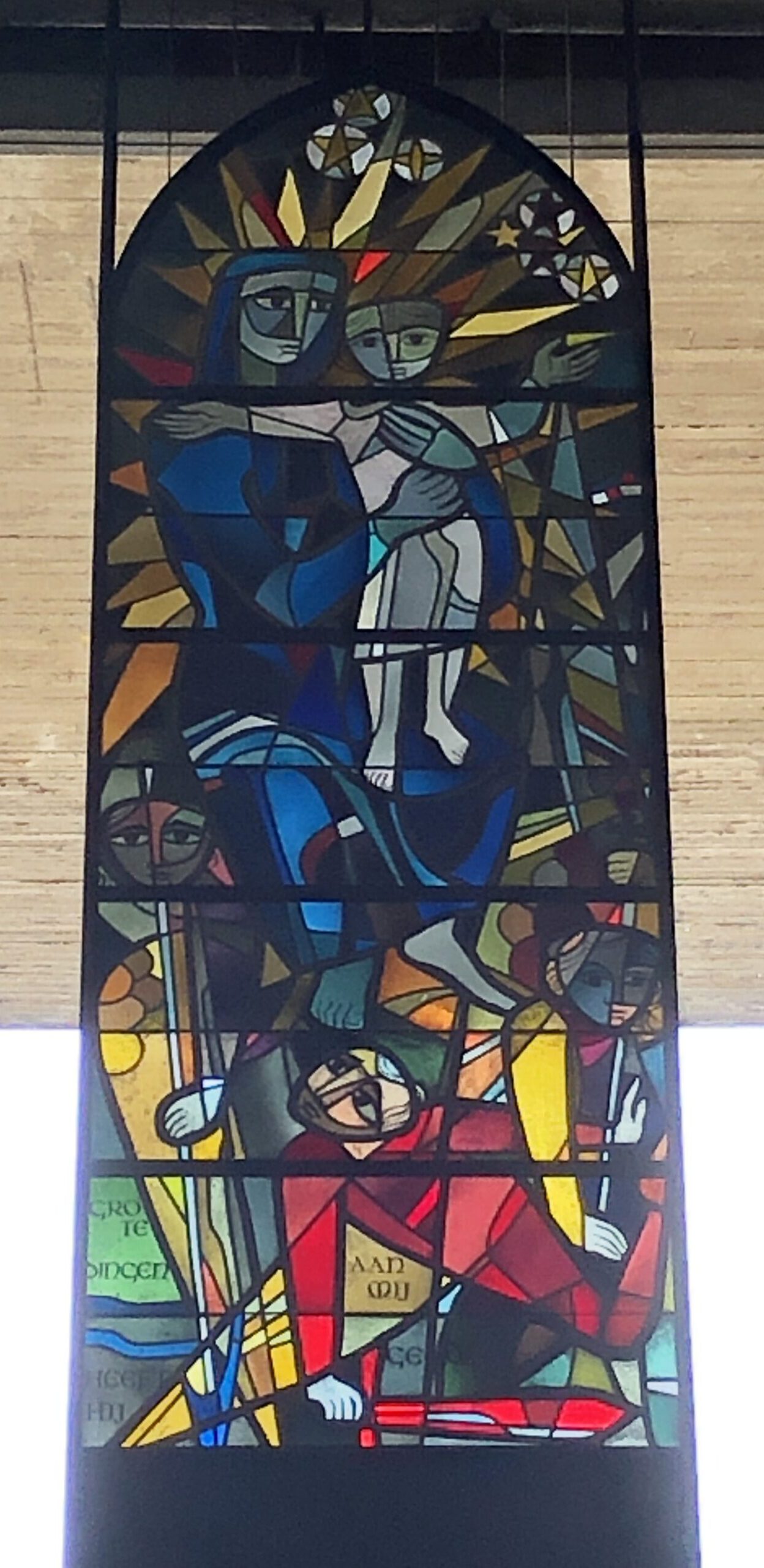
In 1991, the original statue of the Virgin Mary was restored.
Since 2009 the chapel has been a protected monument.
In 2012, concrete rot and deferred maintenance were identified in the chapel. This led to the building being braced to prevent collapse. In 2020, the supports were removed as the risk was deemed limited by the completion of some restoration works.
Pilgrimage site
The pilgrimage site is called Our Lady of Kerselare and is located in a small, quiet area on the Edelareberg. The chapel is made of rough, reinforced concrete and glass. The walls are bare and unpainted. Sobriety is strongly present here.
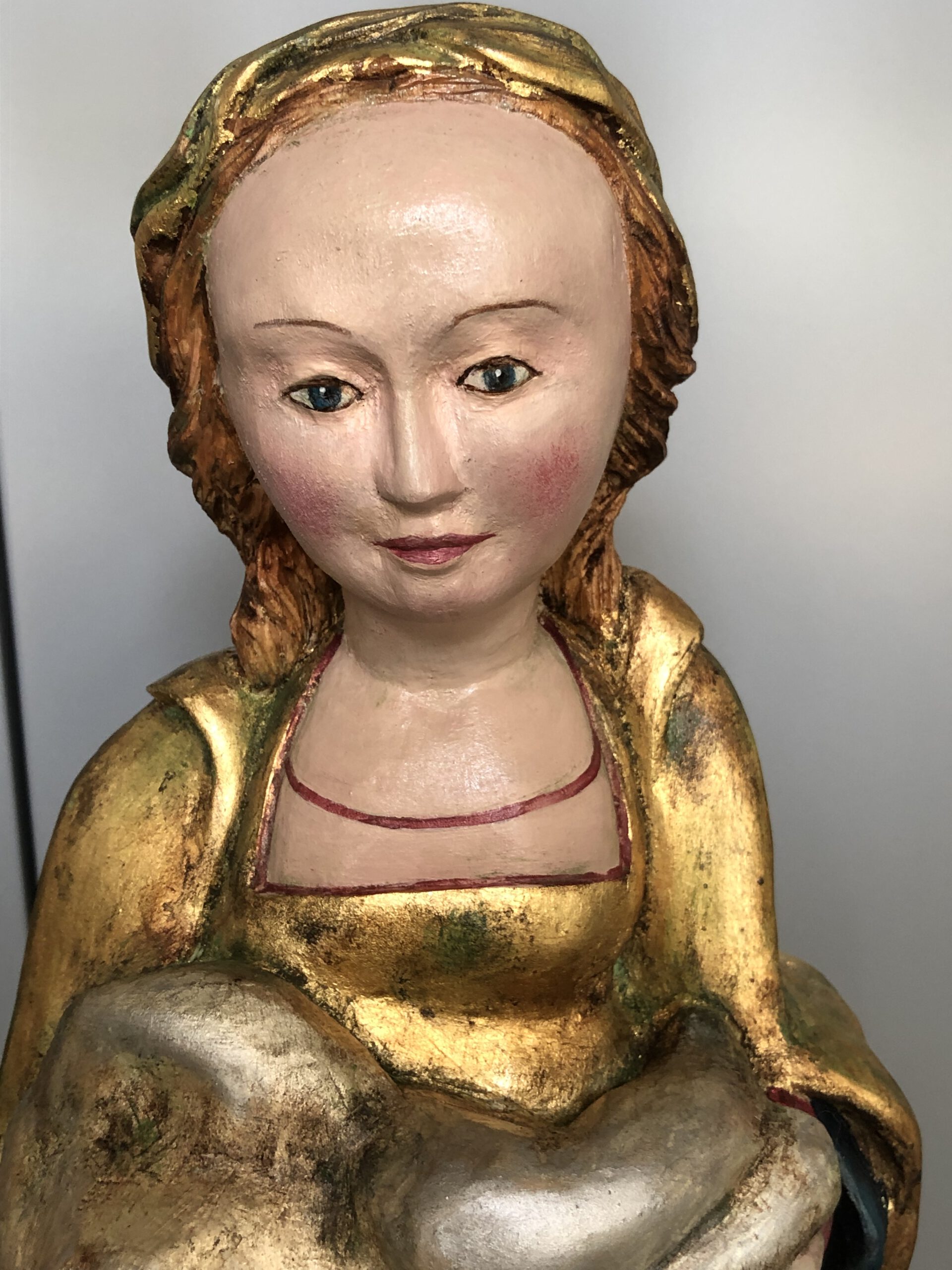
The original statuette of Mary is 30 cm tall and polychromed. Mary displays a youthful, refined face, has a mysterious smile, a high forehead, a small nose, defined eyes, thin eyebrows, and this according to the beauty ideals of the 15th century. She holds her Child, the “Sweet Jesus Child,” against her chest with both hands. The Child is wrapped in a white cloth, but its head is missing. The statuette is late Gothic and dates from the period 1400-1440. This is according to research by the Service of National Art Heritage in Brussels in 1991. The statuette is protected in a nickel-plated display. Thus, a statuette is visible within an image. Only Mary’s head is visible of the inner statuette. The reliquary that encloses the statuette dates from 1763 and was made by a silversmith from Oudenaarde. In the month of May, the statuette of Mary is visible, and in the remaining months, it is placed in a reliquary.
A cherrywood cabinet has been placed in the chapel, which was made in the first half of the 16th century.
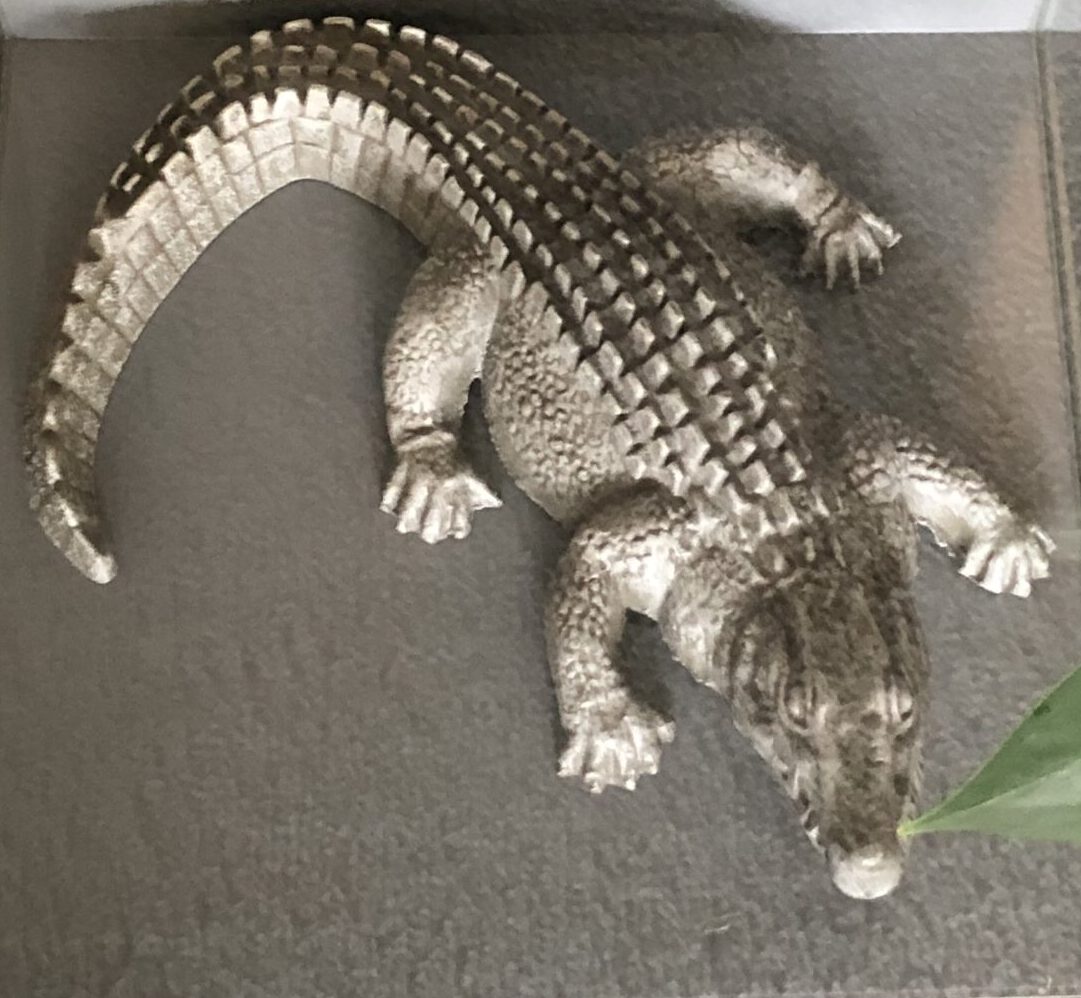
In the chapel, a crocodile has been placed. This relates to a legend. The story… The Baron of Pamele, Joos de Joigny (+1555), is on his way to Jerusalem. On the way, he is attacked by a crocodile. The Baron calls on Mary and overcomes the attack of the dangerous animal, managing to kill the beast. He takes the crocodile home and gives the animal as a gift to the chapel. The Baron does this to show his gratitude to Our Lady for saving him. Furthermore, in 1570, he had his son, Jacob de Joigny, extend the chapel; due to the large number of visitors, more space was needed. Due to opposition from rebellious Protestants, the chapel was not completed until 1614. Later, the crocodile was replaced by a wooden replica.
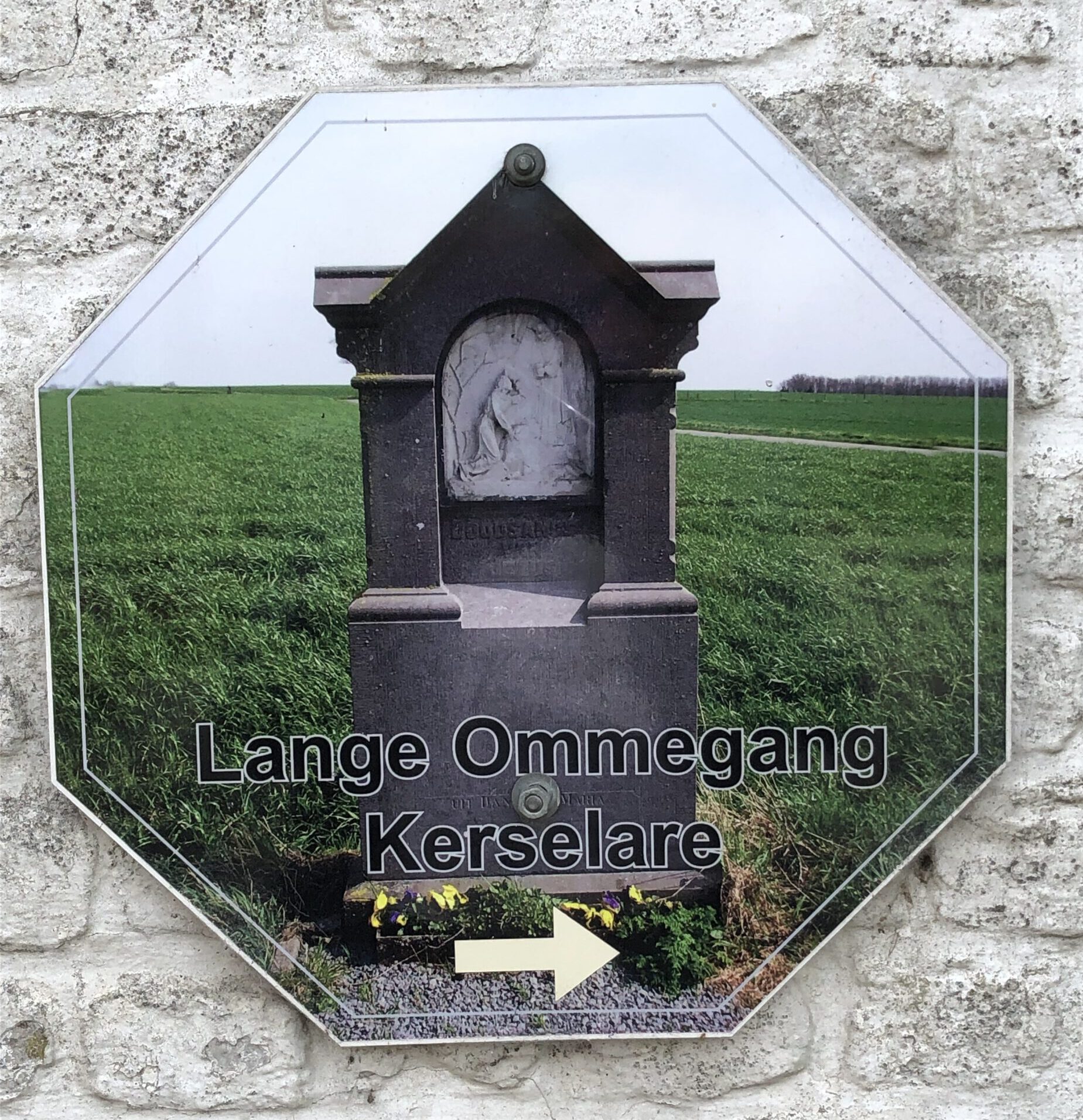
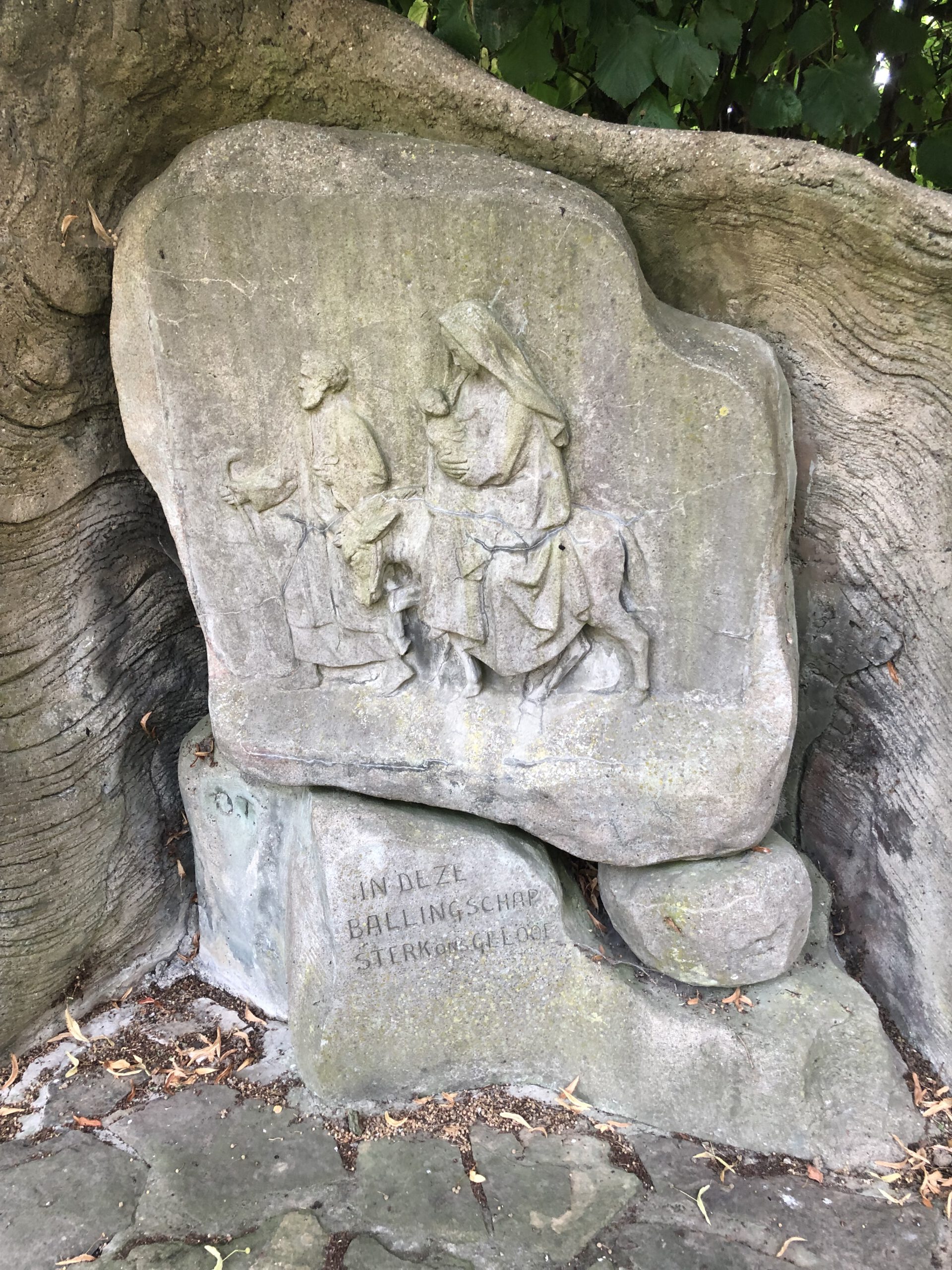
Kerselare has two processions, a shorter one with the Seven Sorrows of Mary and a longer one of 3 km with 15 chapels.
Annually, there is a car consecration on Ascension Day, and this ceremony has been held since 1953. It is the most widely attended car consecration in Flanders.
The number of visitors to the pilgrimage site is approximately 50,000 per year. The chapel is open every day.
ACCESSIBILITY
Kerselare belongs to Edelare, a sub-municipality of Oudenaarde. The pilgrimage site is located on the Edelareberg, on the road from Oudenaarde to Brakel.
Address: Edelareberg 42, Oudenaarde.
More information can be found at www.parochie-oudenaarde.be and www.kerselare.be.
Experience
The concrete chapel of Kerselare is located on the Edelareberg and looks very special due to its construction. A chapel with such architecture is very striking to me.
I stand for a long time in front of the shrine with the statue of Our Lady. I also see a painting of Marie Anne Elisabeth Alexandrine Louise de Buck (1850-1859); this painting of the child who died young is an ex voto from 1854, when the girl was 4 years old. Such a loss affects me deeply.
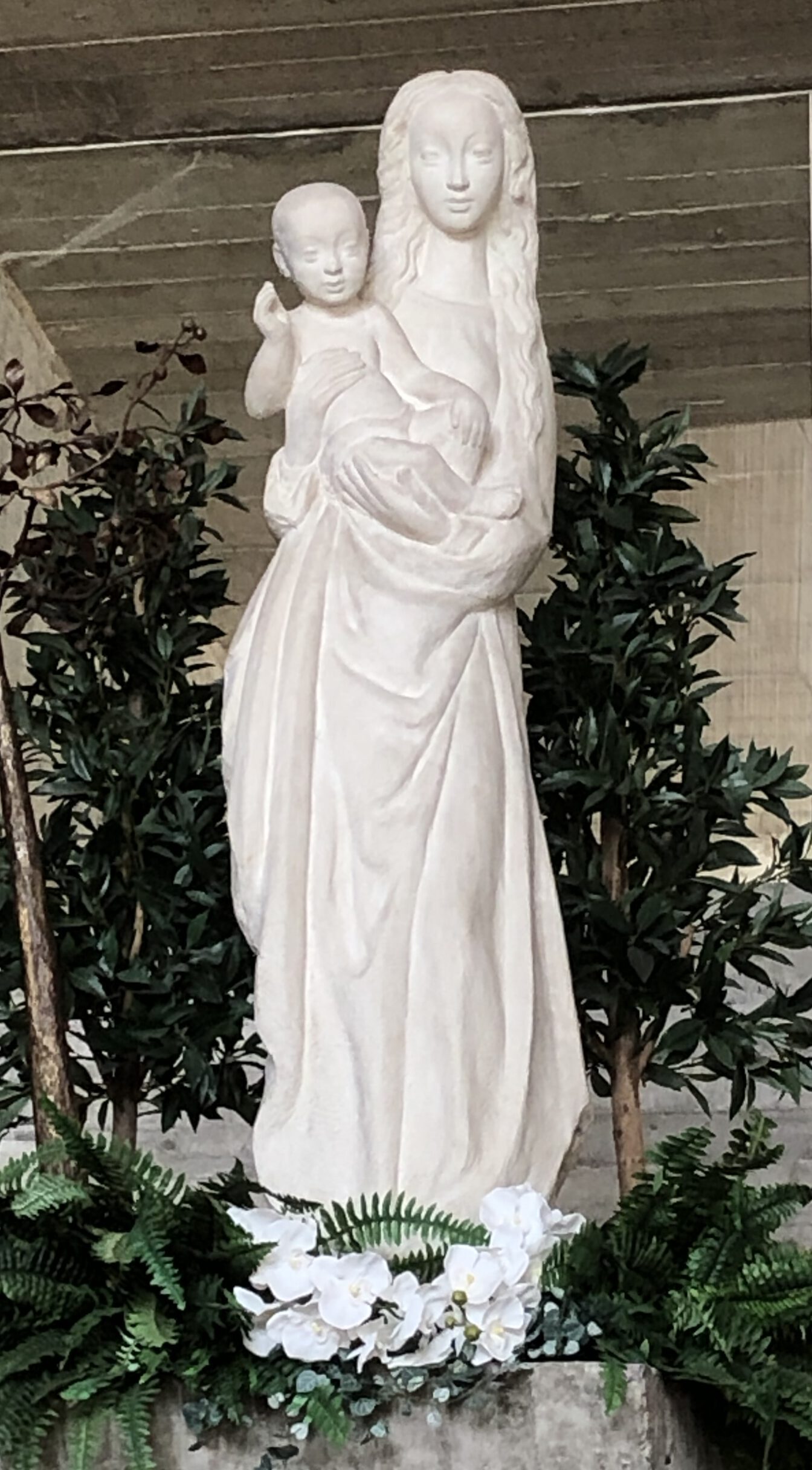
In the chapel, by the altar, stands a large statue of Mary in white stone, from 1970, made by Jos De Decker (1912-2000). I take a photo of it. The statue moves me so much that it later adorns the cover of the publication “Thoughts on Mary”.
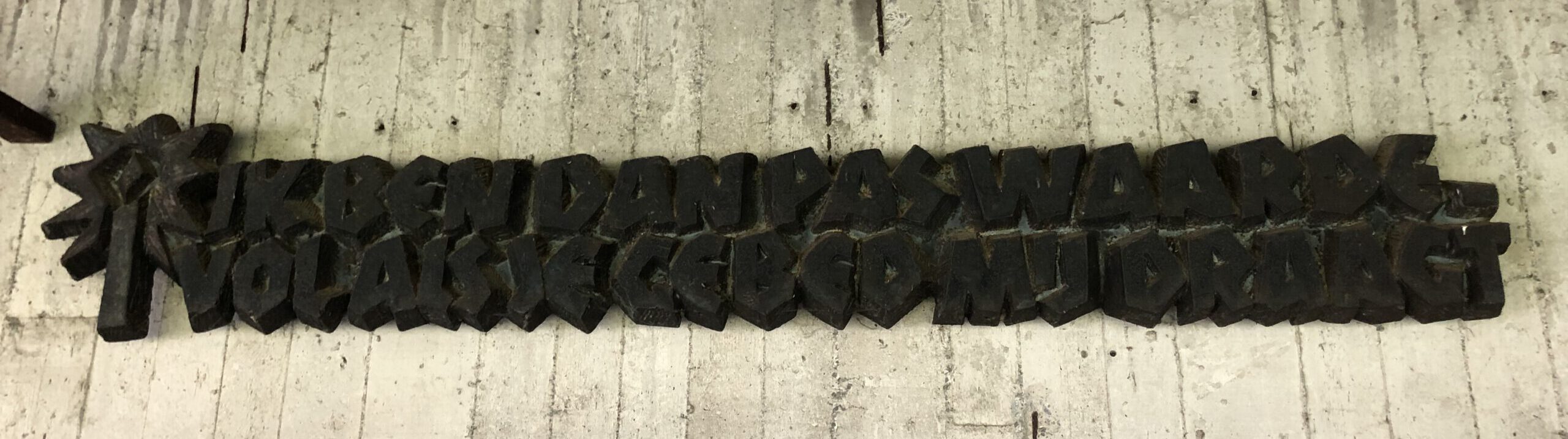
At the rear of the chapel, I see poignant words on the concrete facade: “I am only valuable if your prayer carries me”.
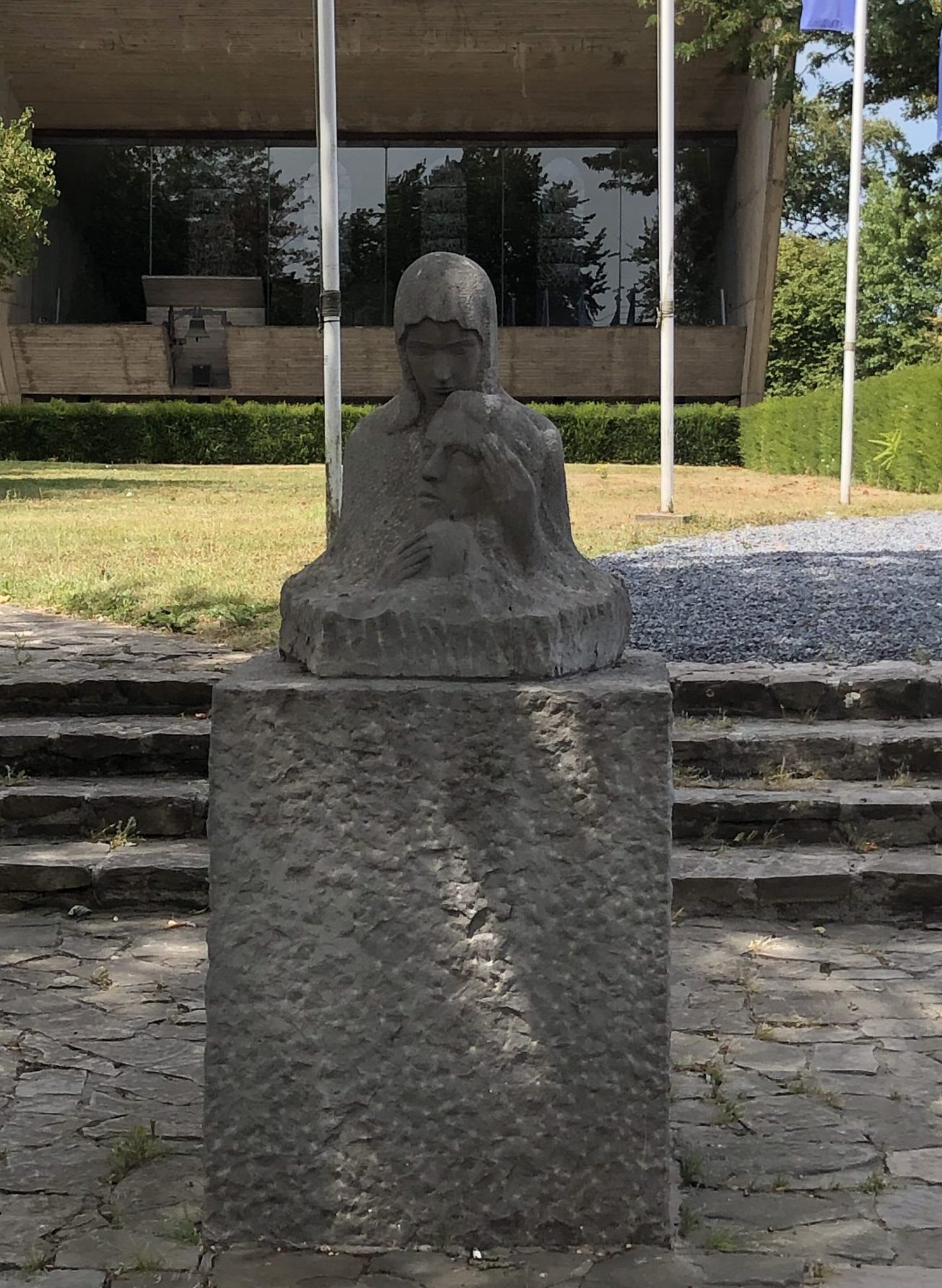
Behind the chapel, I notice a moving Pietà. This was sculpted from bluestone by Albertus (Bert) Servaes (1909-1994).
During a visit to Kerselare, I learned that there is both a prayer and a song to Our Lady of Kerselare. The composer is Norbert Rosseau (1907-1975), who in 1951 made an arrangement of the melody “Maria van den Kerselaar”. He composed the oratorio Maria van den Kerselaar to lyrics by Gery Helderenberg, pseudonym of priest Hubert Buyle (1891-1979). Later, the confectioner Rosseau is considered one of the greatest composers of the 20th century. The pilgrimage site of Kerselare has so much to tell visitors...
Posted: 23 October 2022
~~~
