Bouillon is located in the province of Luxembourg, close to the Belgian-French border on the road to Sedan. The name Bouillon may be derived from Celtic. “Bru” means “a rise” and "l'hou" stands for 'river'. Bouillon is one of the most beautiful places in Wallonia with an impressive, high-lying castle. The foundation of the impressive castle dates back to the 8th century. The Dukes of Ardenne, of whom Godfrey of Bouillon (1060-1100) was the 5th and last holder of the name, owned the castle until 1096. In that year, Godfrey ceded his duchy to Otbert, Prince-Bishop of Liège from 1091-1119. With the proceeds from the castle, Godfrey covered the costs of the First Crusade. He became the leader of this crusade and travelled with an impressive army to Rome and then to Palestine. This was on 15 August 1096.
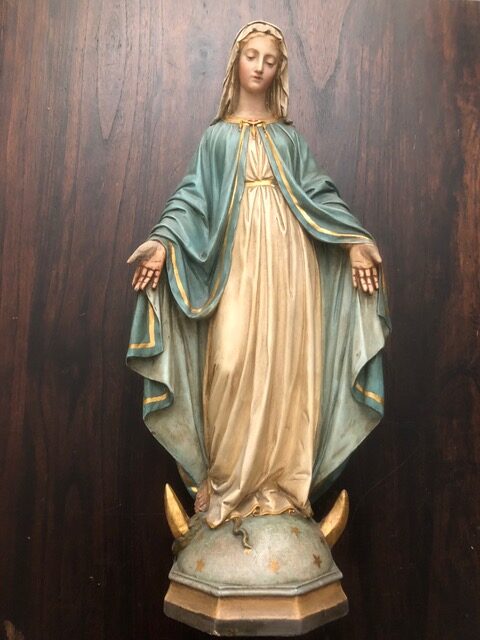
A notable legend is that of the blooming bush, which forms the basis for Godfrey of Bouillon's participation in the crusades. Countess Ida d’Ardenne (1040-1113), wife of Eustace II, Count of Boulogne (1020-1088), saw her son Godfrey decline and become increasingly ill. A hermit advised her to take the child to the Ardennes. She did so, and from then on, Ida resided at the grand castle of Bouillon. One day, Ida came upon a hill with silver hawthorn bushes. She saw sheep fleeing towards a bush. This bush was decorated like a jewel. It was the work of a fairy. Ida approached the bush, which opened to reveal a young, beautiful shepherdess. This woman asked what Ida desired. The countess said she wished to see her dying son well again. Subsequently, an ivory statue of Mary appeared from the bush. Ida requested health for her son, as well as courage and strength for him, and that he become famous in battles to fight disbelievers. Her plea was heard. Ida d’Ardenne has been beatified by the Catholic Church.
In Bouillon, on the Rue de l’Hôtel de Ville, stands the Church of Saints Peter and Paul, which is ochre yellow in colour. The “Église des Saints Pierre et Paul” dates from 1848 and was designed by Joseph Jonas Dumont (1811-1859).
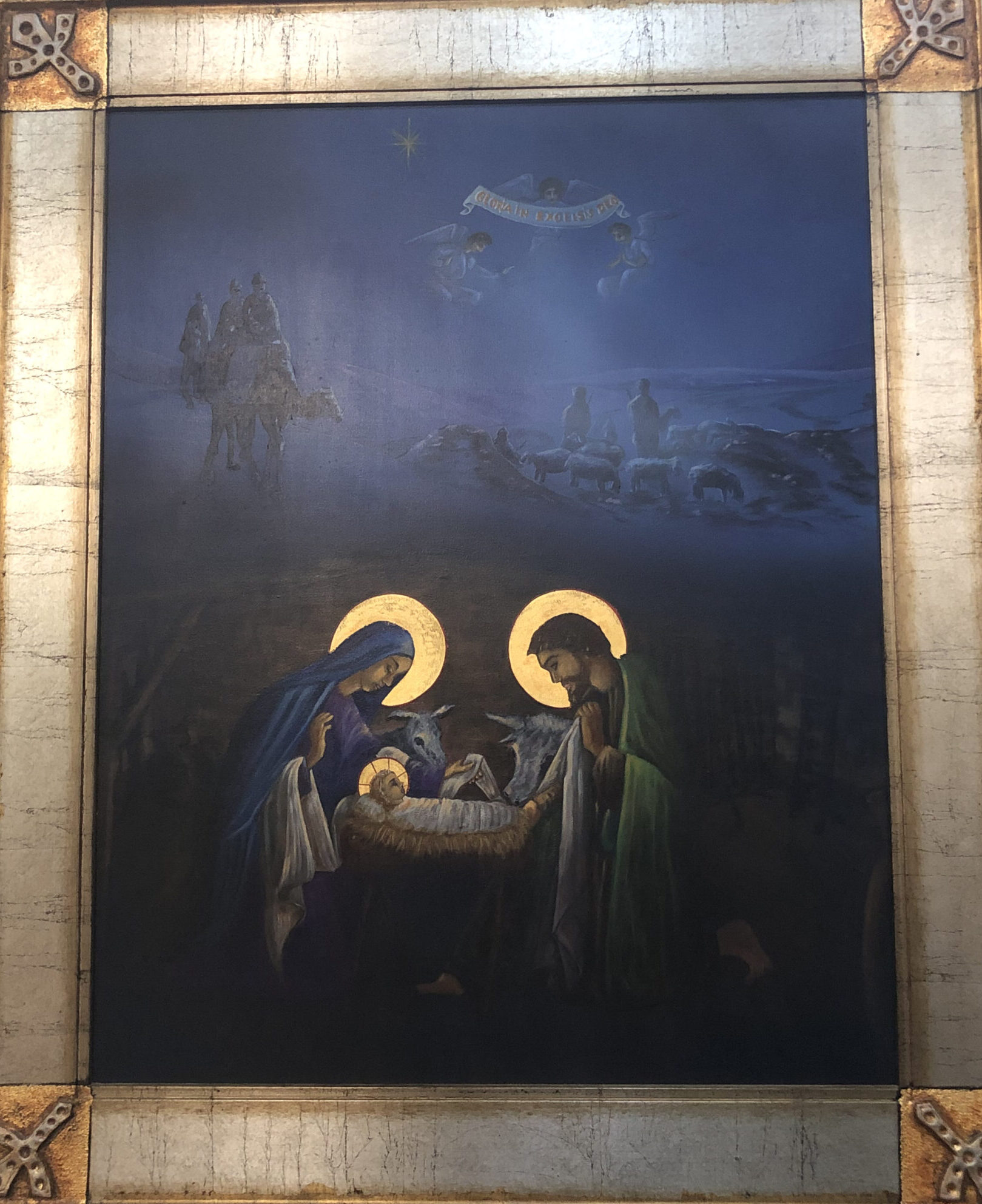
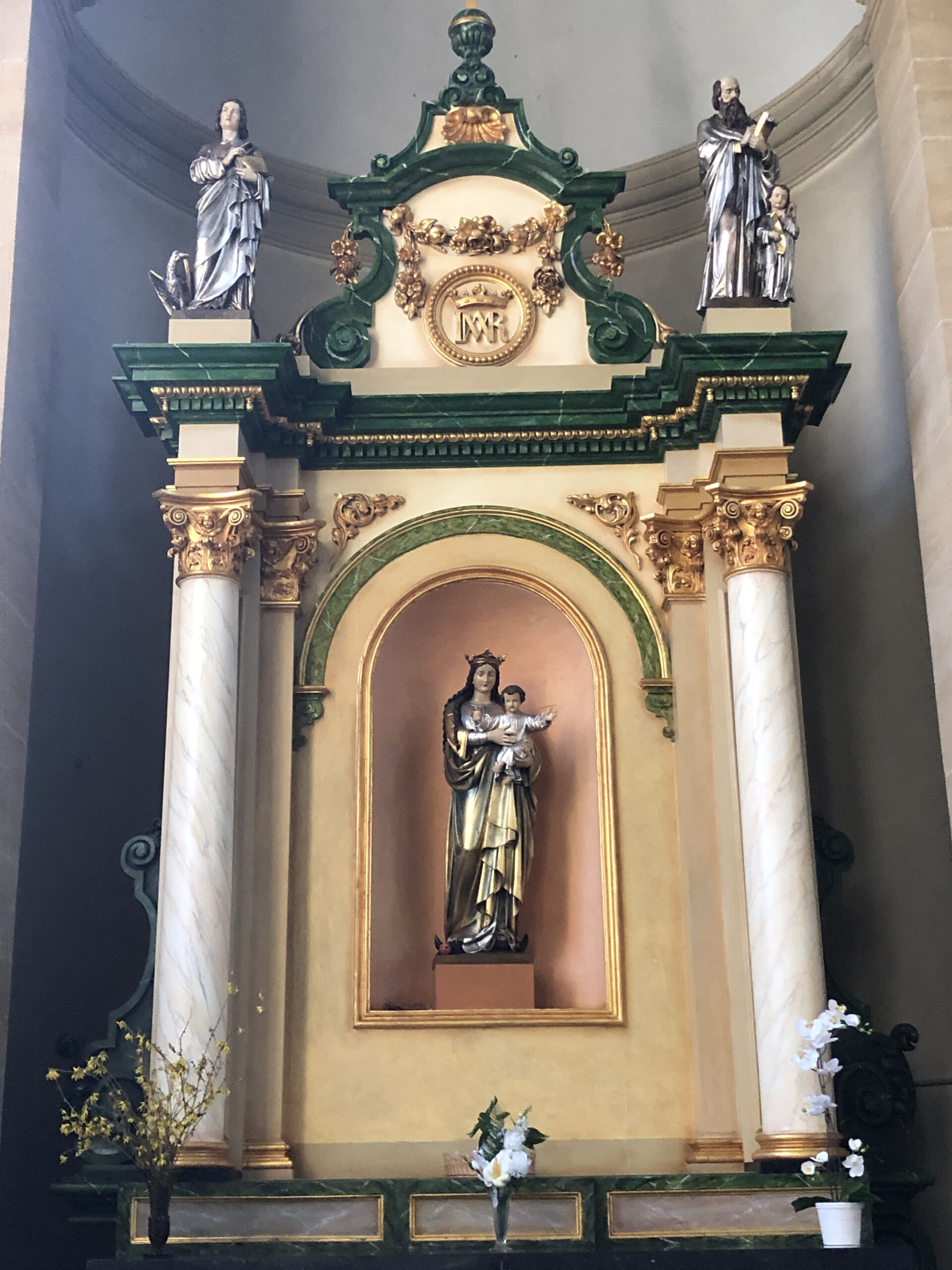
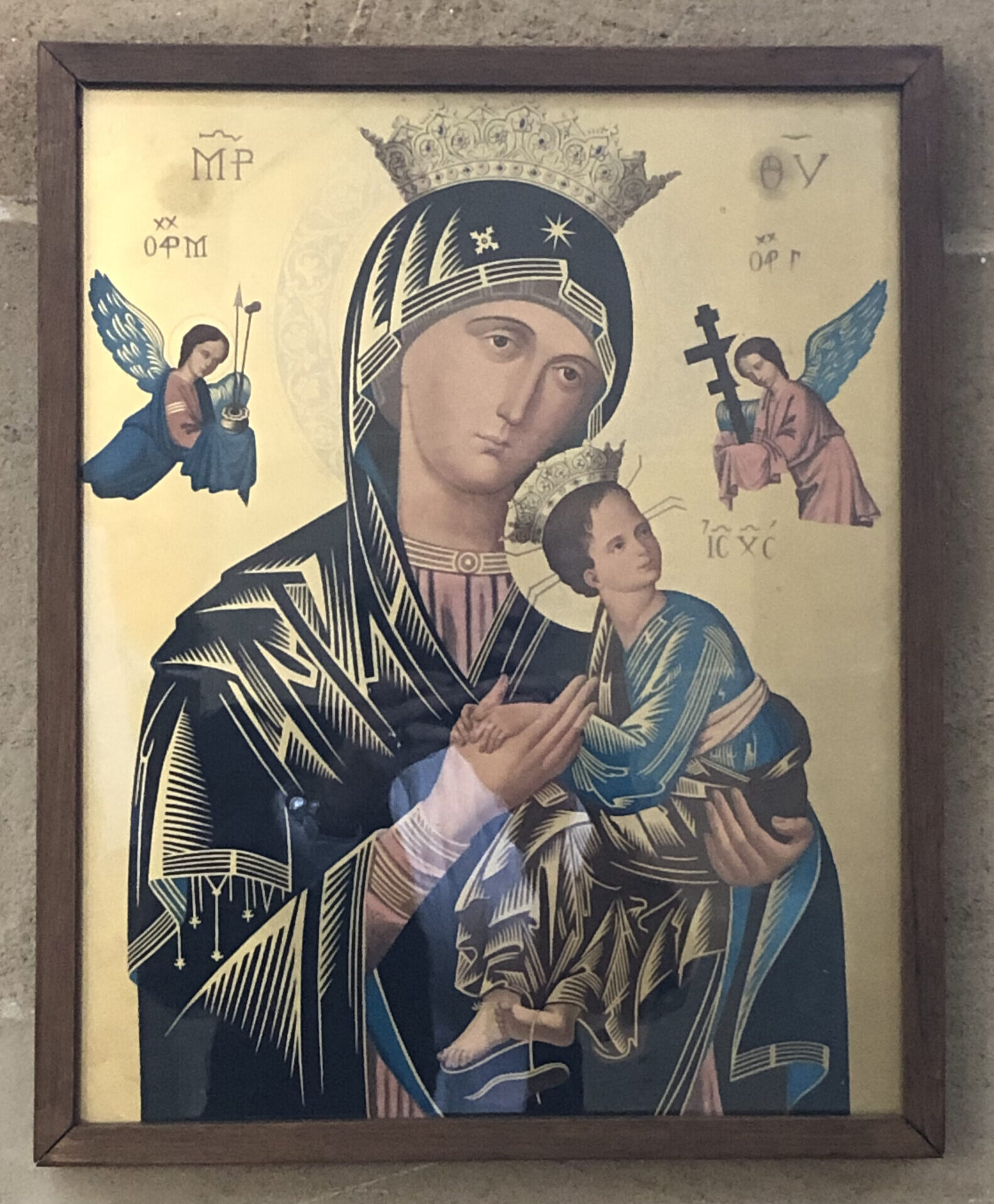
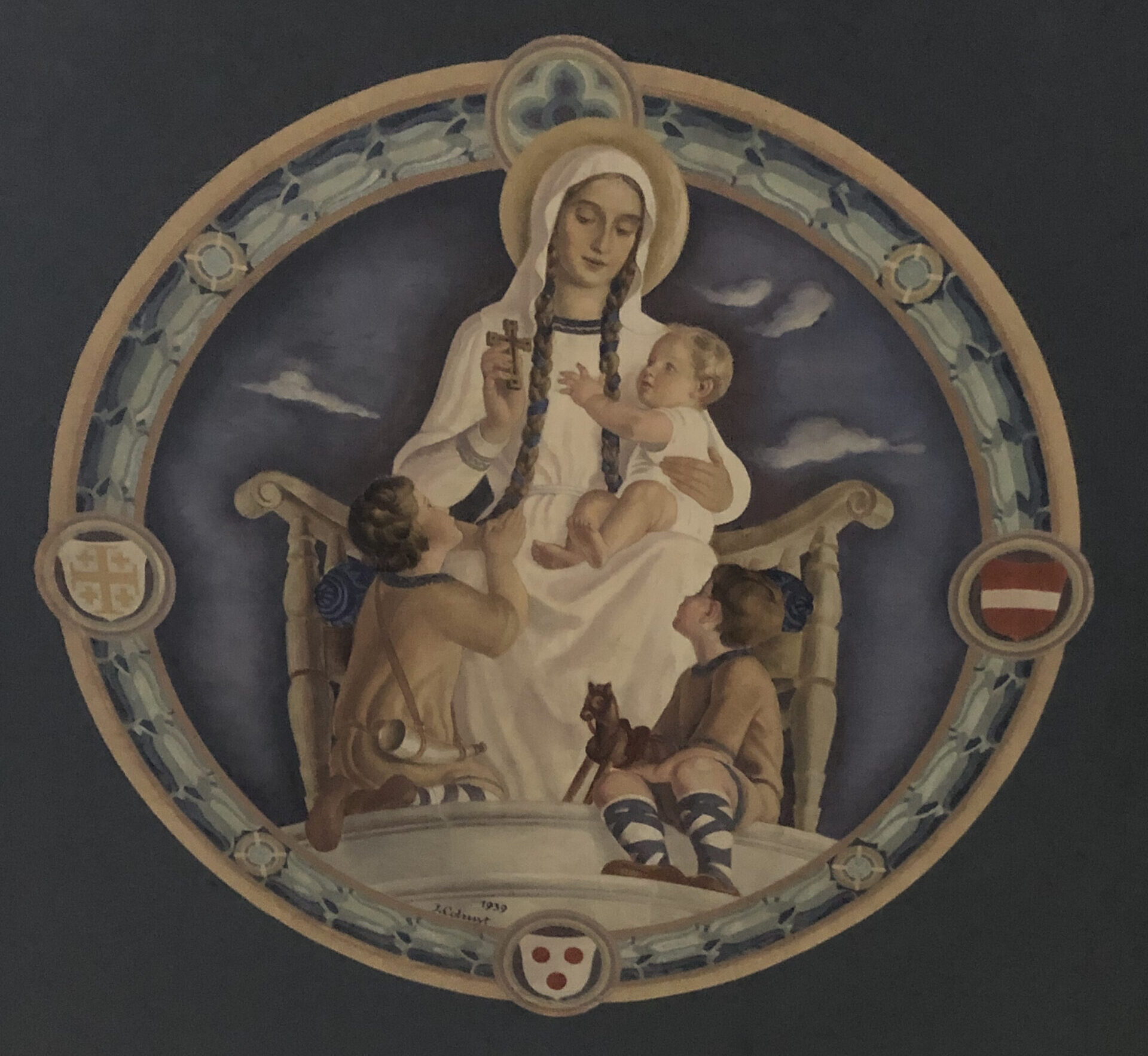
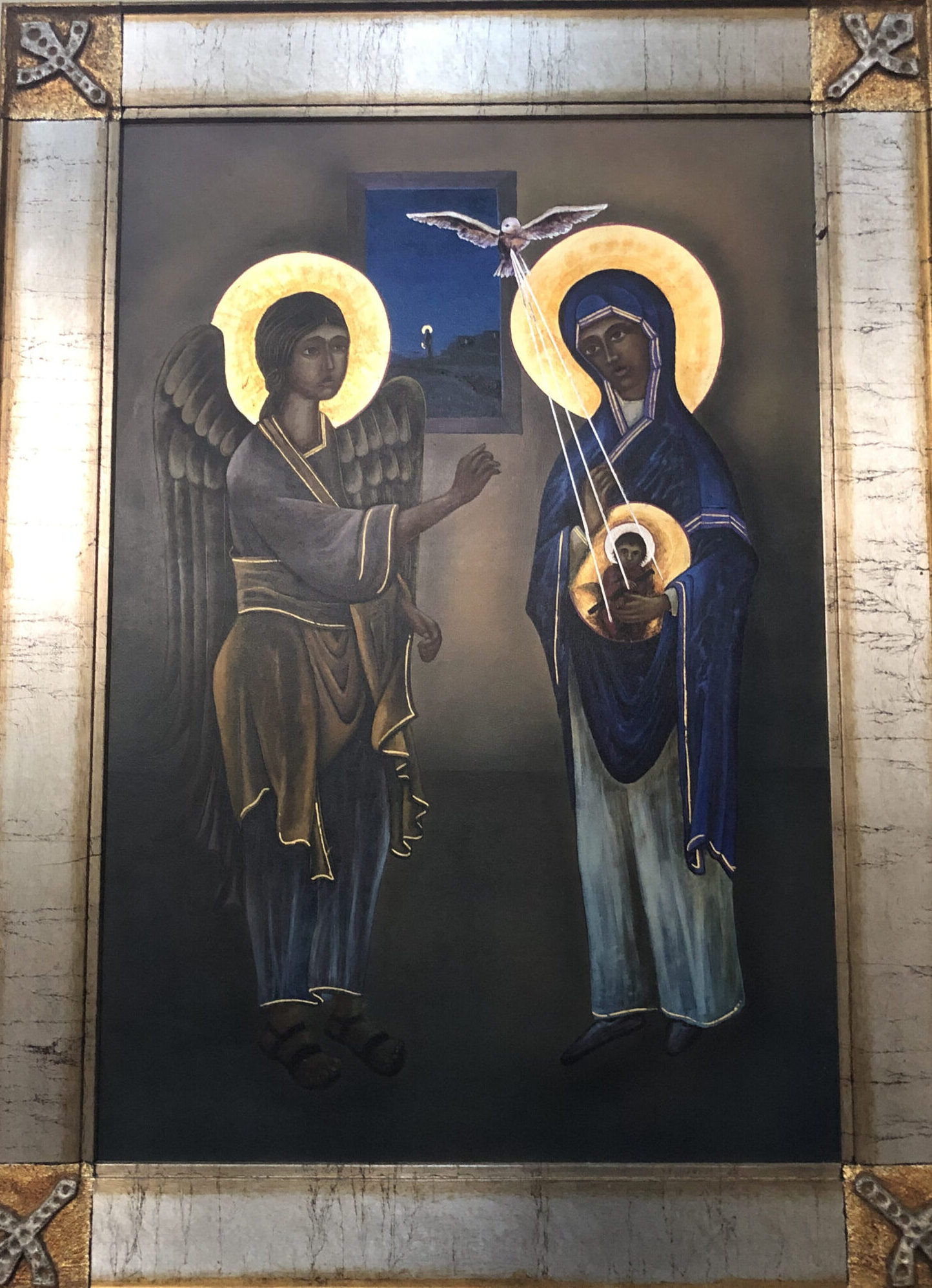
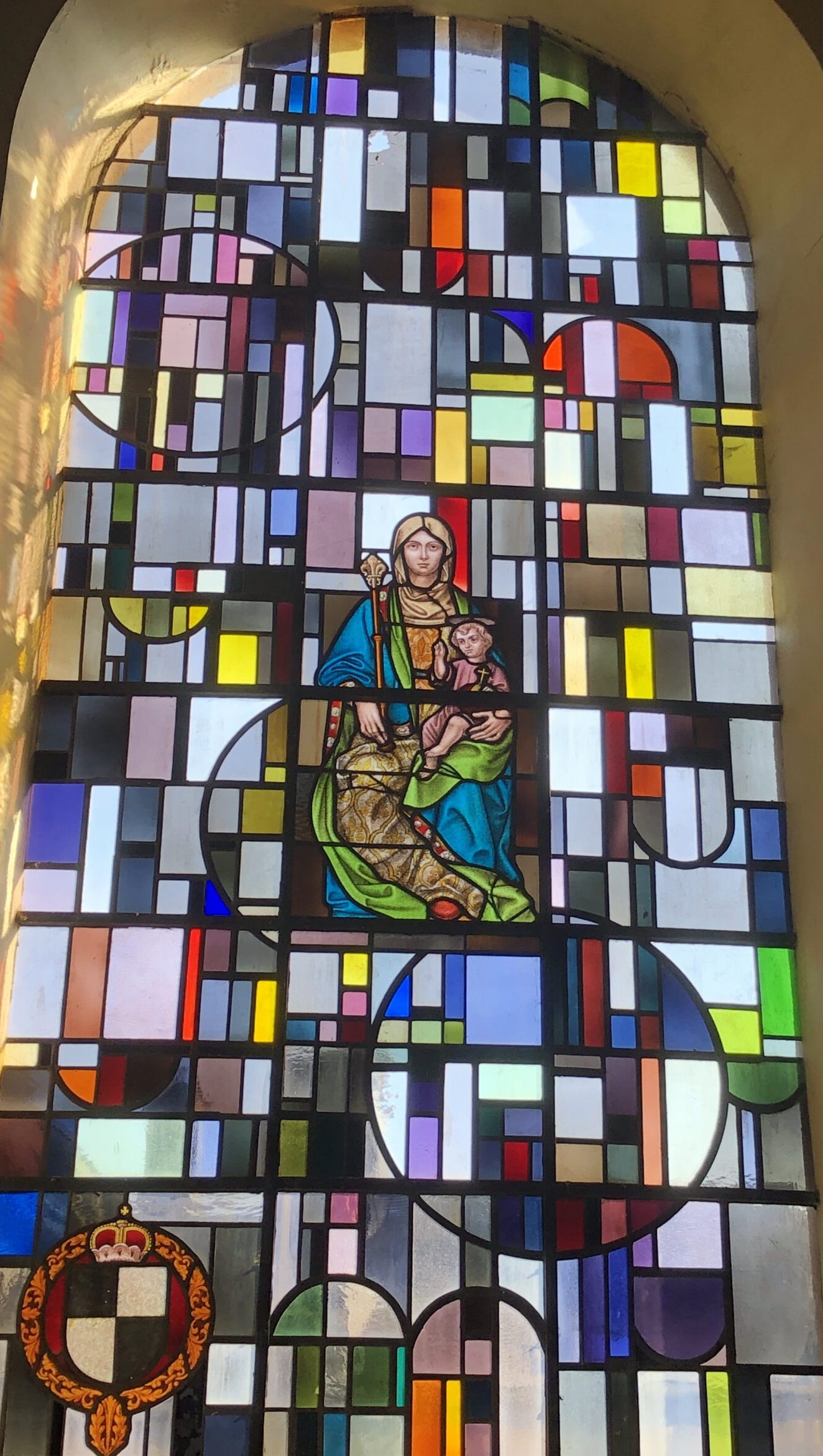
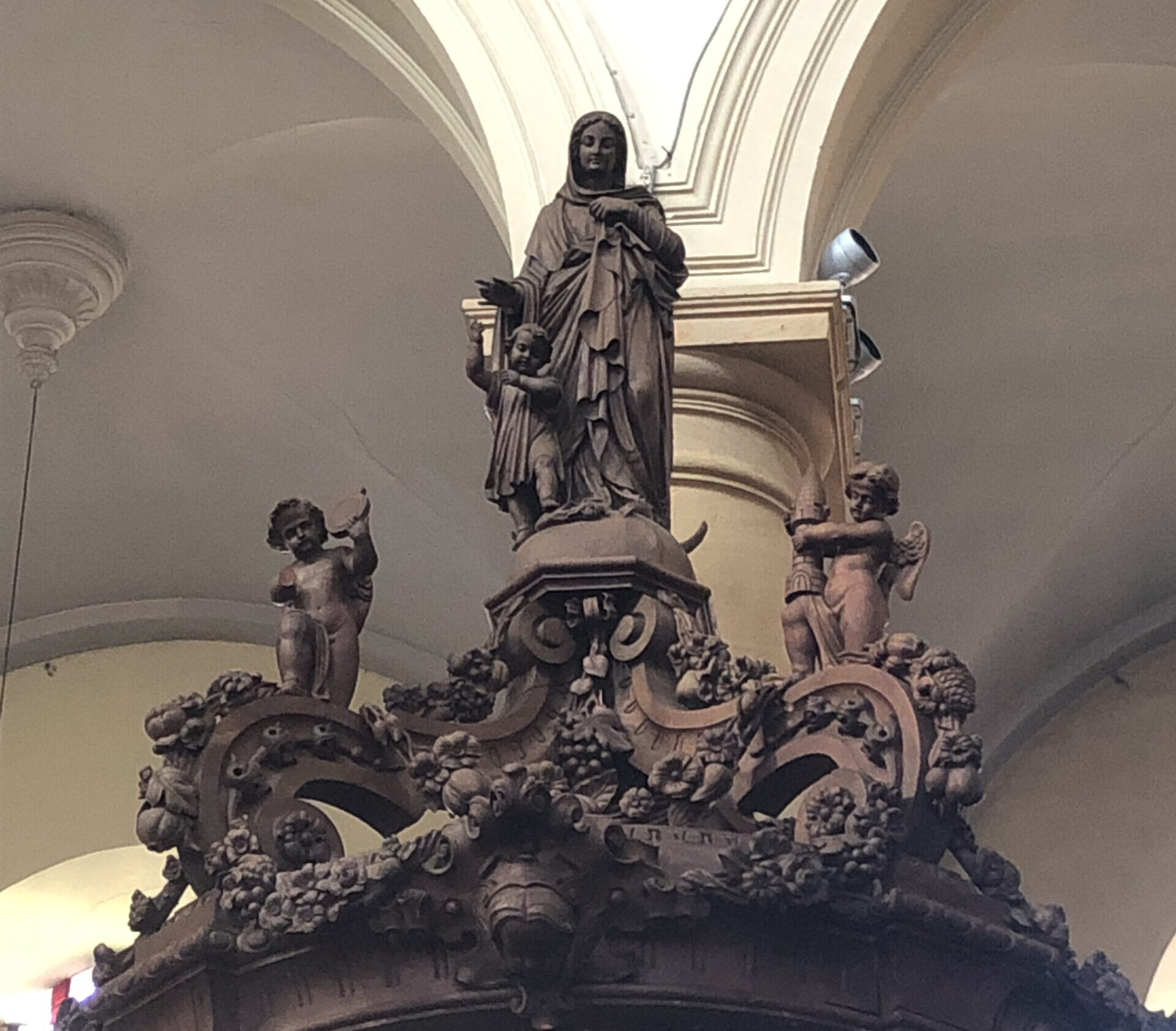
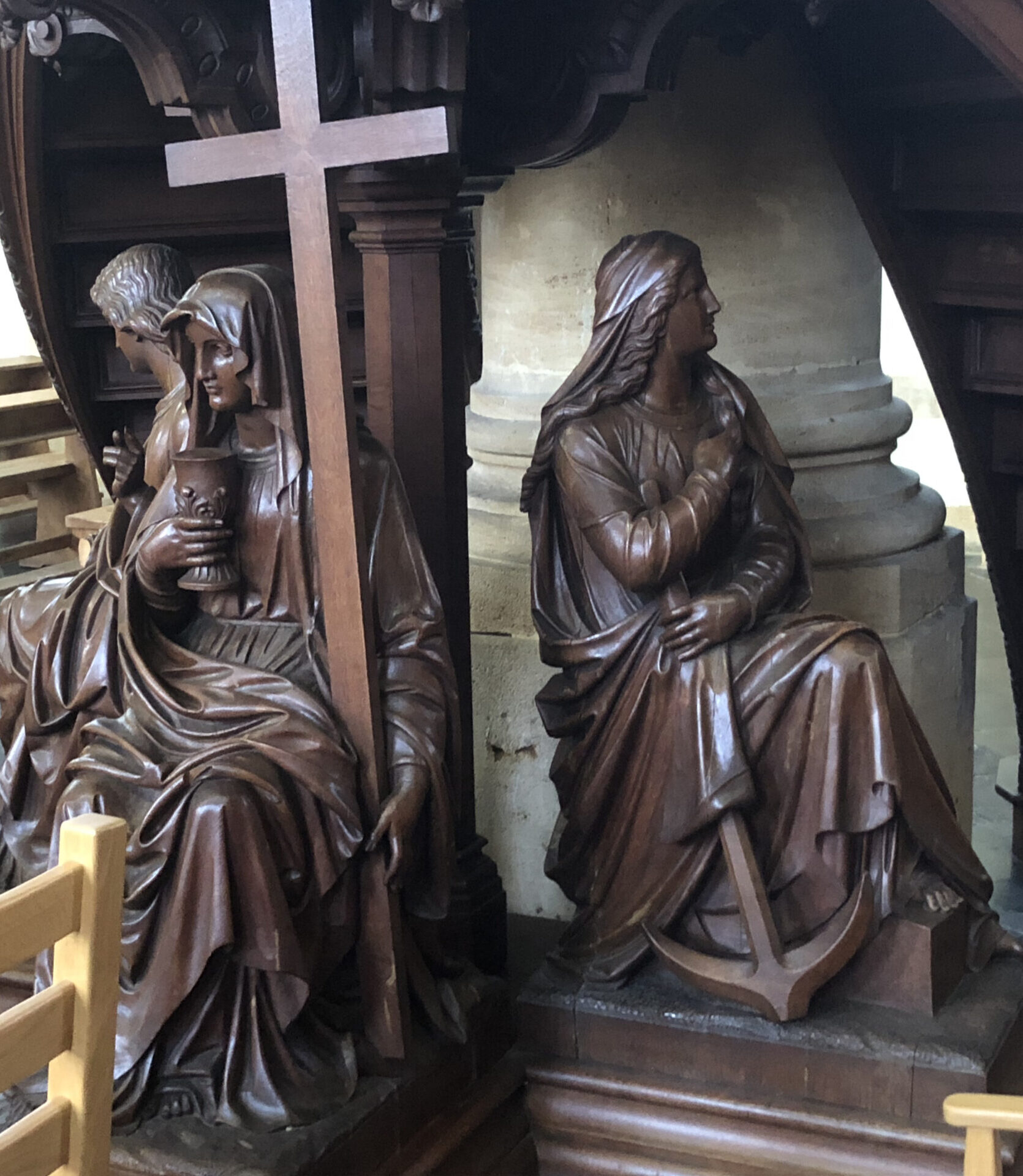
In the church, many images of Our Lady can be seen, including paintings, stained-glass windows, a pulpit, and statues. There are also representations of Saint Nicholas.

 Nederlands
  English (UK)
  Deutsch
  Français