History
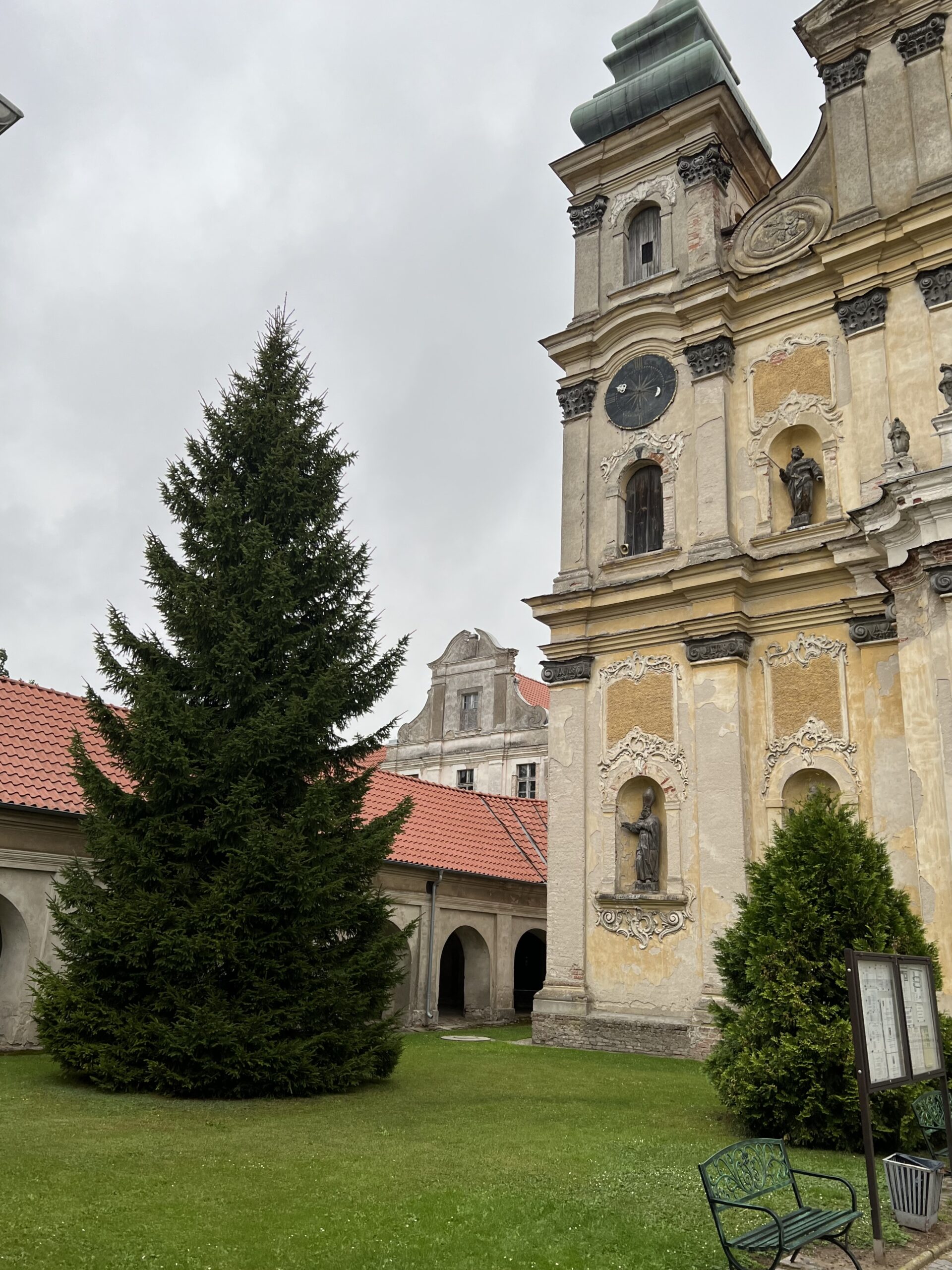
In 1384, Krossen was formally founded by Heinrich III Sorbon (1340-1401), Bishop of Warmia (1373-1401), and the first, small Chapel of St. Mary was then built.
The current, large complex has been in existence for over 300 years. It was once the most important Marian shrine in East Prussia. The nearby river Drwęca/Drewenz was diverted many years ago to make the construction of the church possible.
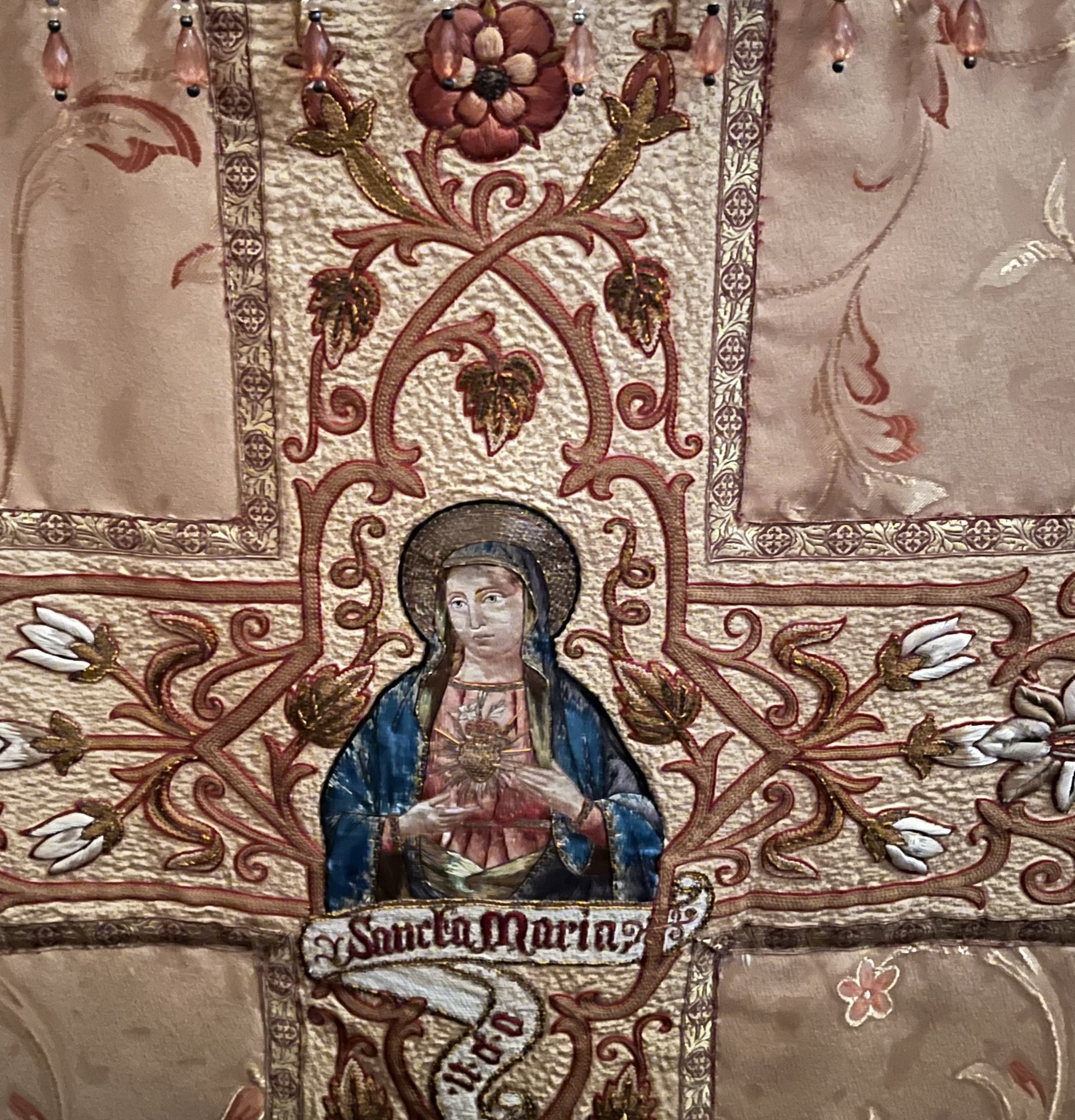
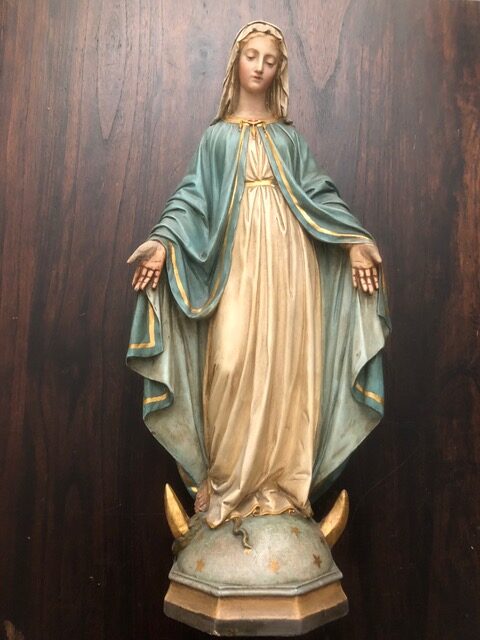
At the heart of the current resort lies a legend dating back over 500 years. Playing children find a stone statue of Mary on the banks of the river Drwęca. They take the effigy with them and give it a place in their house. Remarkably, the statue is back on the riverbank the next day. The statue is taken back to the house, but later it is at the river again. This repeats itself several times. A priest from nearby Orneta hears of this and has the statue brought to the church. Even then, the effigy returns to the river. Subsequently, the statue of Mary is given a place in a small chapel by the river and performs miracles for people, such as healings. As a result, supernatural powers are attributed to the statue.
In 1593, Jakob Bartsch (1507-1590), son of the mayor of Braniewo/Braunsberg, acquired the Krossen estate and had a new Chapel of Mary built. The miracles performed by the image of Mary made the region very famous. Soon, the chapel was too small due to the growing number of visitors. In 1600, he erected an oak chapel using the altar from the previous chapel.
Due to the increasing number of pilgrims, a plan was made in 1709, after an epidemic, to build a larger pilgrimage church. Driven by the efforts of priest Kaspar Simonis (1660-1733), construction began on the current pilgrimage church, with the pilgrimage church in nearby Święta Lipka (Holy Linden) serving as a model for its realisation. The financial resources came from Teodor Andrzej Potocki (1644-1738), Bishop of Chełmno (1699-1712), Bishop of Ermland/Warmia (1712-1722), and later Archbishop of Gniezno (1722-1738). A noble family from Warsaw also provided significant financial backing. The foundation stone was laid in 1715. The architect was Johann Christoph Reimers (c.1660-1720). His building plans involved diverting the course of the river. The church was consecrated on 8 September 1720. A few years after the consecration, two Carmelite friars from Gdańsk/Danzig established a confraternity of the Holy Scapular in Krosno. Miracles occurred in Krosno, such as a man regaining his sight.
The church contains a Baroque pulpit, made by sculptor and woodcarver Christoph Peucker/Peukert/Peickert/Peichert/Preike (1662-1735). This artist also contributed further to the interior, including the creation of the high altar. The organ was built in 1730 by Jan Wolff/Wulff (1706-1751). The Way of the Cross dates from 1740.
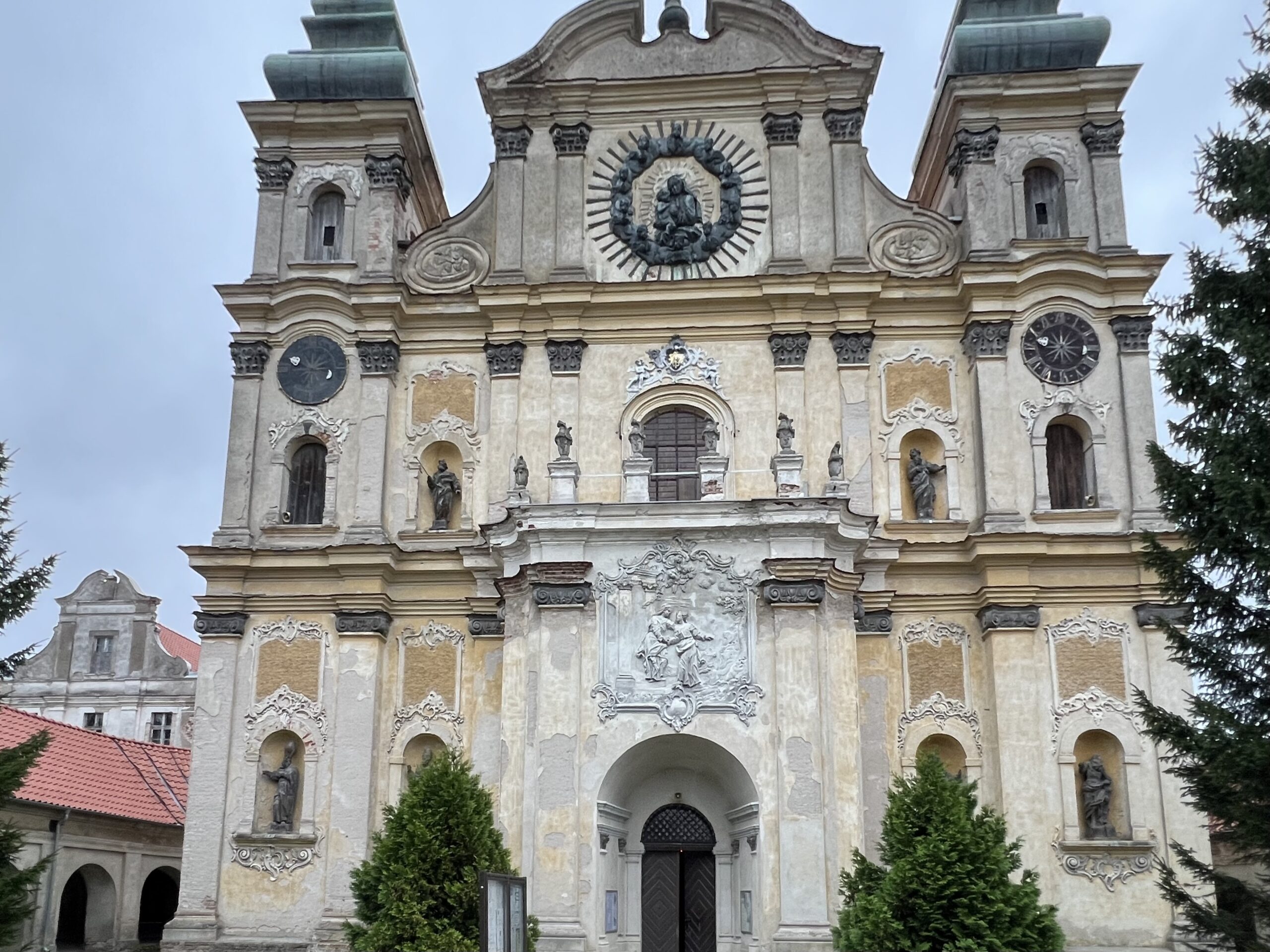
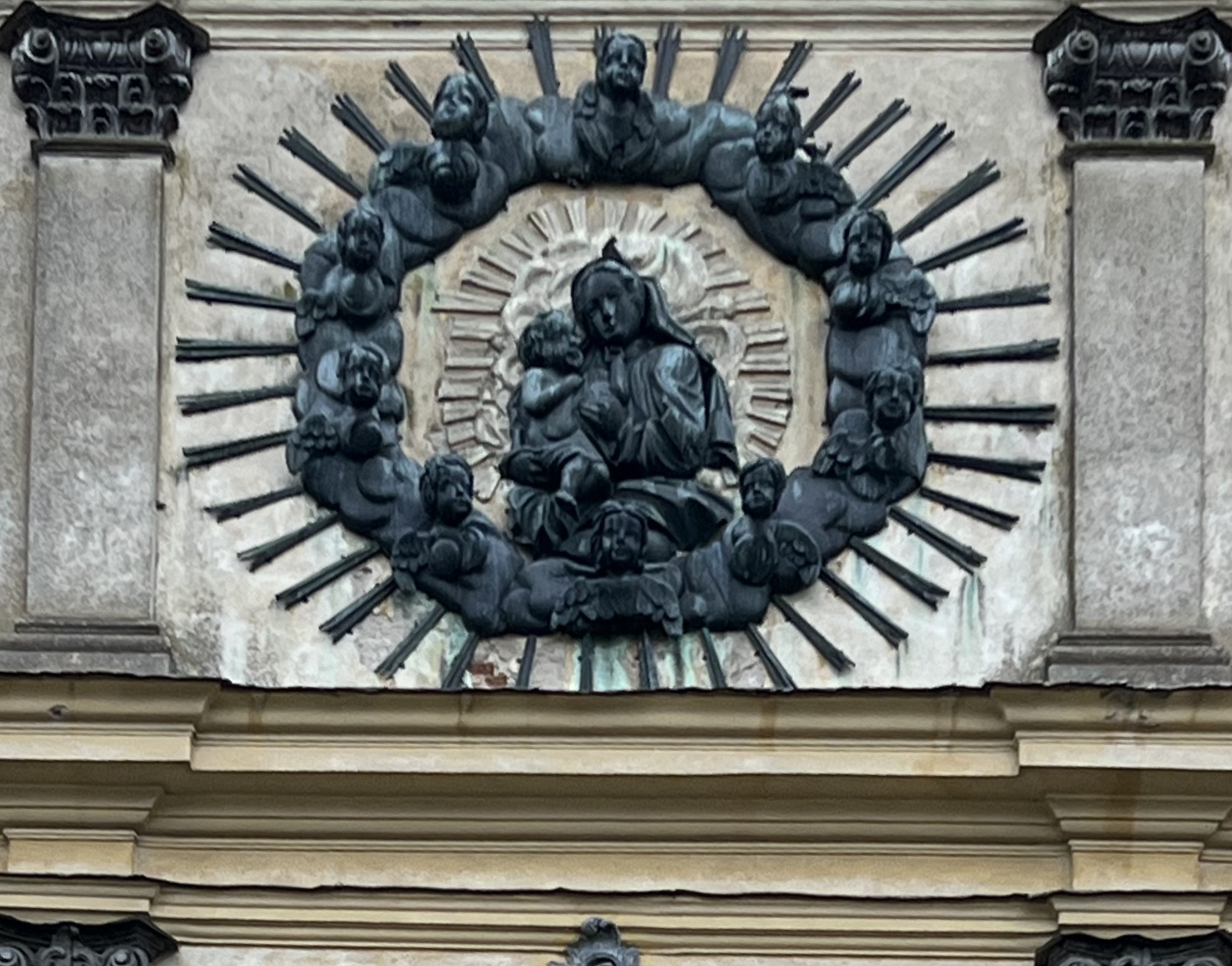
The church's facade dates from 1754 and displays the Rococo style. The statue in the facade depicts the Visitation of Mary and was created by the sculptor Christoph Perwanger (c. 1700-c. 1767) from Tolkemit.
In the period 1927–1940, the complex was largely restored.
In 1945, the name Krossen was changed to Krosno, and soldiers of the German army and other Germans were expelled by the invasion of the Russian Red Army.
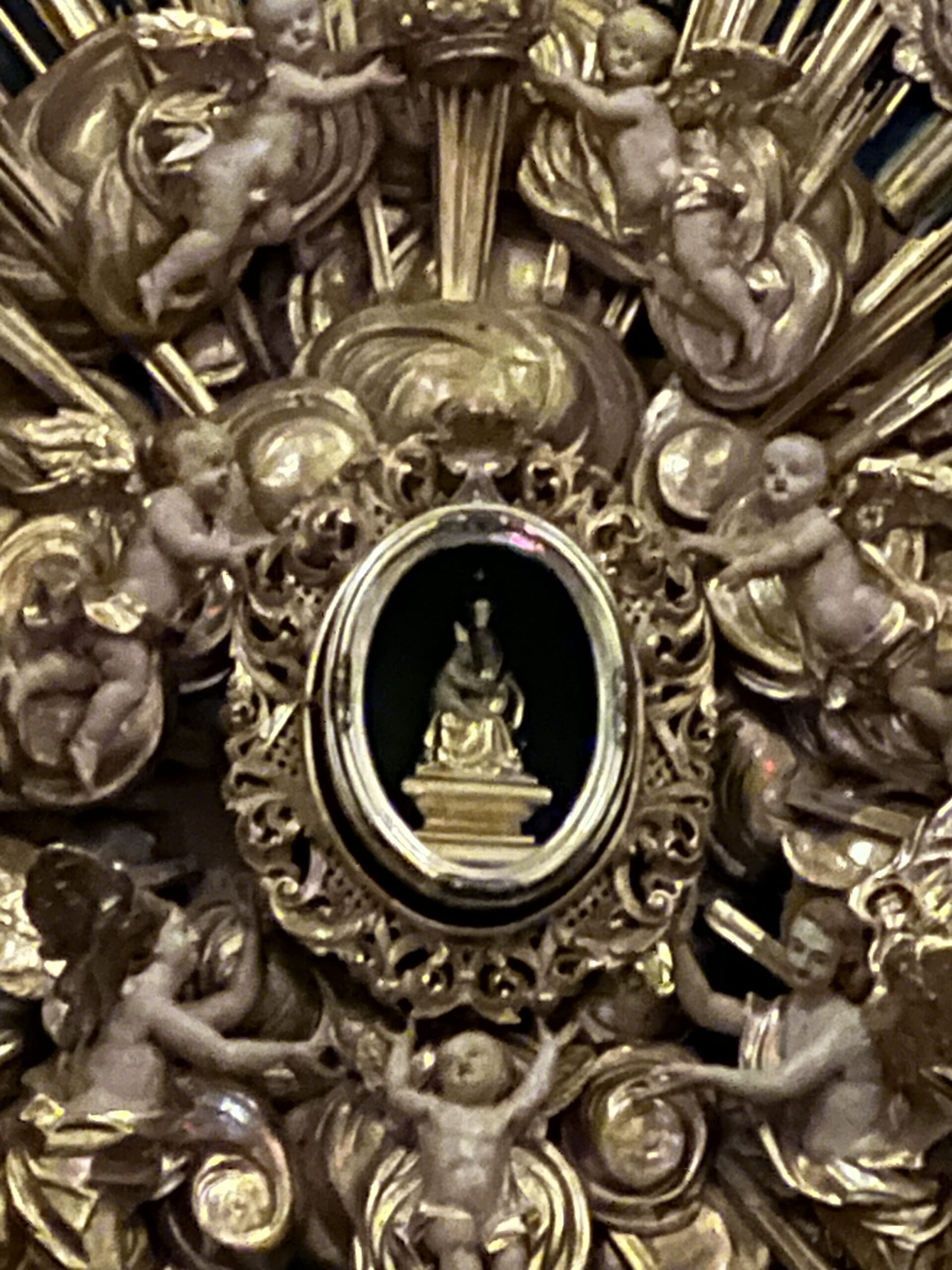
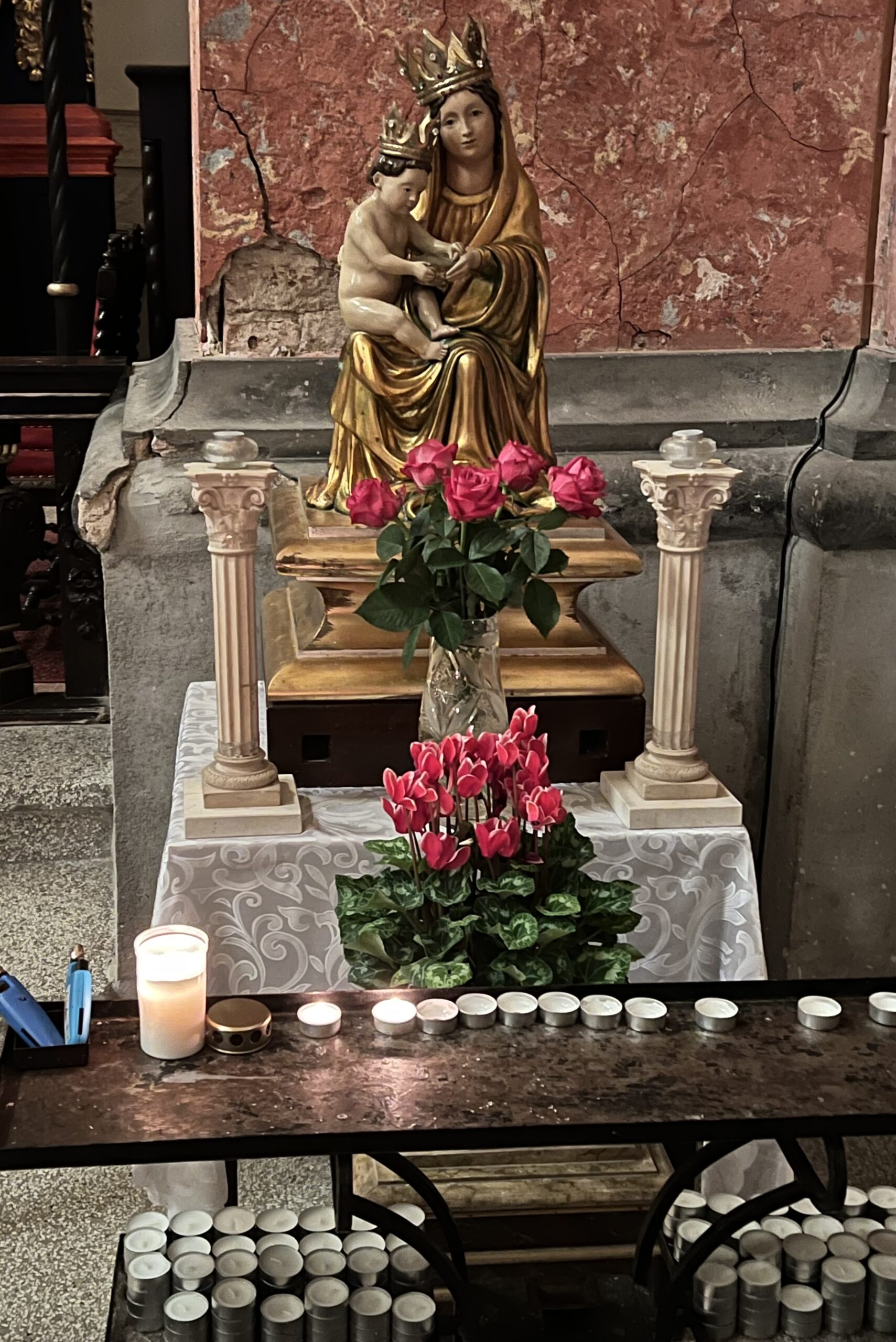
During the final days of World War II (1939-1945), the original statue of Our Lady disappeared and metal pipes from the organ were stolen. Subsequently, a reproduction of the statue appeared in the church, and on June 4, 1960, it was consecrated by Warmiński Tomaz Wilczyński (1903-1965), apostolic administrator and later bishop (1952-1965). The pilgrimage site became a branch of the parish church in Orneta. In 1994, the pilgrimage site became an independent parish.
Around 1990, the severely dilapidated church façade and roof were renovated, and the organ was also refurbished with the help of private individuals from Germany and Poland. Many people were involved in this, including the driven priest Andrzej Kruzycki (1957-2015). Financial support notably came from the fund of the late Maximiliaan Kaller (1880-1947), Bishop of Warmia (1930-1945) and Bishop of the Displaced Persons (1945-1947). Support was also received from the Ministry of Culture and National Heritage and from, among others, the municipality of Orneta. In 2017, the high altar was restored. Following this, work commenced on the reconstruction and renovation of the rectory and pilgrim house. The surrounding area also received a boost with the creation of parking spaces and a more attractive landscaping of the immediate vicinity.
Pilgrimage site
On both sides of the entrance gate, the Way of the Cross can be visited.
High on the front of the church is an 18th-century depiction of Mary and Child.
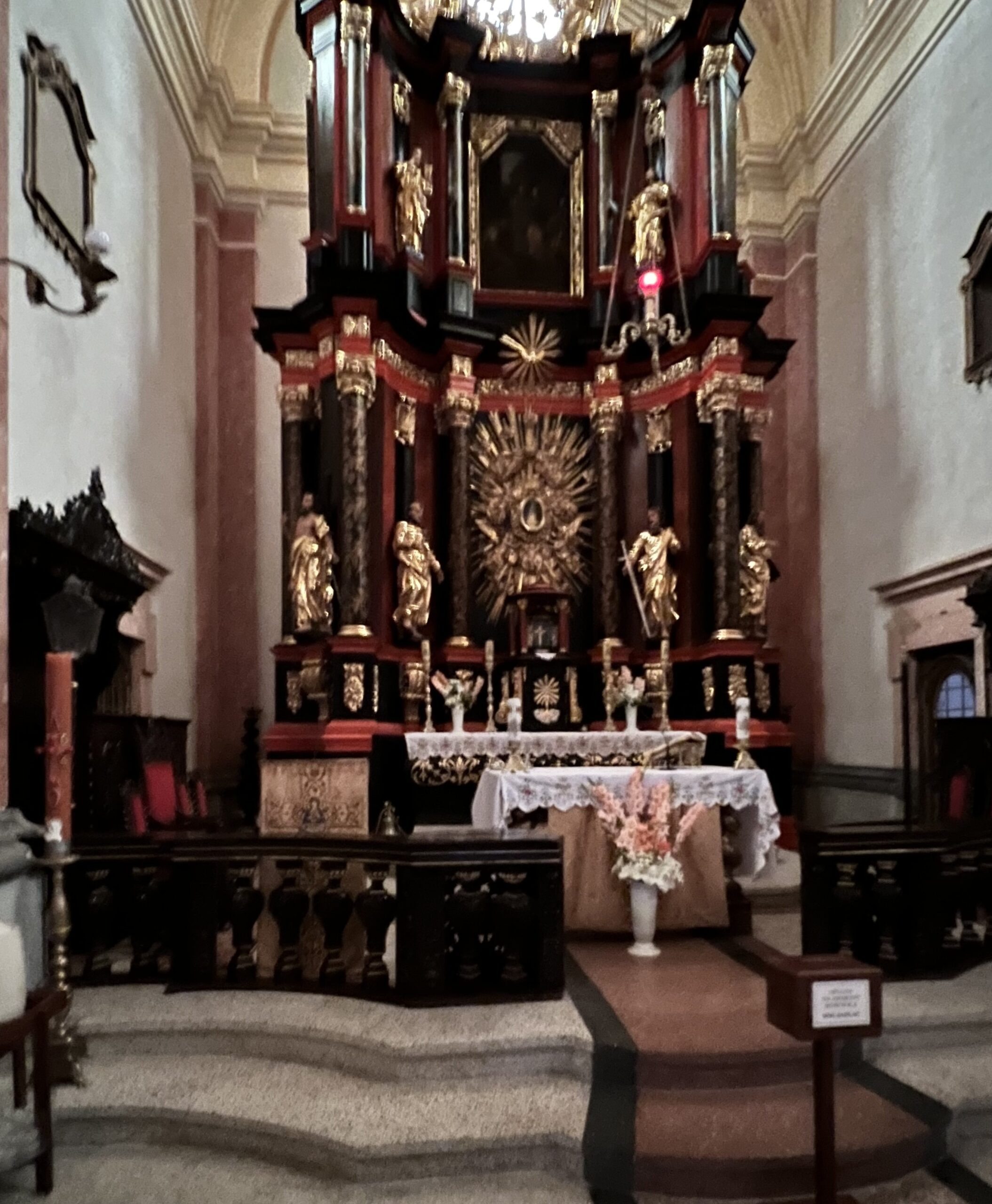
The Baroque pilgrimage church is dedicated to Our Lady of the Assumption. The dimensions of the building are 37m in length and 18m in width. The church offers many art-historical statues, paintings, and architectural styles.
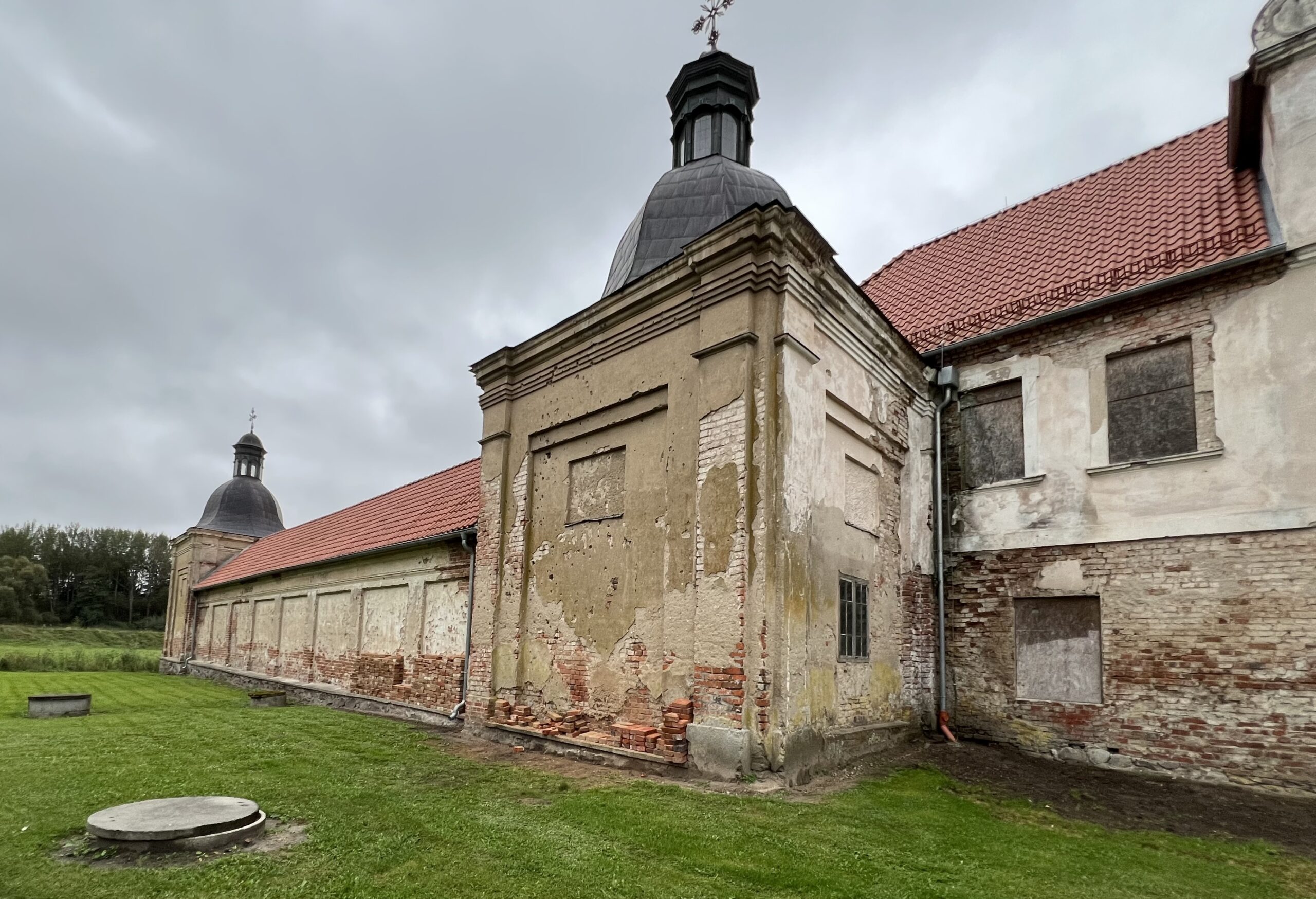
The complex with its covered Stations of the Cross, church, and outbuildings is suffering from neglect, and some of the buildings and walls are in a poor state. Nevertheless, there is a lot that can be salvaged from it…
Religious festivals are held particularly on the last Sunday of May and on the 15th of August, the Feast of the Assumption of Mary.
ACCESSIBILITY
Krosno/Krossen is located in northeastern Poland, near the town of Orneta, in the region of Warmia/Masuria.
Address: Krosno12/2, 11-130 Orneta.
Current information can be found on www.sanktuariumkrosno.pl.
Experience
In preparation for a visit to the pilgrimage site of Krosno, I am reading about its rich history spanning over three centuries, encompassing periods of prosperity, decline, and architectural style. This sparks my curiosity and a visit is being organised.
To visit the Marian shrine, you need to drive to the northeast of Poland, not far from the Russian border. Once you arrive in the town of Orneta, it's a few more kilometres further on.
At the shrine, a small car park has been built and from there I have a magnificent view of the church and outbuildings.
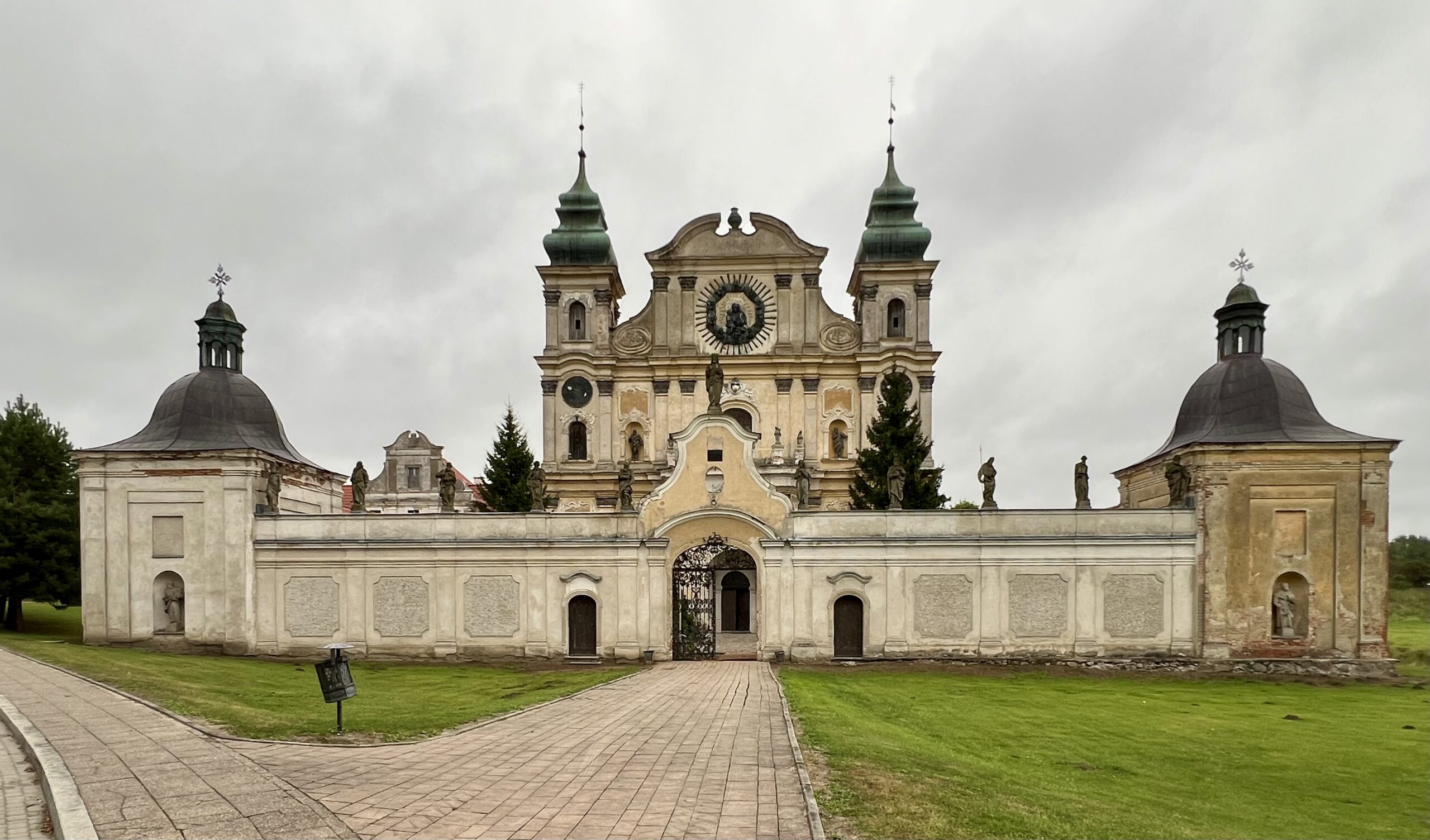
Then I cross the street, approach the entrance gate and enter the church grounds. In the rococo facade, I see a depiction of Our Lady with her cousin Elizabeth.
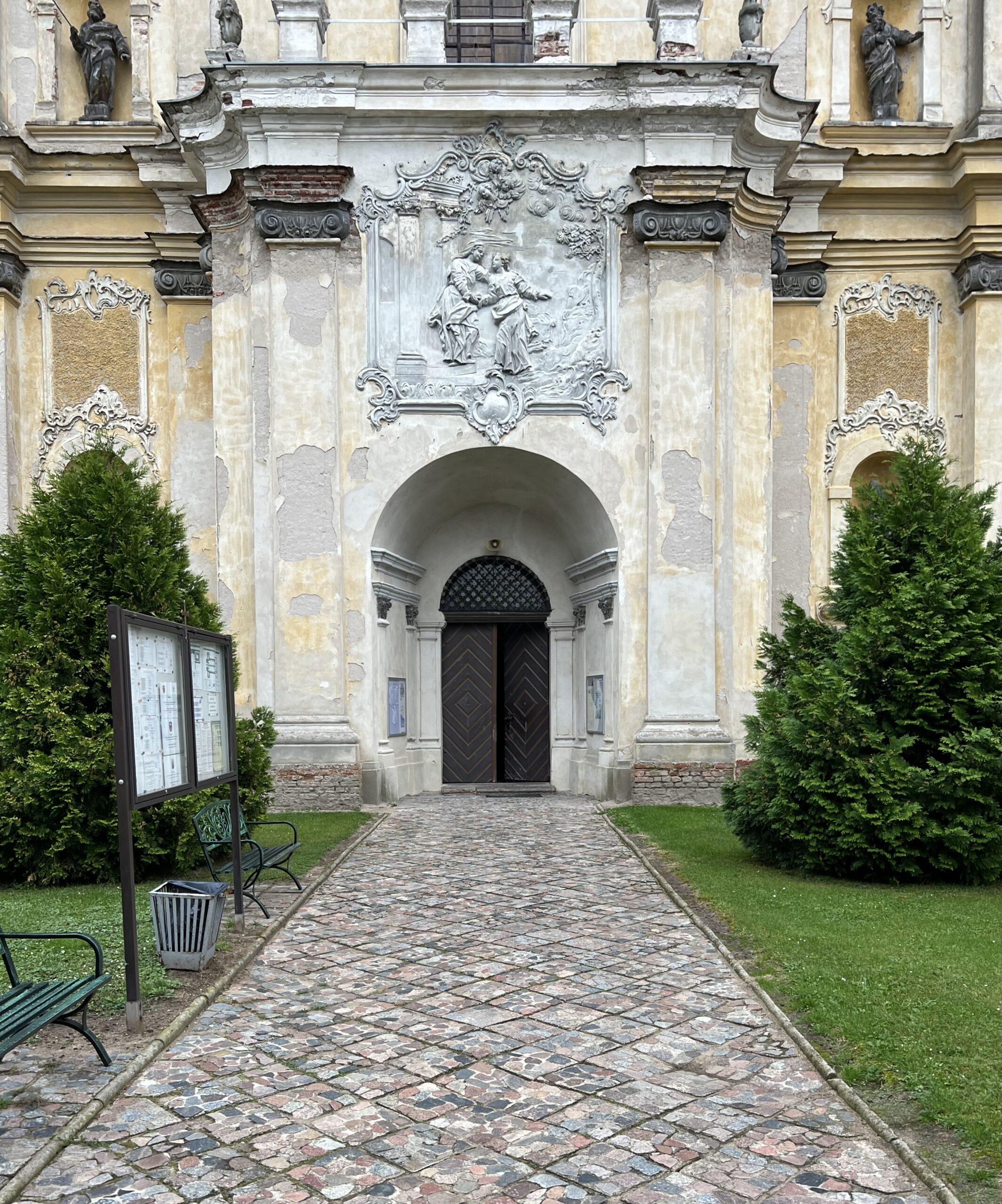
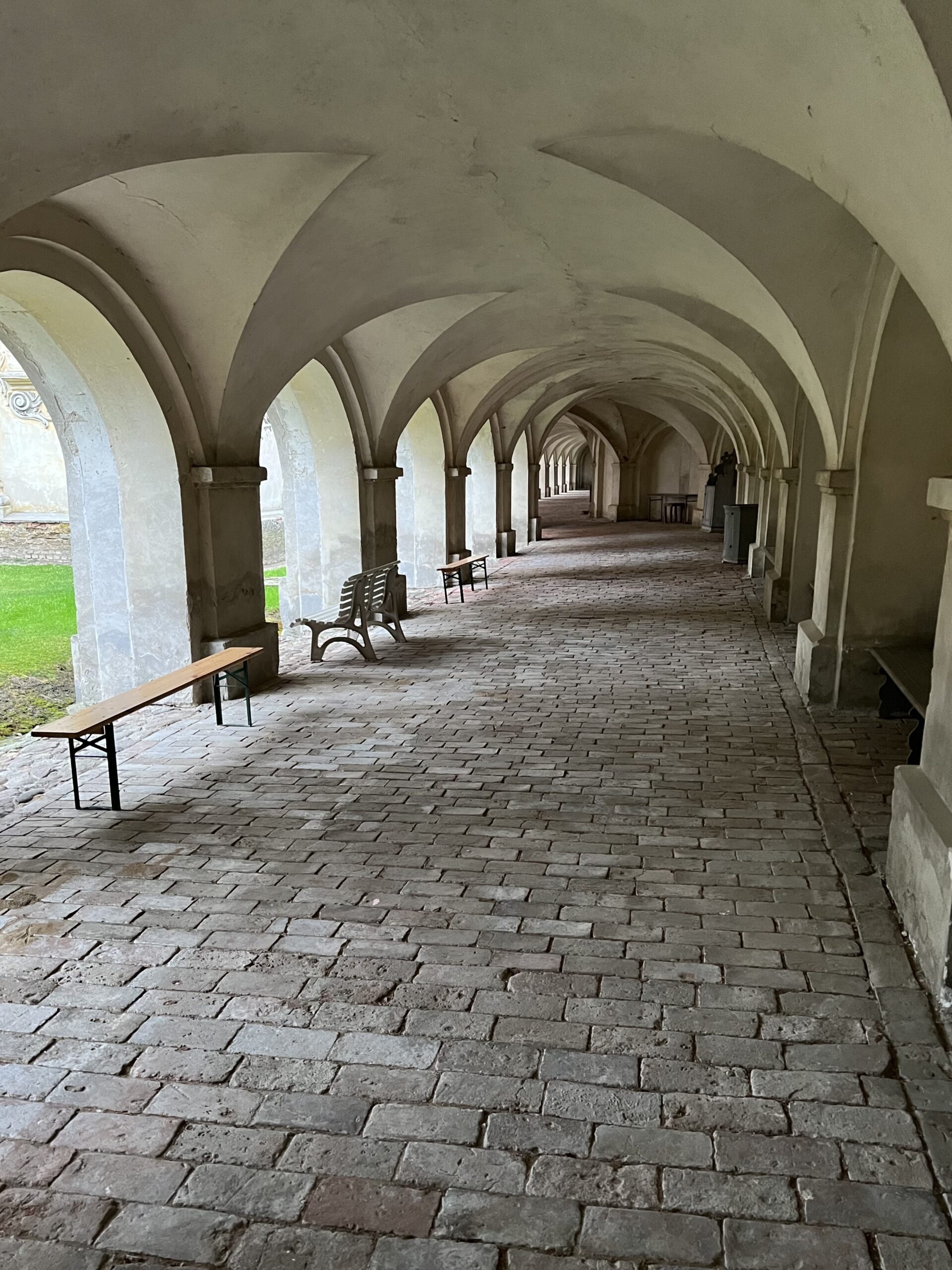
Between the outer walls and the church is a covered gallery. It is a cloister walk, which goes entirely around the church. I don't experience this very often, and it makes the pilgrimage site all the more special. The paving was renewed not so long ago. I want to do the walk along the stations later in the day, because first I need to go inside the church.
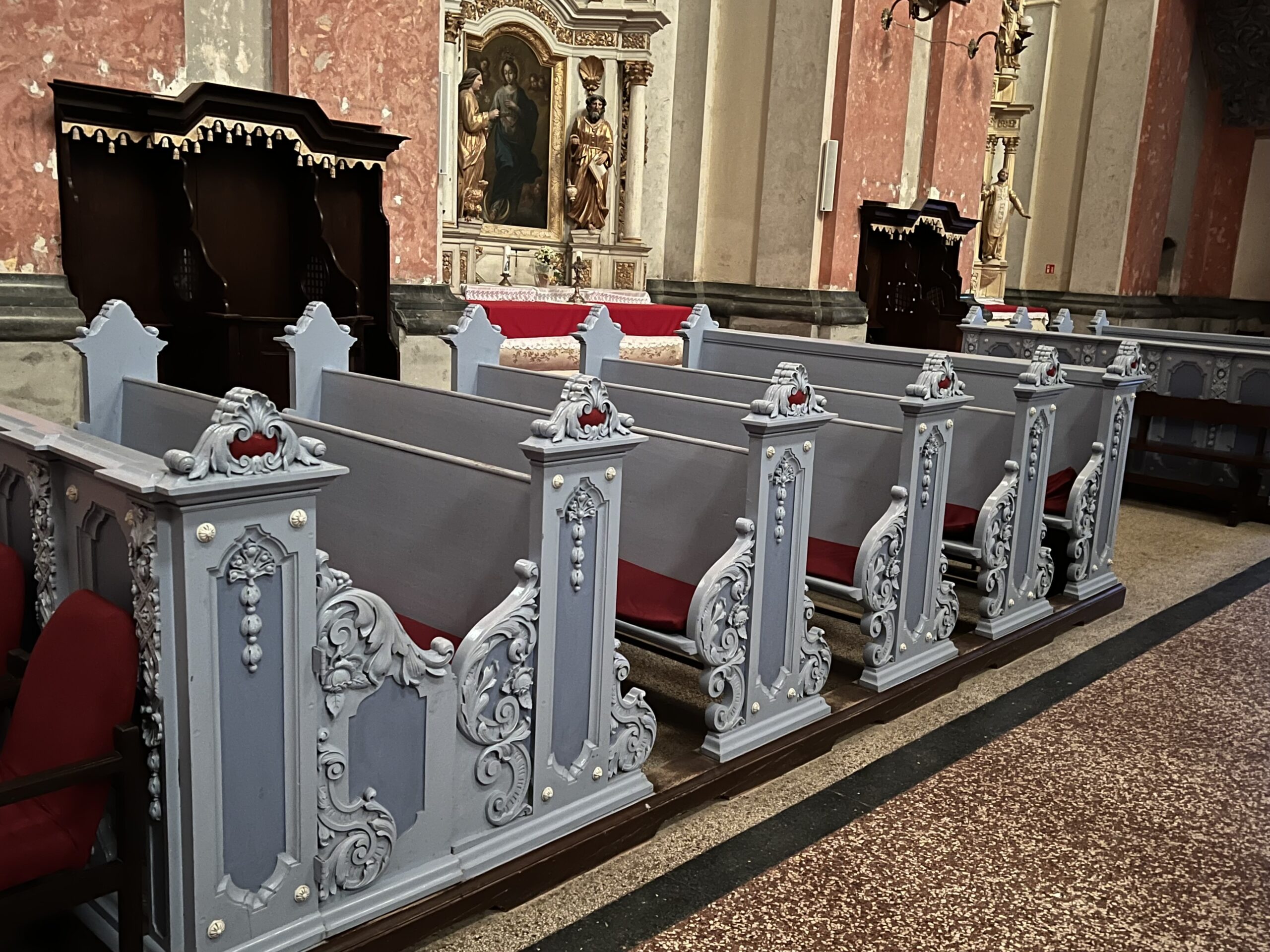
The pilgrimage church is, in a word, heartwarming, and the interior feels so welcoming to me. The main altar is magnificent with the statue of grace of Mary at the centre. Strikingly beautiful are the ancient, carved wooden pews. These are certainly of a higher class than the little chairs in many a church.
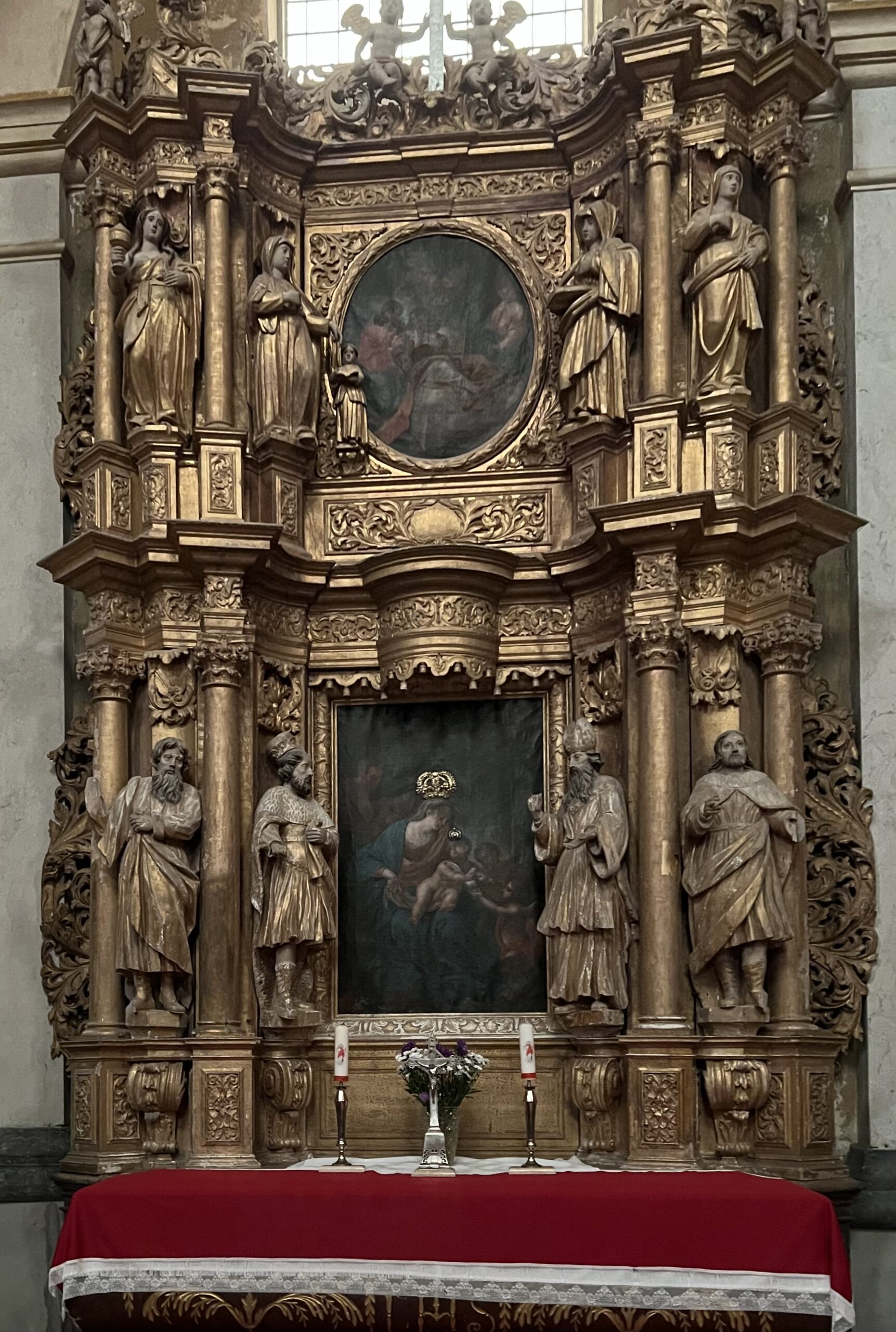
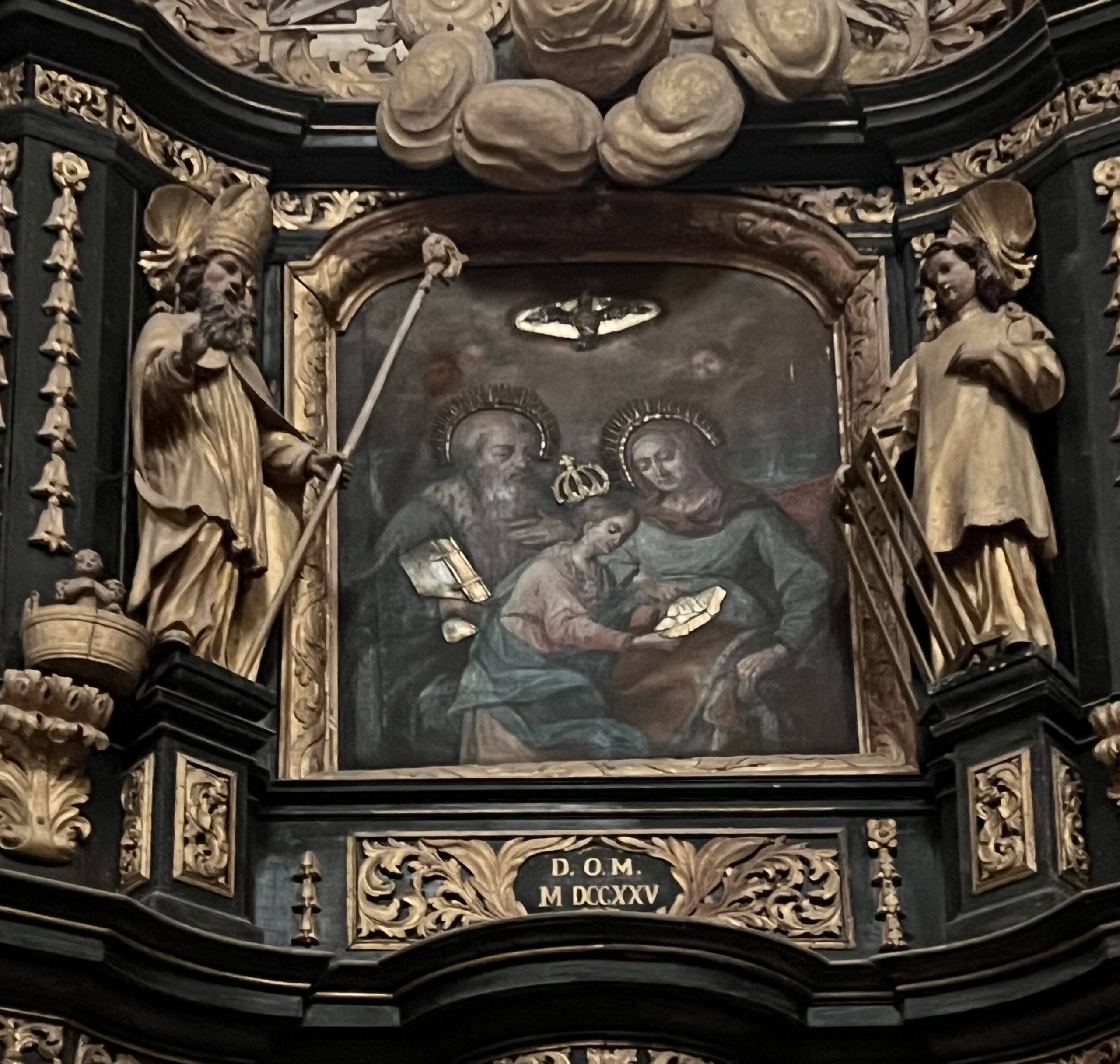
In the church, there is an altar structure with the crowned Mary and Child, with large statues on either side. On another altar, Mary and Child are also depicted, with Our Lady giving a scapular. Above this is a painting of the Holy Family, with an image of Saint Nicholas on the left. The year 1725 is mentioned underneath. It is then time for prayers and a prolonged reflection on several facets of my life.
This shrine is being renovated step by step. Financial resources currently prevent a large-scale approach. This material heritage deserves a long life. The shrine is, to me, a jewel of sacral architecture and spirituality in northeastern Poland and deserves many visitors.
Environment
The pilgrimage site of Gietrzwald is located 60 km south of Krosno.
Orneta is 3 km to the west.
The large town of Olsztyn lies 53 km south of Krosno/Krossen.
The port city of Gdansk is located 118 km west by road.
To go to the capital of Poland, you need to travel 280 km south to arrive in Warsaw.
The Russian city of Kaliningrad can be reached by travelling 98 km north-east.
Posted: 5 October 2024
~~~
