History
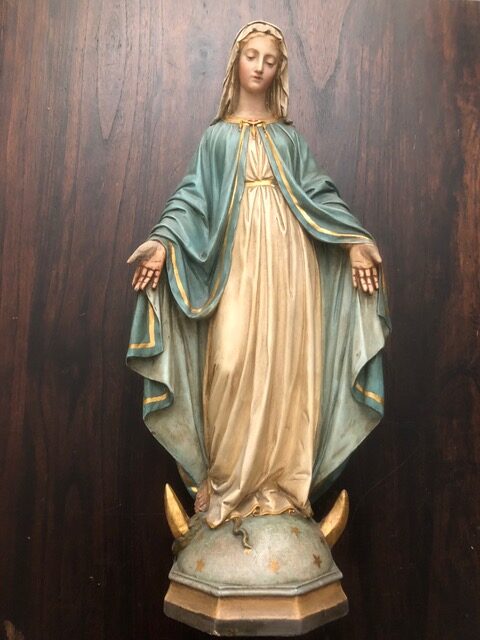
In the 14th century, there was a chapel dedicated to Saint Stephen. This chapel fell into disrepair and was demolished in 1564. A new chapel was built on the same spot in 1565. Interest in Saint Stephen waned, and an icon of the Virgin and Child from Rome was placed in the chapel. Due to the Marian artwork, interest in the chapel increased and pilgrimages began. Pilgrims sought and found healing for their ailments at the icon.
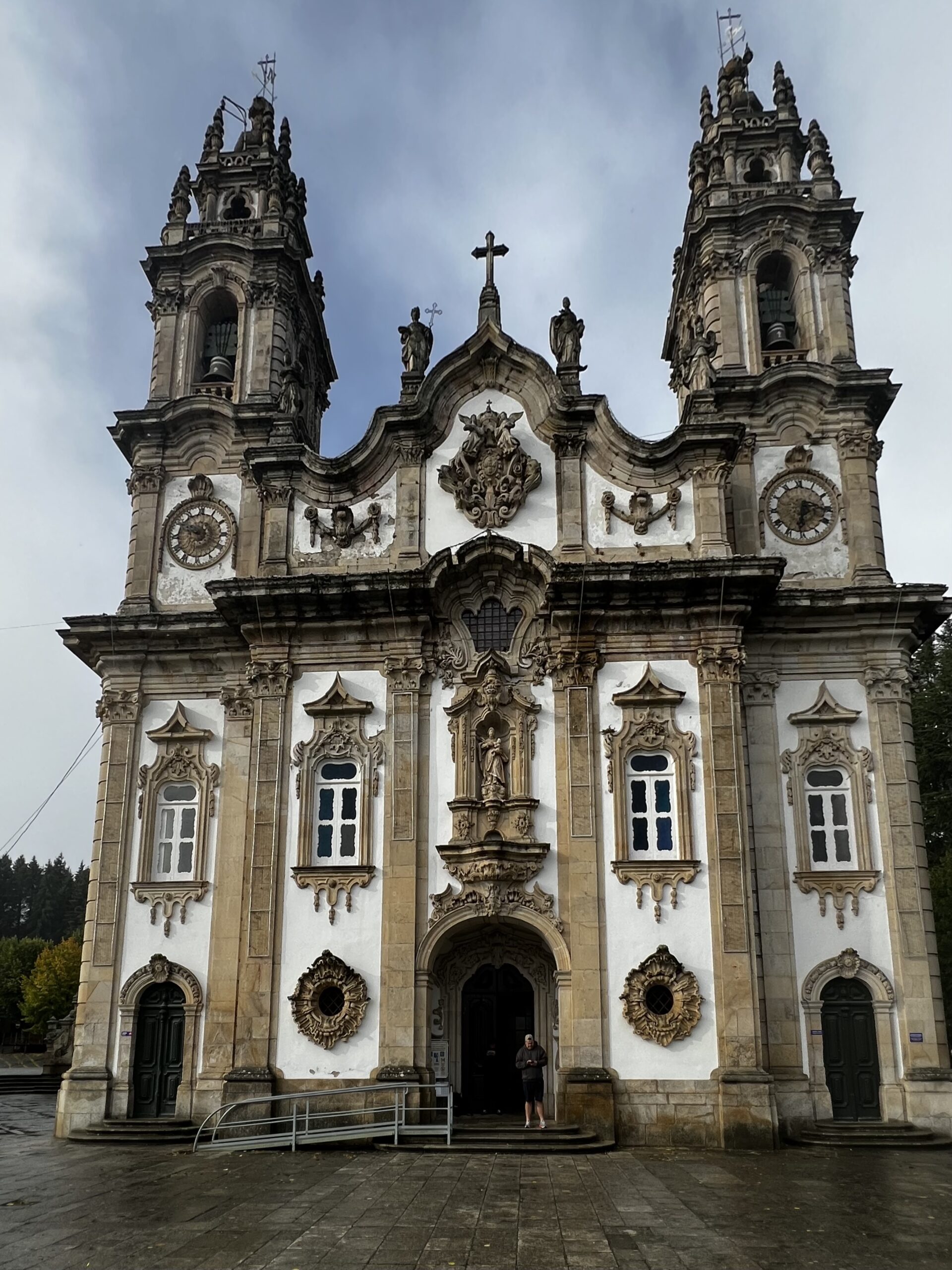
Due to the increasing flow of pilgrims, the bishop decides in 1748, following the example of the Brotherhood, to have a church built. The foundation stone is laid on 14 February 1750. The consecration takes place on 22 July 1761. The large building is completed on Santo Estêvão mountain on 4 October 1905 with the completion of the second tower. It is therefore a remarkably long construction period.
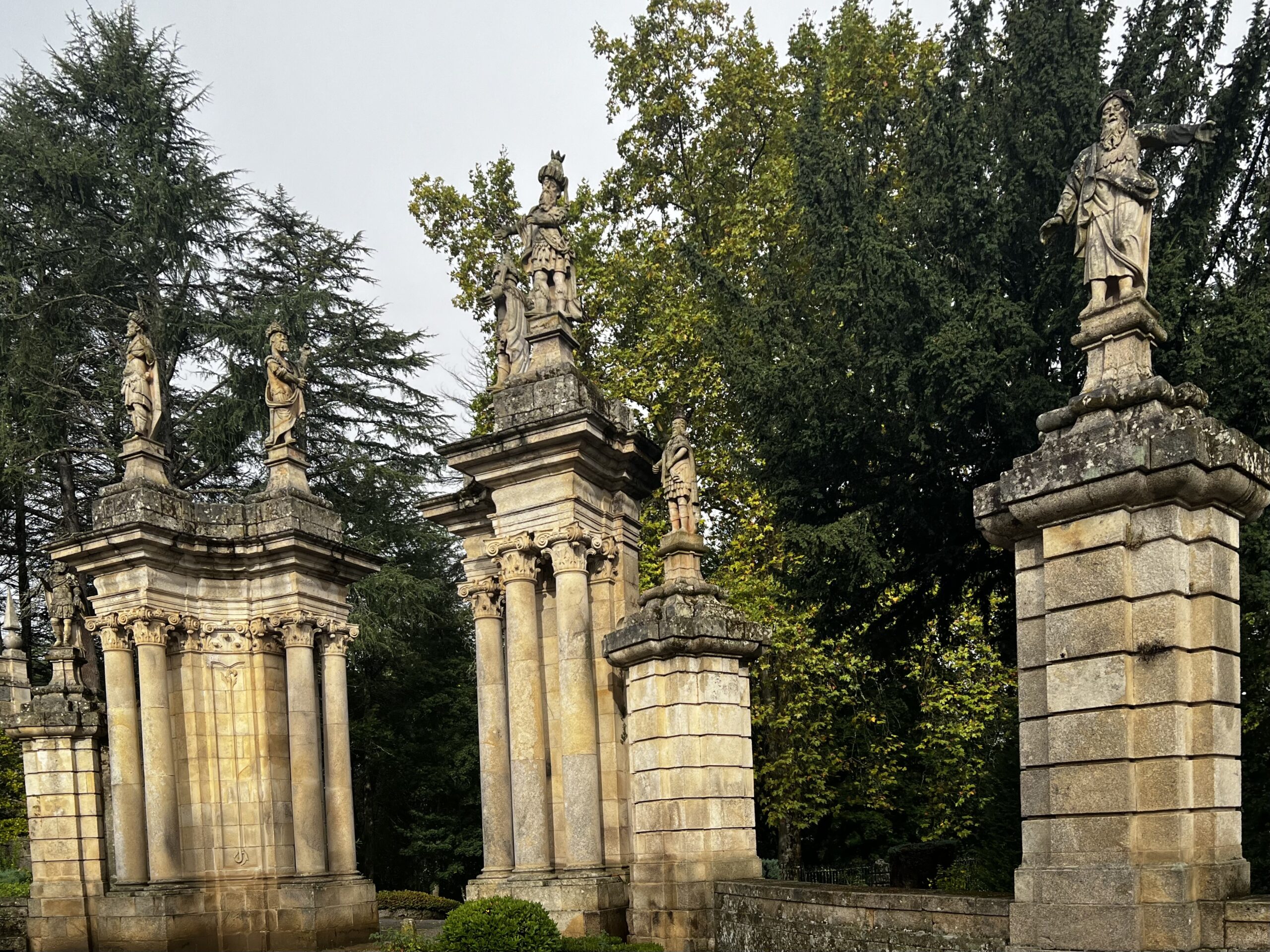
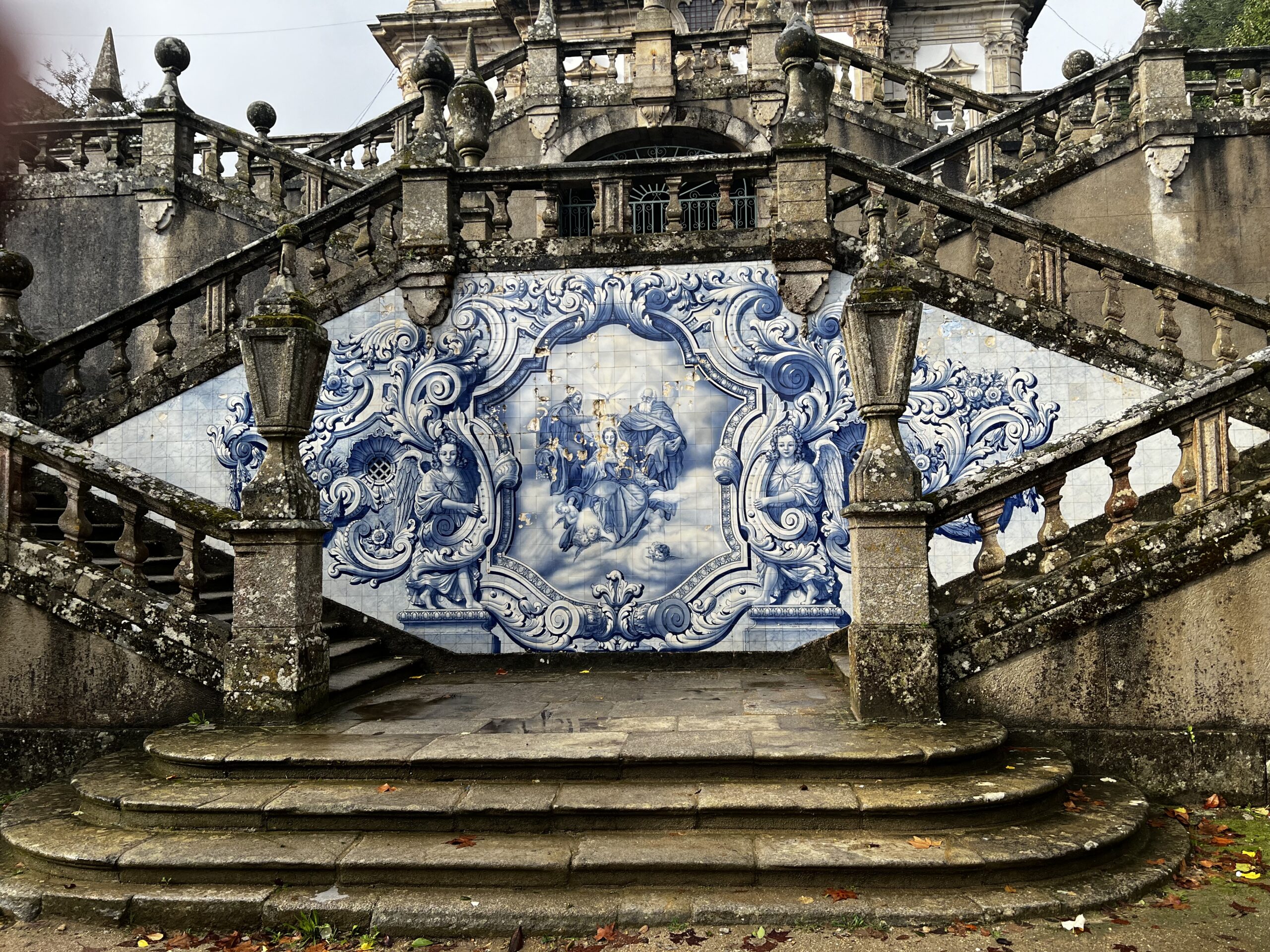
In 1778, construction began on a staircase with hundreds of steps, specifically 307 steps in the centre, 309 on the left side, and the same number on the right. This makes a total of 925 steps. In addition, there are decorations of images in the Portuguese tile style, fountains, an obelisk, and statues of kings and patriarchs of Israel, who belong to the tribe of Jesse. The stairway also had a long construction period. Work began in 1777 and continued until 1969.
The pilgrimage church features some Baroque decorations by Nicolau/Niccoló Nasoni (1691-1773). The granite fountain next to the church is also by him.
In 1898 the adjacent park was laid out.
In 1954–1955, blue tiles in the grand staircase were painted by the company Fábrica do Carvalhinho from Vila Nova de Gaia. In addition, the Atelier Escola Antiga from Turquel created artworks under the direction of João Nogueira Moreira (*1963).
In 1984, the pilgrimage site, with its stairways and park, was classified as a Property of General Interest.
Pilgrimage site
On a hill lies the pilgrimage church of “Nossa Senhora dos Remédios” (Our Lady of Remedies). Hundreds of steps must be climbed to reach the pilgrimage church. Many decorations adorn the stairs. Statues have been placed and typical Portuguese artistic expressions have been applied with blue tiles.
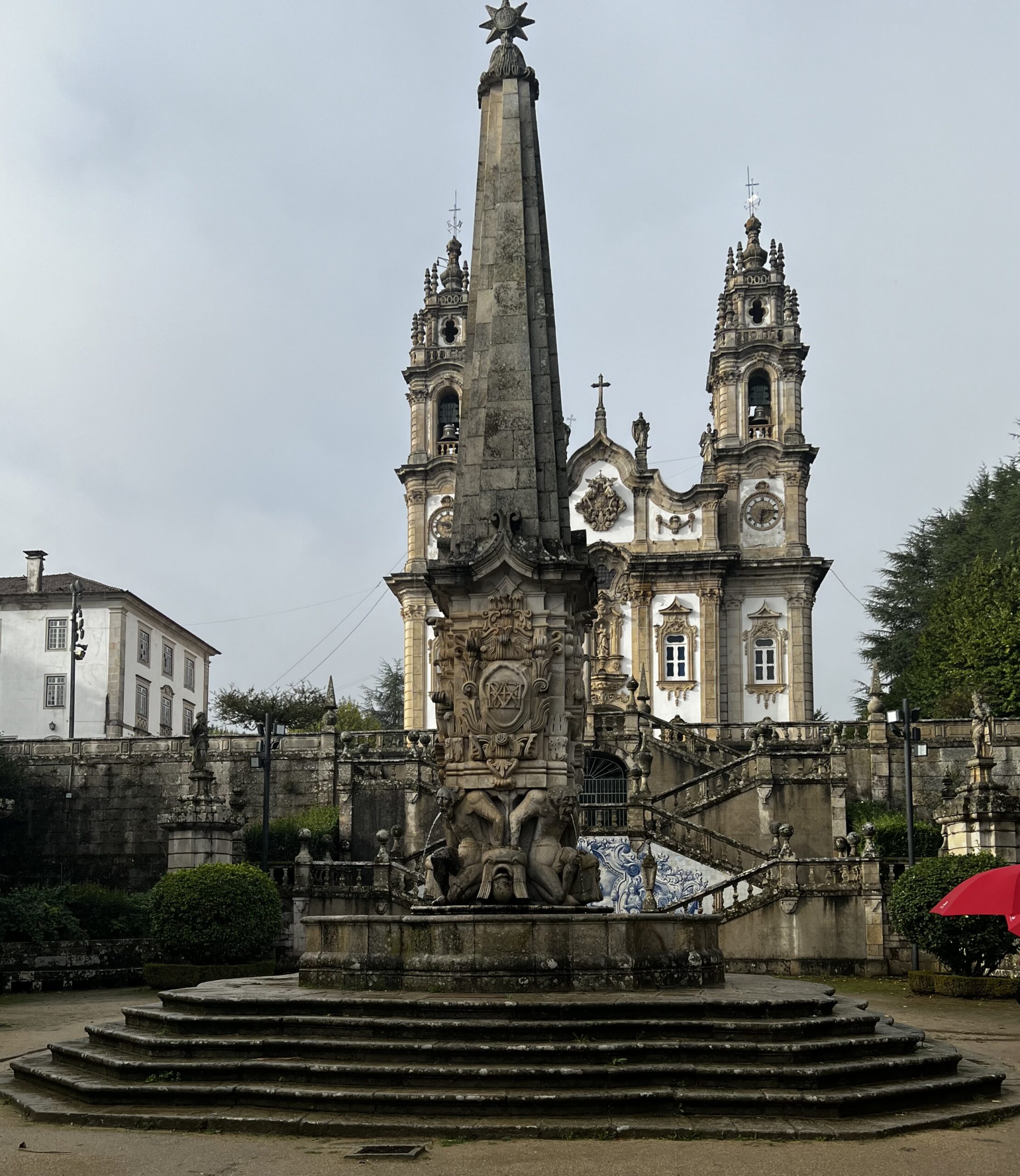
At the foot of the stairs is a small, 16th-century chapel with 8 corners. It was built in 1564 in honour of Mary, commissioned by Manuel de Noronha (c. 1490-1564), Bishop of Lamego (1551-1564).
Close to the pilgrimage church stands a 22-metre-high obelisk.
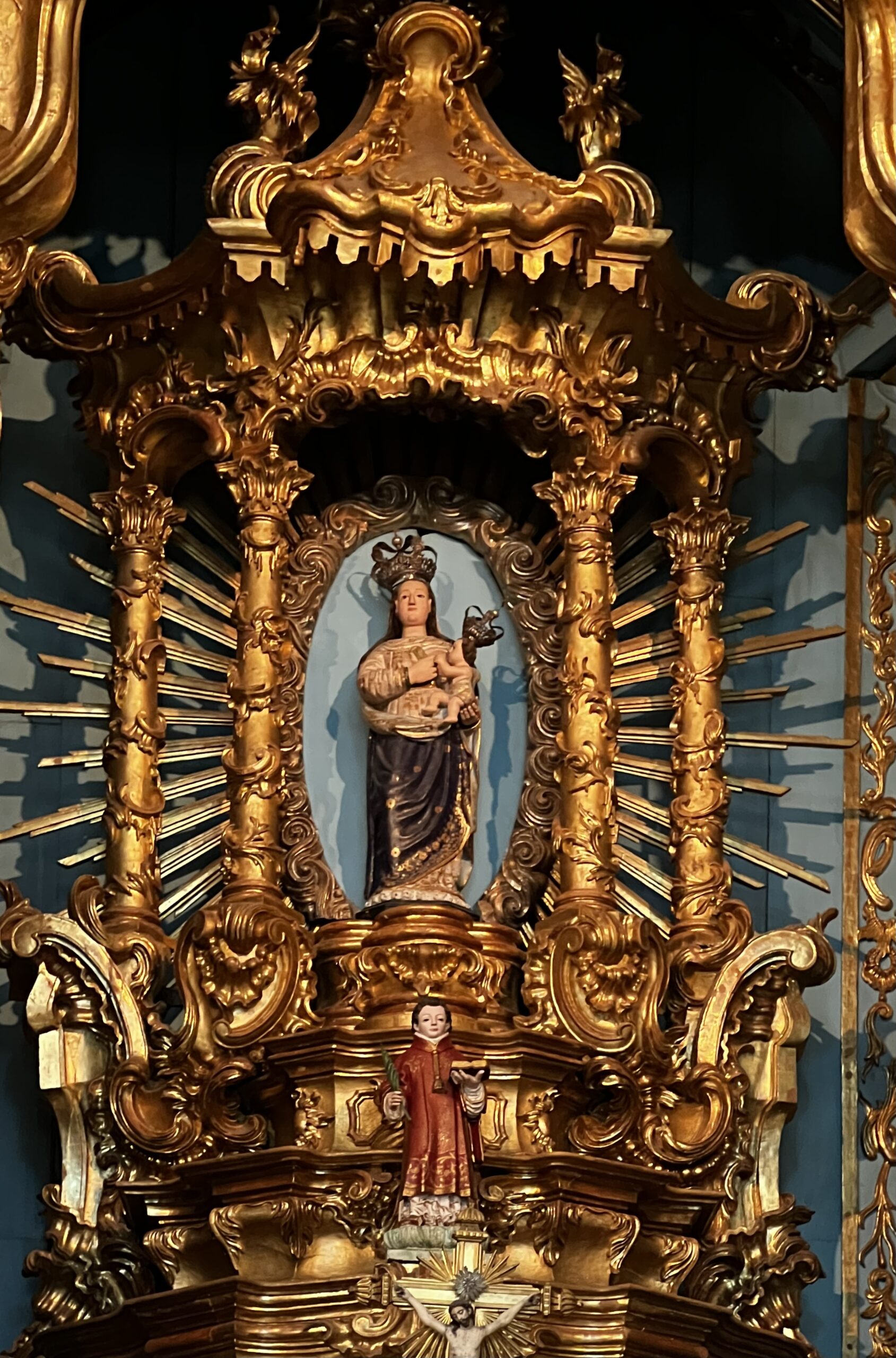
The pilgrimage church has a facade with elements of both Baroque and Rococo styles. The facade is flanked by two towers. The interior contains the 16th-century wooden carved image of “Nossa Senhora dos Remédios”. The side altars are dedicated to the parents of Mary, namely Ann and Joachim. Scenes from the life of Mary can be seen in the church.
ACCESSIBILITY
Het bedevaartsoord ligt op een heuvel, nabij het park “Parque de Santo Estevão”.
Postcode: 5100-025 Lamego.
Website in Portuguese: www.sanctuarioremedios.pt.
Experience
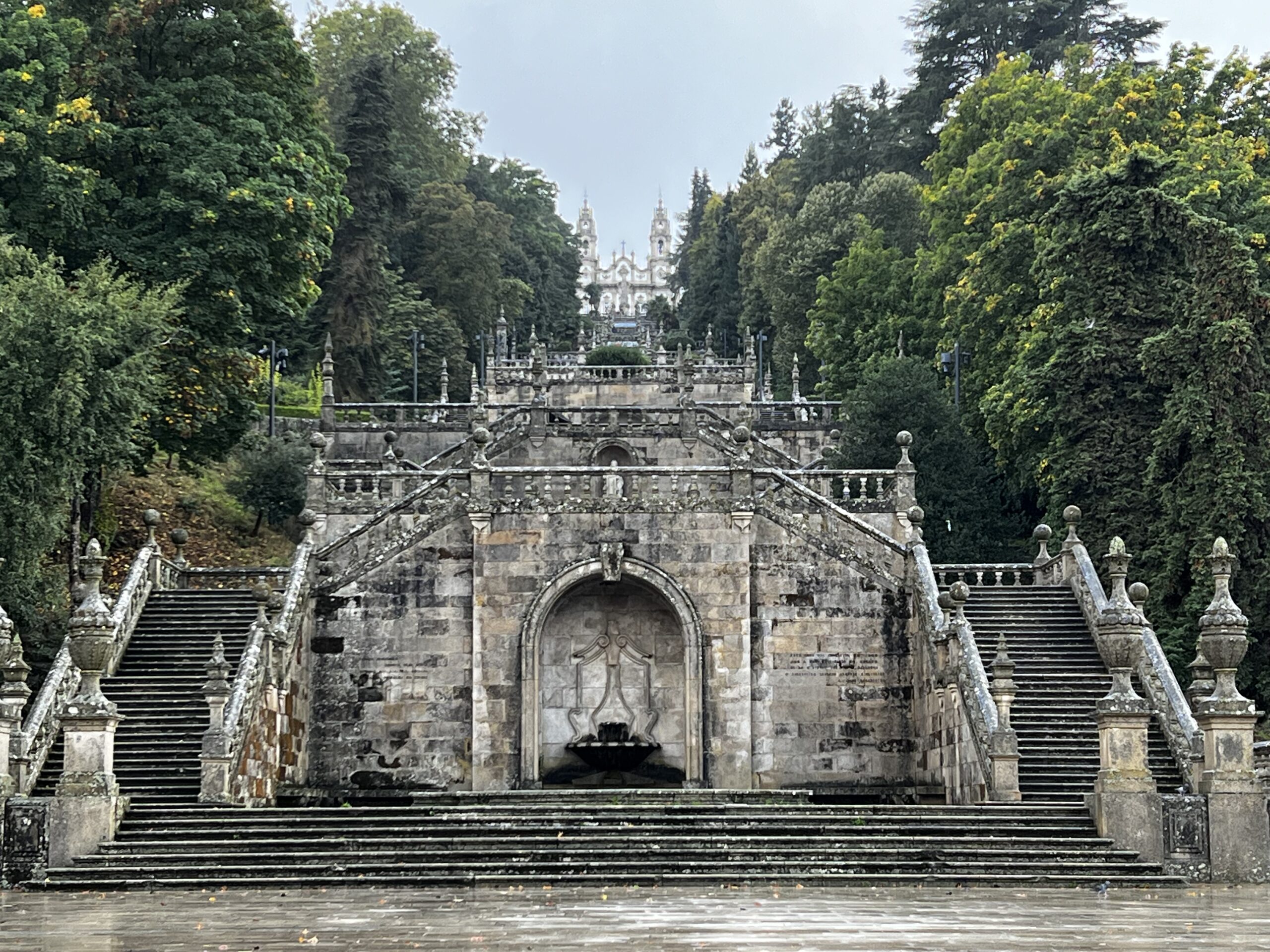
I've been told that I have about 700 steps to climb to reach the sanctuary. That must be some impressive staircase. The car will be parked in a car park and a little later I arrive at Avenida Dr. Alfredo de Sousa, and here the grand staircase begins. Fortunately, I'm feeling reasonably well, otherwise I wouldn't have chosen this option.
After climbing the many steps, I reach the summit of the mountain. It's time to rest and enjoy the panorama. What a view!
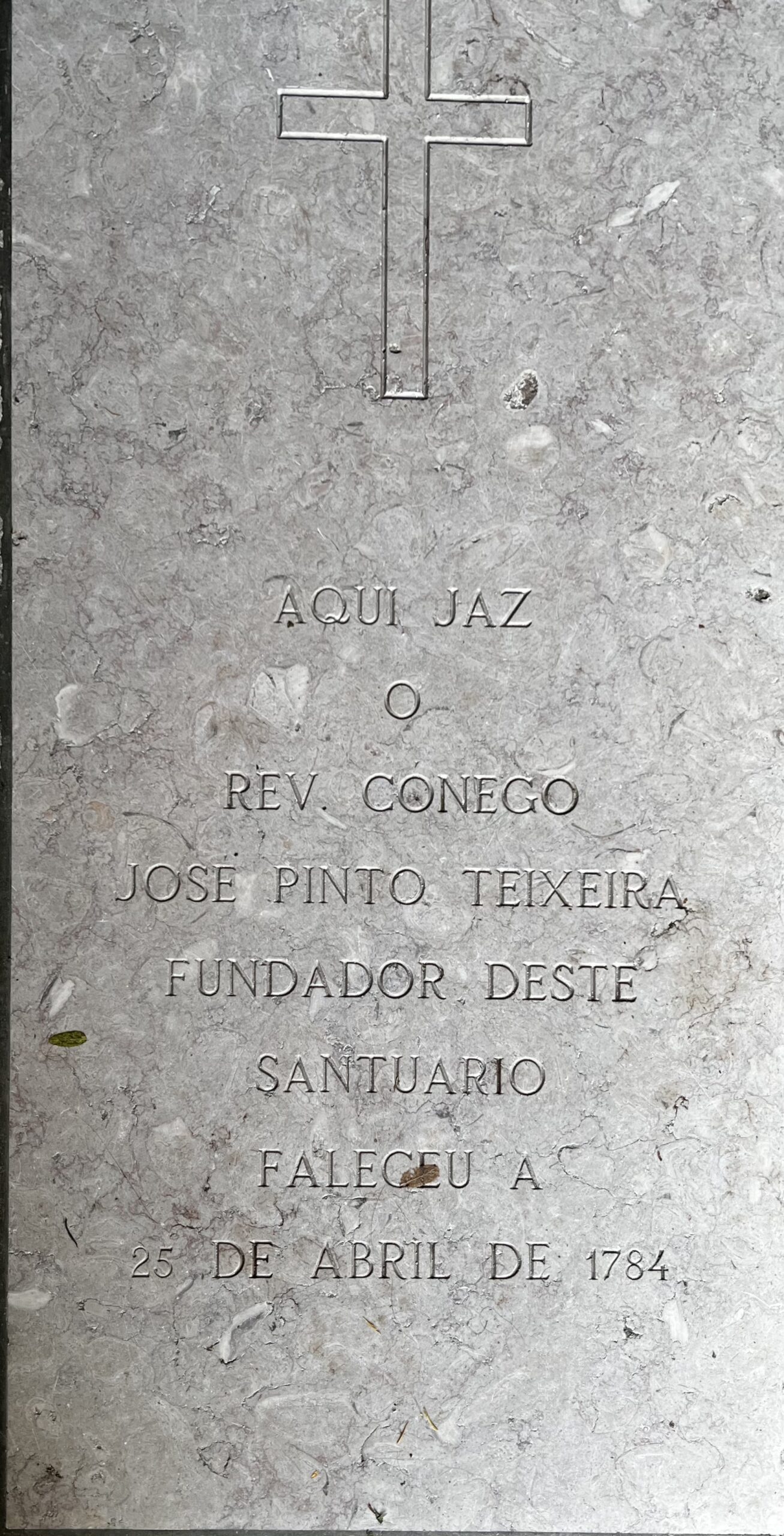
Next, I'll go into the pilgrimage church. At the entrance lies a large slab; it is the tombstone of the initiator of this sanctuary, Canon José Teixeira Pinto (+1784).
In this beautiful house of God, the statue of grace is a jewel.
Other sculptures and stained-glass windows also catch my eye.
As I leave the pilgrimage church, I see a thick, old tree standing there. The text by the tree says that this natural product has been enhancing the surroundings for over 700 years.
Then it's a lot of steps to go down. What a very special shrine this is!
Environment
There are many cycling and walking routes in and around Lamego.
From the large city of Porto, it is 128 km east to get to Lamego.
Leaving Braga to go to Lamego means travelling 139 km to the southeast.
The world-famous pilgrimage site Fatima is located 226 km from Lamego. From Fatima, it is over 200 km to travel north.
Travelling from the Portuguese capital, Lisbon, to Lamego is a journey of 348km north.
Posted: 30 November 2024
~~~

 Nederlands
  English (UK)
  Deutsch
  Français