History
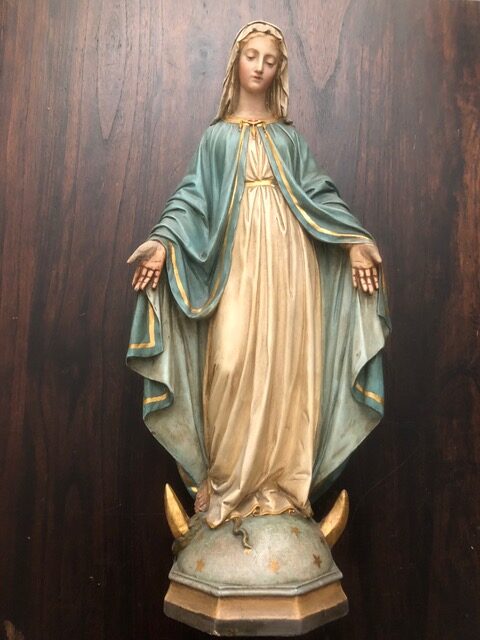
The origins of the pilgrimages to Maria Alm are due to a legend... A bear attacks a farmer and mauls him on top of the Schattberg, where the path leads to the river Jetztbach, south of Maria Alm. At the depiction of Mary from around 1480, which was erected there, numerous answered prayers were experienced in very dire circumstances. Because of this, believers had a chapel built. Subsequently, the pilgrimage flourished. Initially, pilgrims came to pray to Mary for protection against the bear plague.
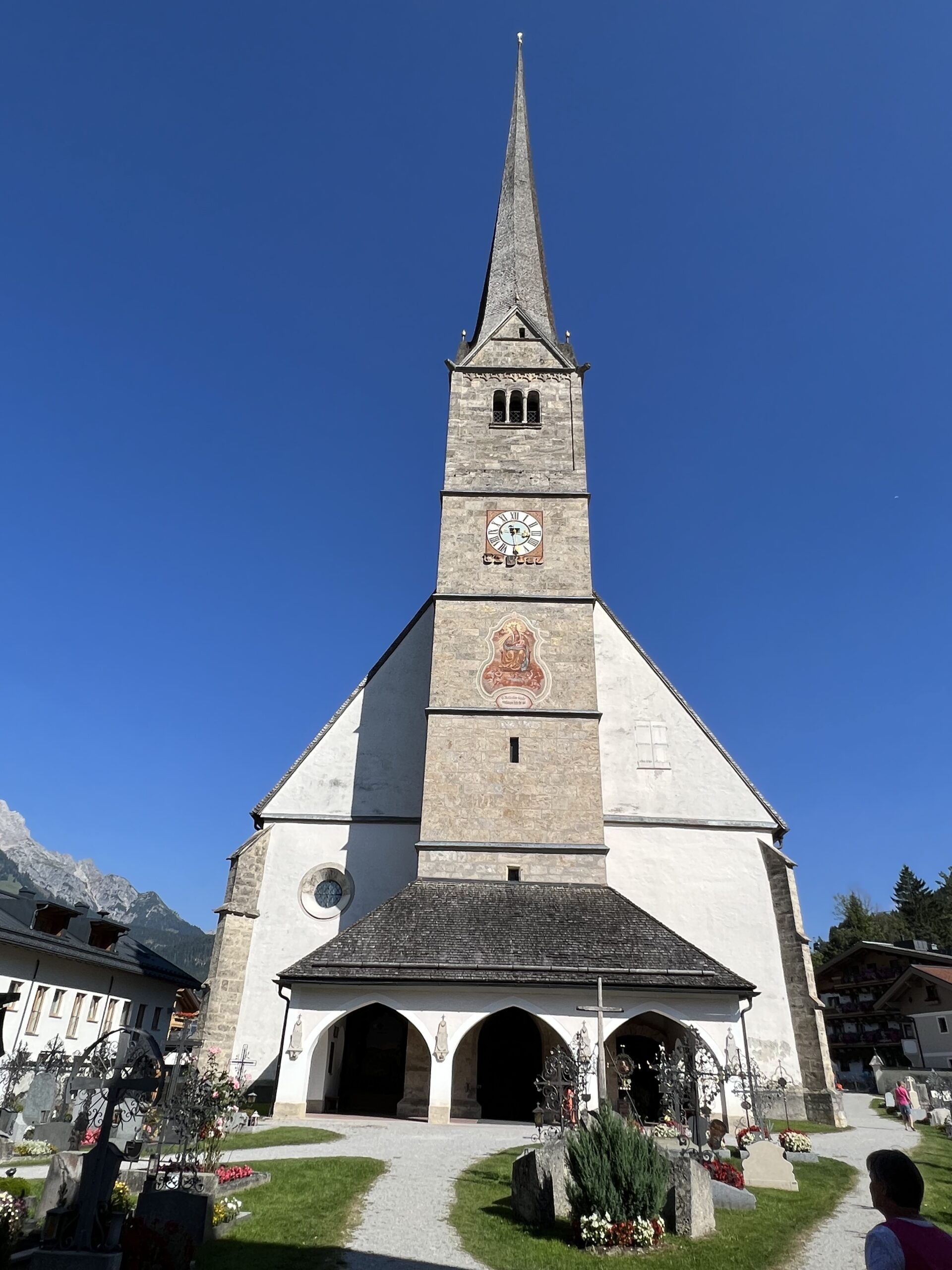
A church in Alm is mentioned in 1374. The origins of the church lie in the era of the influential Von der Almb (Alben or Alm) family, who held a prominent position among Salzburg nobility and dominated the region for over 400 years. This family owned extensive estates. Their castle once stood on the 2097-metre-high Schattberg, where the “Burgstallgut” is now located. This noble family possessed domains in the Pinzgau region, situated above the Salzach River.
The current church of Maria Alm is the third on the same site. The first church was built in the mid-12th century. The second church was built in the 13th century. The tower is old, as it was built around 1300 and raised in the early 16th century. In 1429, Martin V, Pope from 1417-1431, born Oddone Colonna (1368-1431), granted an indulgence (forgiveness of sins in exchange for money) to those who contributed to the completion of the church. The current church was consecrated in 1508 and later enlarged.
In 1511, Leonhard von Keutschach (1442-1519), Archbishop of Salzburg (1495-1519), decreed that a Mass be held daily in Alm.
The growing stream of pilgrims meant that around 1600 the statue of Mary was brought into the church. This marked the beginning of the pilgrimage to the church. The church is dedicated to Our Lady of Birth of the Mother of Grace. The tower measures 84 metres and is one of the tallest towers in Tyrol.
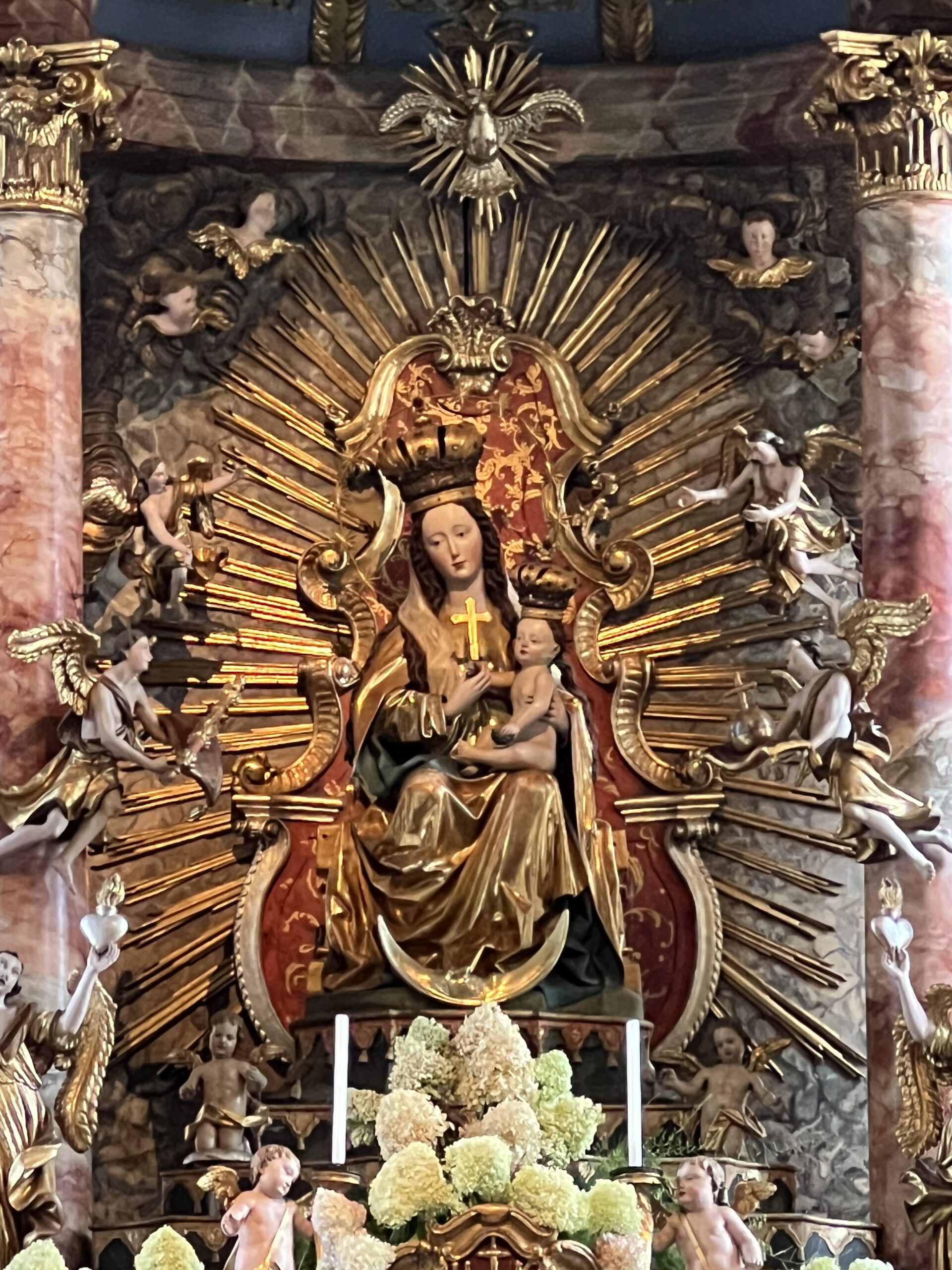
In 1636, a new, wooden, late Gothic statue of Mary was carved, based on the model of the old effigy from around 1480. The current statue is in the church of Maria Alm and depicts a enthroned Our Lady. She holds her naked Child with her left hand on her lap. The young Jesus holds grapes in his left hand. The grape is symbolic of suffering. In their right hands, Mary and her Child hold a cross.
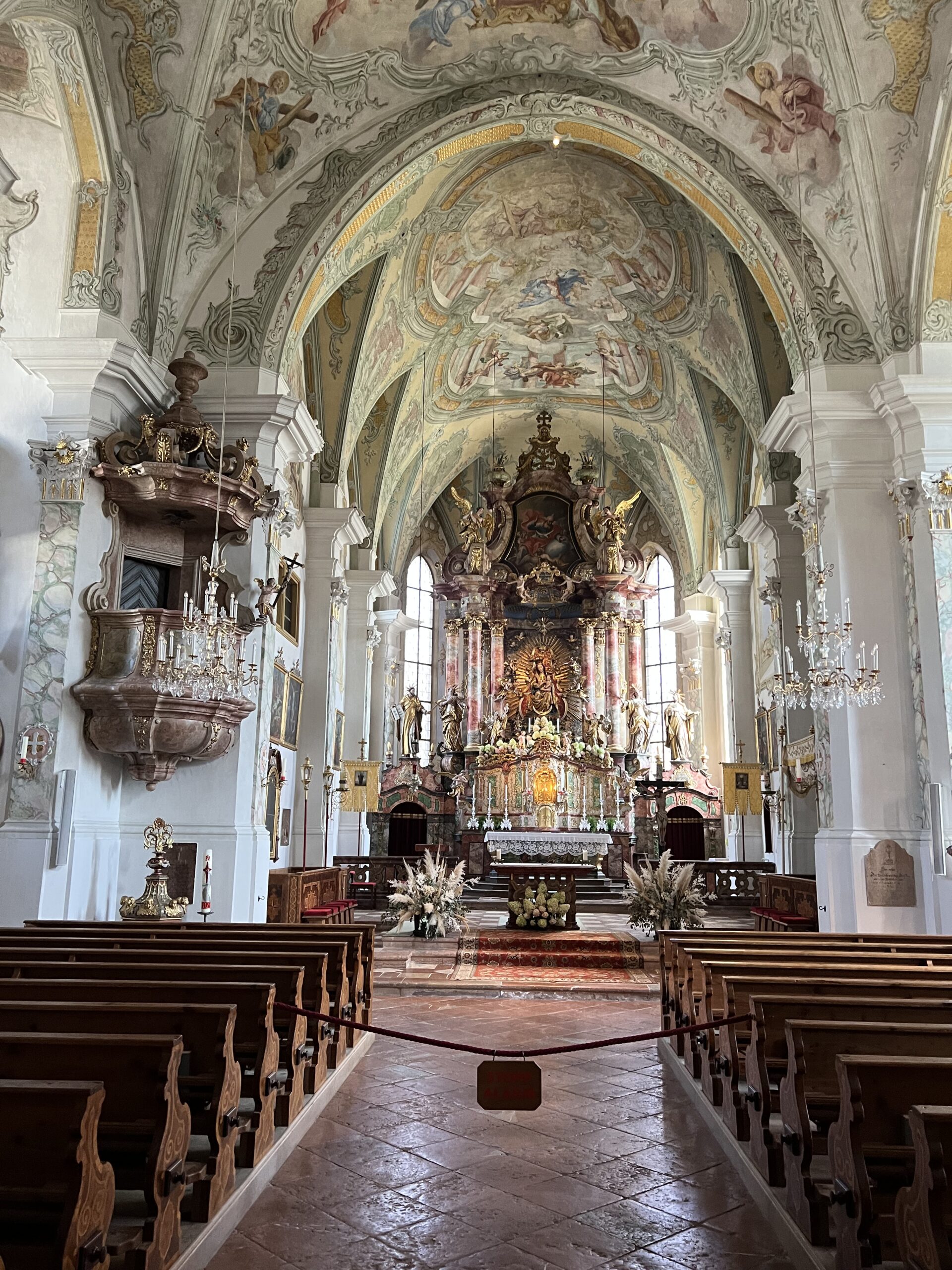
In 1737, the revealed answers to prayers were first included in a pilgrimage booklet. Since 1757, many frescoes have been applied to the ceiling of the church. The paintings were created by Christoph Anton Mayr (1720-1771) from Schwaz. In 1875, the frescoes were repainted and restored in 1932.
In 1858, Maria Alm became an independent parish.
The exterior was renovated between 1985 and 1989, and the interior of the church was restored in 2019.
Pilgrimage site
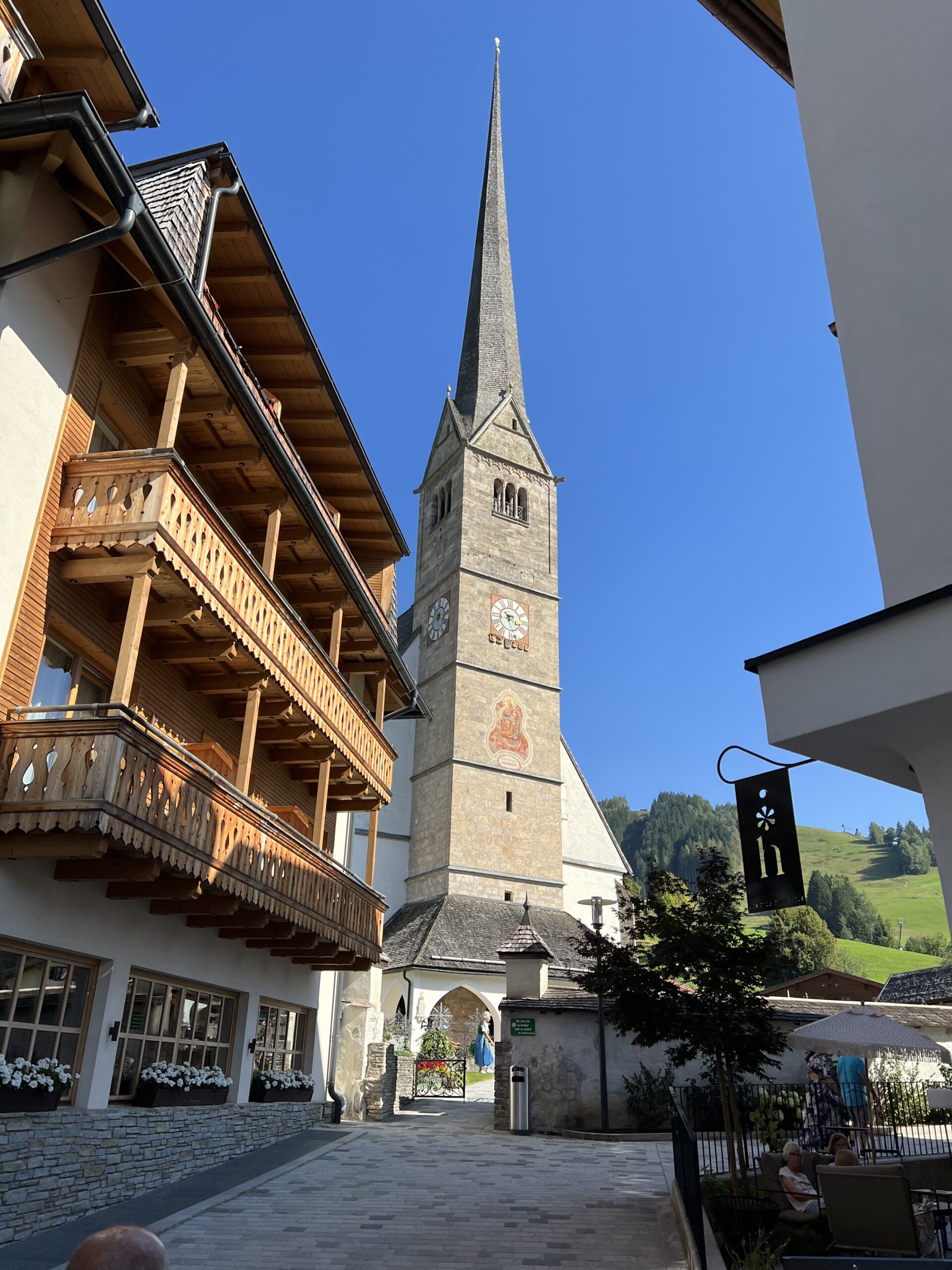
Maria Alm is a village with over two thousand inhabitants and lies 800 metres above sea level in the Hinterthal, overlooking the Hochkönig mountain range, which reaches a height of 2941 metres. The village is also called Maria Alm am Steinernen Meer, and this refers to a high plateau resembling a stone sea in the Northern Alps. The word “Alm” signifies a mountain pasture. The name was first mentioned here in 1228.
In the pilgrimage church, the 1636 icon of grace is housed in the high altar. Mary sits on a throne and golden rays surround Her. Many angels are also depicted around Mother and Child. A dove is affixed above the throne.
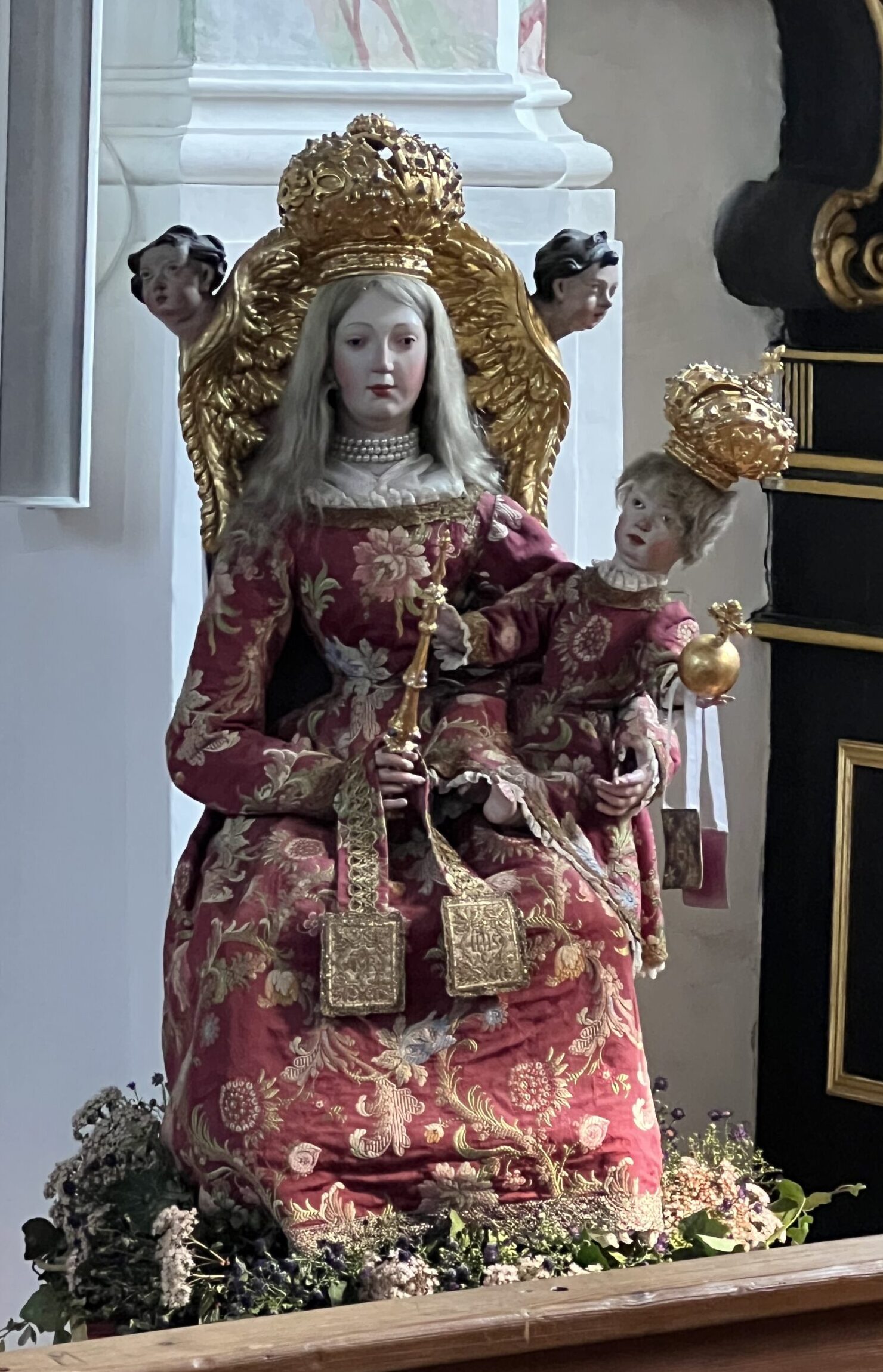
A 17th-century painting depicting the miraculous image also hangs in the church, with framing dating from 1710. On the north side of the church is a Nativity altar from 1744, created by Franz Ebner (1698-1756).
In the church, valuable votive offerings testify to the supra-regional significance of this pilgrimage site. Many of these can be viewed in the local history museum of Ritzen Castle. The oldest votive offerings date back to the 17th century.
The pilgrimage church is open daily.
ACCESSIBILITY
The address of the pilgrimage church is
Pfarrhofweg 1, A-5761 Maria Alm.
Maria Alm lies to the southwest of Salzburg and to the east of Kitzbühel in the state of Salzburger Land. Maria Alm belongs to the Zell am See district.
Up-to-date information can be found at www.pfarre-mariaalm.at.
Experience
From afar, the tower of the pilgrimage church is visible. What an invitation! When I arrive in the village, it's very busy. It's the festival day for the welcoming of autumn. Farmers are driving tractors through the town, and regional products are available at many stalls. Beer is being drunk in large quantities, and it's served in half-litre glasses of barley water. The atmosphere in Maria Alm is excellent.
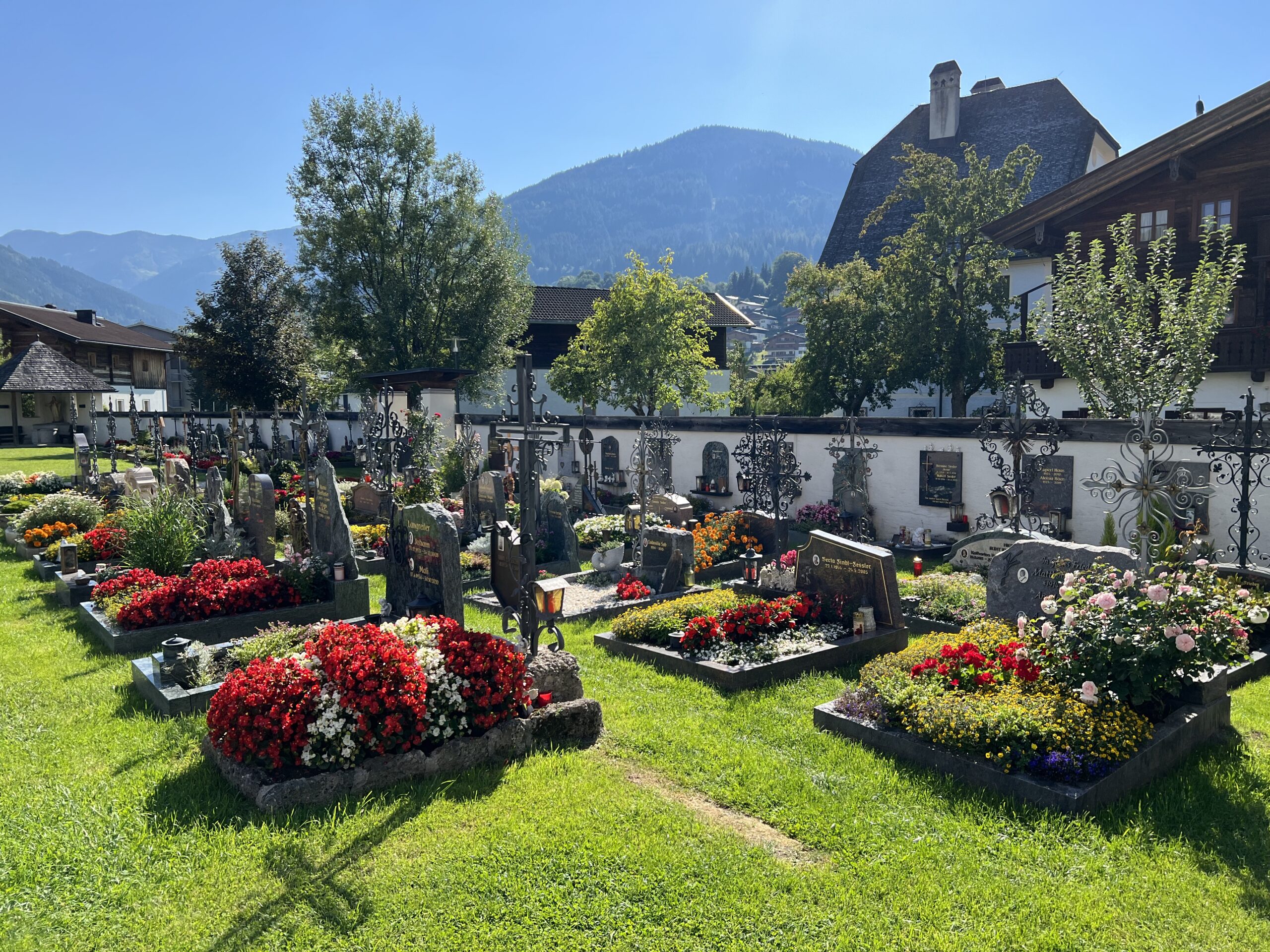
Before I enter the pilgrimage church, I look with great admiration at the very well-kept graves in the churchyard surrounding the church. What reverence for the deceased!
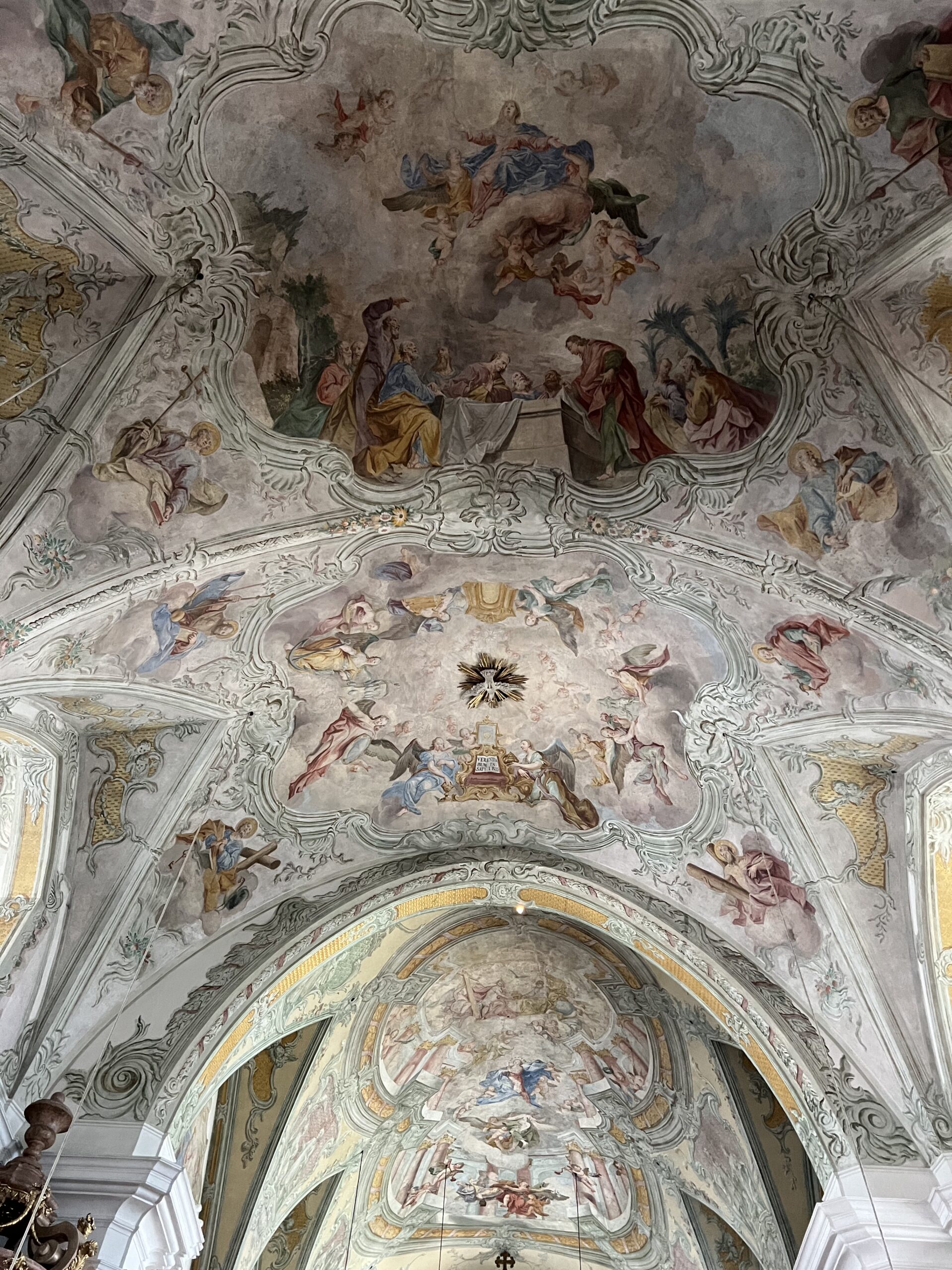
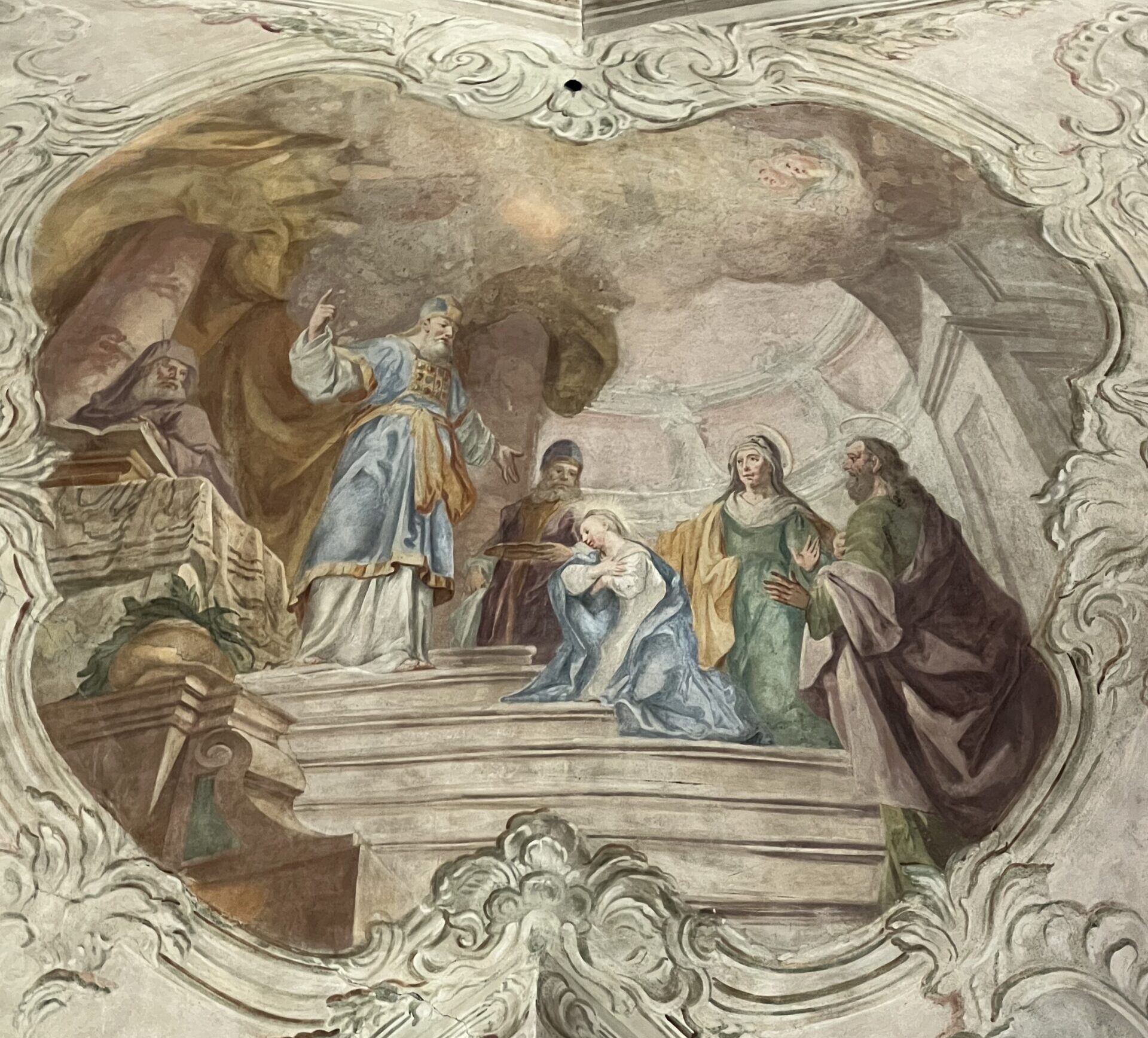
Upon entering the church, I notice the many frescoes. What magnificence! On the ceiling, I see a large fresco depicting the Coronation of Mary. The Assumption of Mary is also to be admired. I also see a ceiling fresco of the Adoration of the newborn Jesus by the Three Wise Men. Furthermore, the Nativity of Mary is painted.
In the pilgrimage church, the eye-catcher is the devotional image on the high altar. What beauty! What artistic expressions in this building!
It's an impressive experience to see many frescoes on the walls. I stand for a long time before an image of Mary draping a scapular over the later Saint Simon Stock (1165-1265). The sculptures and frescoes show great splendour. What artistic expressions!
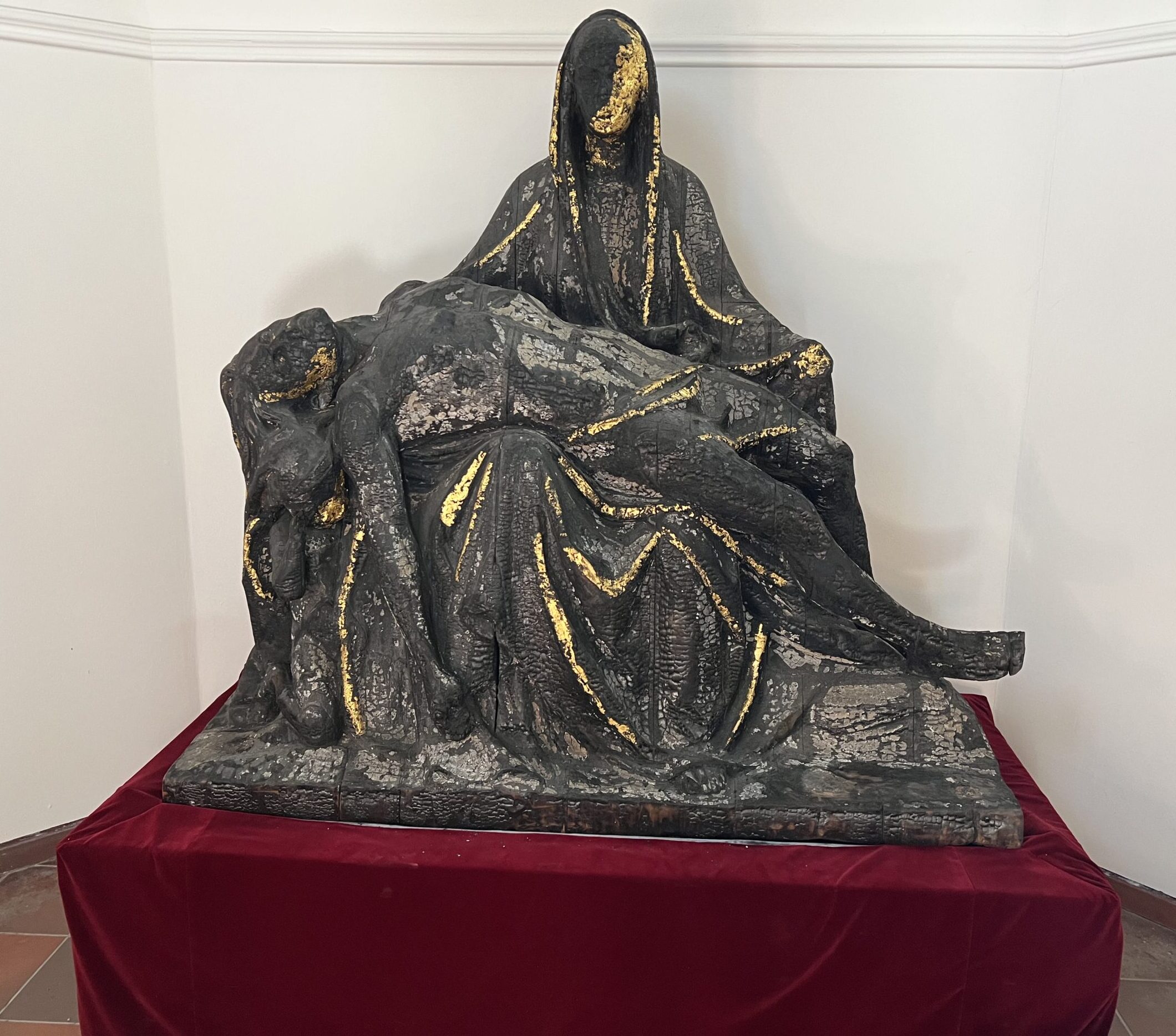
A large Pietà has been placed in the church. It is an effigy of great sorrow.
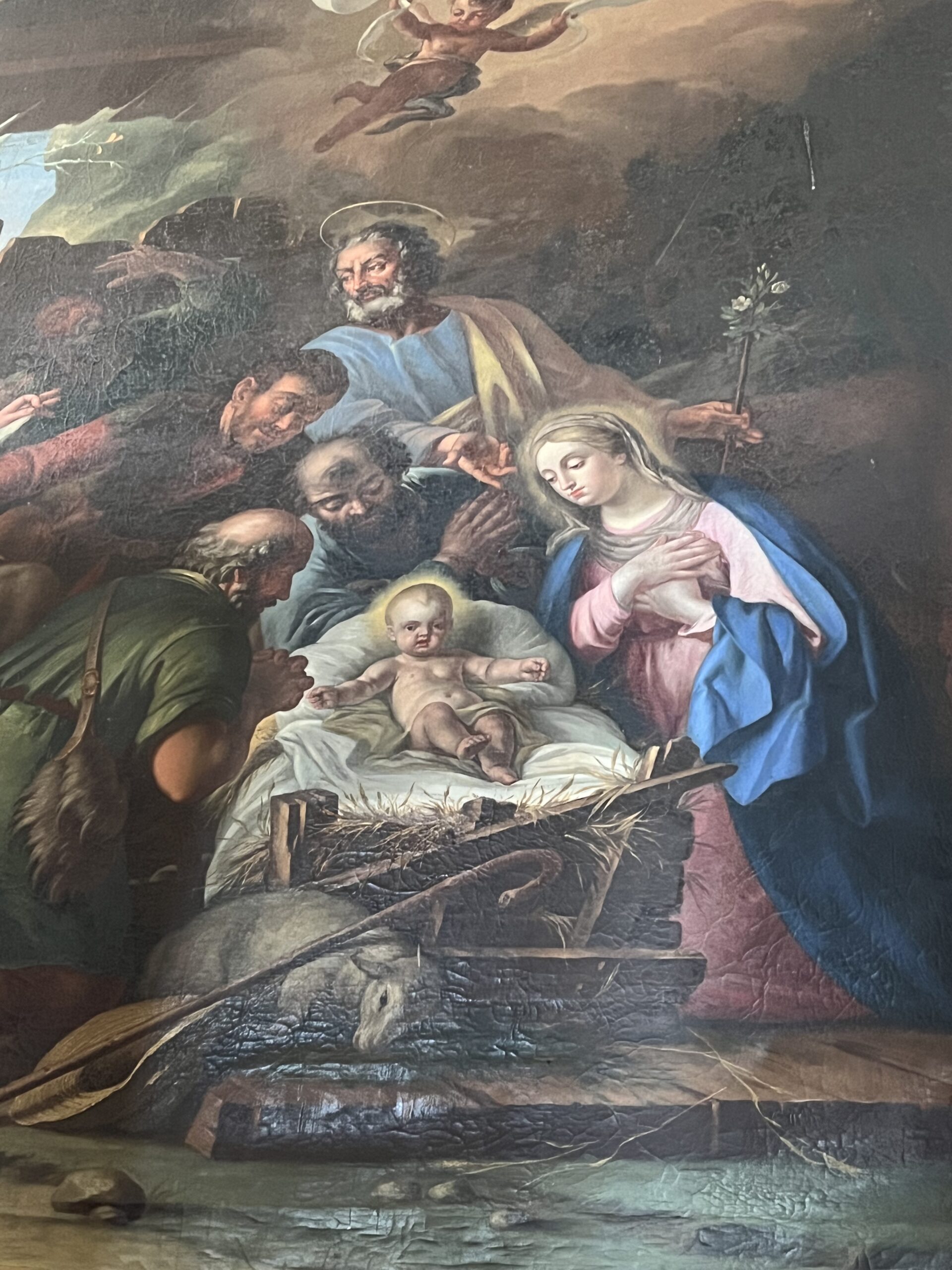
The right-hand side altar, dating from 1685, displays a sculpture featuring Mary's mother, Anne, Mary, and Mary's son Jesus. On either side are placed sculptures of Joachim, Mary's father, and Joseph, Mary's betrothed. These sculptures were crafted by Benedikt Faistenberger (1621-1693) from Kitzbühel. On the right side of the church, I come across works of art depicting phases from Mary's early life, such as the Annunciation, Nativity, and Presentation in the Temple. A painting of the shepherds' visit to the newborn Jesus, Mary, and Joseph can also be seen.
Particularly due to the richly present frescoes, this pilgrimage church is one of the most beautiful consecrated buildings in Austria for me.
Environment
Maria Alm is located 85 km southwest of Salzburg. The distance to the pilgrimage site of Maria Plain is 75 km, and St. Martin bei Lofer is located 27 km further northwest. To visit the pilgrimage site of Maria Kirchental, it is approximately a 30 km journey. The town of Zell am See lies 20 km below Maria Alm, and the distance to the neighbouring municipality of Saalfelden is just 5 km.
The surroundings of Maria Alm are exceptionally suitable for walking and cycling tours.
Posted: 22 September 2023
Last modified: 1 March 2024
~~~

 Nederlands
  English (UK)
  Deutsch
  Français