History
The history of the creation of the pilgrimage site in Heiloo dates back centuries. History tells...
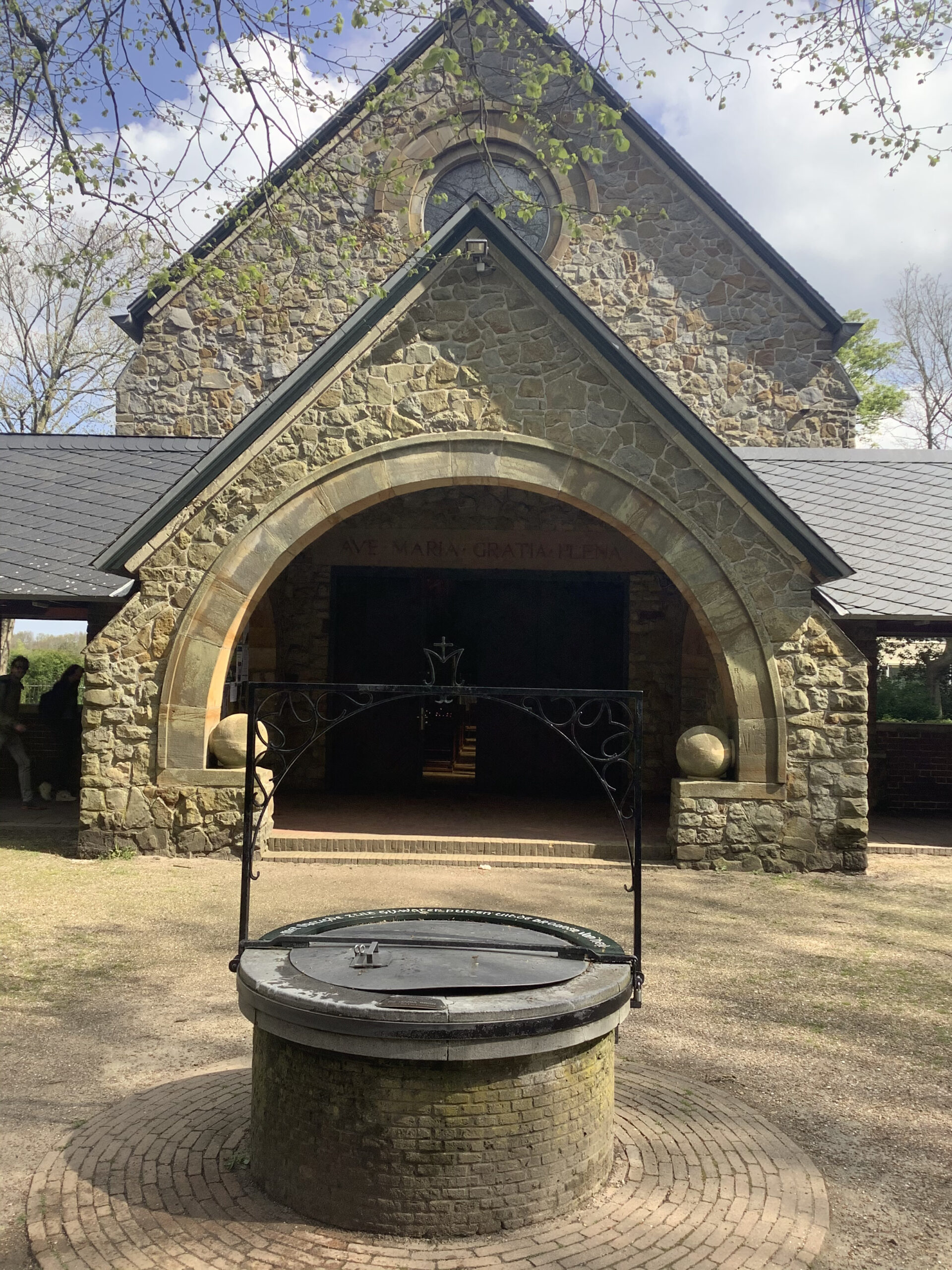
The Runxput, the spring, plays an important role in the origin of the Sanctuary. The spring is first mentioned in a 11th-century Latin text. The mention is “puteus Rorikespit dictus”. This means “the spring named Roriksput”. The origin of this name may come from Viking chieftain Rorik, who lived in the 9th century.
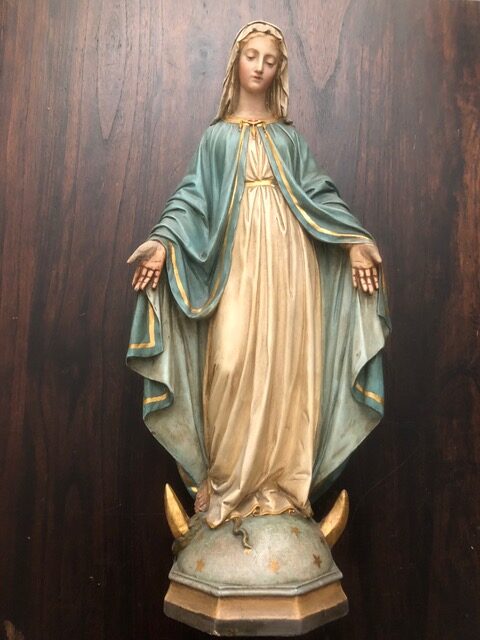
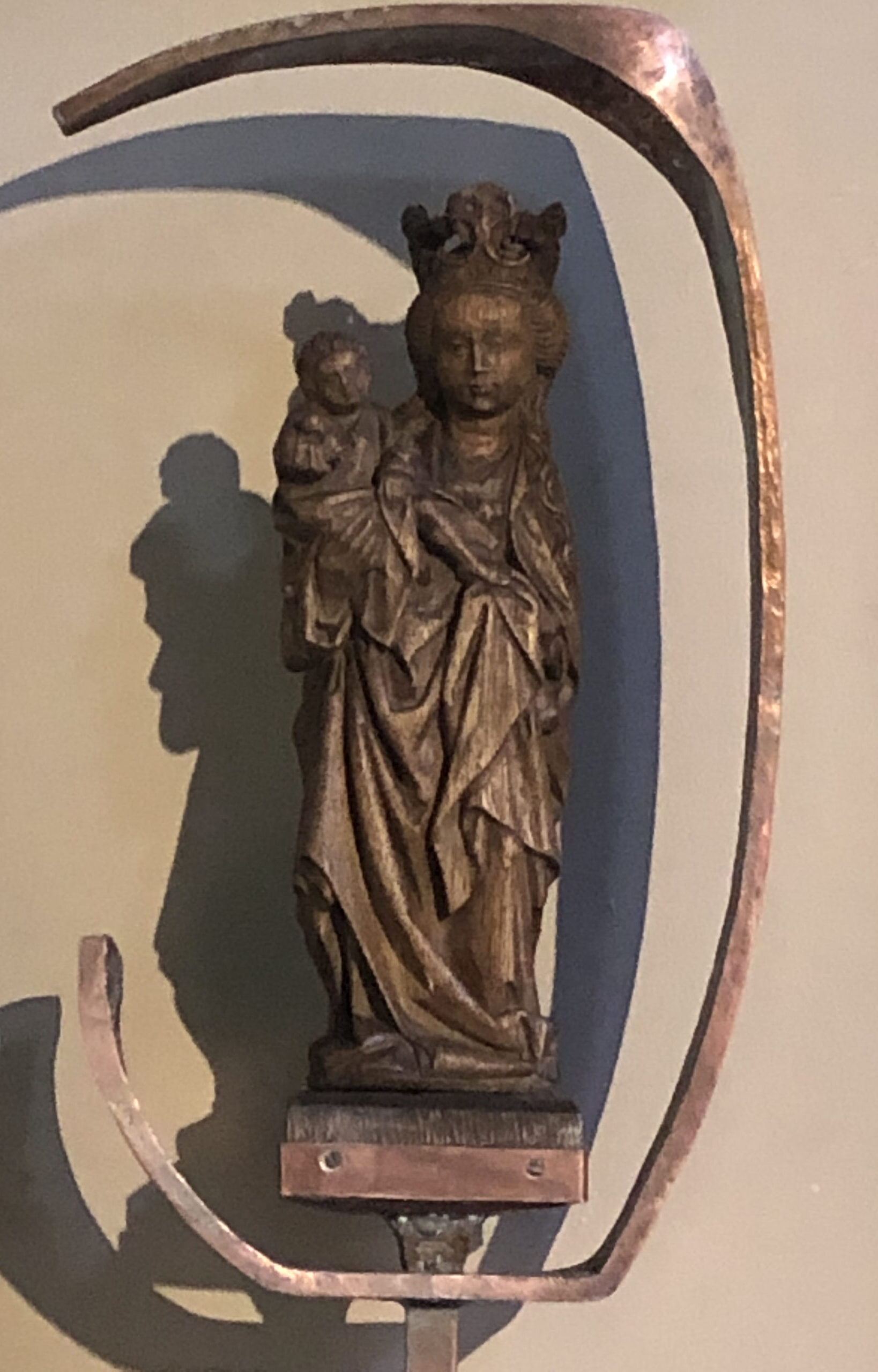
In the 14th century, a farmer near Runxput finds a statue of Mary and takes it home. However, inexplicably, the statue returns to its spot in the field.
At the same time, during a storm, a ship gets into distress. This happens off the North Sea coast, near Heiloo. The helpless skipper begins to pray. In the full storm, he hears the clear voice of a woman. She says: “If you honour me, the wind will turn.” The skipper is convinced that this voice is from Mary. He promises Her to dedicate himself to her veneration. After that, the stormy wind subsides and the sailor comes ashore safely. The stories of the image of Mary and the voice of Mary together provide the reason to build a chapel. During the Reformation, the chapel was destroyed and the nearby Runxput was filled in with rubble from the chapel.
Years later, in 1713, a cattle plague broke out. In the night of 8th to 9th December, a miracle occurred. Water welled up from beneath the rubble in the well. Animals drank from this water and consequently survived the cattle plague. People also started drinking the water, and the miraculous liquid healed the sick. Later, the spring fell into oblivion.
The year 1905 dawns and the covered well is rediscovered once more. Stories from many years ago are recounted. The well is cleaned out and all debris is removed. In 1930, the Chapel of Grace is built. The pilgrimage site takes shape...
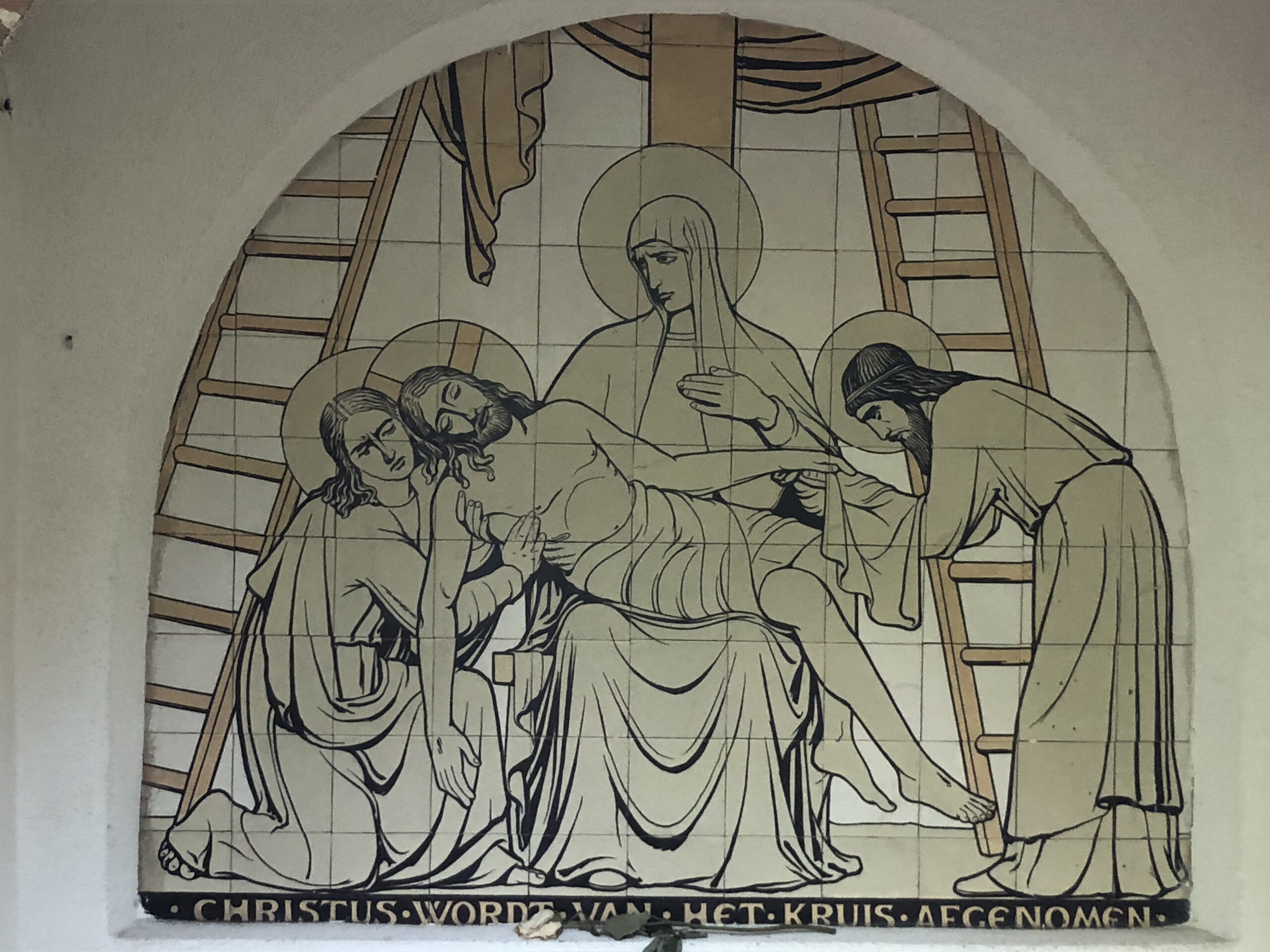
The pilgrimage chapel and chapel of grace were designed by architect Jan Stuyt (1868-1934), who also designed the 14-station Way of the Cross, which are scattered throughout the domain. Jan Stuyt was one of the most prolific Dutch church builders of the 20th century.
Pilgrimage site
Our Lady of Perpetual Help in Heiloo is the largest Marian pilgrimage site in the Netherlands. The Mission Congregation of the Servants of the Lord and of the Virgin of Matará operates in the Shrine. The sisters are recognisable by their grey habit, blue scapular or shoulder cloth, blue veil, the cross of the South American Matará, and a wedding ring.
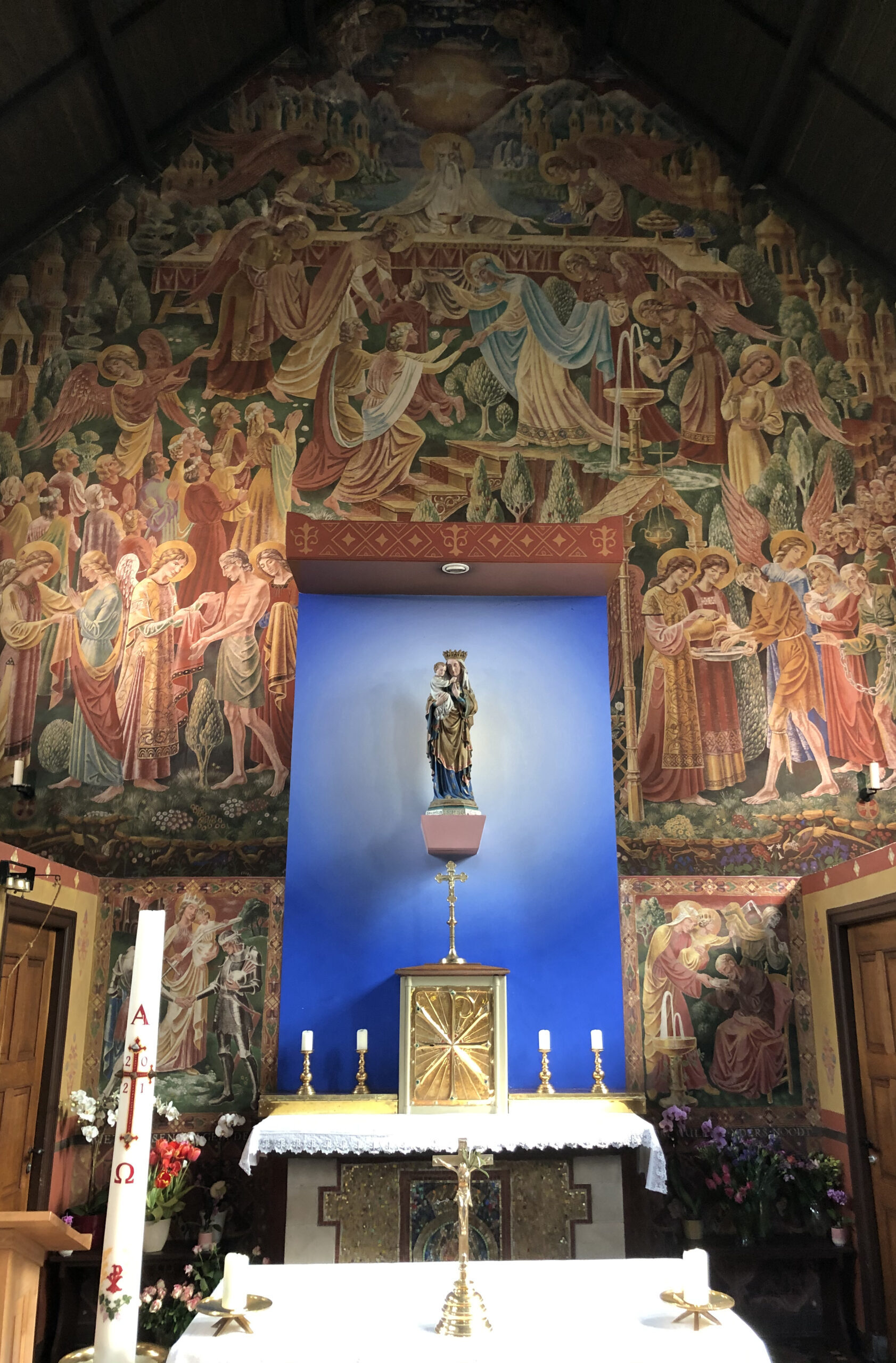
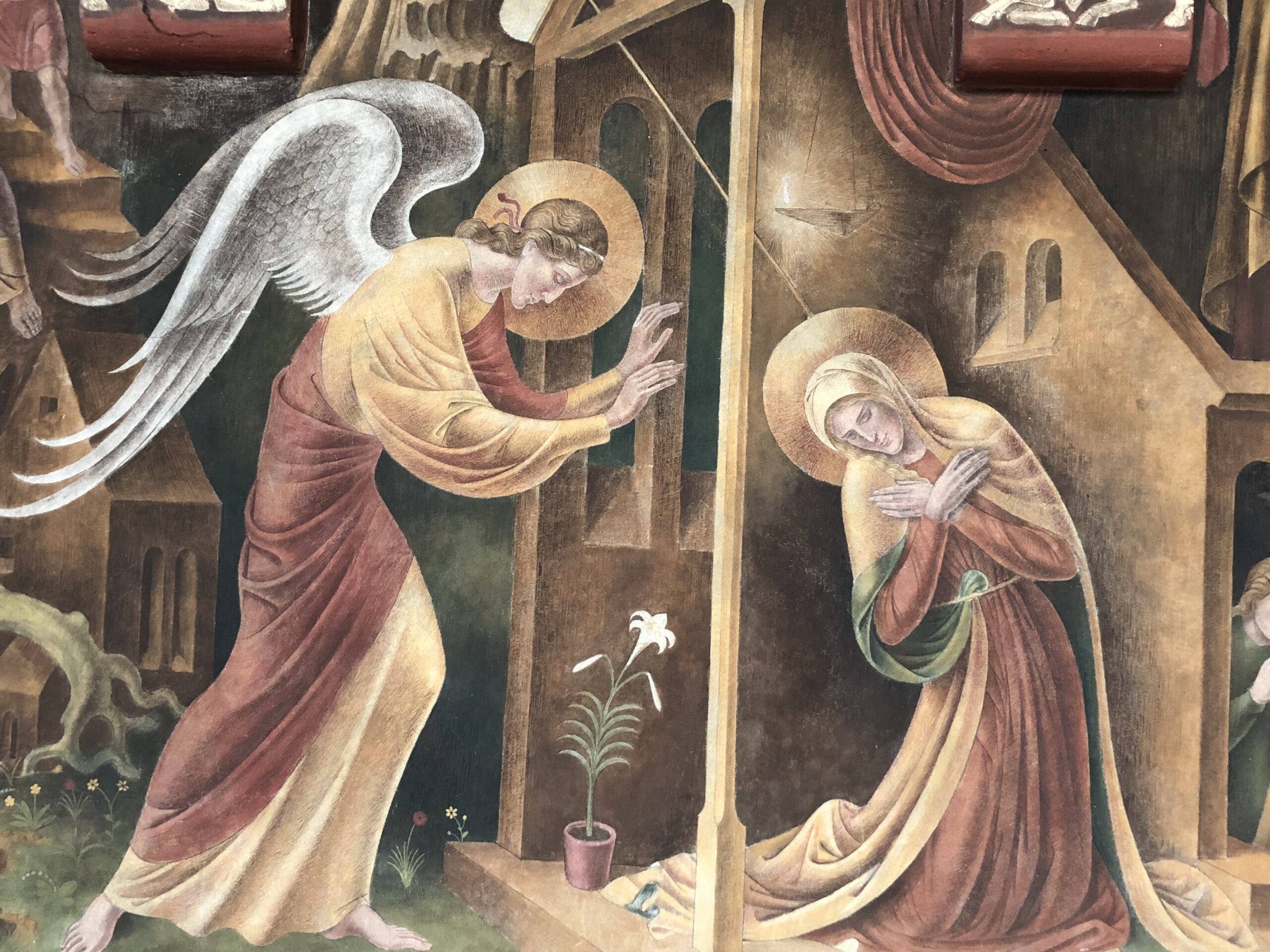
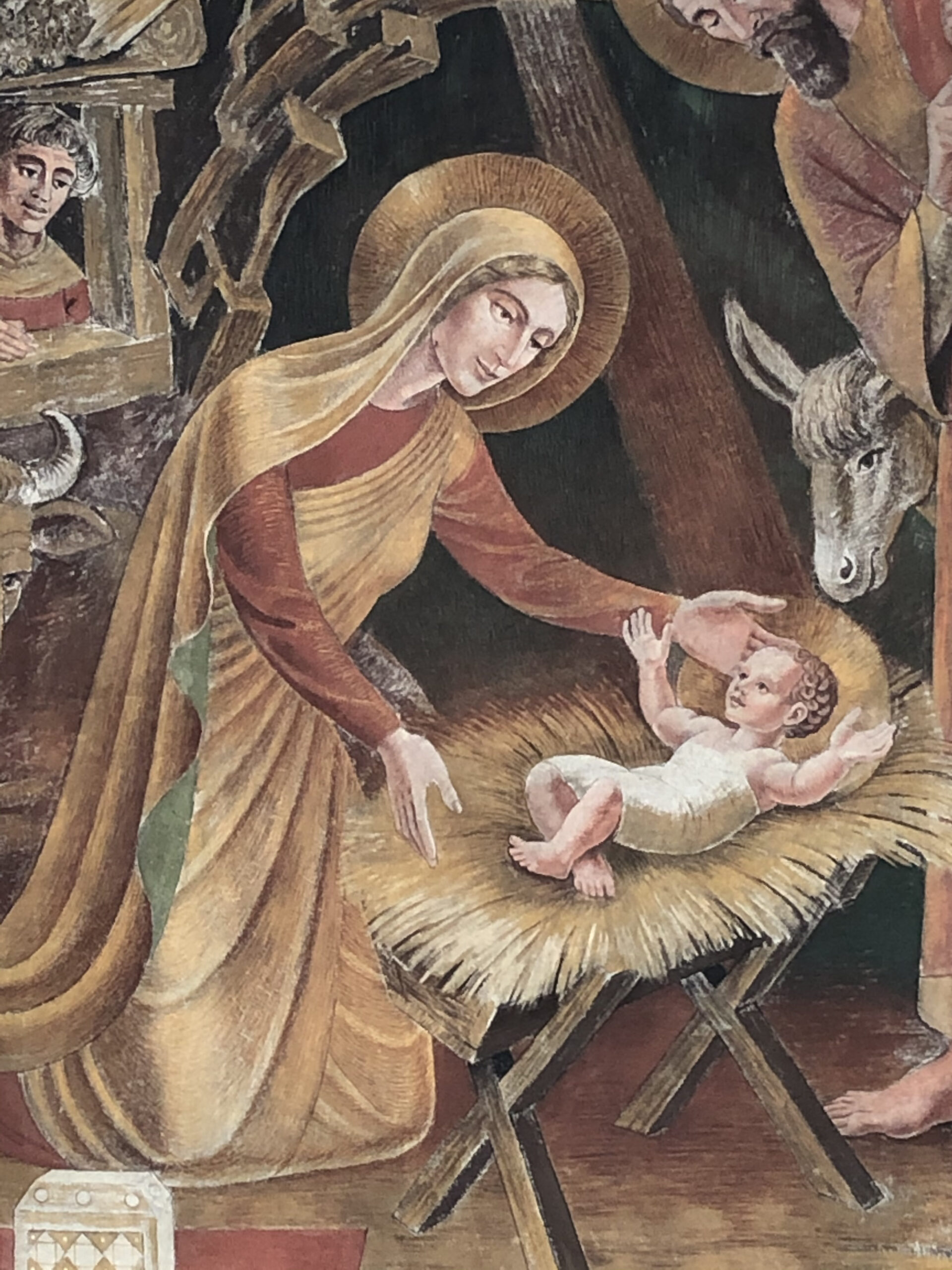
The central place in the Shrine is the Chapel of Grace, which is surrounded by a colonnade with a wooden roof. The chapel is richly painted with frescoes, which depict phases from the life of Mary. The statue of Our Lady of Refuge is in a prominent place in the chapel. In the current effigy, a fragment of the rock from the Grotto of Lourdes is embedded in the pedestal. The Chapel of Grace was restored in 1985. In the forecourt of the Chapel of Grace is the Runxput with healing water. The well is called “the well of Heiloo”.
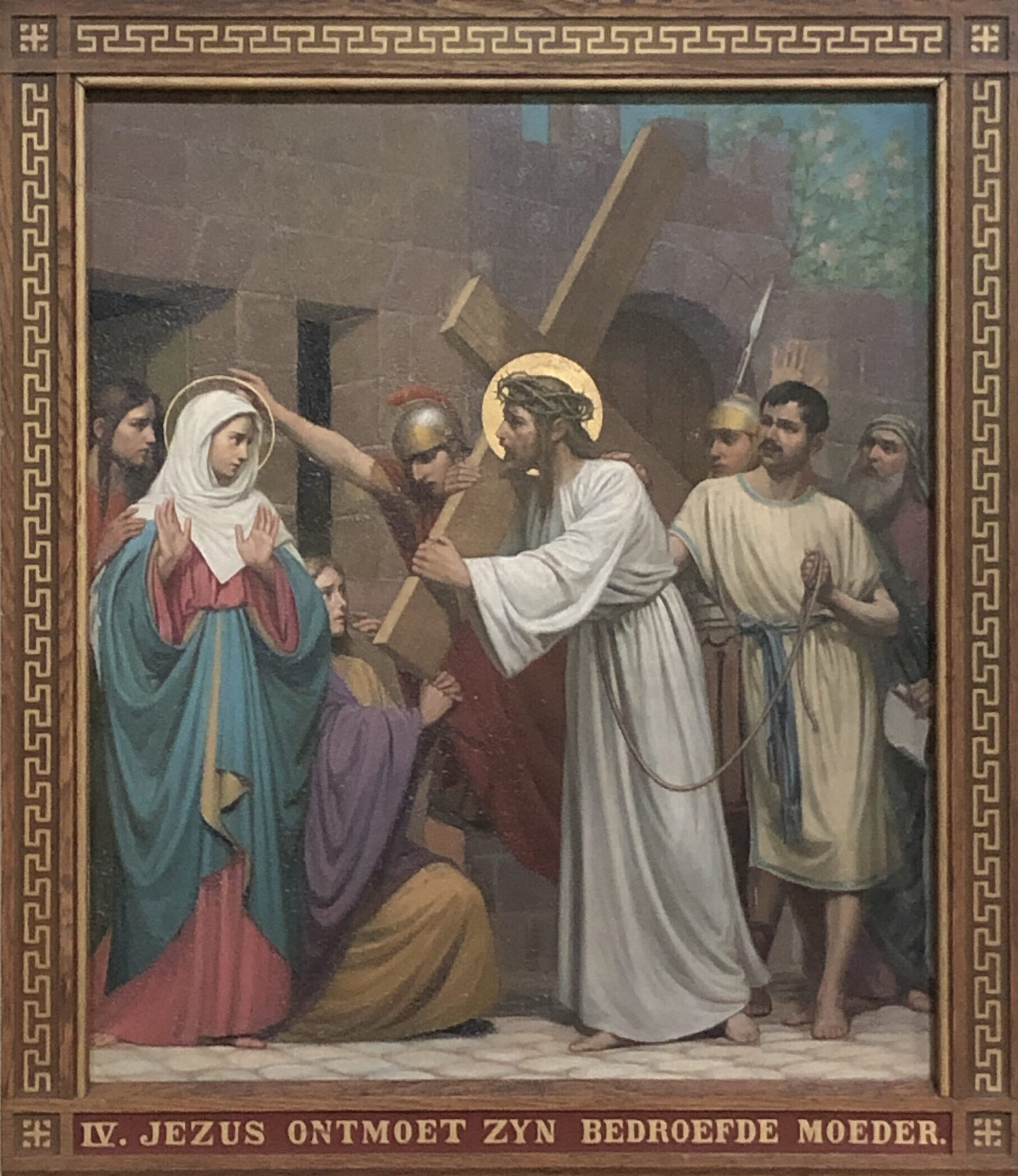
The Sanctuary, in addition to the Chapel of Grace and the well, also features a larger chapel, the Pilgrimage Chapel. Furthermore, a particularly beautiful park has been laid out, and the Stations of the Cross are spread throughout the park.
The Sanctuary in Heiloo also has a Guest House. A place to find peace or to participate in a retreat. In addition, there is a Conference Centre for meetings of small and large groups.
Maria’s feast days are celebrated at the Shrine of Heiloo. There are also chapel days, days for priestly vocations, and courses are provided.
ACCESSIBILITY
The Sanctuary in Heiloo is located in the province of North Holland. On the A9 motorway, between Haarlem and Alkmaar, take the Castricum exit and then follow the signs for Heiloo.
Address
Shrine of Our Lady of Perpetual Help,
Kapellaan 9,
NL-1851 PE Heiloo.
Het Gastenhuis's address is:
Hoogeweg 65
NL-1851 PJ Heiloo.
Website: www.olvternood.nl and there is a lot of information available on it.
Experience
I am standing before the Chapel of Grace in the most visited Marian shrine in the Netherlands. It all began here with the small wooden statue of Mary, more than 600 years ago. The chapel beckons me in, and I enter. What a beautiful space! What extraordinary wall paintings and what a magnificent statue of Mary! A little later, I light a candle and begin to pray.

An hour later I stand at the Runxput, which in 1713 receives the name Mariaput. The water from the well is very healing; animals and people are healed by drinking it. I too take some water from the deep well.
Next, I will go to the Pilgrimage Chapel. Services are held here regularly, and in inclement weather, you can follow the Stations of the Cross in this space. The main Stations of the Cross are outside and begin in the square in front of the Pilgrimage Chapel. Here too, the Stations of the Cross start for me, and I visit all the stations. In this way, I visit the entire, neatly maintained park. It feels like paradise on earth here.
To conclude, I am visiting Oesdom for a drink. Devotional items and religious books are also available. I'll choose some items to take home for friends. What a beautiful day it is to be able to come here.

Posted 8 September 2019
Updated: 20 May 2021
~~~
