Ijsselstein
History
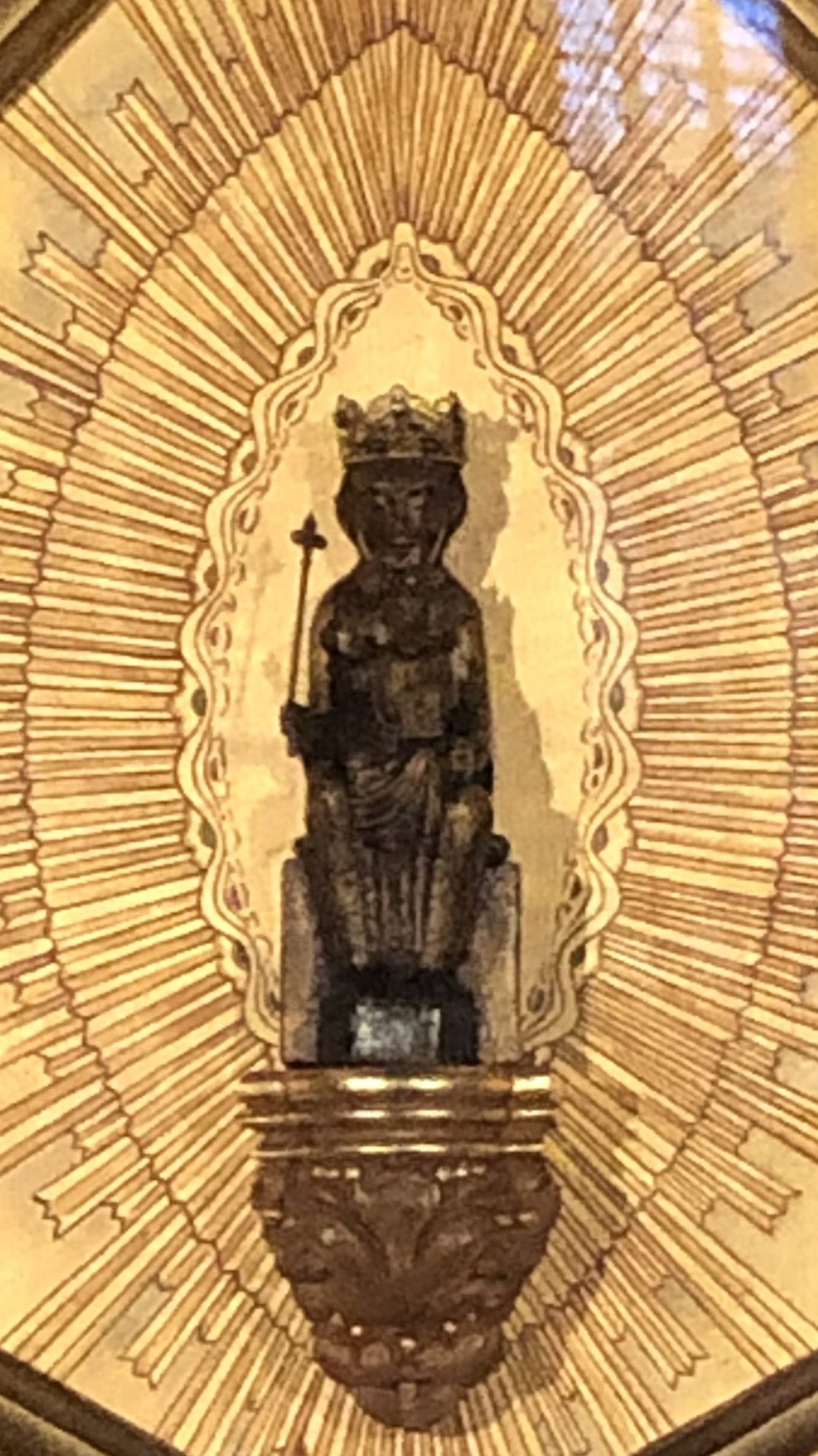
A legend tells that a 12th-century statue of Mary was found by ditch-diggers in the hamlet of Eiteren, near IJsselstein. When the effigy was taken to the (old) Saint Nicholas Church in IJsselstein, it returned to the place where it was found. This happened after 1310, as the first church in IJsselstein was completed in that year. This church is dedicated to Saint Nicholas. This bringing and returning of the statue has been repeated at least once more. This led to the decision to build a chapel near the place where it was found. After the chapel was completed, the statue was placed there to be venerated as Our Lady of Eiteren. It is assumed that the statue dates from the second half of the 12th century.
In 1399, the Pope confirmed a fraternity in the church of IJsselstein, in honour of Maria van Eiteren. From this, it can be inferred that devotion to the miraculous image began in the mid-14th century.
In the 14th century, next to the then-current church in Eiteren, there was a leprosarium; an institution for leprosy sufferers. This building was demolished in 1684.
In 1447, the Guild of Our Lady of Eiteren was established. Among the benefactors of the guild and the leper house were Jacqueline of Bavaria (1401-1436), Countess of Holland, Zeeland and Hainaut. She was also crown princess, Dauphine, of France. Frank van Borssele (1395-1470) was also a member of the guild. He was stadtholder of Holland and Zeeland. He was the fourth husband of Jacqueline of Bavaria. Jacqueline and Frank were opponents of the Lord of IJsselstein during the Hook and Cod Wars (1350-1490).
Due to the Reformation, the Saint Nicholas Church transfers from Catholics to Protestants in 1577.
In 1579, the chapel in Eiteren was demolished by the dominant Protestants. The statue was subsequently no longer displayed, but Catholics continued to visit the site where the chapel had stood. The statue was saved by a Catholic woman, who concealed the devotional image by sewing it into the hem of her skirt. She then hid the statue of Mary in her house for some time.
In 1634, IJsselstein once again received a Catholic church, and the statuette of Mary was placed there.
From 1805 to 1865, the statue of Mary resided in the chapel of the Holy Rosary in IJsselstein.
In 1865 the statuette was in a state of severe neglect. The intention was for it to go to a museum in the making, but it ended up in a convent in Utrecht. It was on loan there to the Sisters of Charity. Many prayers were offered to the statue of Mary and there were answered prayers. As a result, the image's name was extended to include “Hulp in Nood” (Help in Need). The convent caught fire several times, and each time it was near the statue. However, the statue of Mary remained undamaged.
Later, the devotional image was placed in the new Saint Nicholas Church, which was built between 1885 and 1887. This church is located not far from the old Saint Nicholas Church, which remained a Protestant church after the Reformation. The design of the Saint Nicholas Church is by architect Alfred Tepe (1840-1920).
The statuette has been crowned twice, namely in 1897 the crowning of Mary took place and in 1986 of the Child. The latter crowning was performed by Ad Simonis, bishop and archbishop from 1970 to 2007.
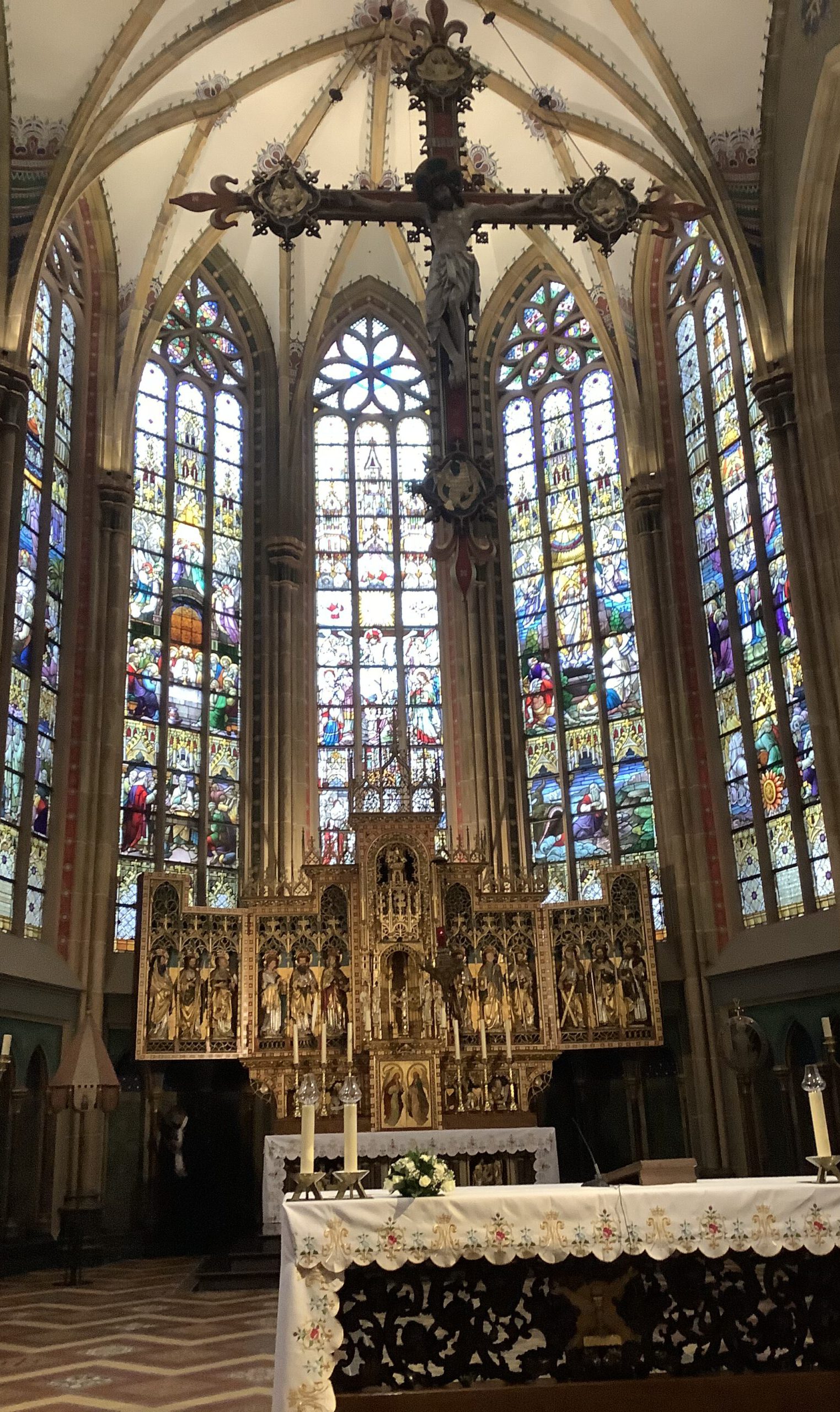
In 1936, the devotional statue returned to IJsselstein and was given a dedicated chapel in the Saint Nicholas Basilica, which was built in 1866. The basilica then became a pilgrimage site for both Our Lady of Eiteren and Saint Nicholas.
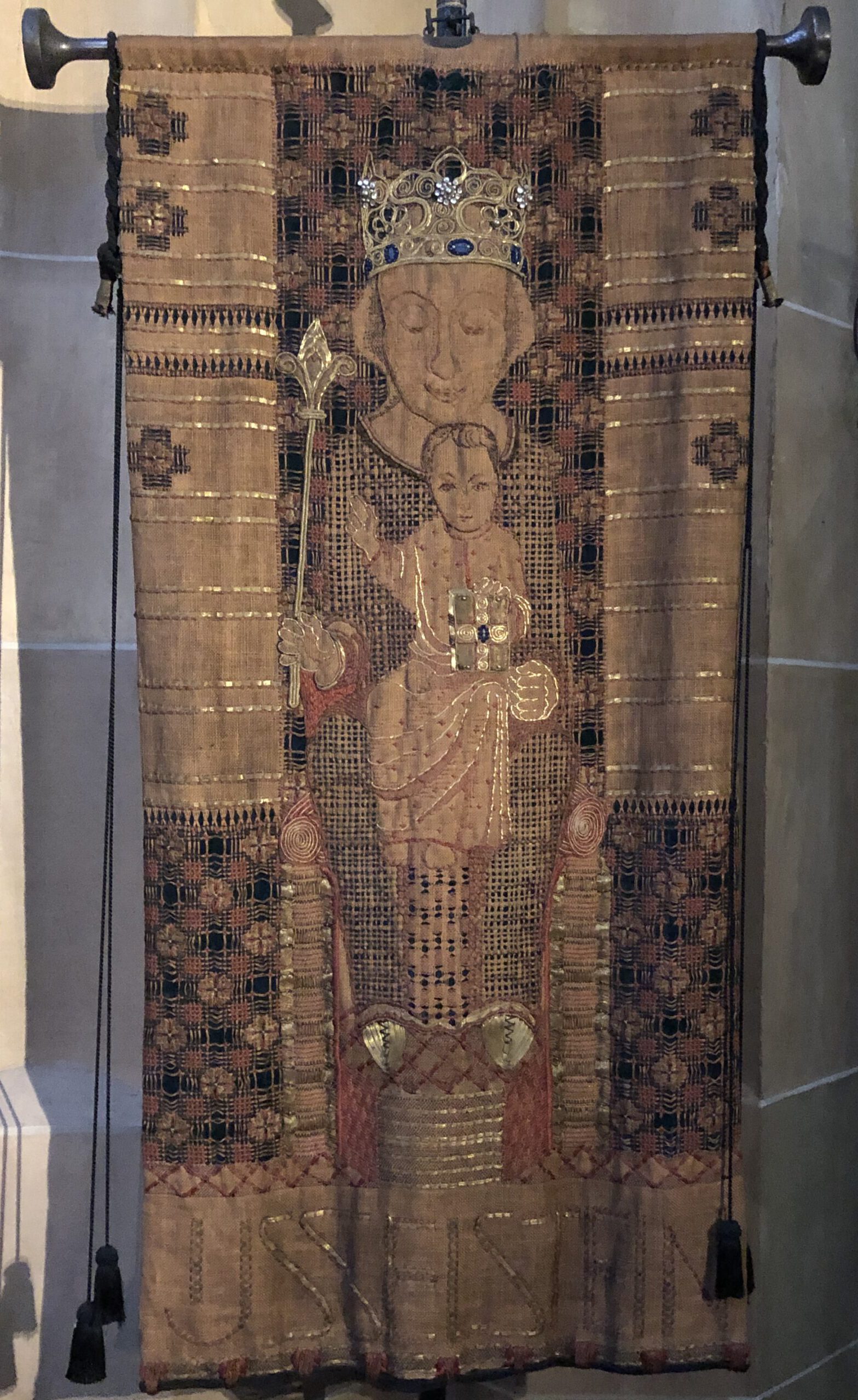
Miracles are attributed to the statuette, such as the healing of a dying person and the disappearance of serious ailments. Other miracles include the healing of someone who had been unable to move for several years, the disappearance of cancer in several people, the cessation of hellish pains, the disappearance of the contagious disease typhus, and the healing of an eye disease.
In 1972, the St Nicholas Church was elevated to a basilica by Pope Paul VI, who was Pope from 1963 to 1978.
In 2017 and 2018, the basilica was restored.
The Basilica of Saint Nicholas is a national monument.
Pilgrimage site
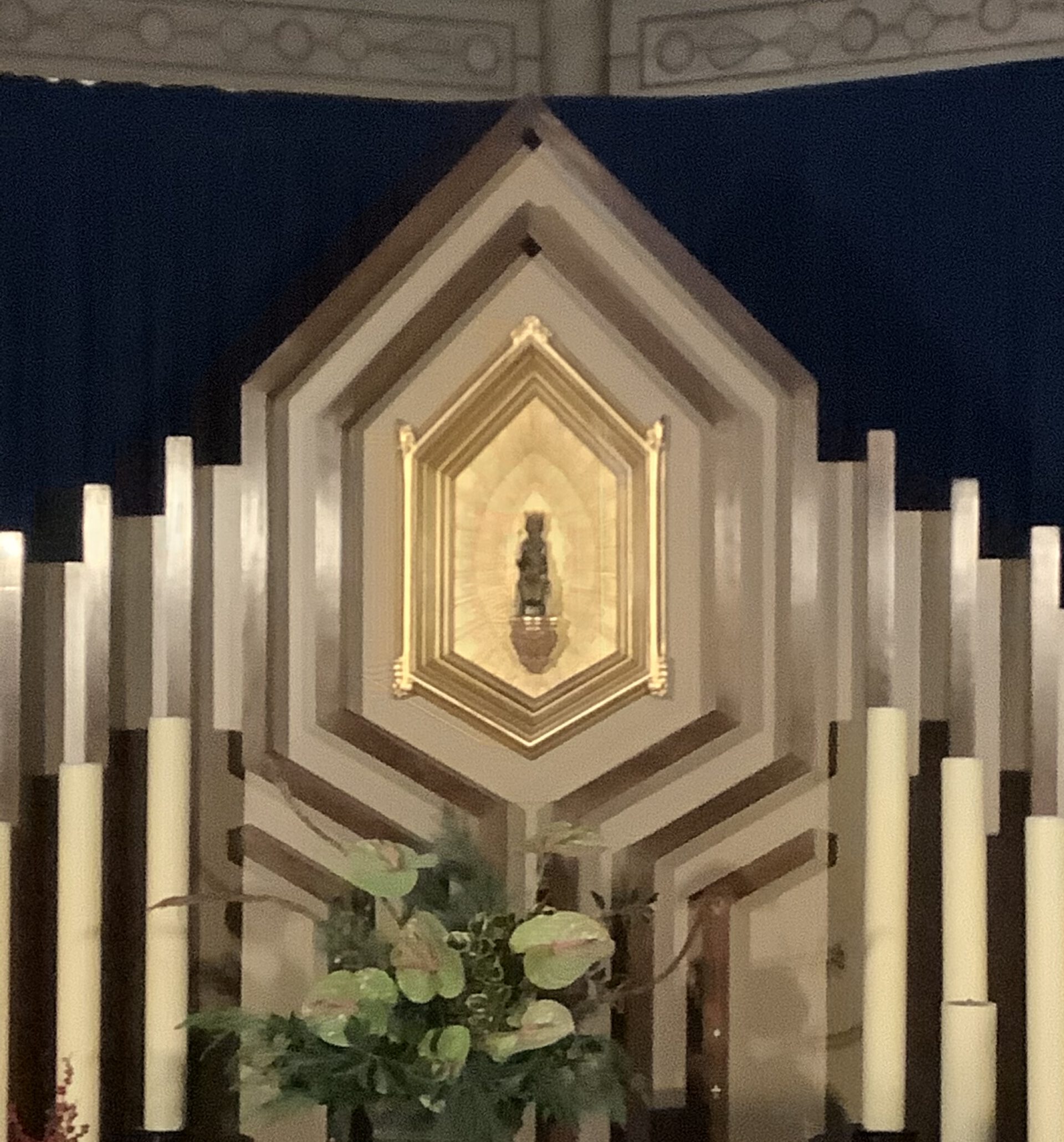
In the Saint Nicholas Basilica, the statue stands in a chapel dedicated to Mary.
The devotional image of Our Lady of Eiteren, Help in Need, depicts a seated Mary. The Mother of God has the infant Jesus on her lap. Mary is portrayed as “Sedes Sapientiae”; this is Latin for “Seat of Wisdom”. Seat of Wisdom is one of the titles of Our Lady in the Litany of Loreto. With her left hand, Mary protects her little Son, and in her right hand, she holds a sceptre. This is a typical, Byzantine representation.
Our Lady of Eiteren receives visitors daily. People come to see the small statue, which is 22 centimetres in size and carved from wood. Over time, the miraculous statue has been restored several times.
On the fourth Sunday of June, a procession takes place in IJsselstein after the Eucharist service, starting from the Sint-Nicolaas Basilica. The procession goes to the original location of the miraculous statue in Eiteren. This procession is called the Ommedracht Onze-Lieve-Vrouw van Eiteren.
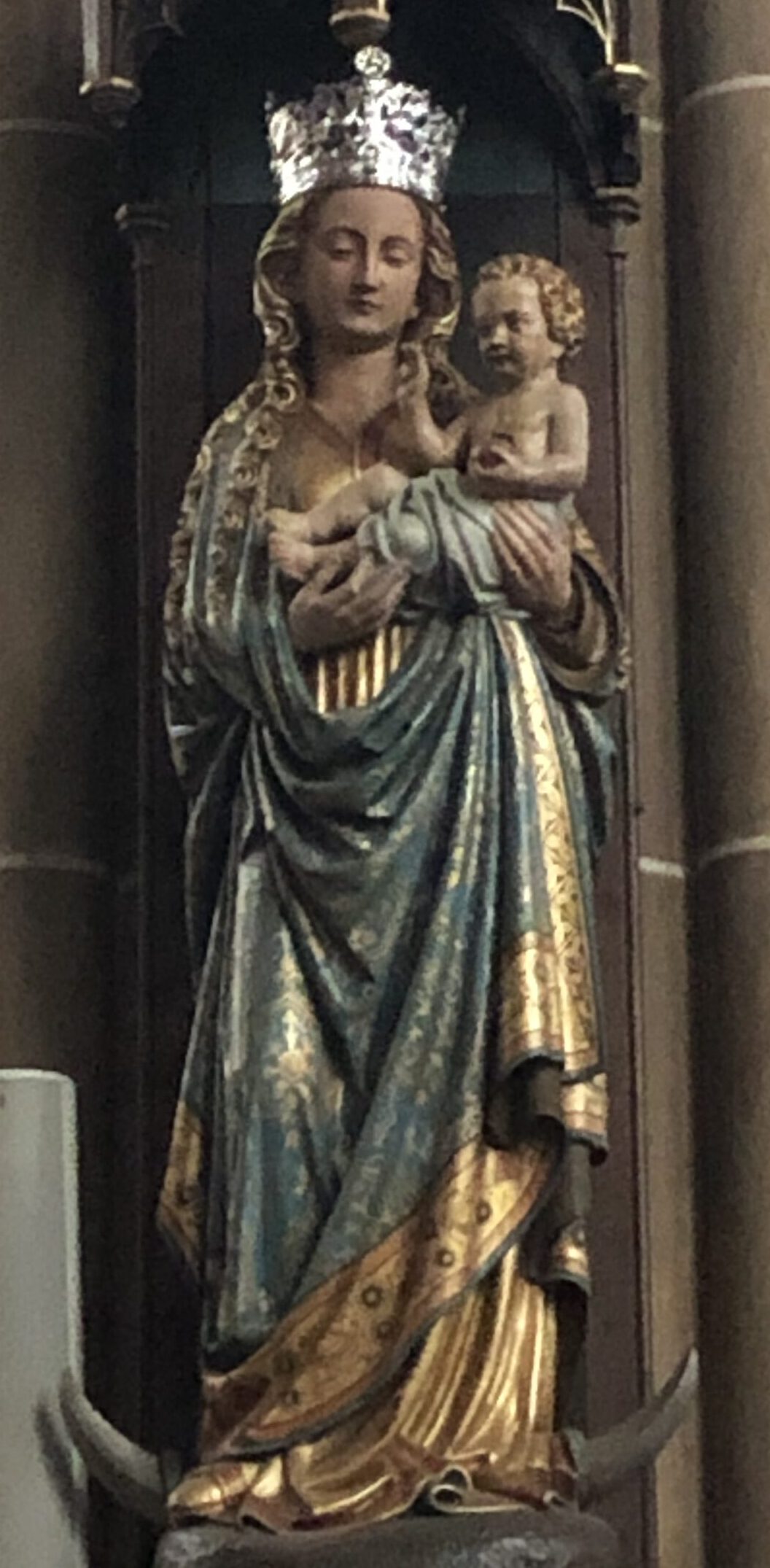
IJsselstein is one of the few places above the large rivers where Mary reigns.
ACCESSIBILITY
The town of IJsselstein is located near Utrecht, in the middle of the Netherlands, along the IJssel river.
12 Sint-Nicolaasstraat, 3401BS IJsselstein
For up-to-date information, please refer to
https://inijsselstein.nl/post/sint-nicolaasbasiliek
Experience
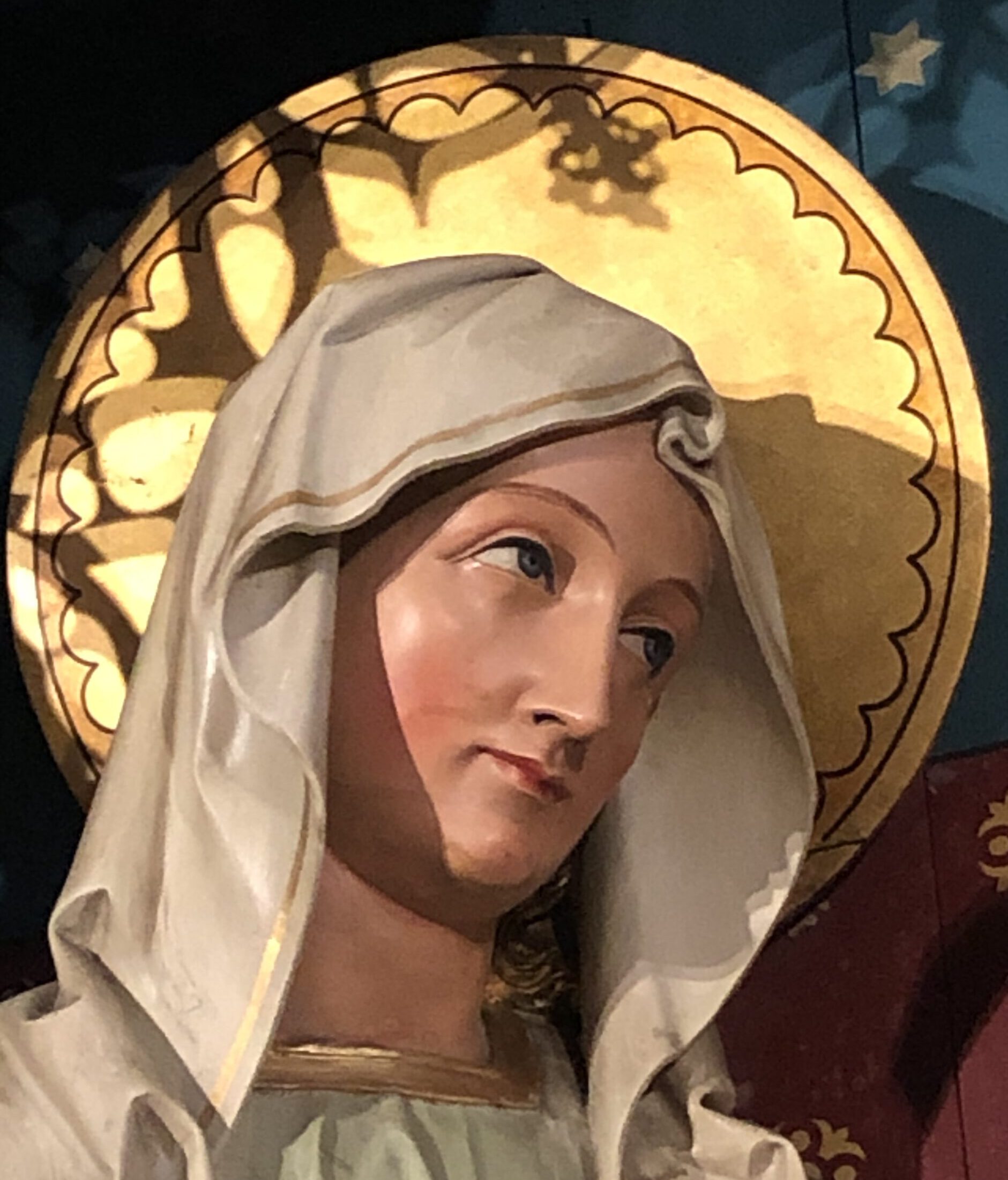
In the Basilica of Saint Nicholas, I stand before the miraculous statue of Our Lady of Perpetual Succour. Fragments of the history of this image come to mind. Now the statue stands here safely in a special chapel. Before her, I light some candles for the salvation of good friends and people in need.

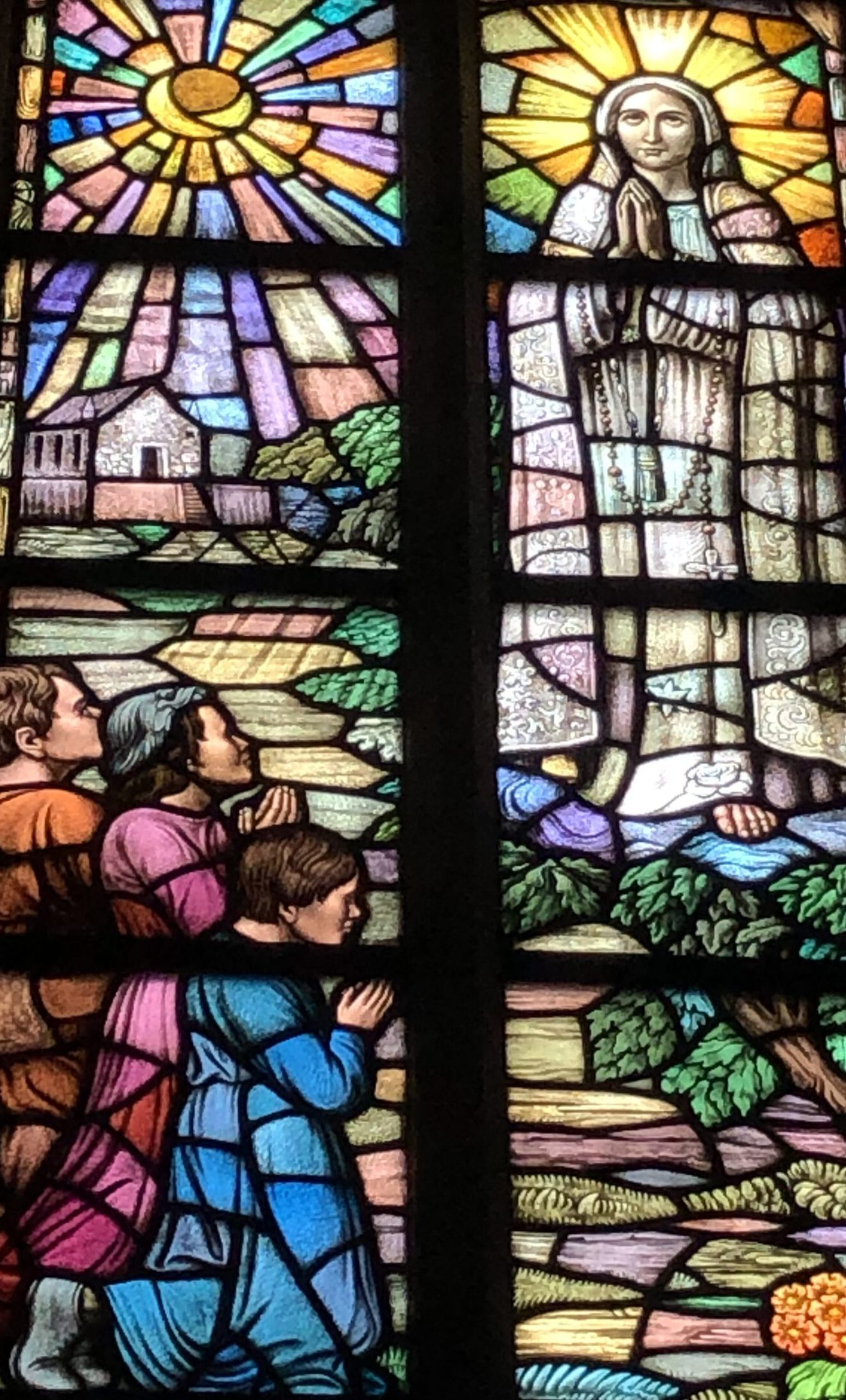
In the chapel of Our Lady, I also admire the beautiful stained-glass windows. What do they tell us about the experiences of the miraculous image? I see windows with Our Lady of Eiteren, the ditch diggers, the woman with the statuette, which was sewn into the lining of her skirt to protect it, and also the return of the statue of Mary from Utrecht.
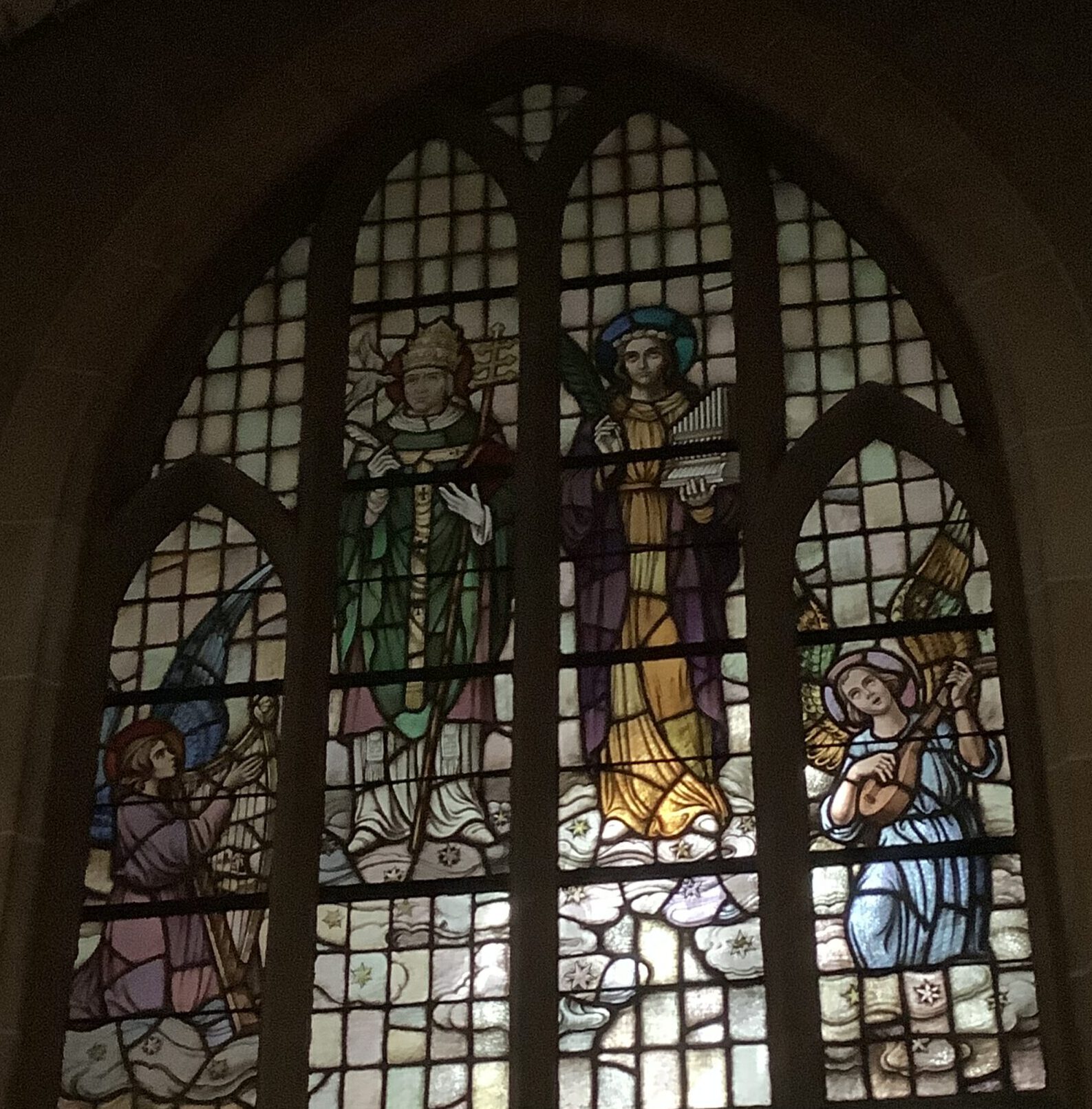
Following this, I take a tour through the basilica and see many beautiful stained-glass windows. There is not a single piece of clear glass to be seen. The colourful windows depict not only Our Lady of Eiteren but also other scenes, such as the birth of Mary. I also admire windows with depictions such as the visit of the Archangel Gabriel to Mary, the Assumption of Mary and her Coronation in heaven. Another window shows the apparition of Mary in Lourdes, and there is also attention paid to the visit of the Virgin in Fatima. I learn that many of the windows were made in the Straaten Studio in Utrecht and in the Cuypers Art Workshops/Studio in Roermond.
A special song has been made for Our Lady of Eiteren. Part of the lyrics read:
“O Lady of Eiteren,
Help in times of need,
To You, we will turn with confidence.
Do you ask us for strength
For the battle, that still awaits.”
Since I have great love for Saint Nicholas, as well as for Mary, this basilica is a multi-faceted jewel for me.
~~~

 Nederlands
  English (UK)
  Deutsch
  Français