The veneration of Our Lady in Blankenberge dates back to the 10th century. In 1334, mention is made of a church that was destroyed by a storm. The current church, named Saint Anthony Abbot on Kerkstraat/Scarphoutstraat, replaced the place of worship destroyed by the forces of nature.
Construction of the church began in 1335 and the consecration took place in 1358. At that time, many families active in fishing lived in Blankenberge and the surrounding area. These people frequently came to the church, which is why this building is a centuries-old fishermen's church. A monument in the church commemorates the Blankenberge sailors who lost their lives at sea.
In the last quarter of the 16th century, Protestants and Watergeuzen vandalised the church. Restoration began in 1611, and the altar of Our Lady was made in 1618. The rebuilding took many years. The church then acquired its current, smaller form and was built in the Gothic style. Later decoration has characteristics of the Baroque and Rococo. Due to the increase in the number of churchgoers, the church became too small. A larger church was built, which is the Saint Roch's Church. Subsequently, the doors of the Saint Anthony Abbot Church closed for Catholic celebrations and the building acquired other uses. In 1926, the decision was made to restore the Saint Anthony Abbot Church, after which Catholic services returned. This church then became the parish church. From 1937, Saint Anthony's Church has been a listed monument.
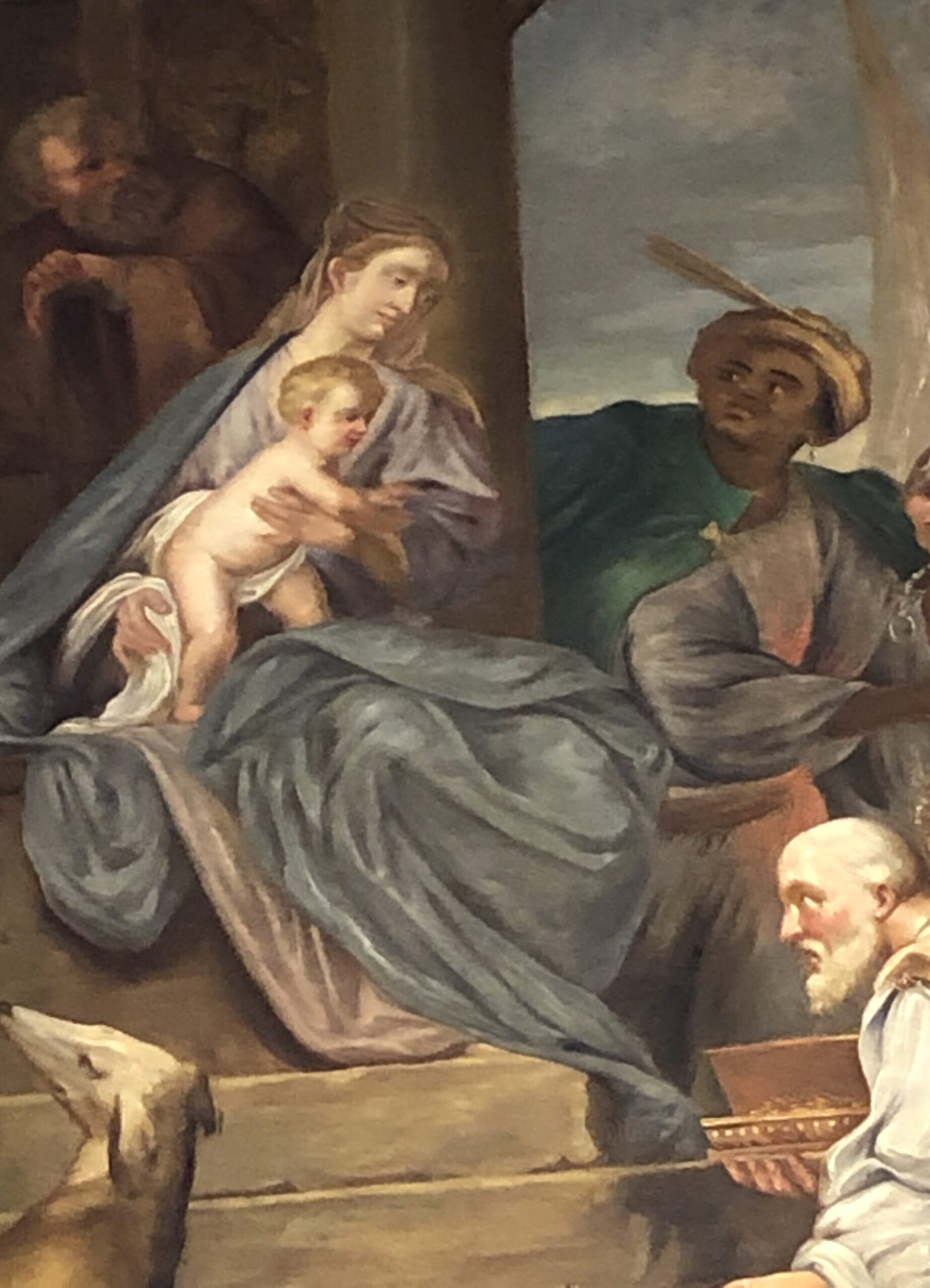
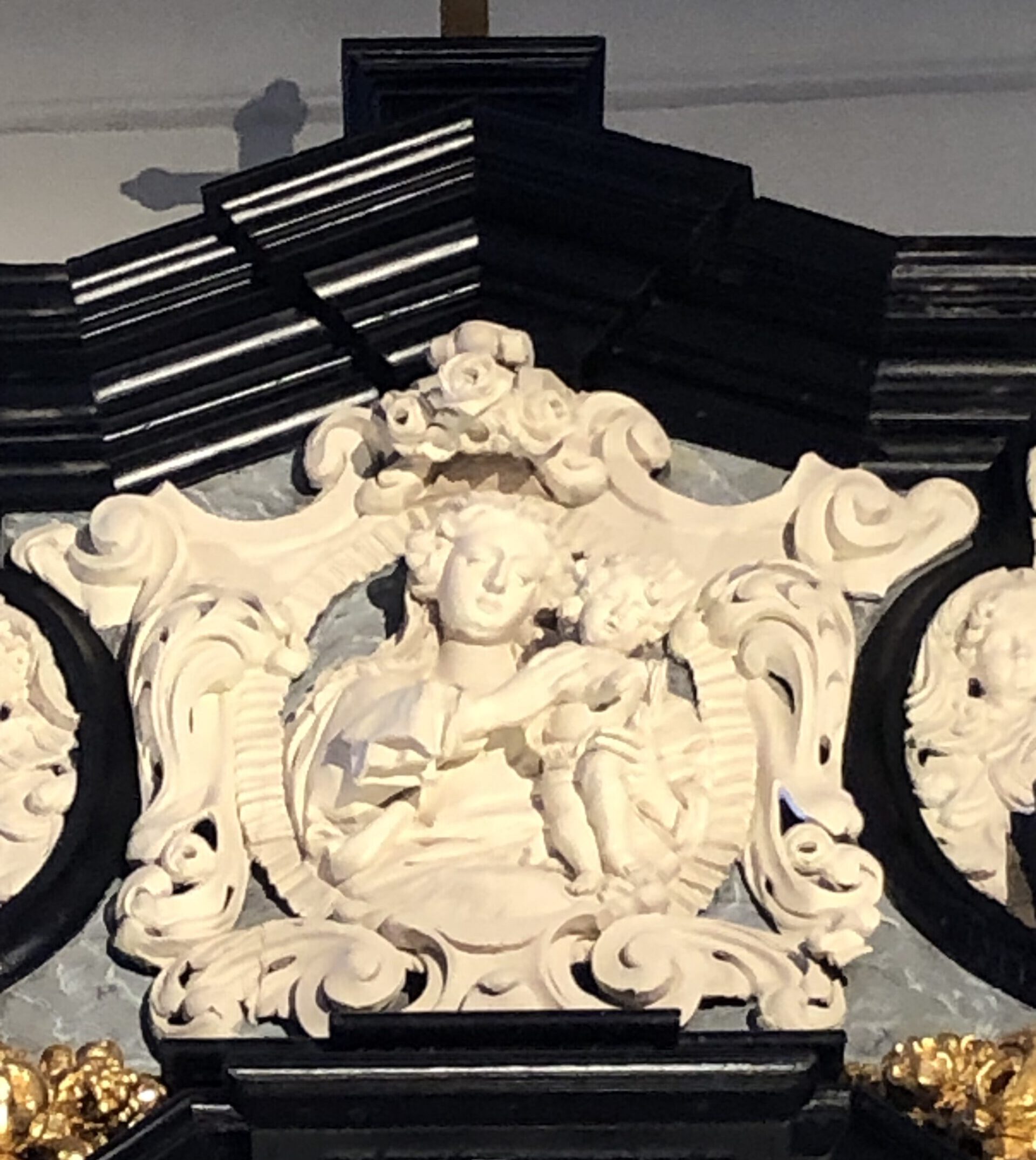
In the left aisle is the wooden Our Lady porch altar. The statue of Mary and Child adorns the altar in a medallion. The painting “The Adoration of the Magi” forms the background of the altar.
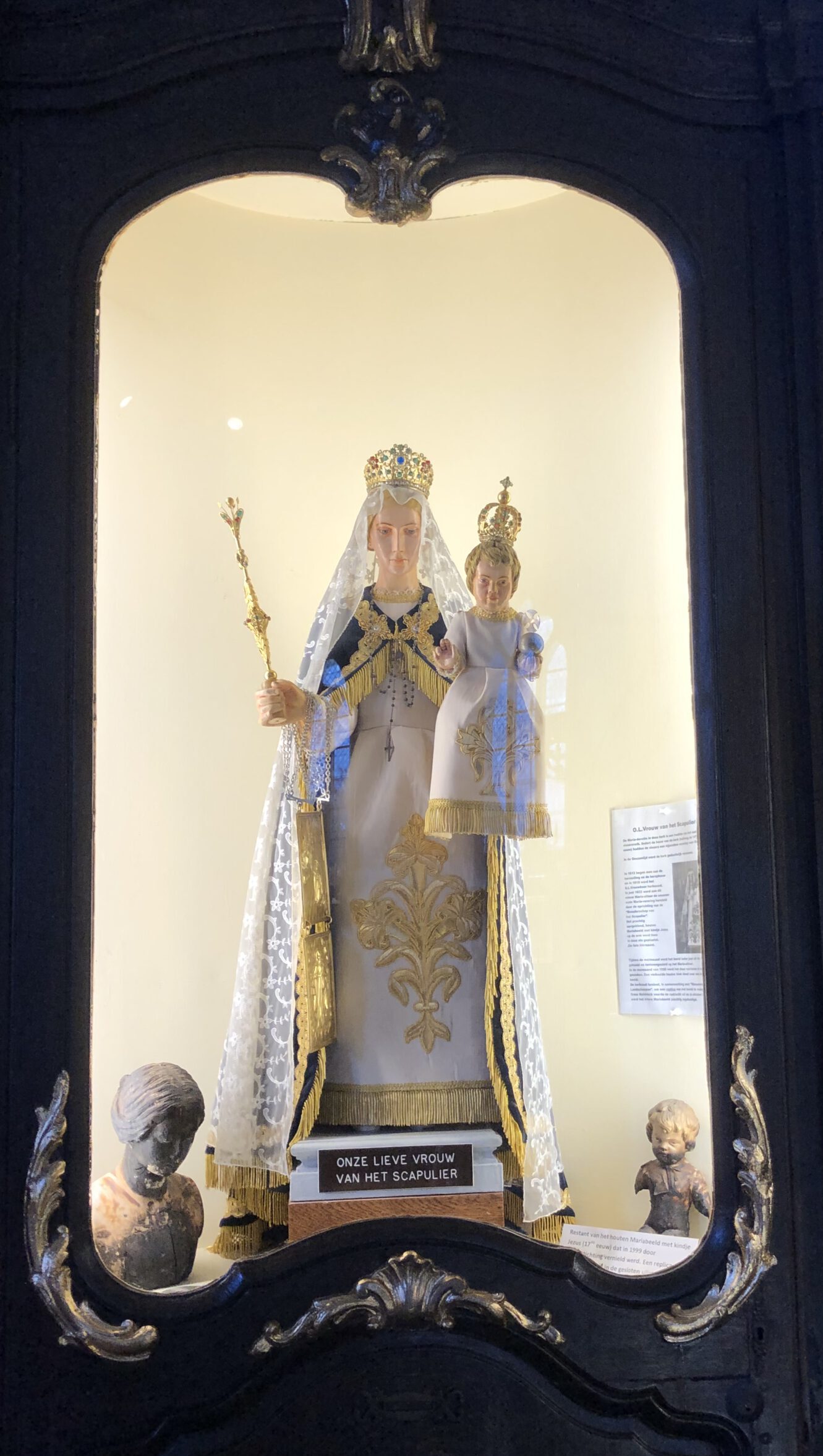
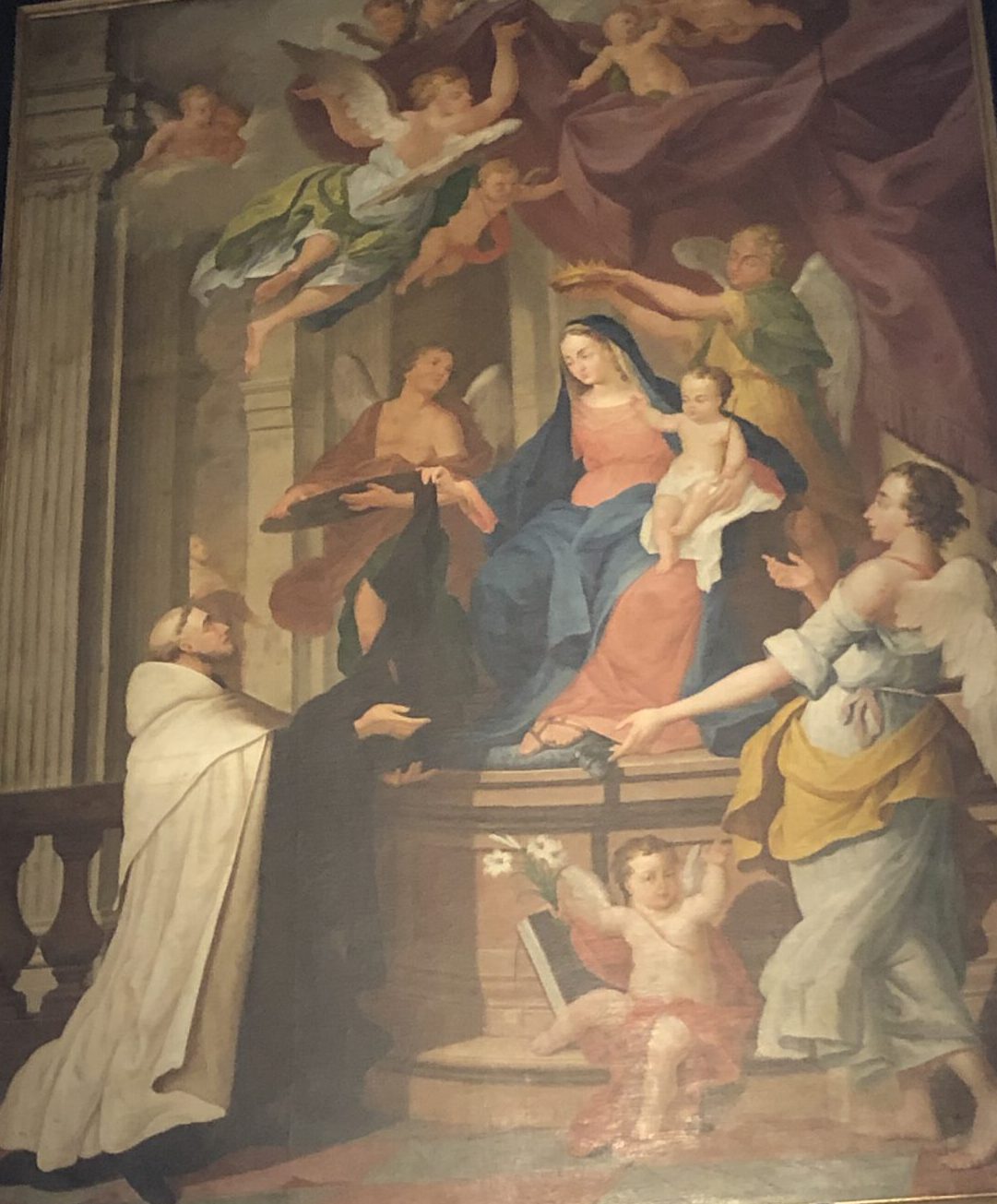
The statue of Our Lady of the Scapular is located to the left of the Marian altar, in a corner. The wooden, clothed statue of Mary probably dates from 1633 or earlier. In that year, the Confraternity of the Scapular was established and the old Marian altar was restored. In 2001, the miraculous image was placed in a glass case. Two scapulars hang from Mary's arm.
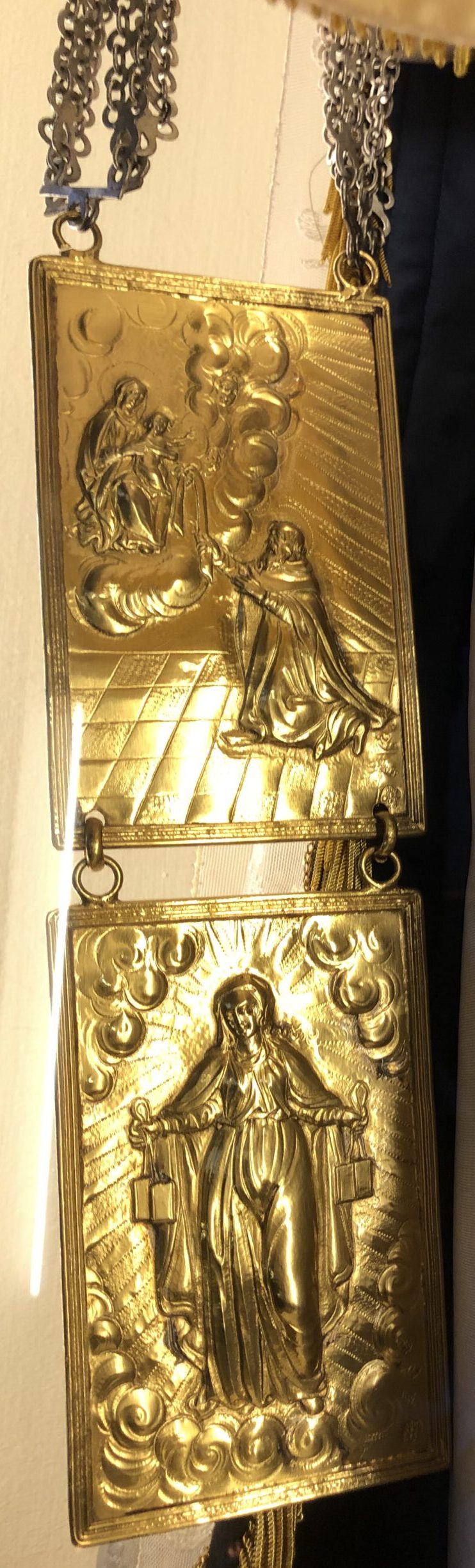
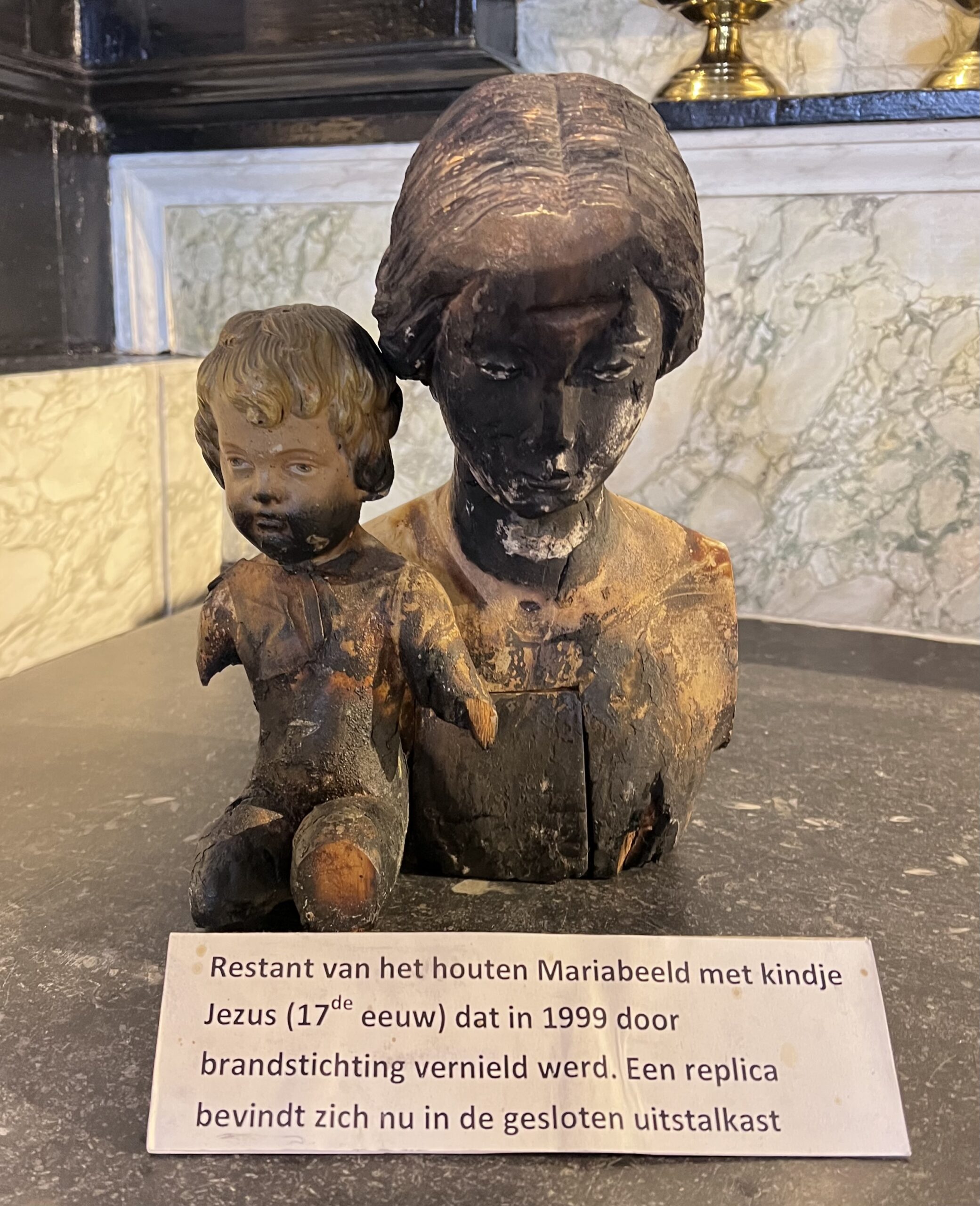
In 1999, the effigy was set on fire by vandals, destroying the 17th-century statue. The remains of the head of Mary and that of the infant Jesus lie near the statue. A replica was subsequently made by the Slabbinck company from Bruges.
In the tower hang large bells, including the Our Lady's bell weighing 700 kg.
The church is situated on both Kerkstraat and Scarphoutstraat.
Address of the Sint-Antonius-Abtkerk: Kerkstraat 153, 8370 Blankenberge.
~~~

 Nederlands
  English (UK)
  Deutsch
  Français