MEERSEL-DREEF

History
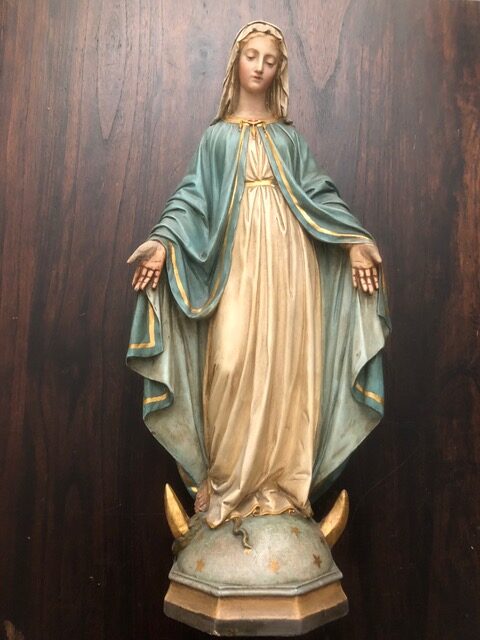
In 1686, it was decided to establish a Catholic meeting place in Meersel. The intended land belonged to Countess Maria Gabriella de Lalaing, wife of the Rhinegrave of Salm, and also Count of Hoogstraten. An agreement was reached, and the Countess put in writing that the Capuchins were permitted to establish a monastery on her territory. This marked the beginning of Meersel-Dreef. Construction commenced in 1687. From that year onwards, the Capuchins venerated Mary there. A long avenue, approximately 1100 metres in length, was also constructed. On one side of the avenue, a monastery and church were built, whilst on the other side, a park was developed in a wooded area. In this woodland, Our Lady of Loreto was venerated. The church was consecrated in 1690.
A significant amount of money is required for the realisation of the buildings and park. The influential Jan de Wyse wants to use part of his fortune to see the plans carried out. Jan de Wyse and his wife are buried in the church. The gravestone lies in the middle aisle of the church.
Between 1726 and 1750, the church was enlarged to accommodate the many visitors. The monastery church then became a genuine pilgrimage church.
In 1797, the monks were driven from the monastery by the French occupying forces. After the French rule, Cistercians took up residence in the monastery. It wasn't until 1864 that the Capuchins returned to Meersel-Dreef.
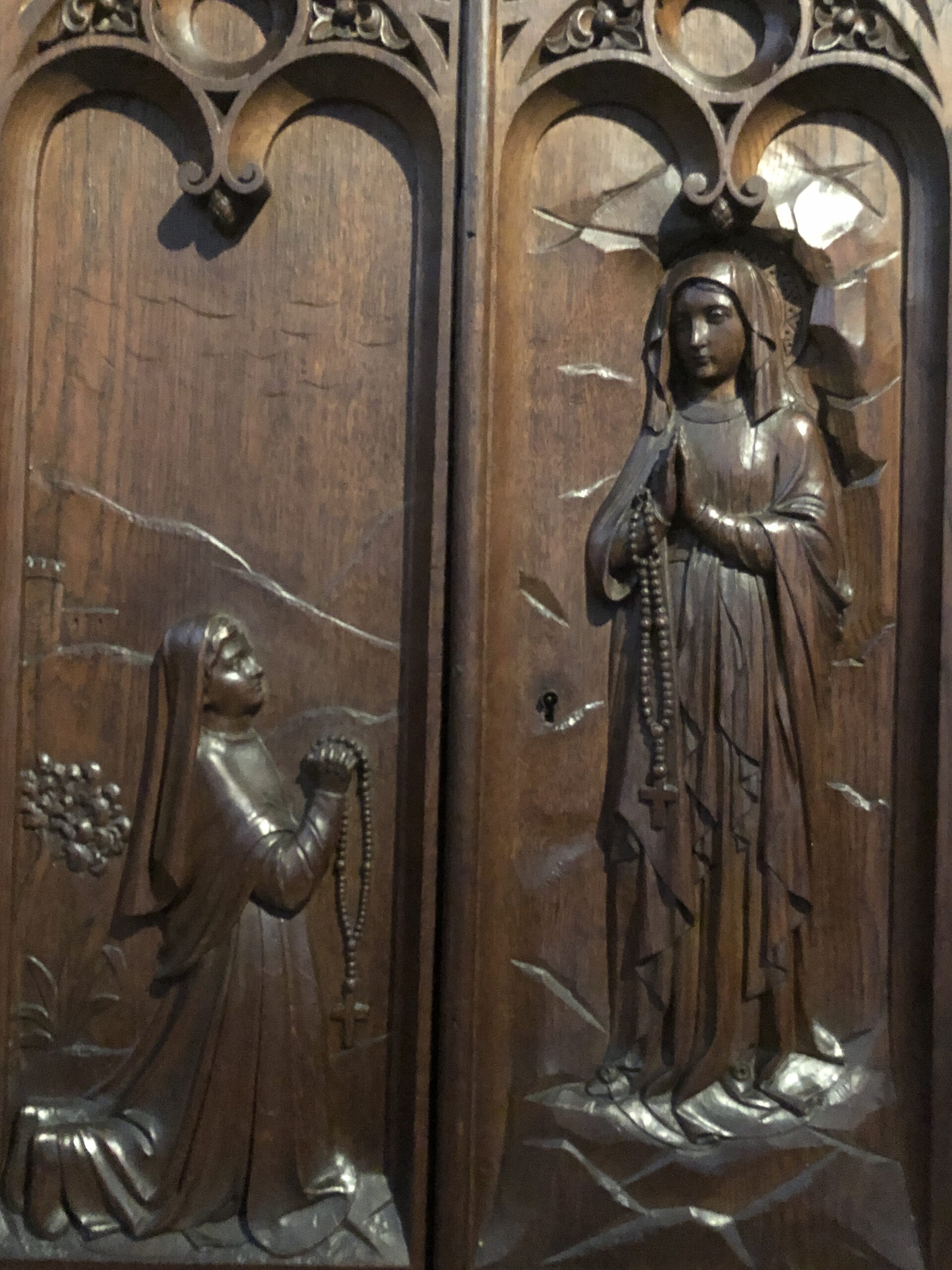
The Mariapark has a unique origin. Father Antonius (Rutte) from Meerle travels to India, where the Capuchins have a mission station. During his journey, a severe storm brews. The father prays to Mary and vows to erect a grotto in her honour if the travellers arrive safely ashore. In India, the government does not permit the construction of a pilgrimage site. In 1895, the vow takes shape in Meersel-Dreef, and a while later, the Lourdes grotto is realised. The grotto was blessed on 20 October 1895 by Leopoldus Godefridus Pelckmans (1854-1904) from Turnhout. He is the bishop of the Capuchin mission in Lahore, Pakistan.

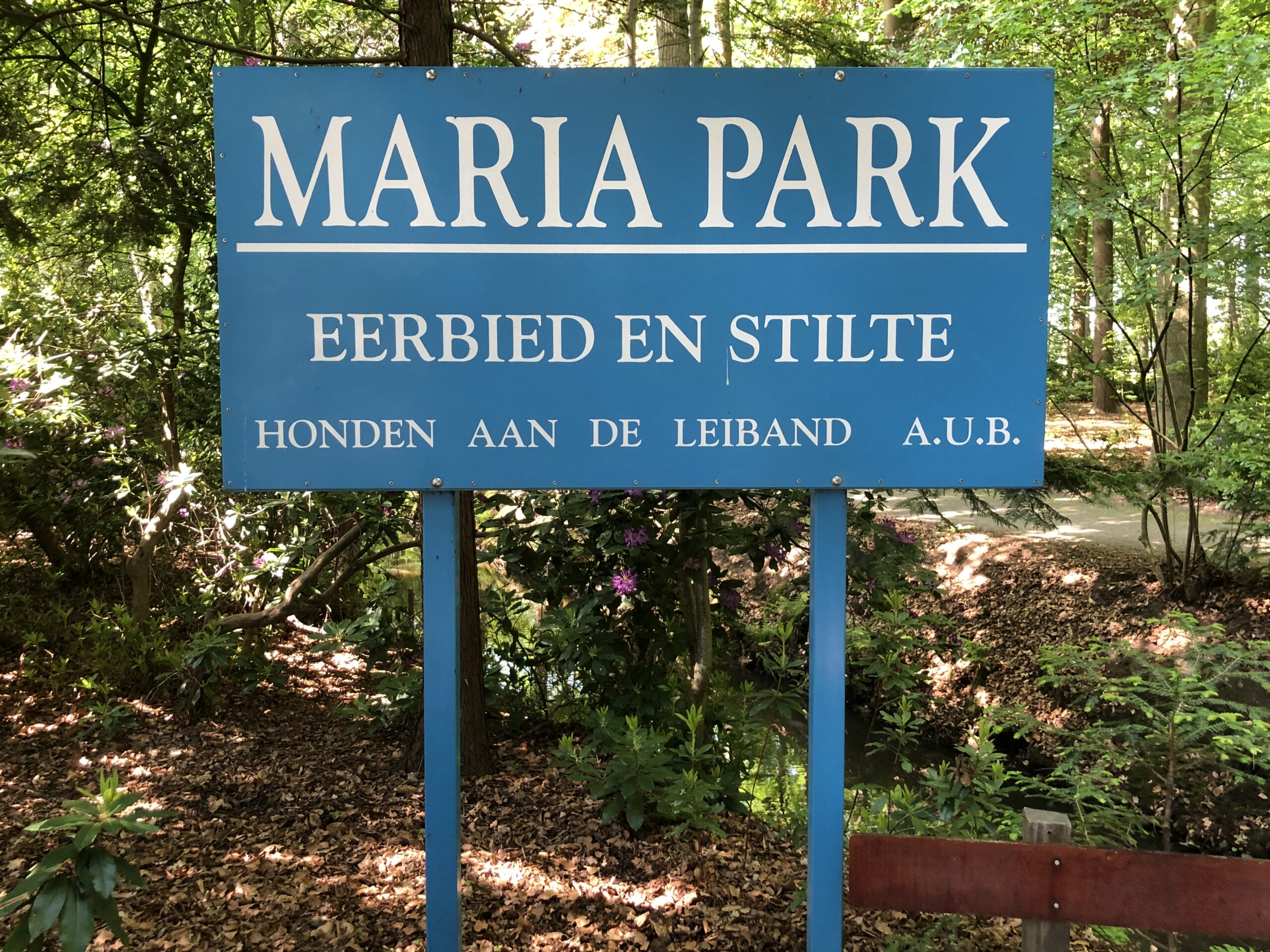
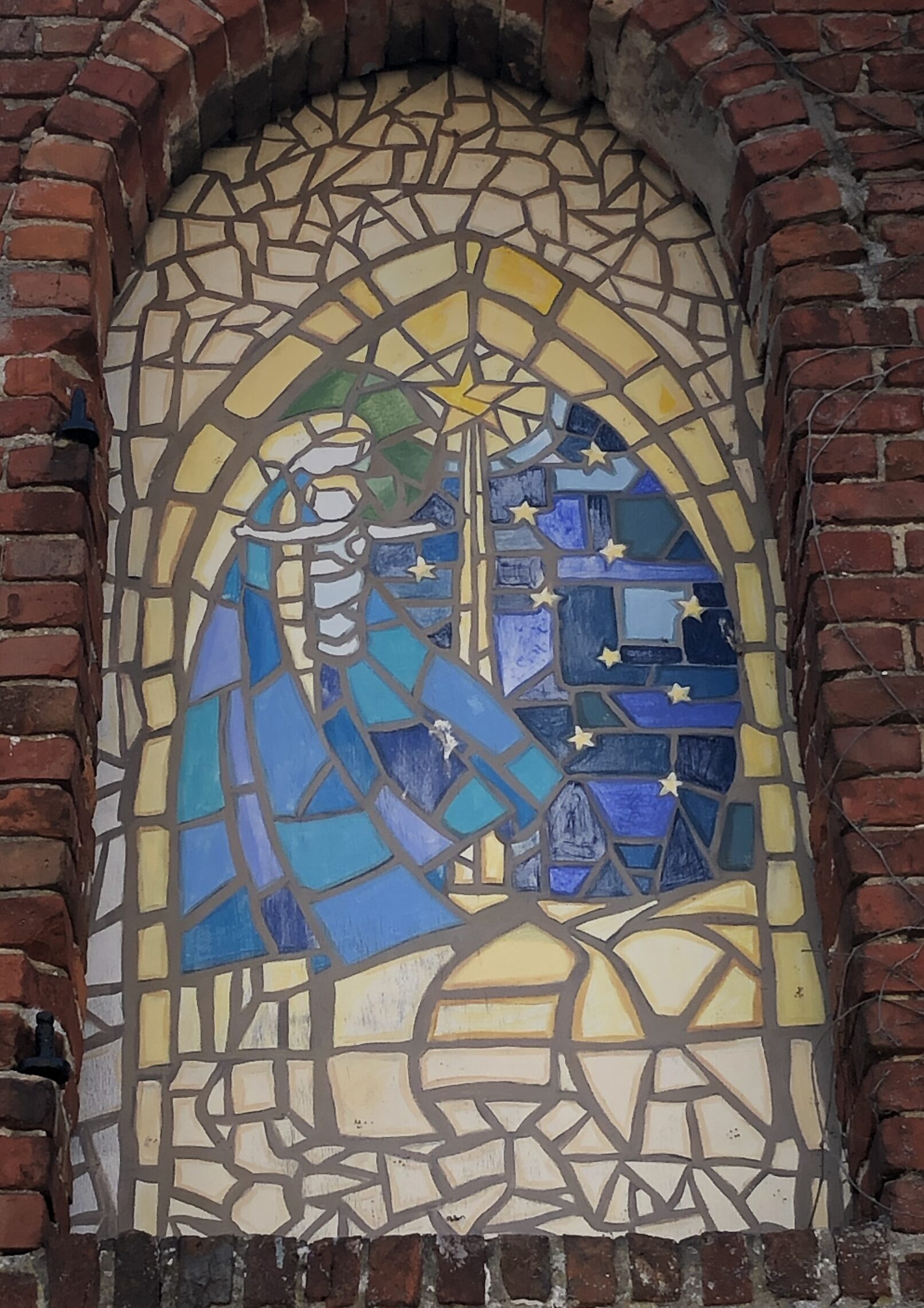
The Maria Park changes over time. For example, the chapel of Saint Francis was renovated in 2019. The statue of Saint Francis of Assisi, who lived from 1181 to 1226, was also sculpted by Ghent-born Johannes Vlerick (1956). In 2019, a Franciscus labyrinth was also laid out in the extensive Maria Park.
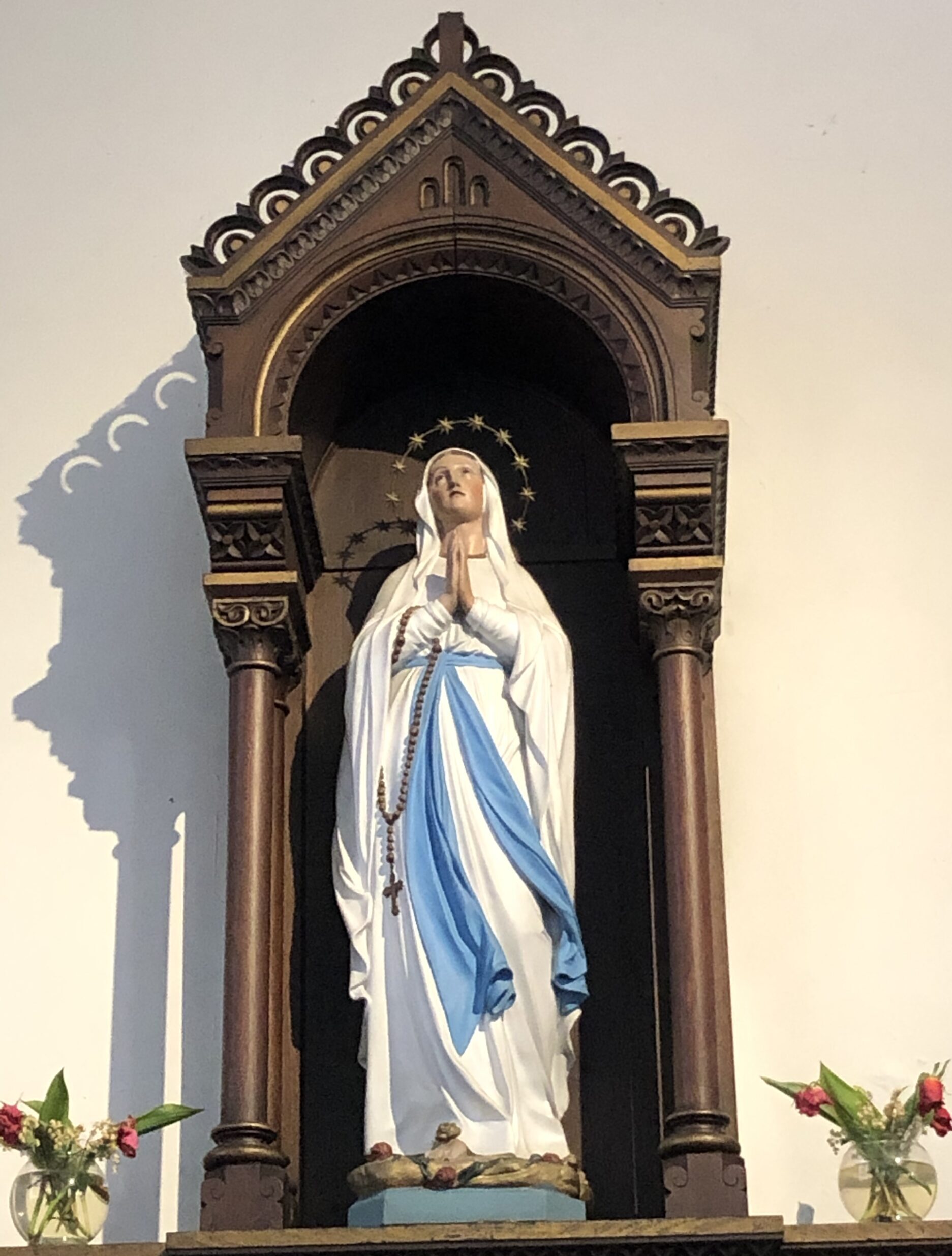
Pilgrimage site
Meersel-Dreef is the most northerly village in Belgium and the Maria sanctuary is situated in beautiful surroundings. The Maria park is not only rich in statues, but also in natural beauty.
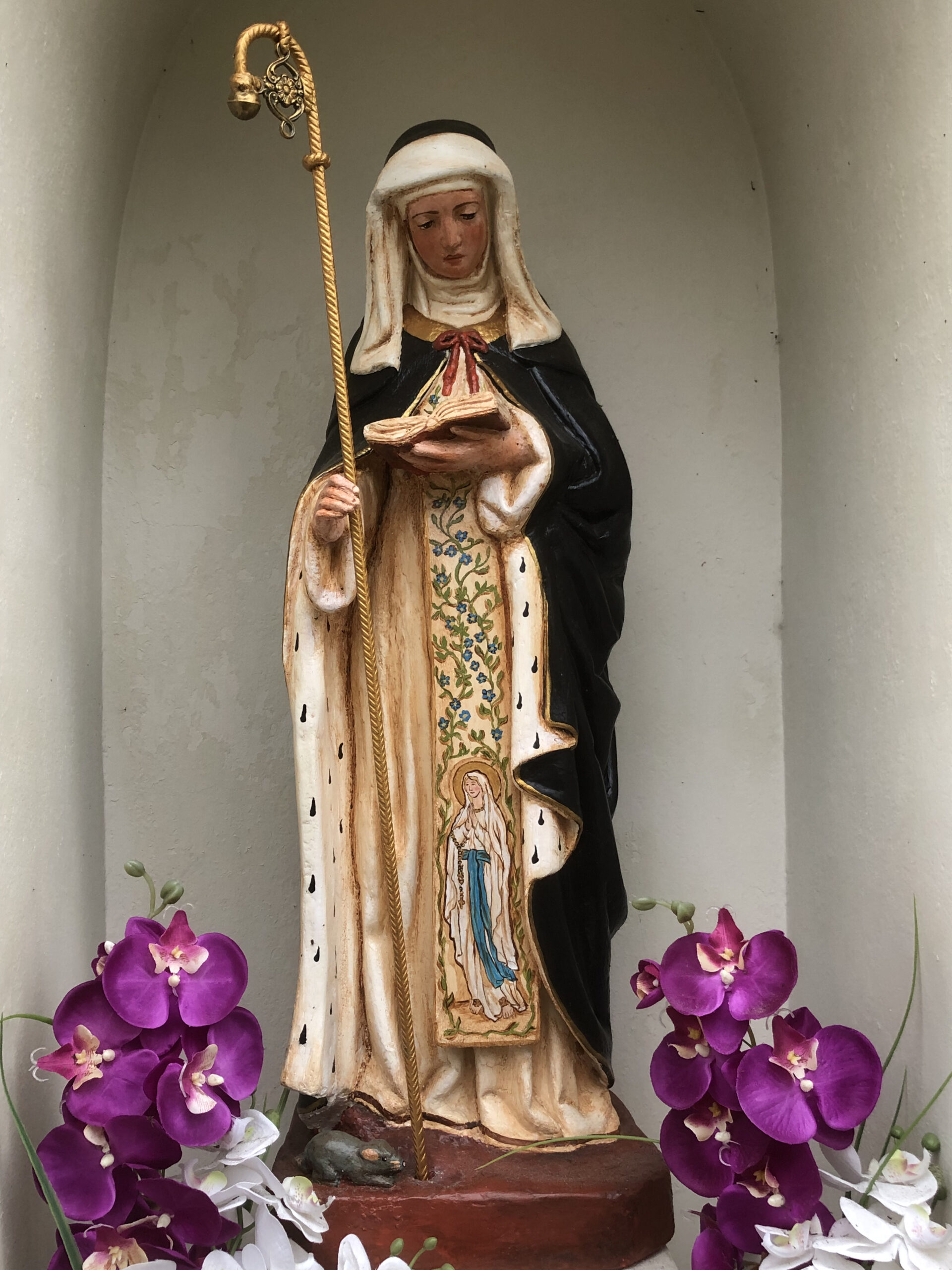
Meersel-Dreef is also referred to as “the Lourdes of the Noorderkempen”. It is the northernmost village in Belgium. Visitors to Meersel-Dreef are mainly Flemish. Numerous Dutch people also visit, most of whom are from Brabant.
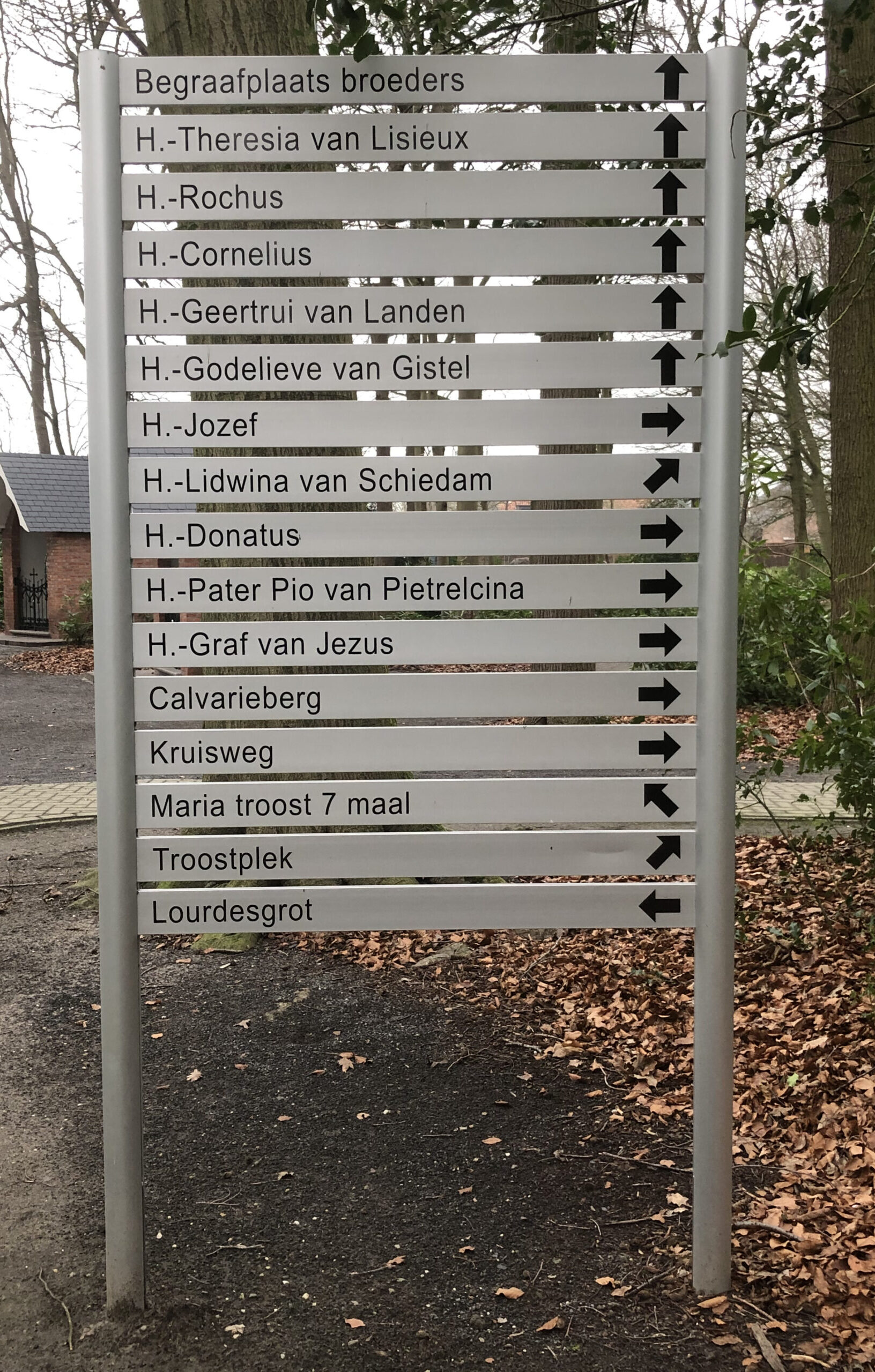
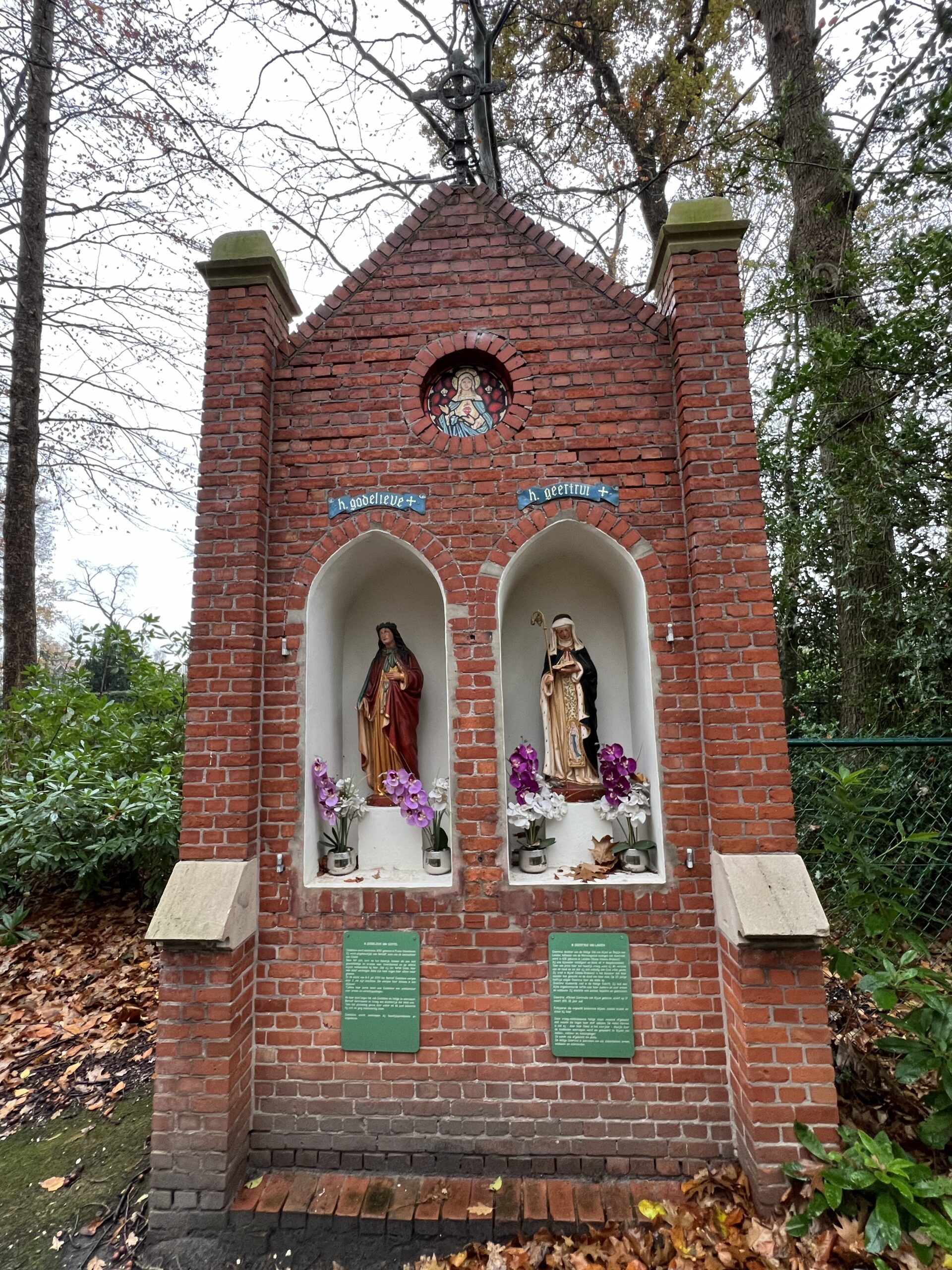
The Mariapark not only includes the large grotto, but also pays tribute to, among others, Padre Pio, Gertrude of Nivelles, Godelieve, Apollonia and Thérèse of Lisieux.
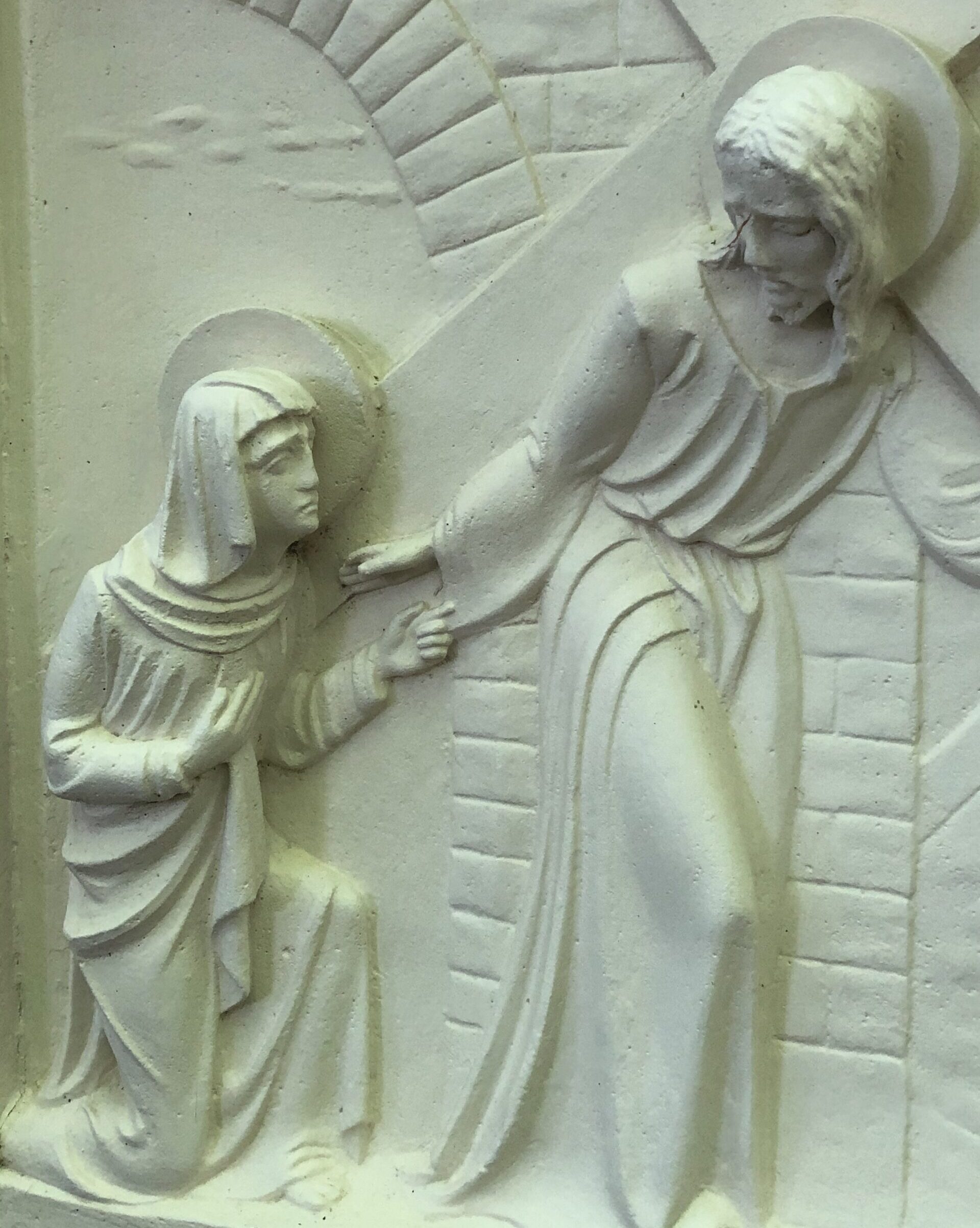
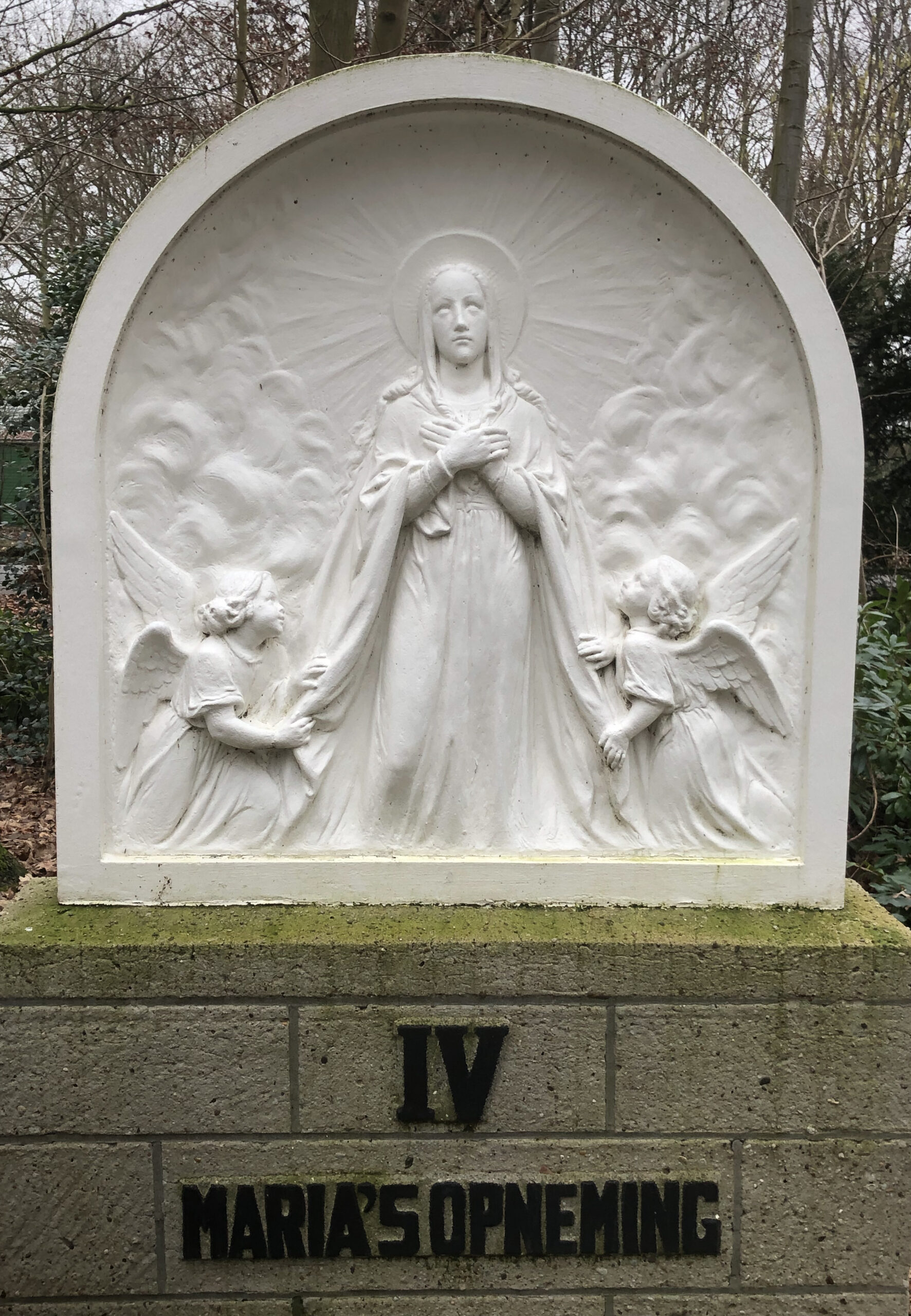
Besides the grotto, the chapels of the Seven Sorrows of Mary and St. Francis's Chapel, in particular, receive a great deal of visitors. The chapel with the praying Francis, is intended to look dilapidated, as this suits the humble man. The Stations of the Cross feature white statues. In the Marypark there is a Franciscan labyrinth with flowers and plants, which is the same size as the one in the French cathedral of Chartres. The maze is surrounded by flowers and plants. The Marypark also accommodates a cemetery for Capuchin friars.
Since 2019, the monastery has housed an experience centre, where children can playfully encounter the faith.

Opposite the Maria Park, next to the monastery, is the tavern De Zevenster, where pilgrims can still linger a while after their stay in the Maria Park and the monastery chapel.
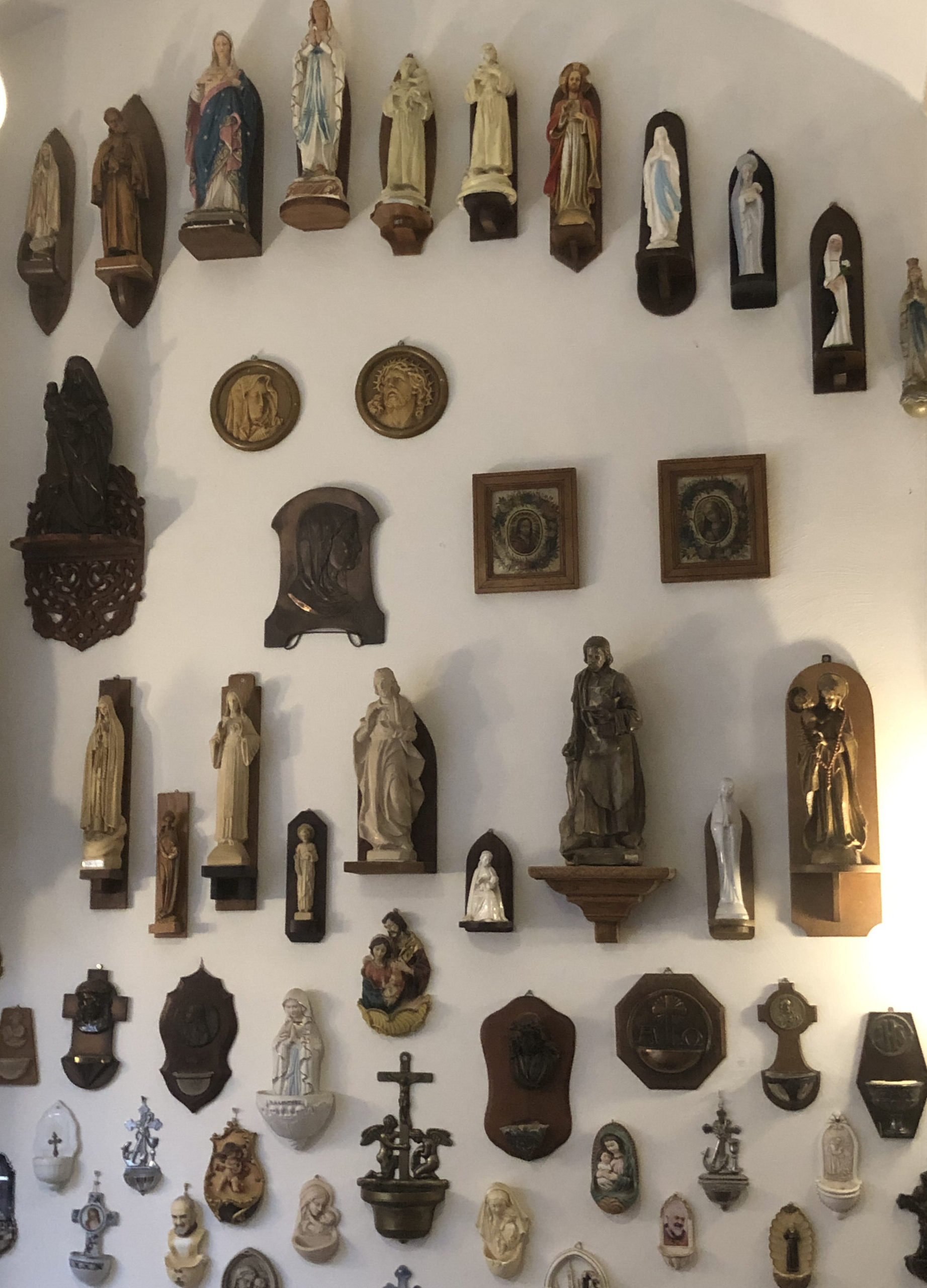
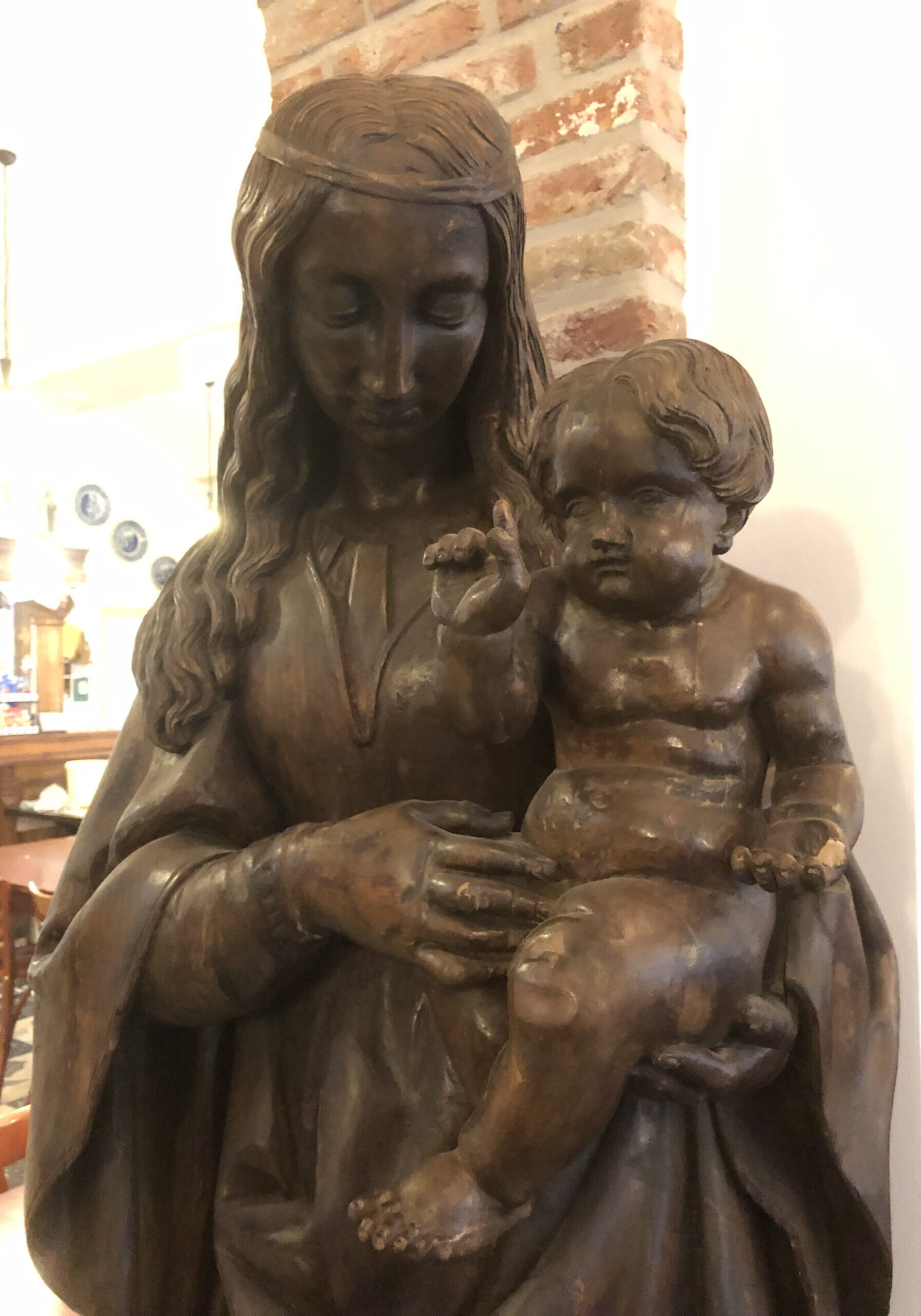
During warm weather on Sundays, the Eucharist service is held at the Lourdes Grotto and not in the church.
The pilgrimage season begins with Easter and runs until the end of October each year. The pilgrimage site is open every day, and visitors come to the Grotto of Lourdes daily. This means that candles are always lit at the effigy of Mary.
ACCESSIBILITY
Meersel-Dreef is located south of Breda, just over the Belgian-Dutch border. Take the Meer exit from the A17 – E19 motorway from Breda towards Antwerp. Drive a little further and you will reach the rustic village of Meersel-Dreef.
Address: Dreef 38, B 2328 Meersel-Dreef.
For more information, please visit the website “www.kapucijnen.com”. Information can also be found at “www.openchurches.eu”.
With thanks to Father Kenny Brack for the enhanced data.
Experience
I am going to Meersel-Dreef and after an hour's drive by car, I will be standing in front of Mariapark. Within a few minutes, I will be at the grotto. It seems as if I am in the southern French Lourdes. The Lourdes Grotto is an impressive structure, about 15 metres wide and 10 metres high! Now I understand why it is called “the Lourdes of the Kempen region”. As with every visit to Mary, I light a candle and thank Her for the beauty of this day and for allowing me to come here again. I learn that large rock blocks were used in the construction of the Lourdes Grotto.
Staying in the Mariapark is a pleasant experience, and I always notice how well-maintained this domain is. Even in autumn, when countless leaves have fallen, the paths are still easy to walk on. Renovations are also carried out annually on chapels, paths, and statues. This keeps the Mariapark in an inviting state to welcome many visitors.
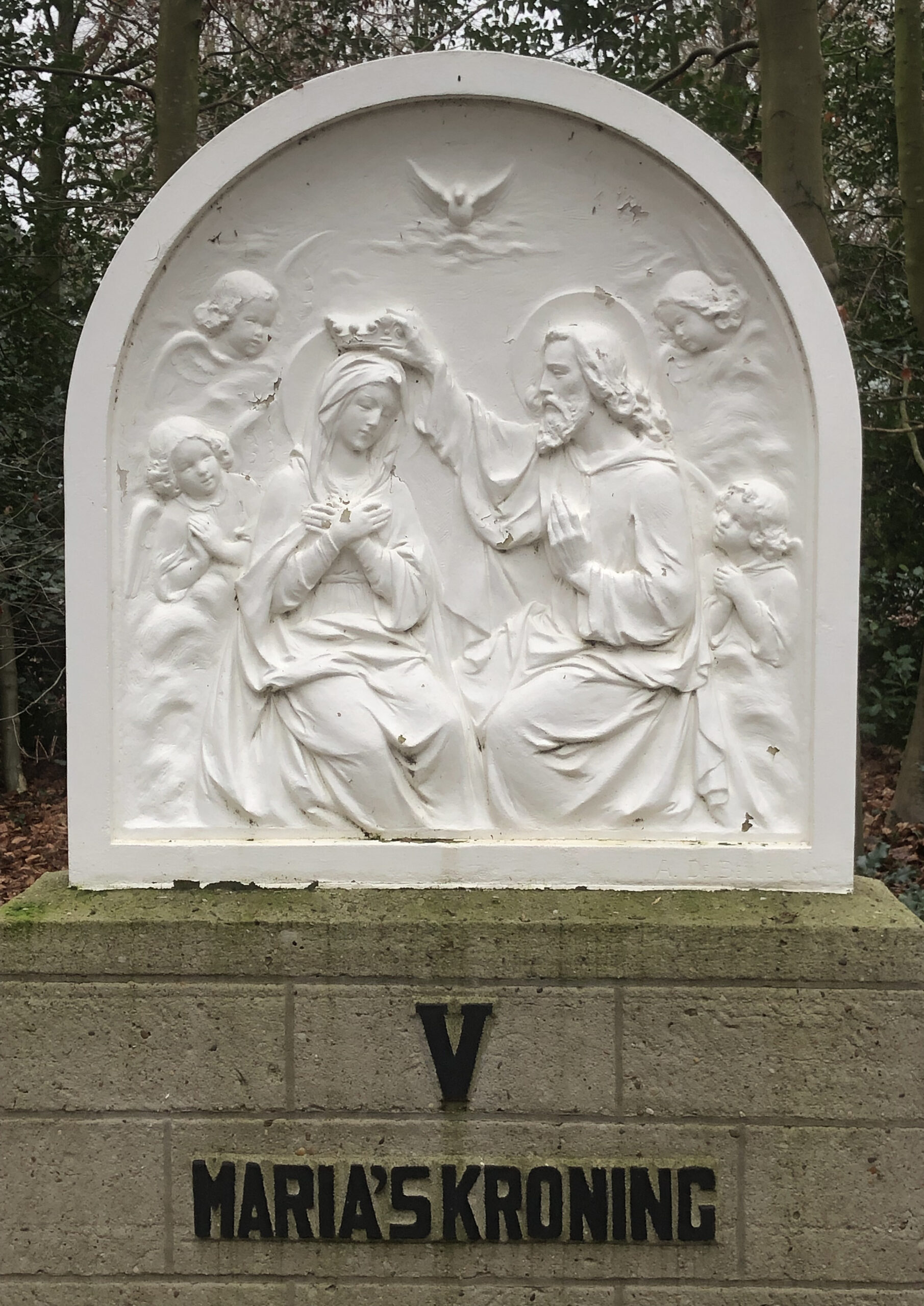
Several times a year I stay here for a few hours, as did I on Padre Pio day in the second half of August. Undoubtedly, the day in honour of the Italian saint attracts the most visitors annually. Then, all the seating by the grotto is occupied and many people are standing. This means roughly 1300 interested parties attending the Eucharist and subsequently visiting the Maria Park or strengthening their inner selves.
What is striking is that Meersel-Dreef was liberated from the German occupier on the same day as my city, Bergen op Zoom, namely 27 October 1944. During the Second World War, a promise was made to Mary in both places. If the town is spared from great war violence, a Rosary procession will be held in Meersel-Dreef. In my town, Bergen op Zoom, it is the Maria Ommegang.
The Maria Park is, for me, the perfect opportunity to walk in silence with thoughts of Mary. I find it one of the most beautiful places to be with Mary.

Environment
From Antwerp to Meersel-Dreef means travelling 50 km to the northeast.
The distance from Breda to Meersel-Dreef is 20 km south.
From Bergen op Zoom to Meerel-Dreef is 51 km travelling west.
~~~
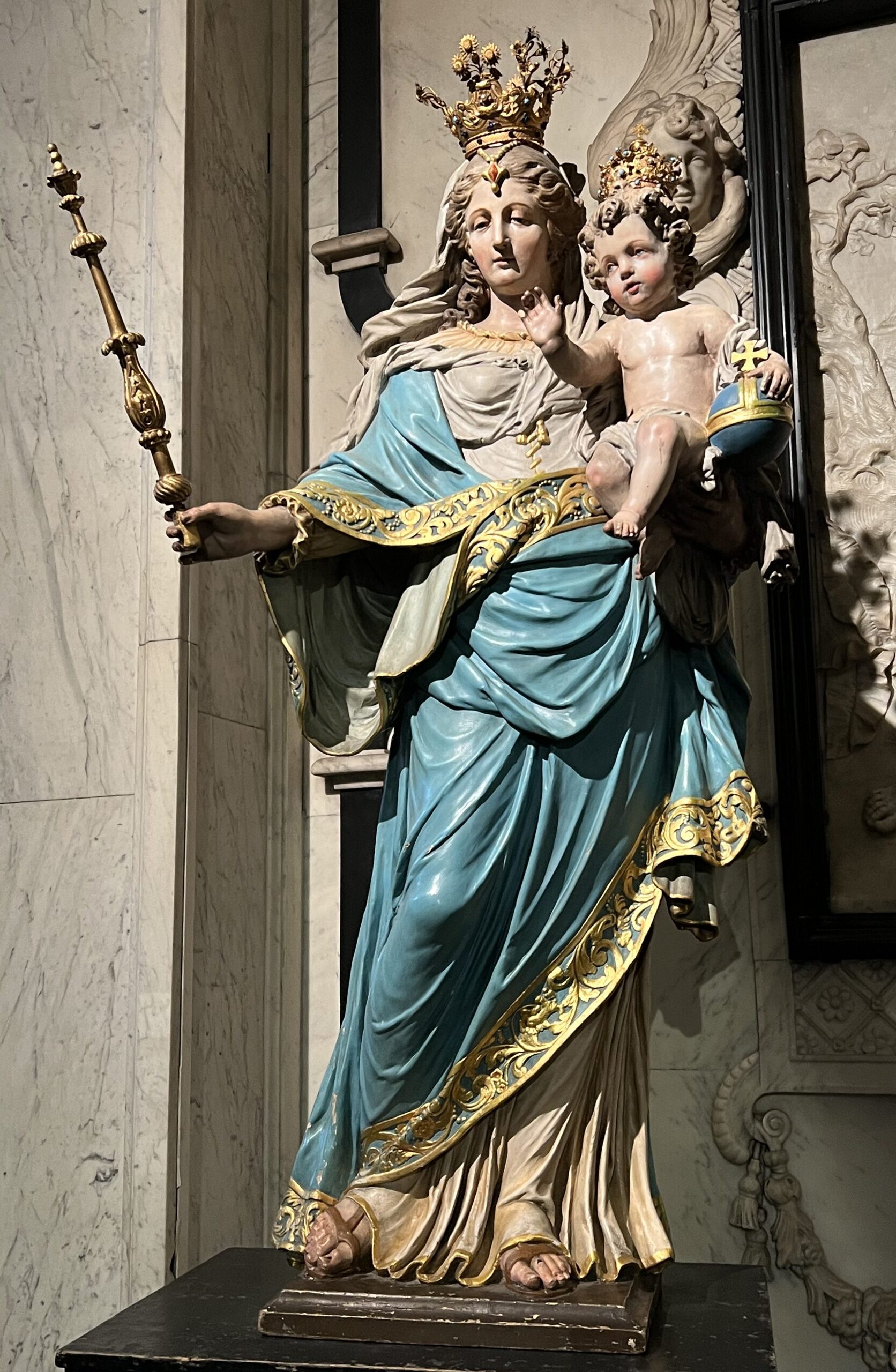
Close to Meersel-Dreef lies Antwerp, and in this port and art city there is much to admire, such as the baroque St. Charles Borromeo Church on Hendrik Conscienceplein in the heart of the old city centre. Peter Paul Rubens (1577-1640), the Antwerp baroque painter, diplomat, tapestry designer and draughtsman, is the designer of the decorative sculptures. The church was built between 1614 and 1621 at the behest of the Jesuit order. In 1621 the church was consecrated and in 1622 received the then still beatified Ignatius of Loyola (1491-1556) as its patron, who was canonised in 1622. The true patron saint until then was Our Lady.
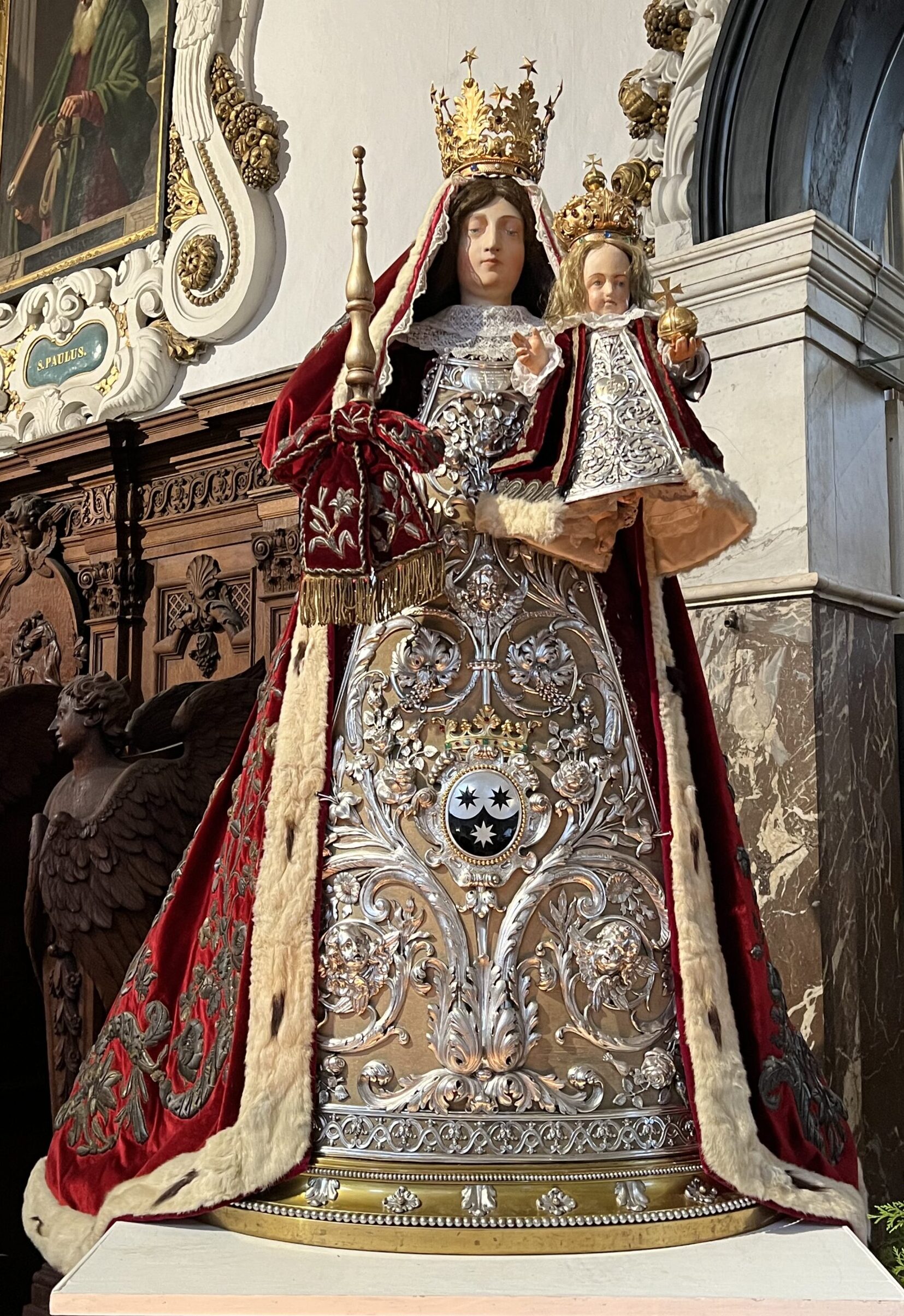
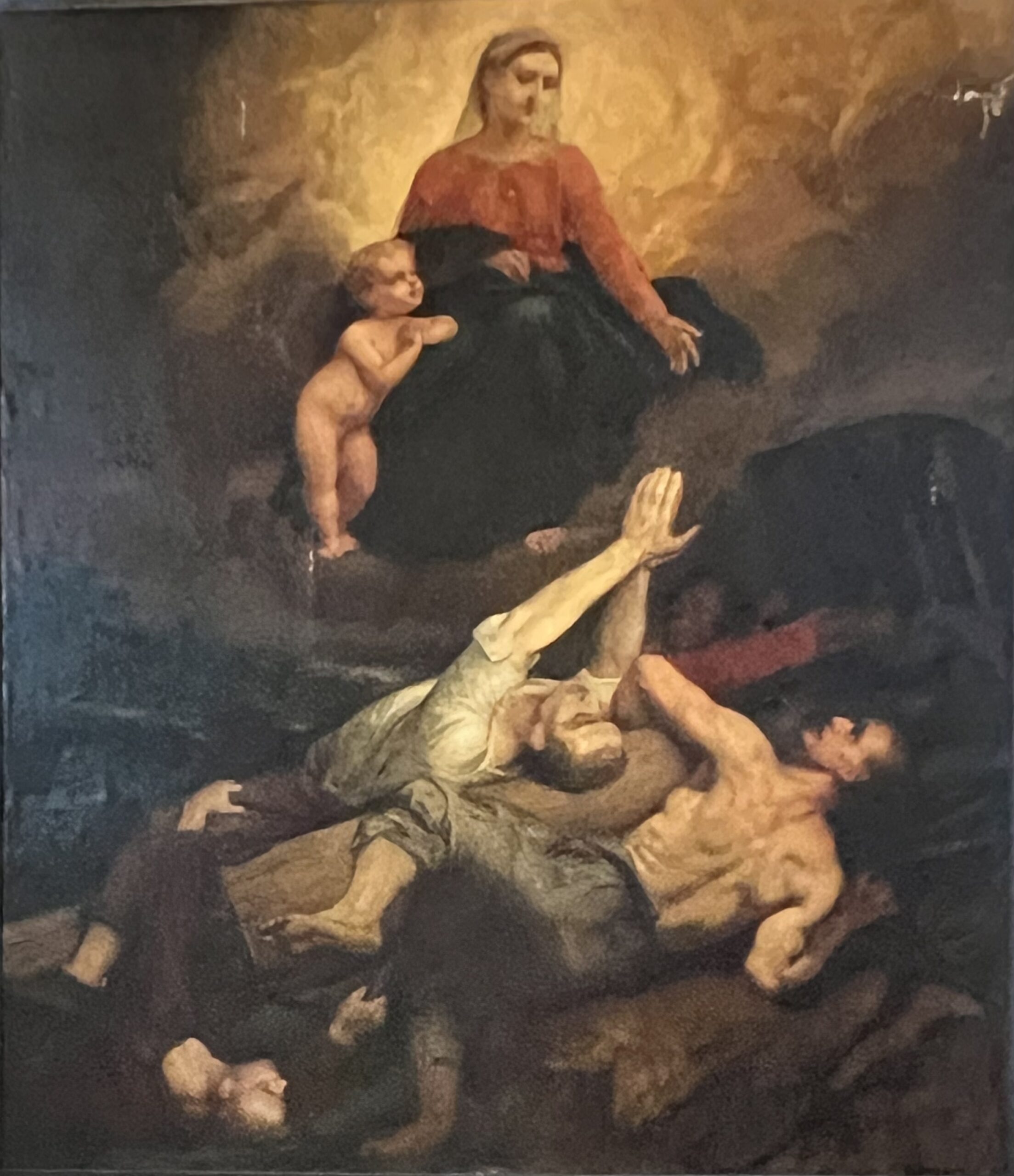
The painting “The Coronation of Mary” by Cornelis Schut (1597-1655) from 1613 is among the art treasures, as is the work by Gustaaf Wappers (1803-1874) “Our Lady of Carmel” from 1840.
The Chapel of Our Lady is also a jewel with the Assumption of Mary and the painted marble panels of the altar depicting phases of the life of Mary by Antwerp-born Hendrik van Baken the Elder (c. 1575-1632).
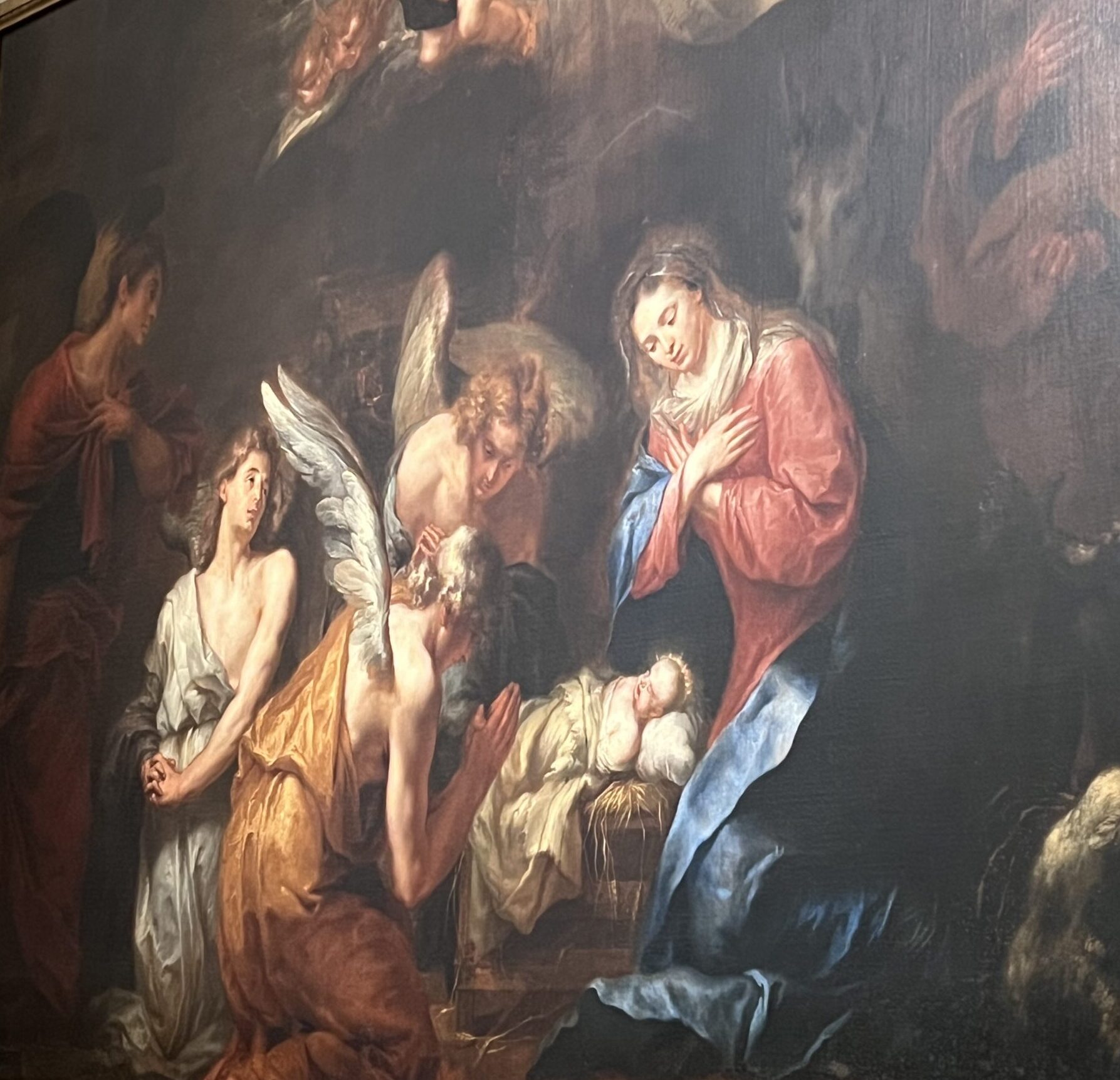
In the church, there is also a painting by Kasper (Gaspar Jacob) van Opstal the Younger (1660-1714). It depicts the birth of Jesus, with the visit of an angel to Mary, Joseph, and the newborn Jesus.
The Annunciation to Mary by the angel Gabriel is a painting by Van der Borght from 1811.
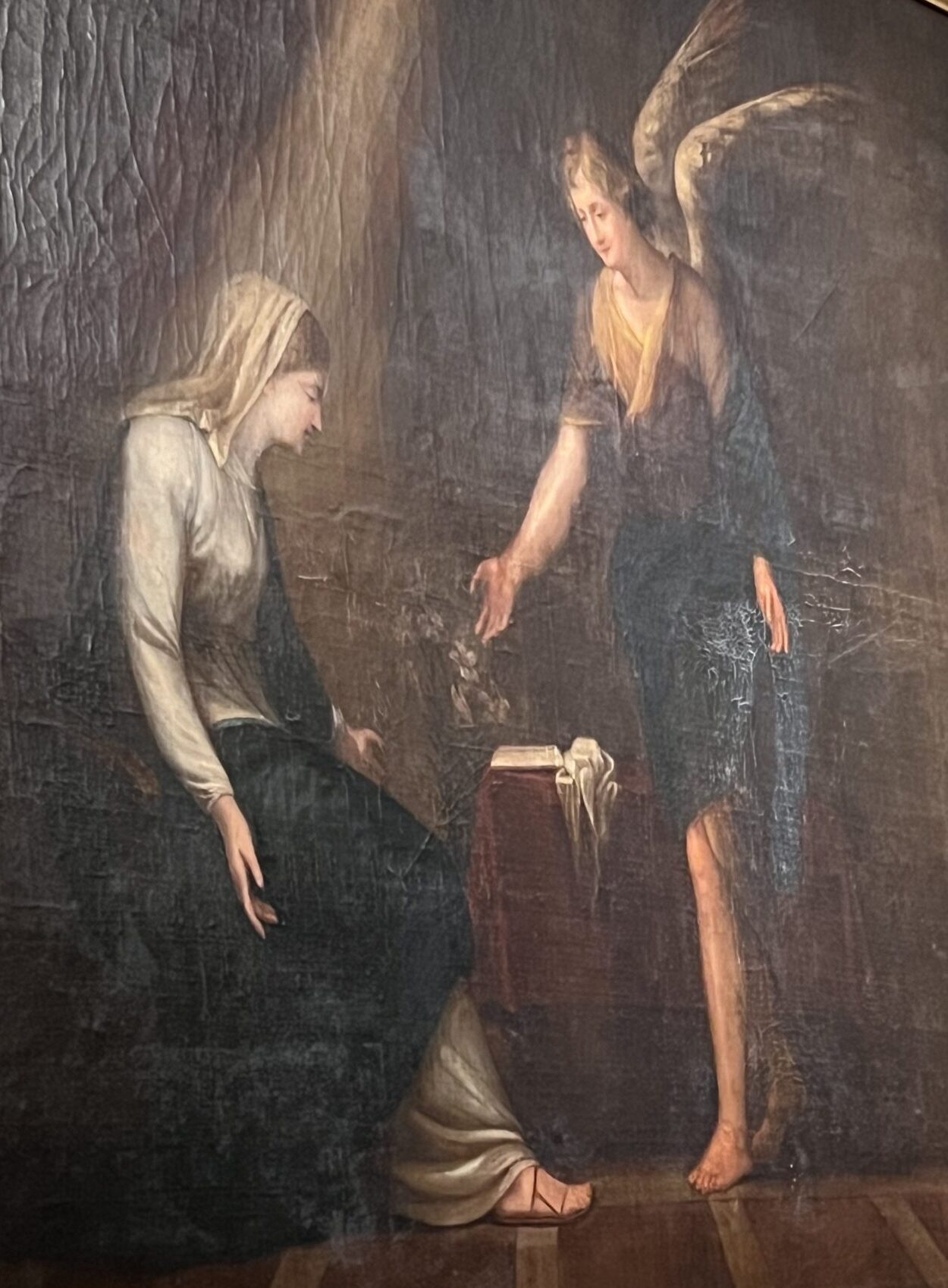
The St. Charles Borromeo Church is a valuable art centre in Antwerp.
~~~
St Paul's Church, Antwerp.
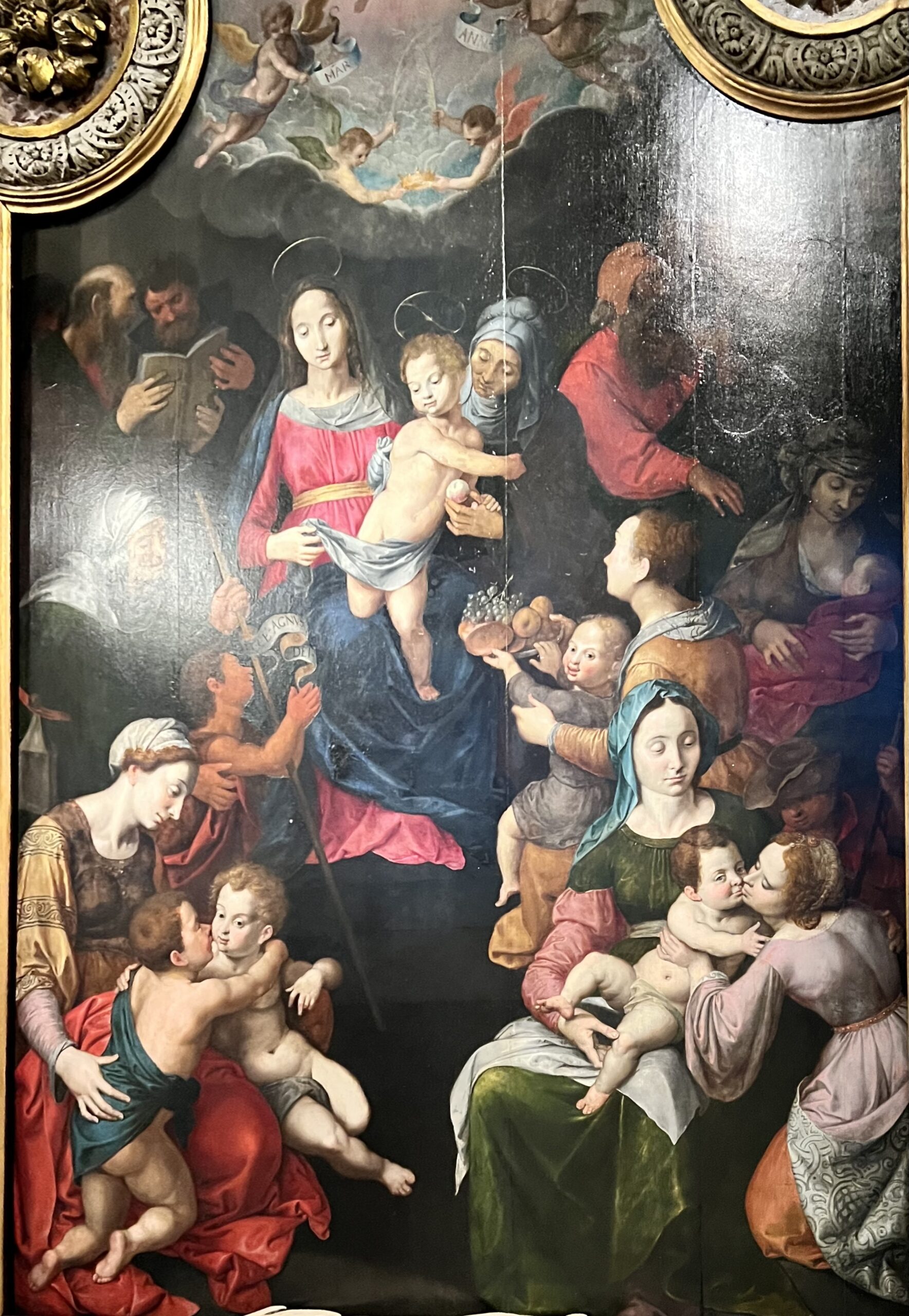
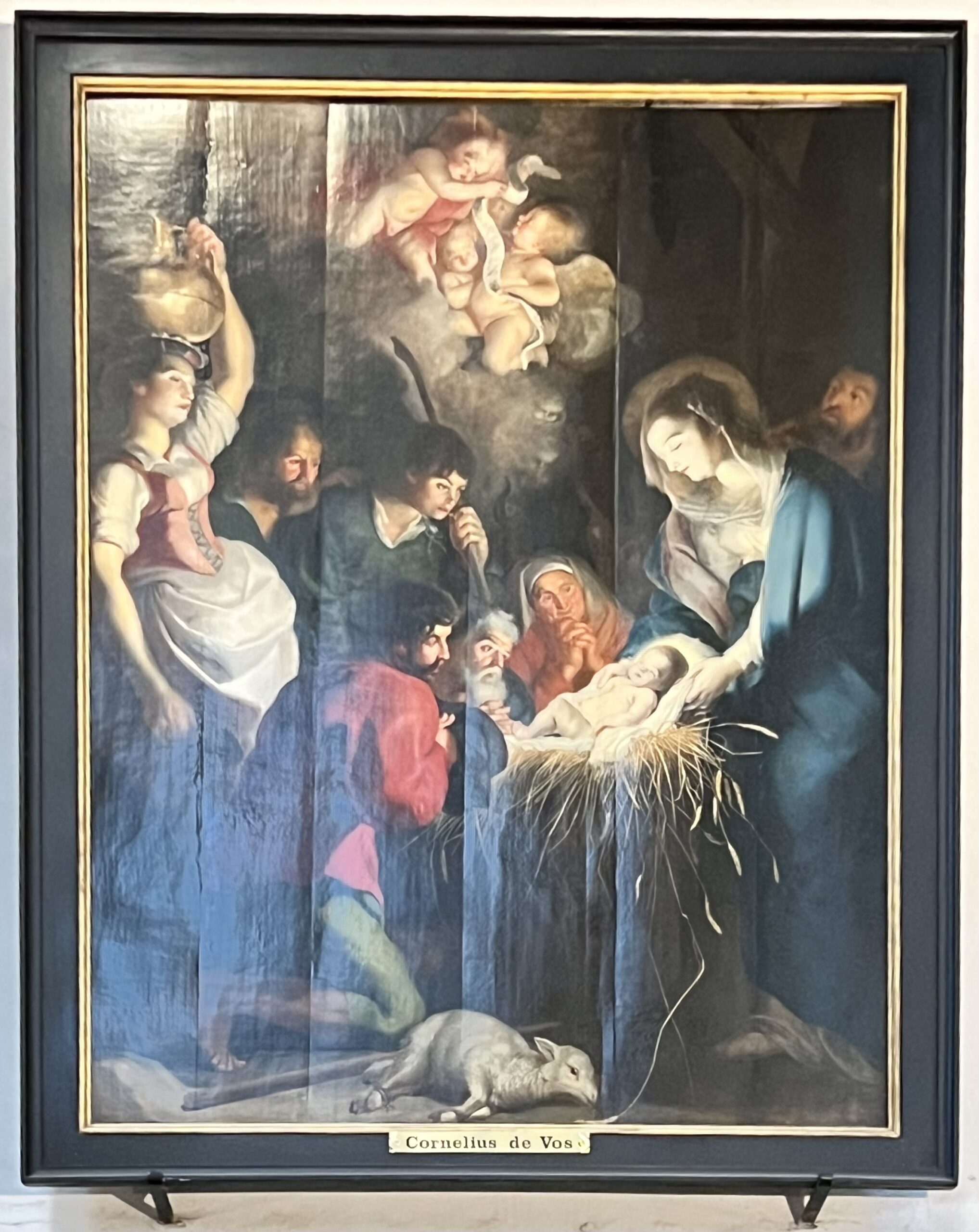
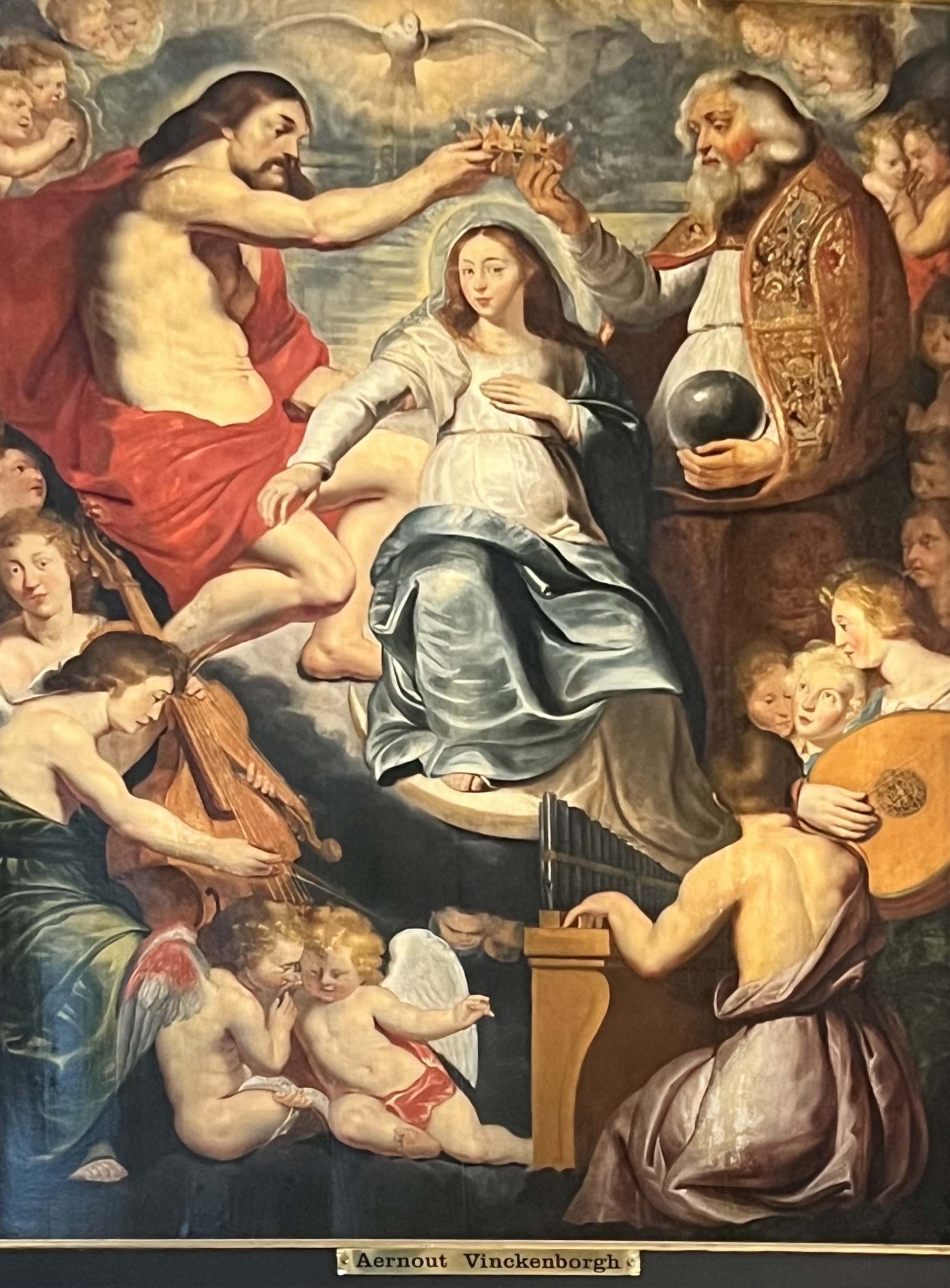
A visit to St. Paul's Church in Antwerp means being able to see many works of art. The church is located at Sint-Paulusstraat 22, 2000 Antwerp. A different place of worship previously stood on the site of the current church. The church was built in Gothic and Baroque styles. The church was built as a Dominican convent church. The architect was Domien/Dominicus de Waghemakere (c.1460-1542) during the period 1503-1512. St. Paul's Church displays many works of art, such as paintings and sculptures. More information can be found at www.sintpaulusantwerpen.be.
Posted: 8 October 2019
Last modified: 20 January 2025
~~~

 Nederlands
  English (UK)
  Deutsch
  Français