History
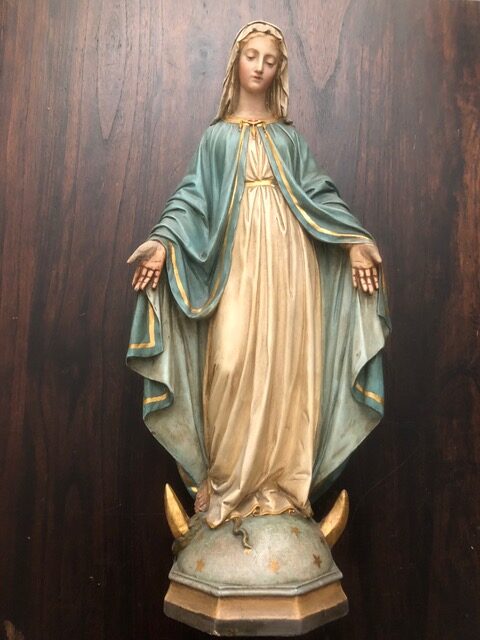
The first mention of a chapel in Montoussé dates back to 1387. In 1563, “Notre-Dame de Noilha” is mentioned. At that time, there was a church in Montoussé which burned down in 1710. In 1770, permission was granted to rebuild the church. It became a rather large chapel, which in 1787 was dedicated to “Notre-Dame de Nestés à Nouillan”. A statue of Mary stands in this chapel. In 1793, this effigy was saved at the last minute, otherwise the statue would have been destroyed during disturbances in the French Revolution (1789-1799). The chapel was completely destroyed.
A legend tells... A young cow belonging to the Corrège family stands by a large bush, mooing. This happens for several days in a row. The farmer becomes curious why the cow is making so much noise and goes to look. By the bush, he sees an image of Mary. He takes the statue to the village church of Montoussé, but the next day the statue is back by the bush. This repeats a few times. As a result, the people become convinced that the statue wants to stay by the bush. Then something quite remarkable happens, because in the middle of summer that year, it begins to snow. The snow outlines the shape of a chapel to be built, and it is indeed built there. Unfortunately, the building is destroyed during the French Revolution, but the statues, including the statue of Mary, are safely removed in time. Later, bushes overgrow the remains of the chapel.
In 1820, French revolutionaries wanted to destroy the statue of Mary in the church, but a girl managed to get the statue out of the church just in time and hid it. In Montoussé, there has been a remarkably large devotion to Mary all this time. There is mention of a Marian sanctuary.
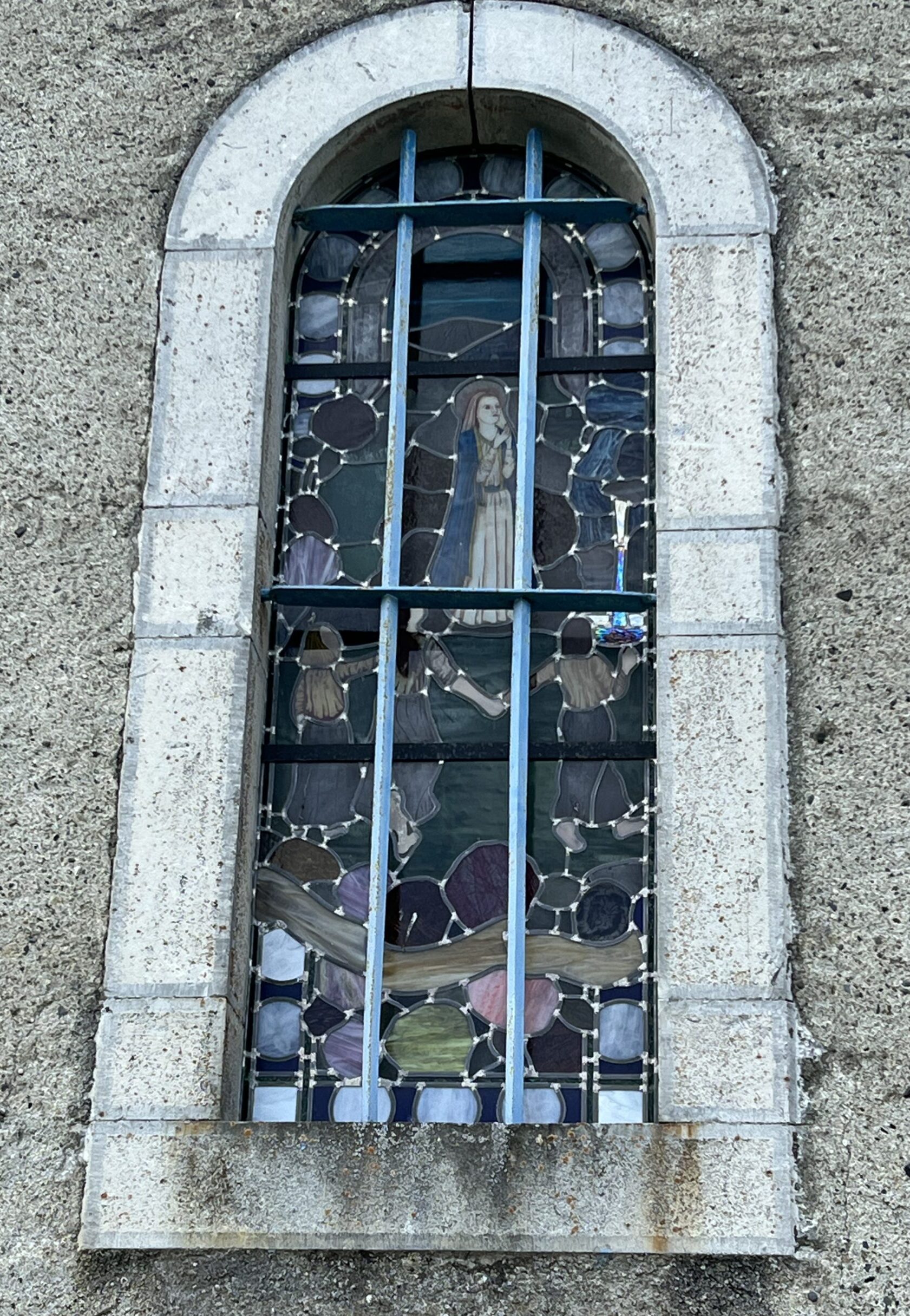
Then it becomes the 23rd of June, 1848. This is 10 years before the apparitions in Lourdes. Towards midday, three girls see Our Lady in a great light, near a water spring. The children are Françoise Miquiou-Vignaux, 11 years old, her niece Françoise Vignaux, 11 years old, and her friend Rosette Dasque-Poulouzin, 8 years old. Between the bushes, they see a beautiful lady, who lifts her hands to the heavens. The lady wears a long, white dress and has long hair down to her shoulders with a parting in the middle. The apparition has a fair complexion and looks at the children. She emits a pleasant scent. This happens at the site of a former sanctuary, which has completely collapsed.
On 28 June 1848, Mary reappears in a great light while praying the rosary. The seer is Catherine Malaplate-Jannet Poc (1824-1904), who also sees Mary the following day.
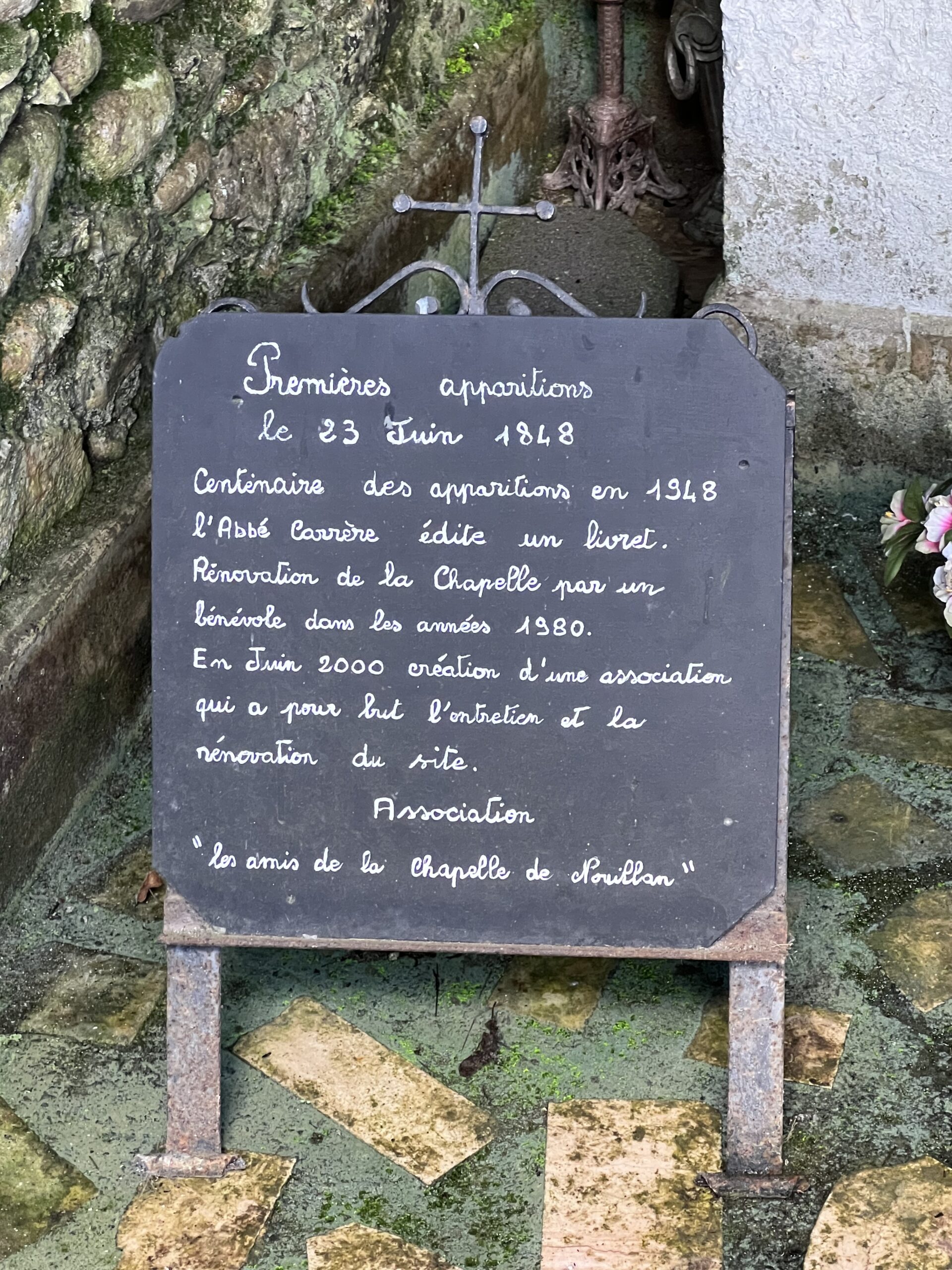
On 29 June 1848, there was the third apparition, this time to 11 people, comprising 4 adults and 7 children, most of whom belonged to the Vignaux, Malaplate, and Corrège families. After this, the apparitions, which revealed themselves at the site of a former sanctuary, recurred. This occurred until June 1849, meaning the apparitions lasted for a year.
On 8 September 1856, the statue of the Virgin Mary was placed in the new chapel at Montoussé. On 21 September 1856, the rebuilt chapel was consecrated. It was Fontan, the parish priest of Montoussé from 1827 to 1864, who had the chapel built after the apparitions. He also recorded and reported many unexplainable healings to Bertrand-Severus Laurence (1790-1870), Bishop of Tarbes (1845-1870). A small field chapel was erected at the site of the apparitions. Jean Bertrand Pène, parish priest from 1864 to 1897, had the chapel enlarged in 1873-1874.
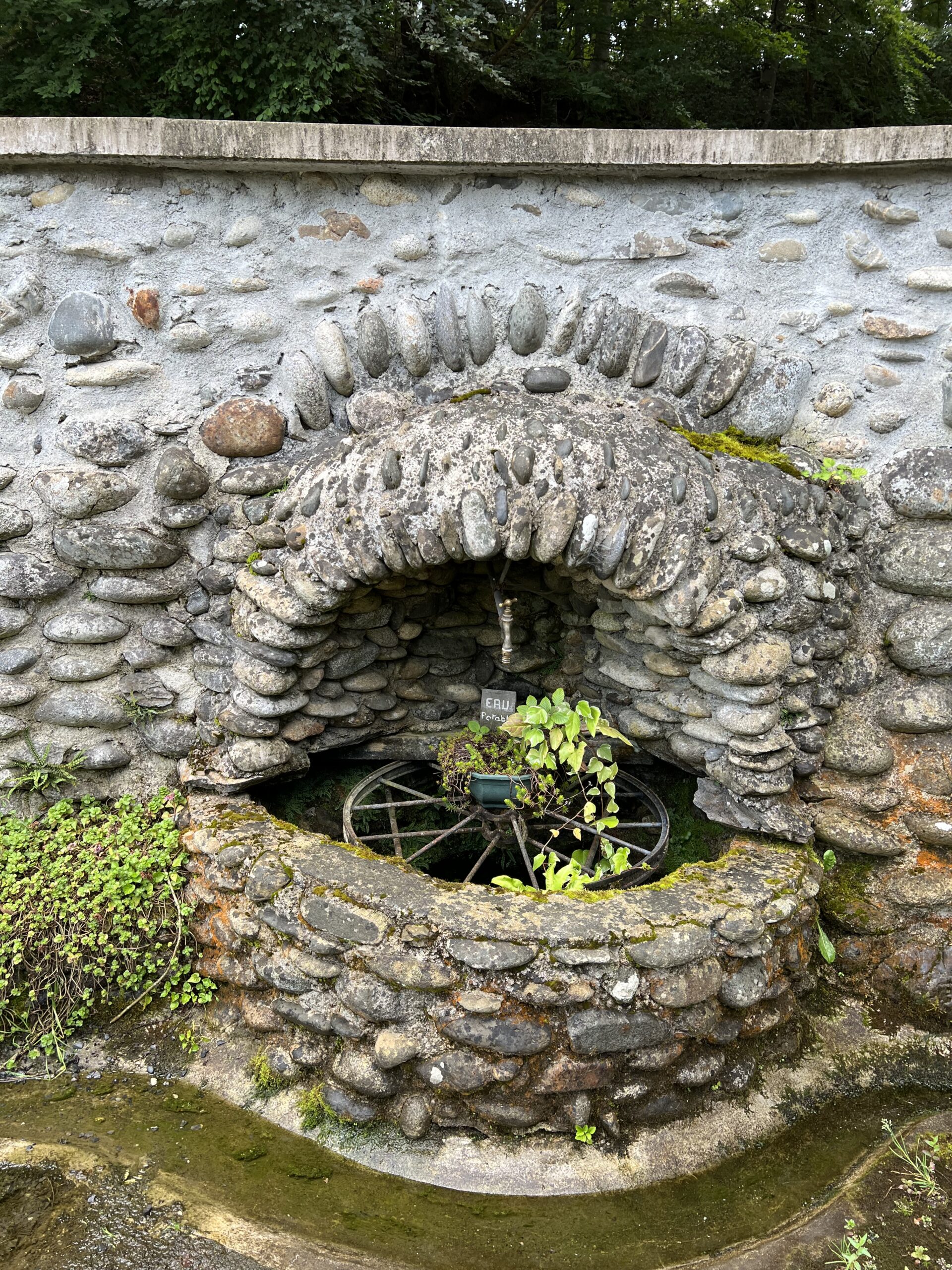
Miracles occur here, and people are healed when they drink from the water present in the spring. This leads to a huge increase in the interest to visit the place.
The apparitions in Lourdes in 1858 mean the shrine is slowly losing favour with pilgrims.
The statue of Mary on the bell tower of the Montoussé chapel is crowned and blessed by Pierre-Marie Gerlier (1880-1965) on 13 September 1931. He was Bishop of Tarbes (1929-1937) and Archbishop of Lyon (1937-1965).
In 1982, Clément Engel, a pilgrim, restored the field chapel and the chapel.
Since 2000, a local association has been responsible for the pilgrimage site. It is an association of friends of the Nouillan chapel: “Les Amis de la Chapelle de Nouillan”.
Pilgrimage site
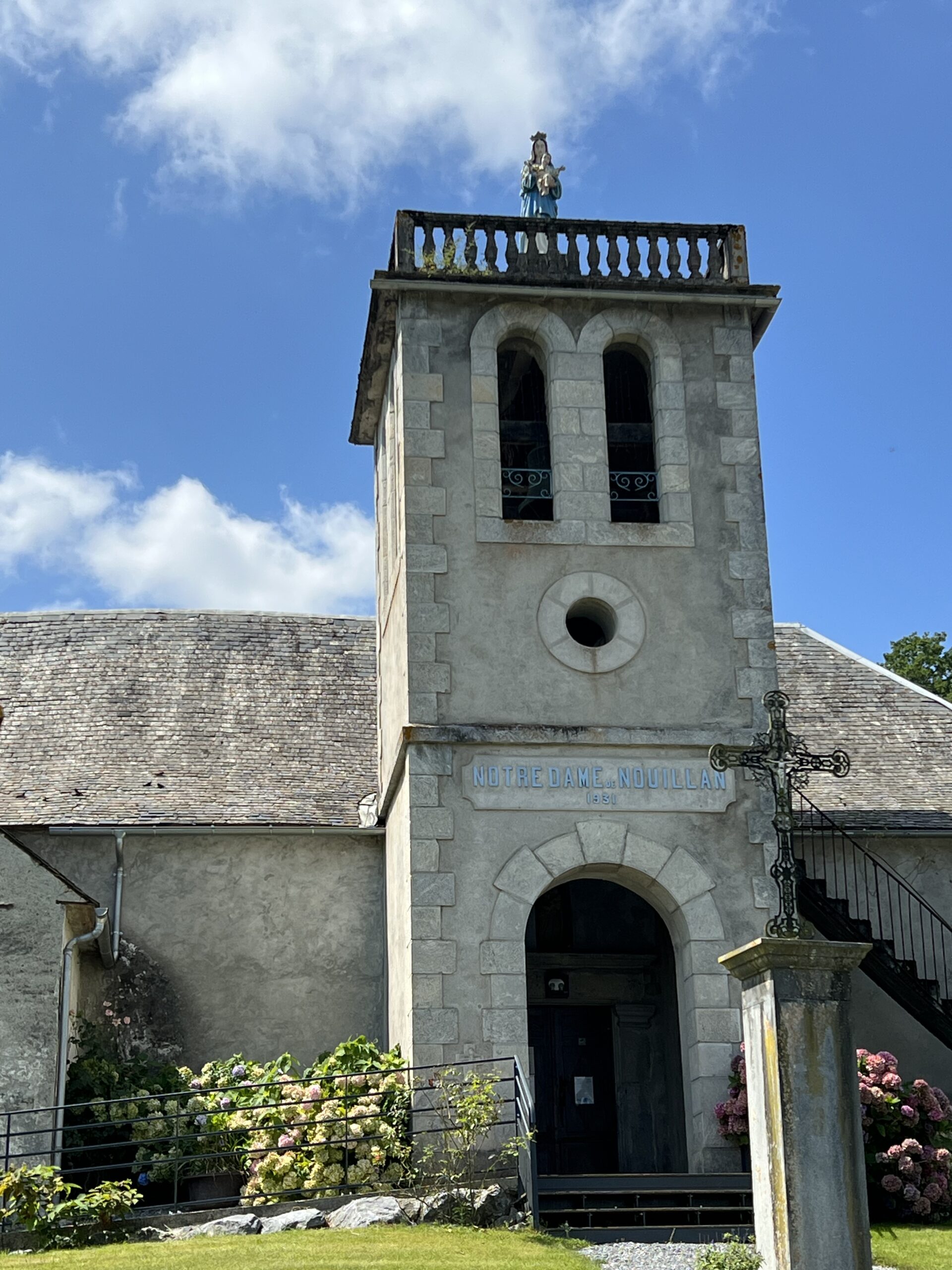
The chapel has a sturdy bell tower, topped with a statue of Our Lady.
The chapel features a 19th-century painting by the Italian artist Jean Chavauty. The artwork depicts the apparition of Mary to three young girls.
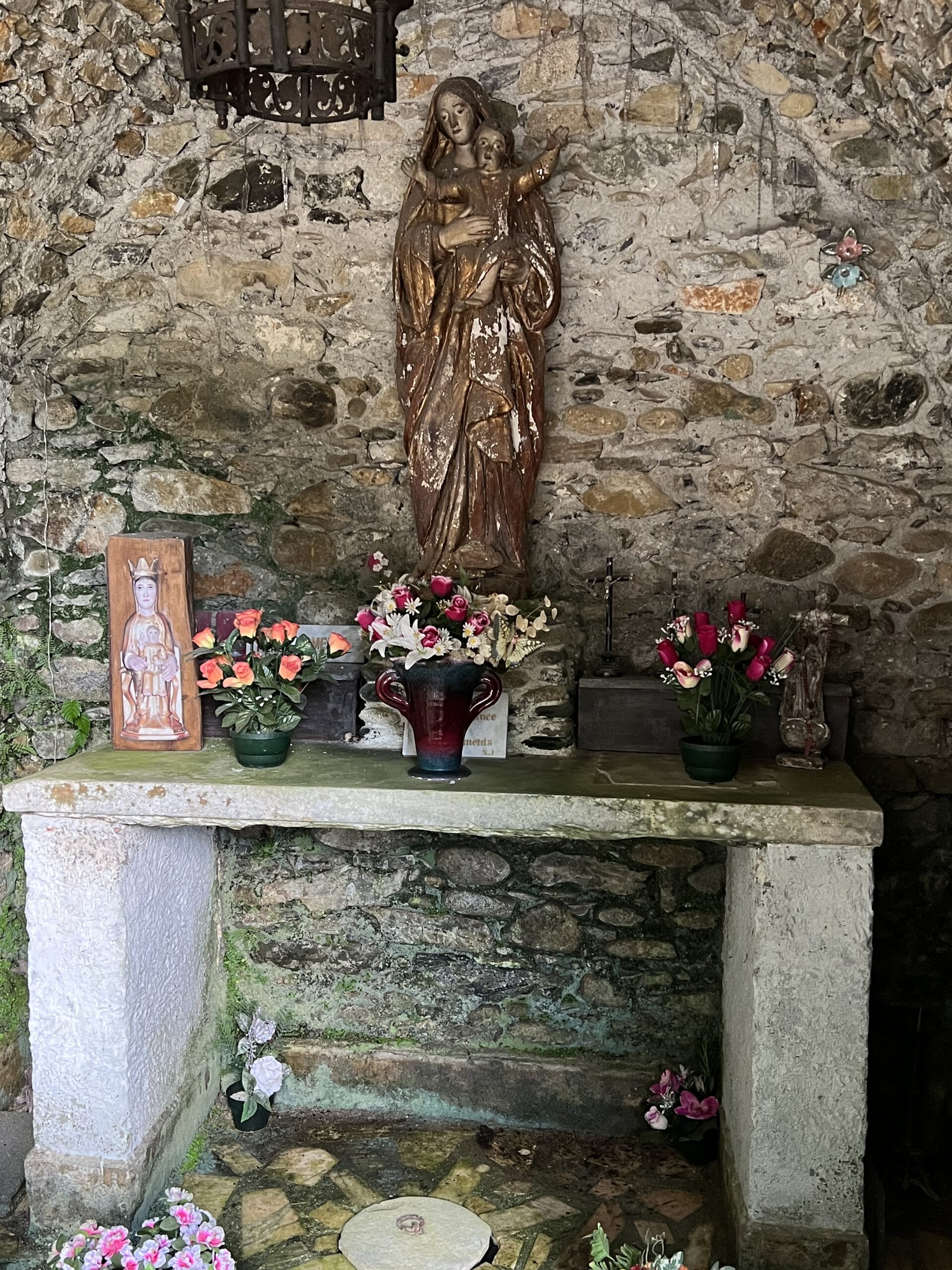
The field chapel marks the spot where the apparitions took place. The spring is also there, and miracles have happened here.

The sanctuary is accessible daily, but the chapel is not always open.
ACCESSIBILITY
Montoussé is located northwest of Toulouse and northeast of Saint-Gaudens, near the village of La Barthe-de-Nest, in the south of France.
Address: Notre-Dame de Nouillan, Chemin de Nouillan, 65250 Montoussé.
Experience
After a few kilometres of winding roads and some hills, I reach a narrow bridge. Once this is behind me, the village of Montoussé is nearby.
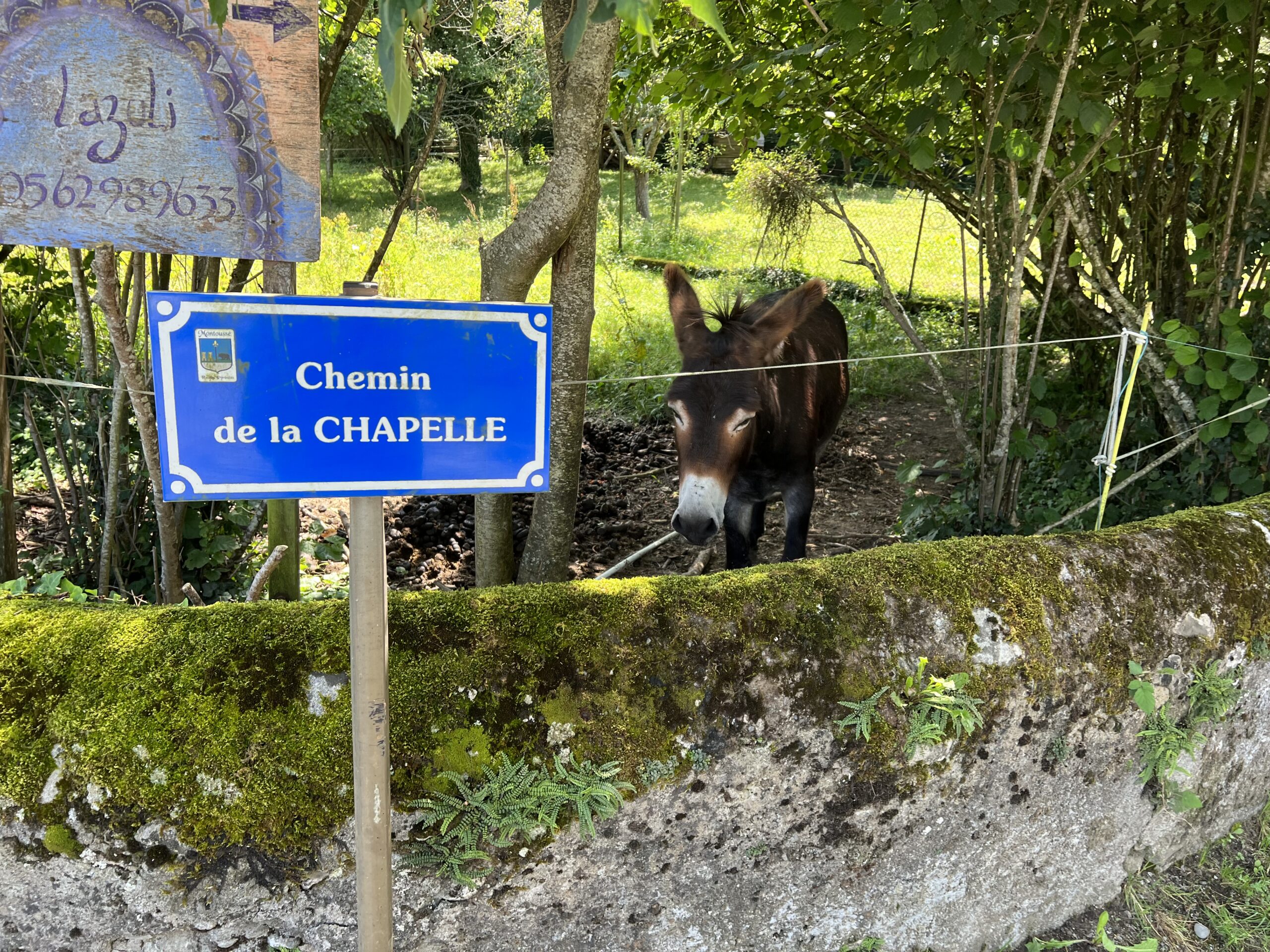
At the pilgrimage site, a donkey welcomes me. The animal stands alone in the meadow and allows itself to be petted. Mary sat on a donkey when She travelled every day. She also sat on a donkey during the flight to Egypt. Later, her Son rides on a donkey.
A sign from the Friends of the Chapel of Nouillan welcomes me. I look at the chapel and the square tower makes a very solid impression on me. What a robust structure for the porch of a chapel. On top of the tower is a statue of Our Lady. How well Mary looks out over the visitors and the surroundings. In the chapel's porch, there is also a statue of Mary with Child on her left arm. Stained-glass windows depict the apparitions to three girls in 1848. What an unforgettable encounter it must have been to meet the Virgin Mary.
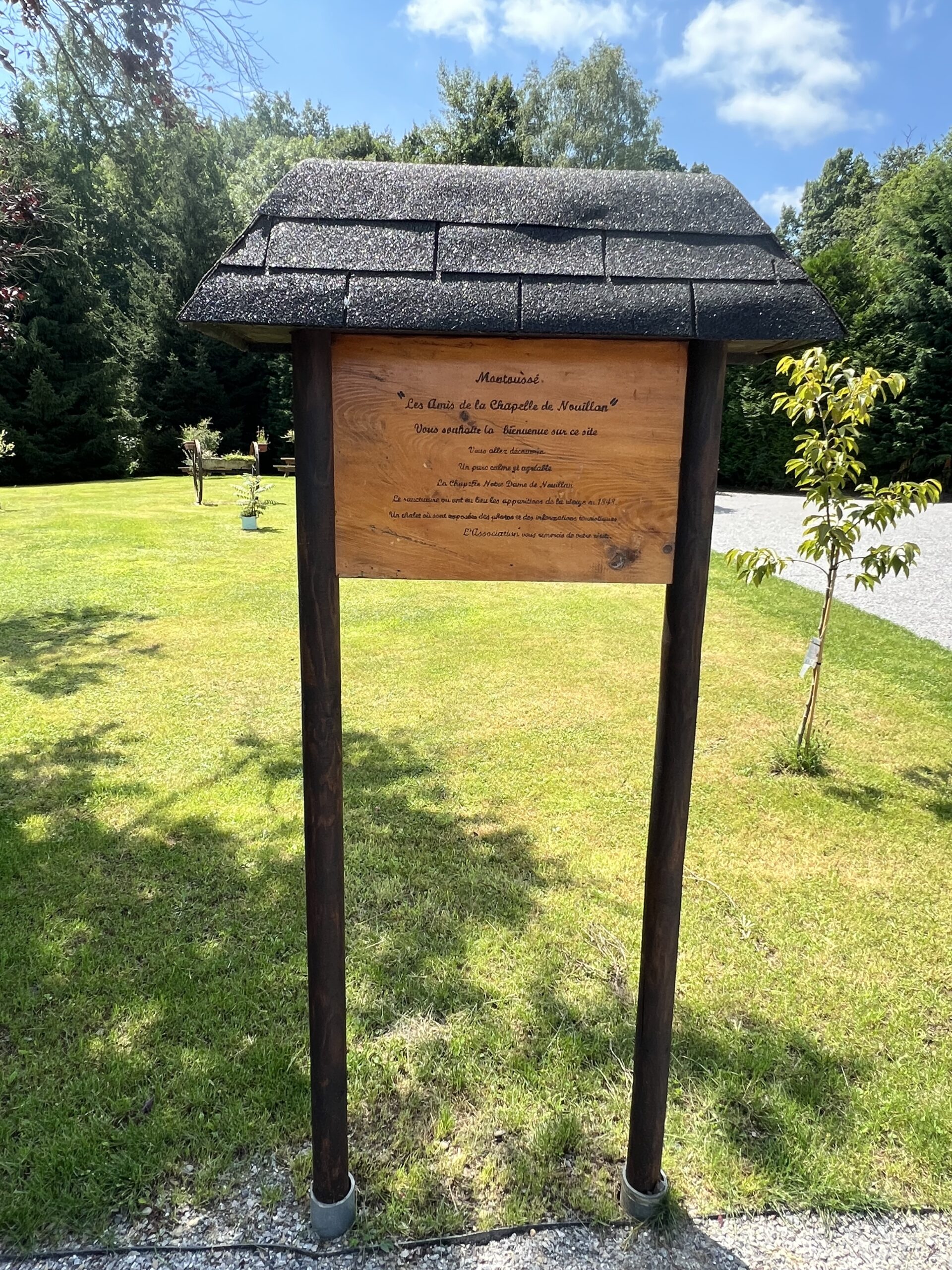
Next to the chapel stands a little chalet where devotional items and booklets are for sale. Information about the local area is also available here. It's a bit of shopping for a good man, who has been a friend for years, and a bit for myself. Afterwards, I'll go to the place of the apparitions, which is next to the wooden building with the wares. Here there is also a spring, whose history is mentioned. An image of Mary stands behind thick railings, and flowers colourfully adorn the whole scene. Here I light a few candles, pray to Our Lady, and express intentions for good acquaintances who could use a little help from Mary.
Environment
In the vicinity of Montoussé, there are opportunities for walking and cycling. The village is located 12 km south of Lannemezan. Montréjeau is 16 km away. The large city of Toulouse is 125 km from Montoussé.
The sanctuary of Garaison is located 23 km further north, and Lourdes can be visited 62 km to the west. Saint-Bertrand de Comminges is 17 km away.
SAINT-BERTRAND DE COMMINGES – CATHEDRAL OF OUR LADY
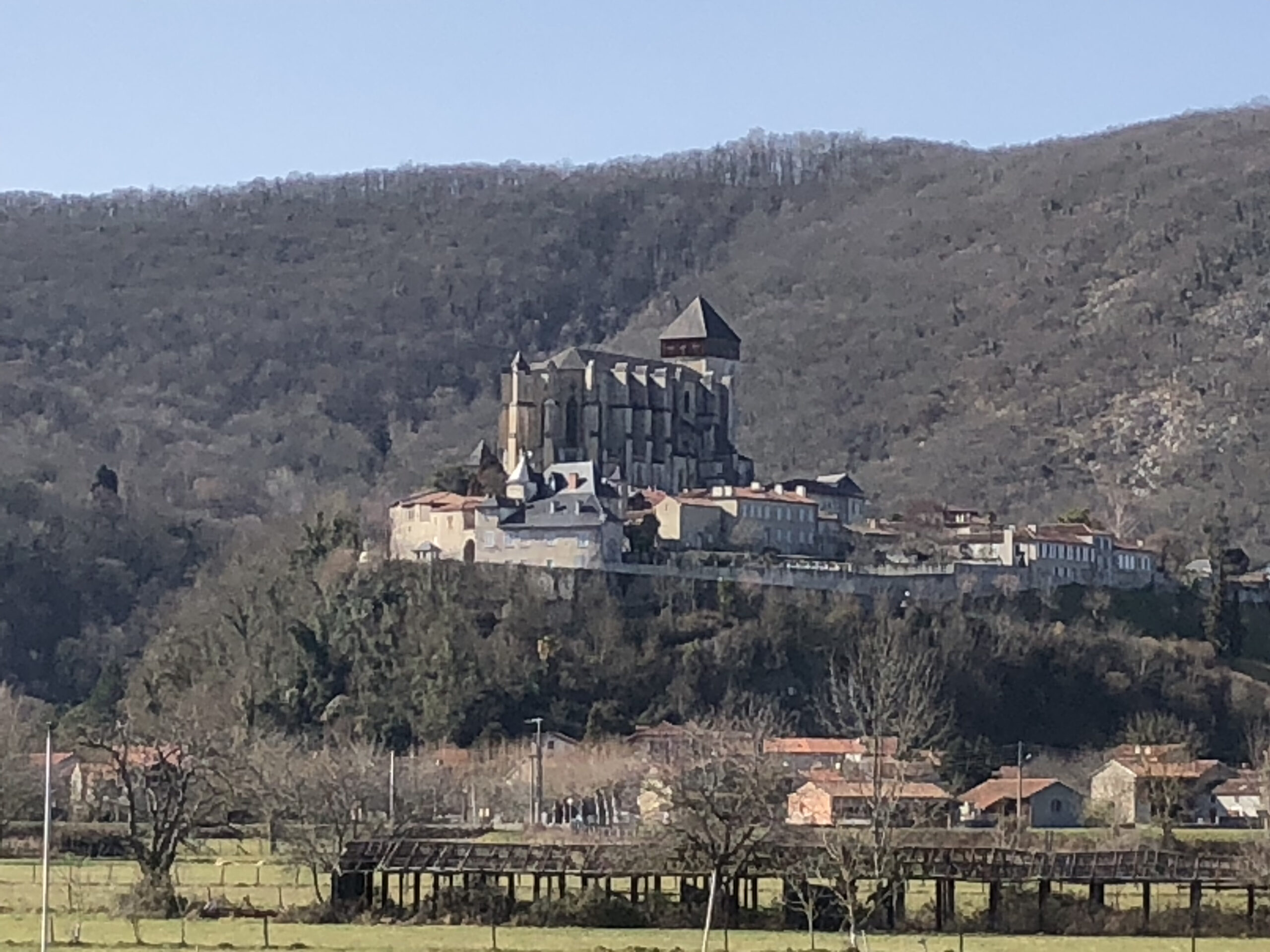
In the south of France, near Saint-Gaudens, lies the historic Saint-Bertrand-de-Comminges, a UNESCO World Heritage site. The village consists of an upper and lower part.

In the lower part of the village, building remains have been found from the former Roman city of Lugdunum-Convenarum. These date back to the beginning of the common era, so over 2000 years ago.
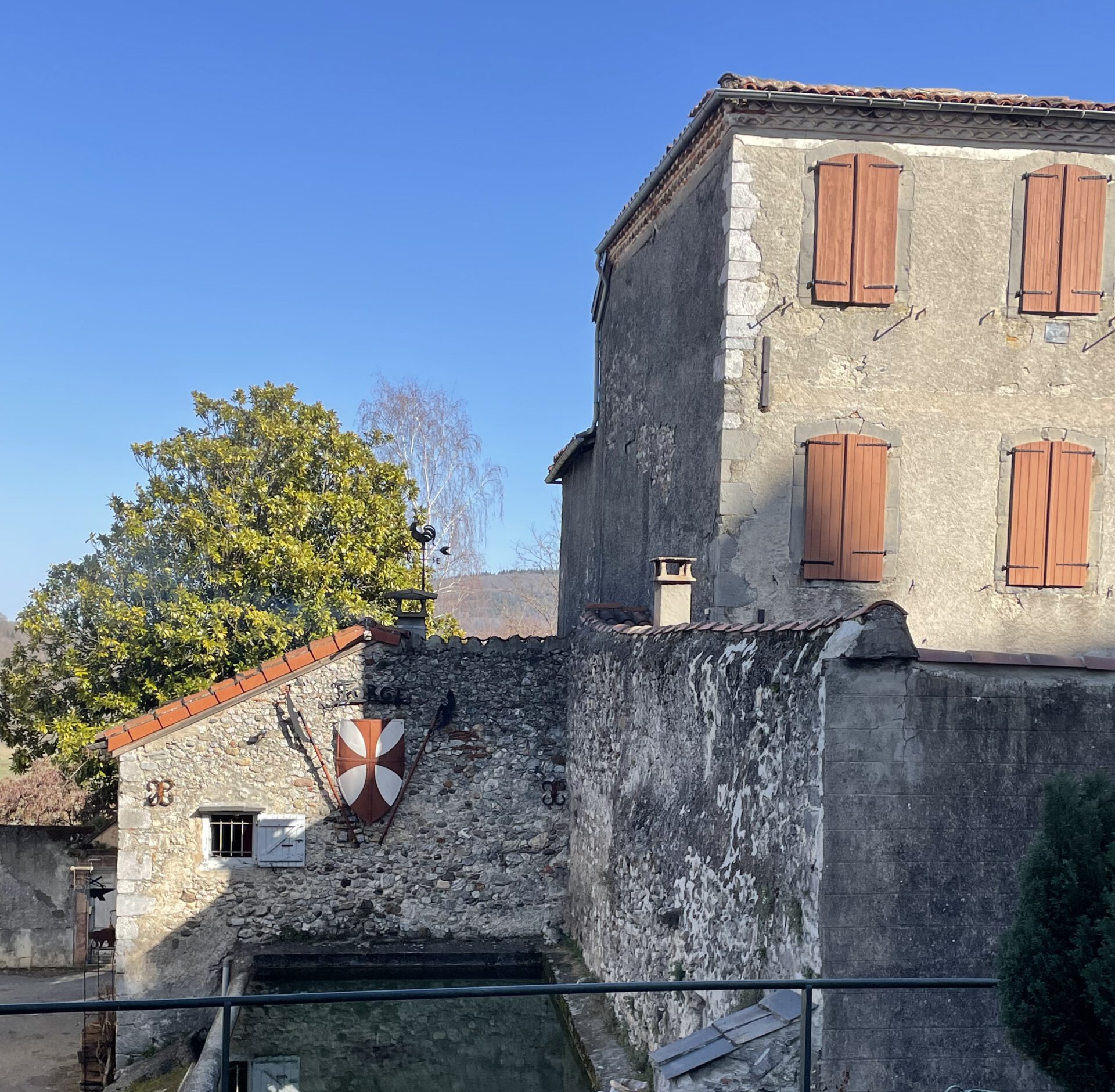
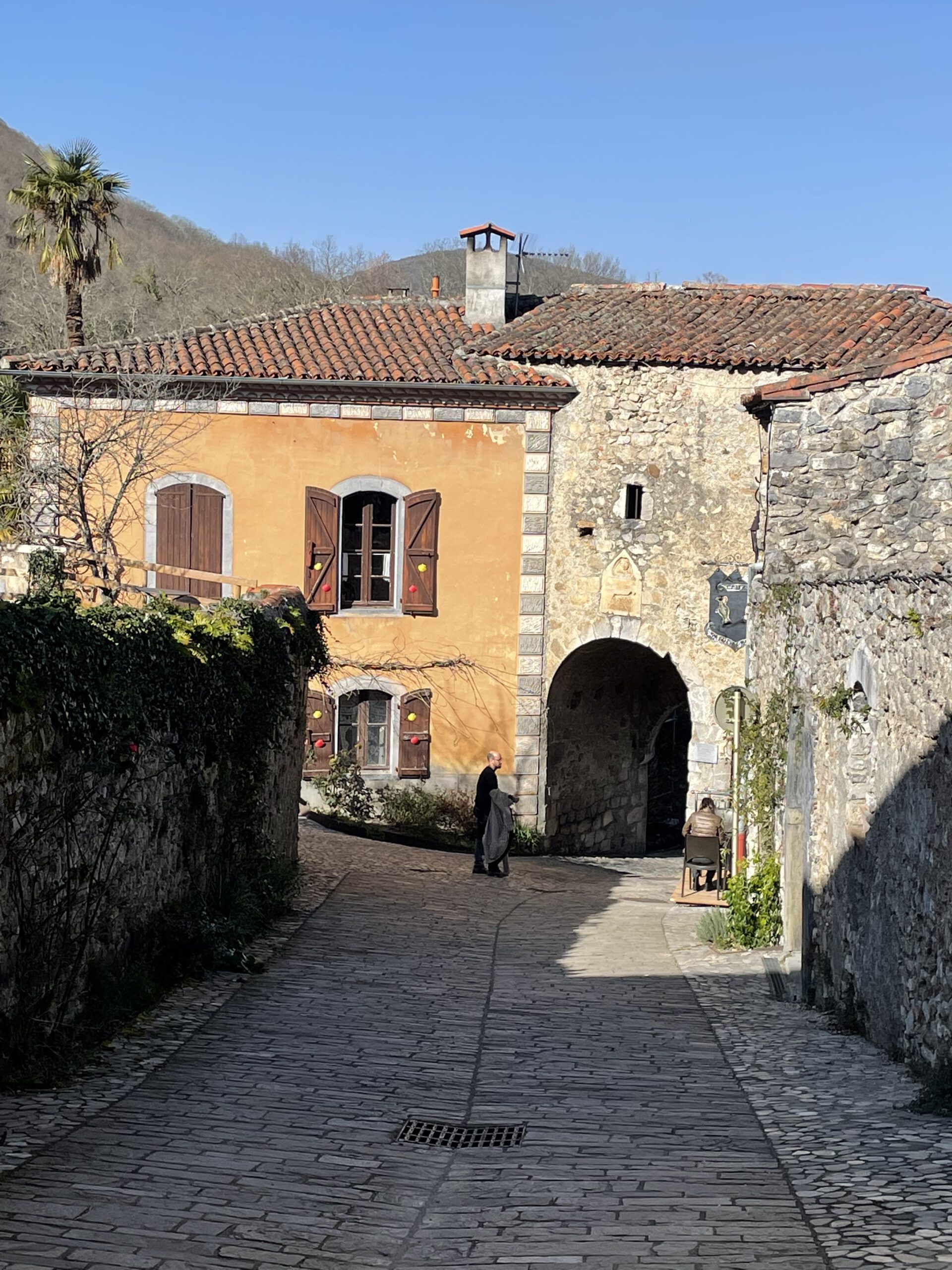
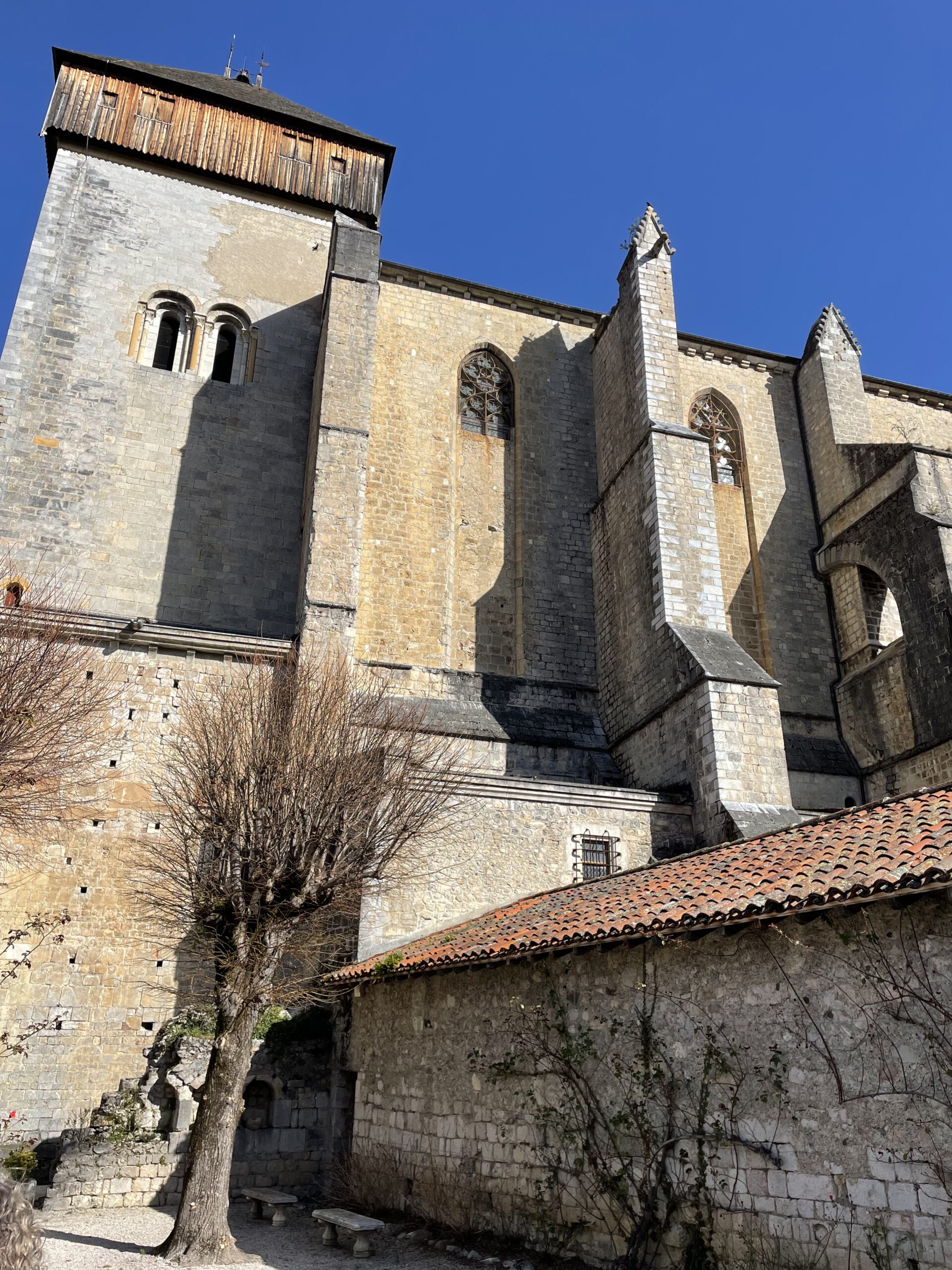
The old village is located on a pilgrimage route to Santiago de Compostela in Spain and has been recognised as one of the most beautiful villages in France (“Les plus Beaux Villages de France”).
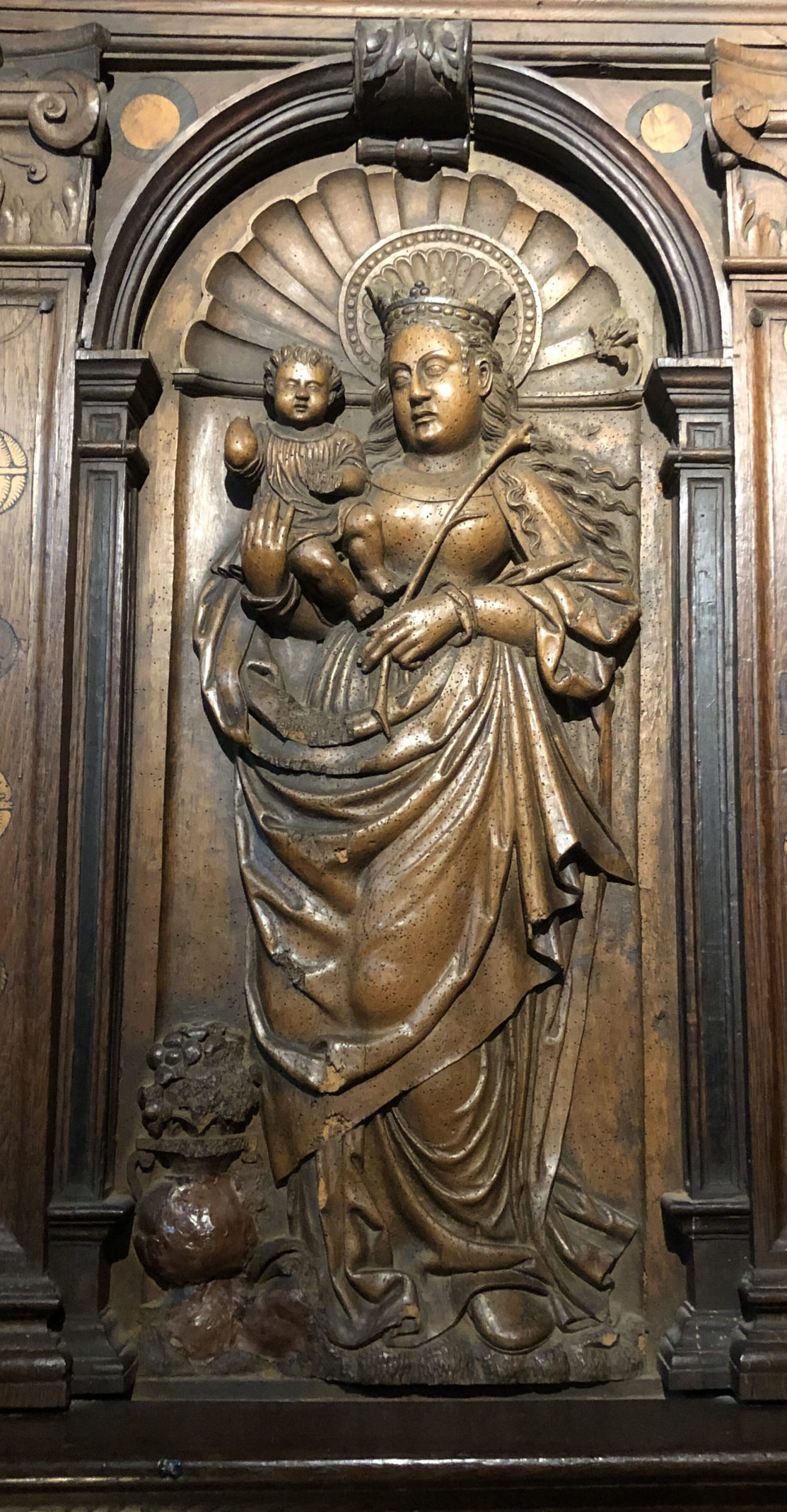
Saint-Bertrand de Comminges has narrow, picturesque streets, ancient gates, high walls, and a beautiful cathedral.
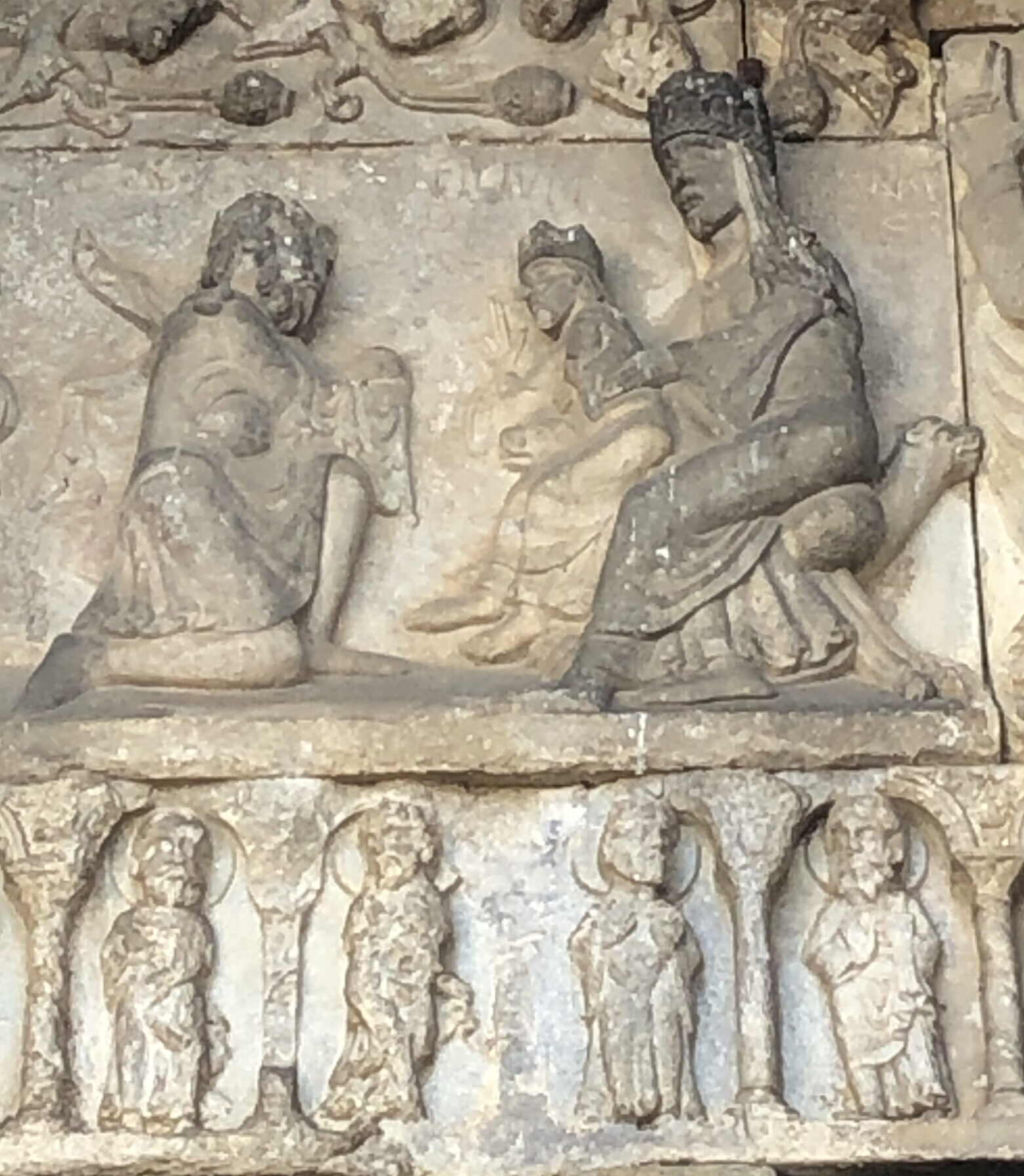
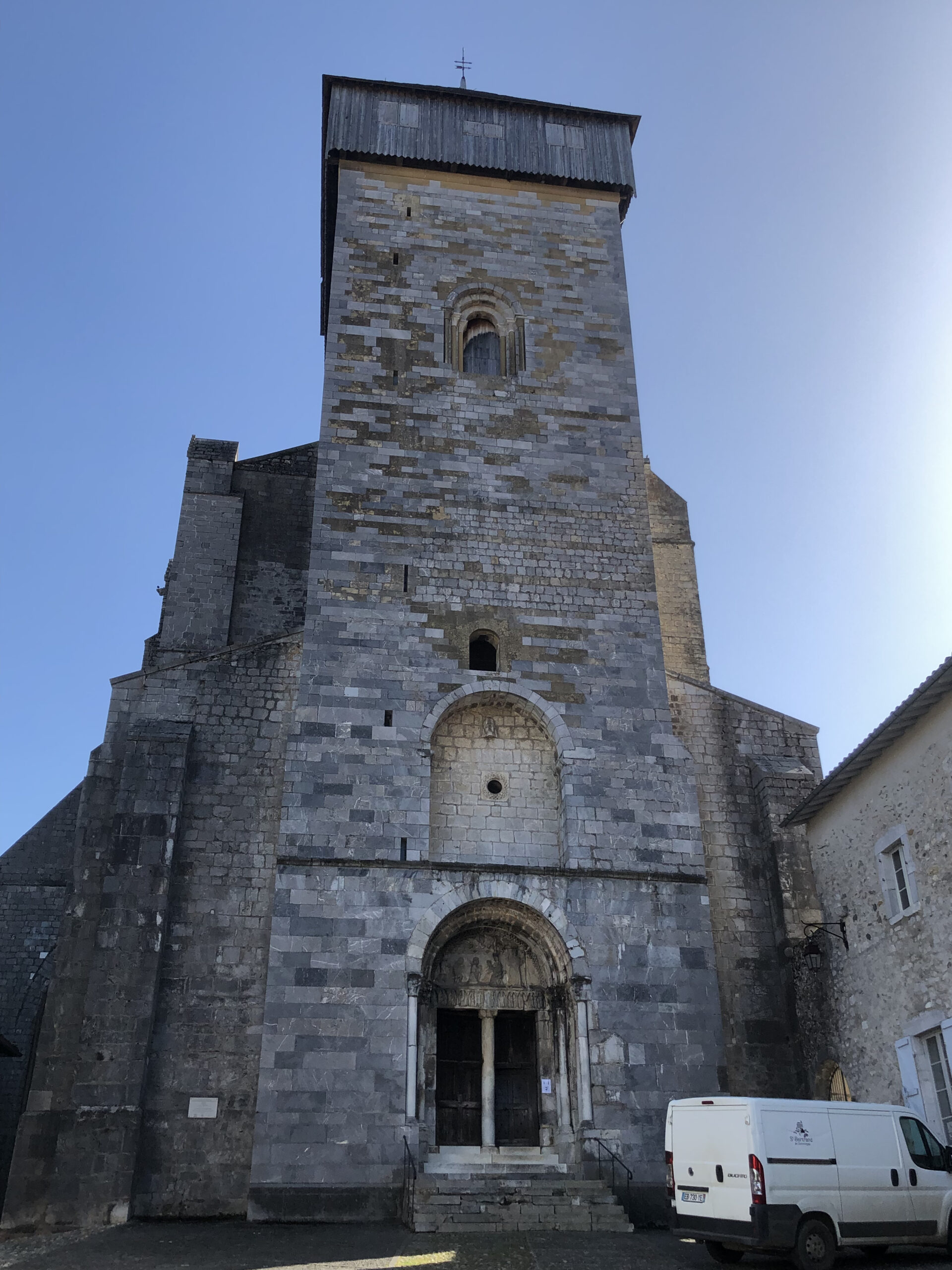
Central to the medieval town lies the Cathedral of Our Lady. Construction of the house of God began in the 11th century. The building was the cathedral of the then-existing Diocese of Comminges until 1801. The cathedral features a lot of wood carving, including 66 dark brown choir stalls for the canons, with many saints depicted on them.
The altar is made of marble and Mary has been given a central position. Also, the relics of Saint Bertrand are present and paintings depict his miracles.
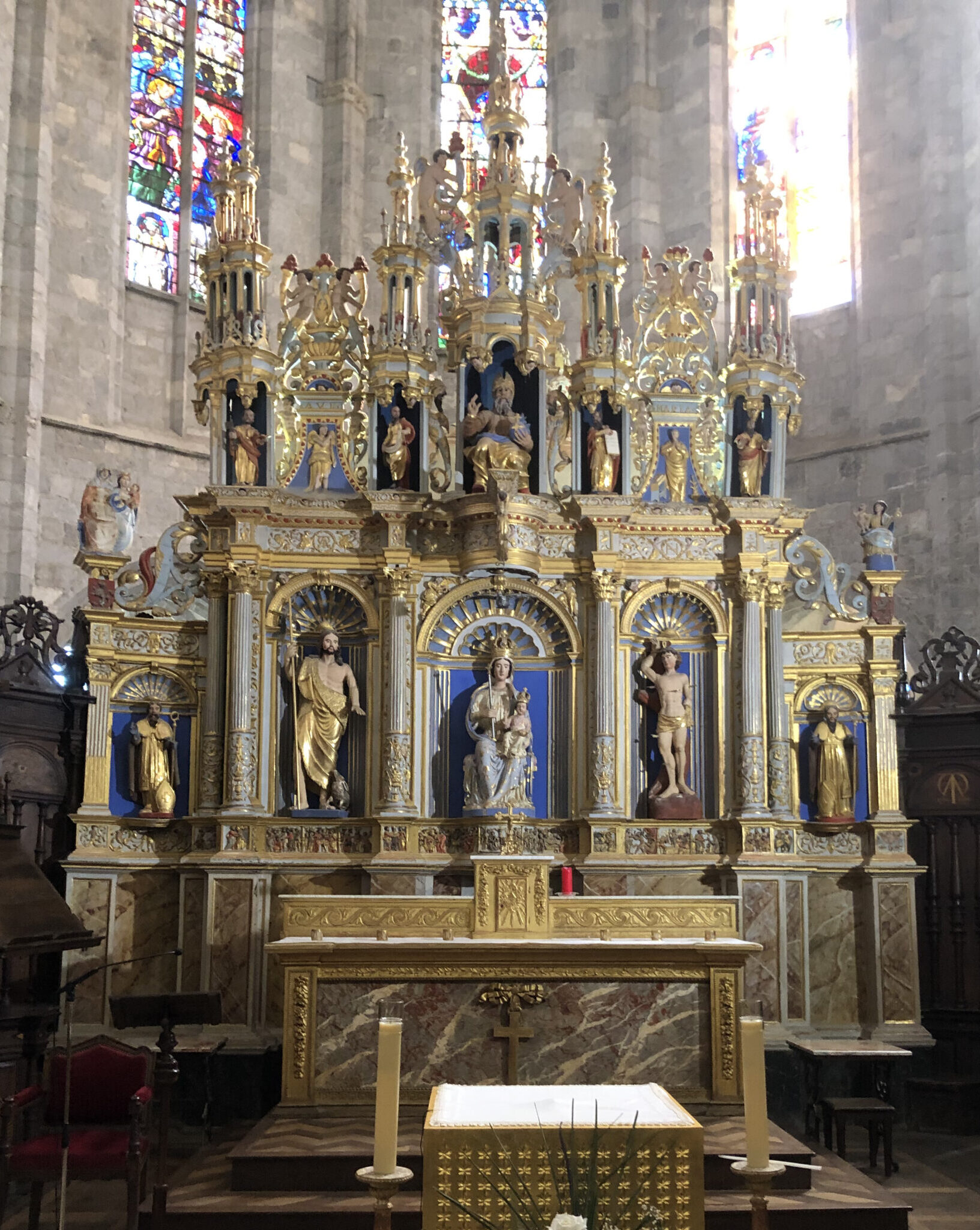
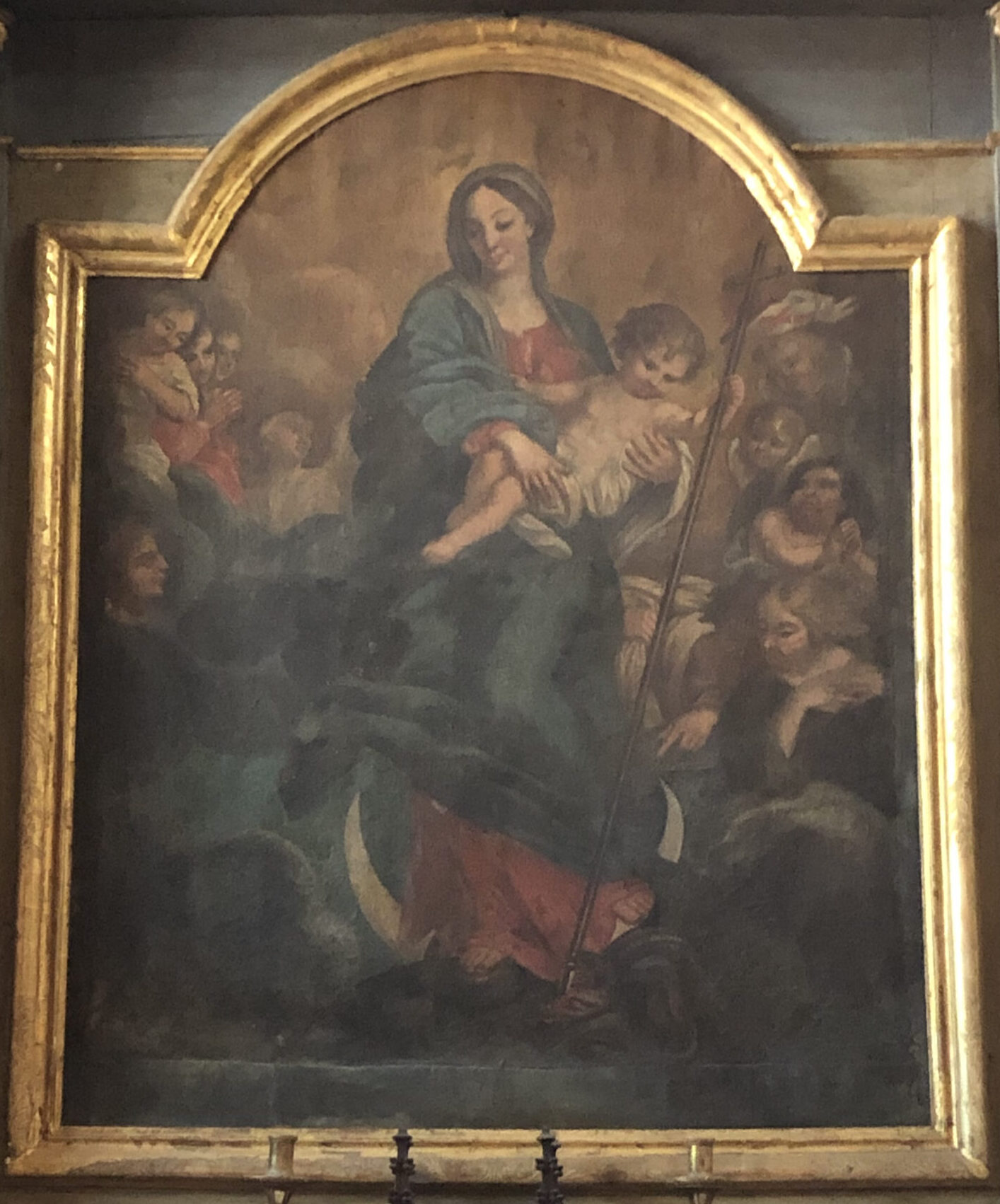
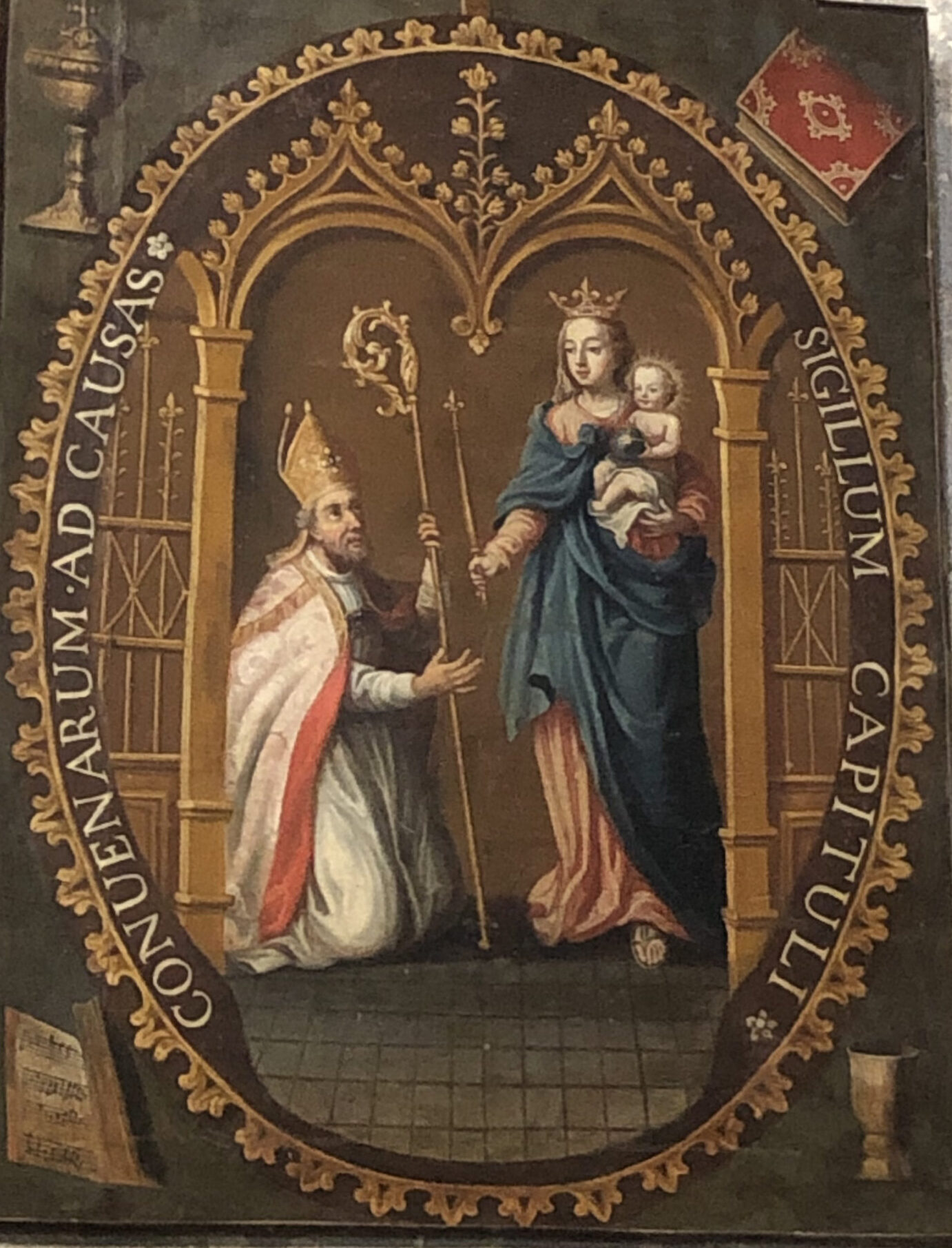
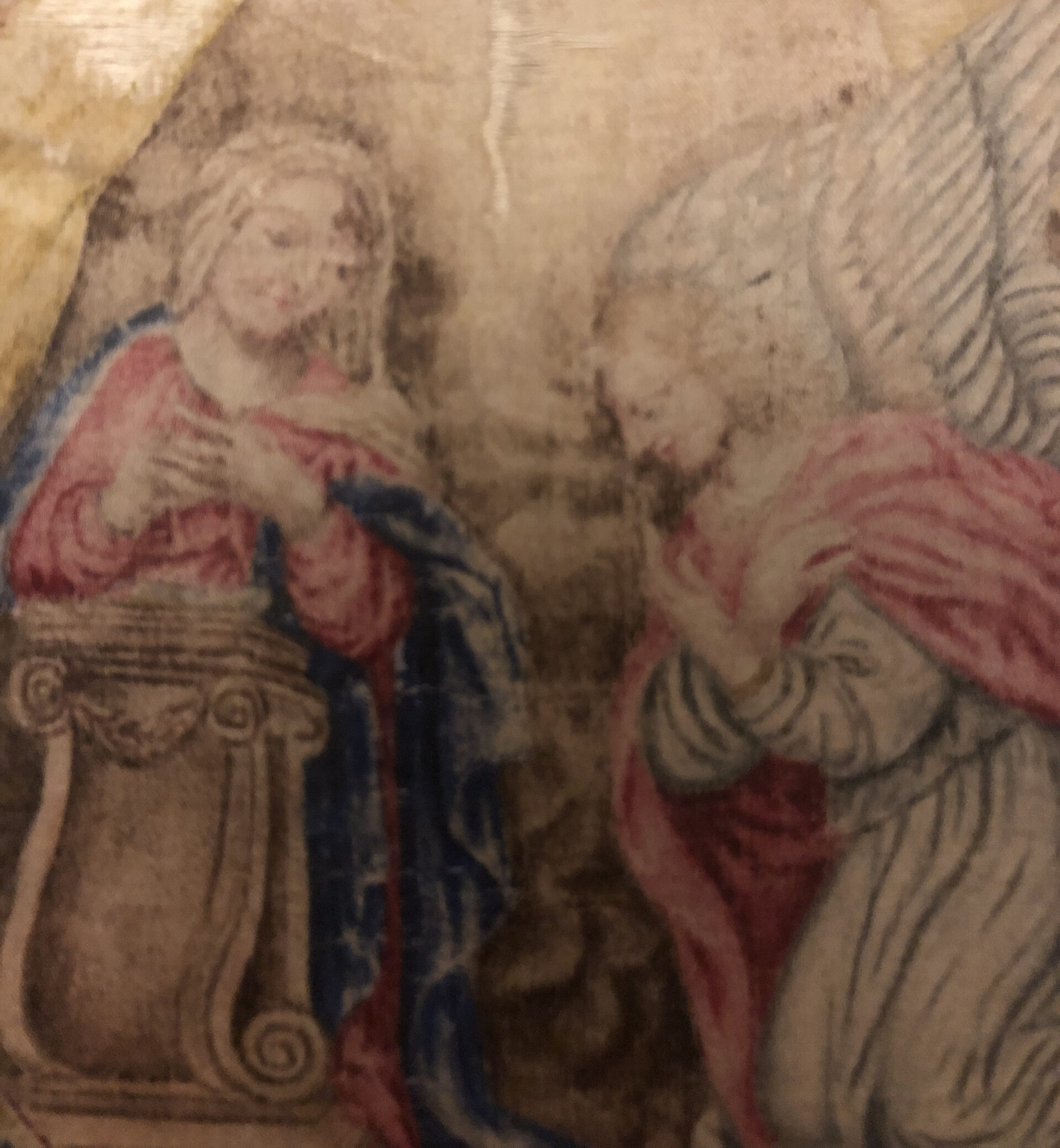
In the cathedral, many images of Our Lady can be seen, including Flemish tapestries from the 16th century. The depictions are the Adoration of the Magi and the Presentation of Jesus in the Temple.
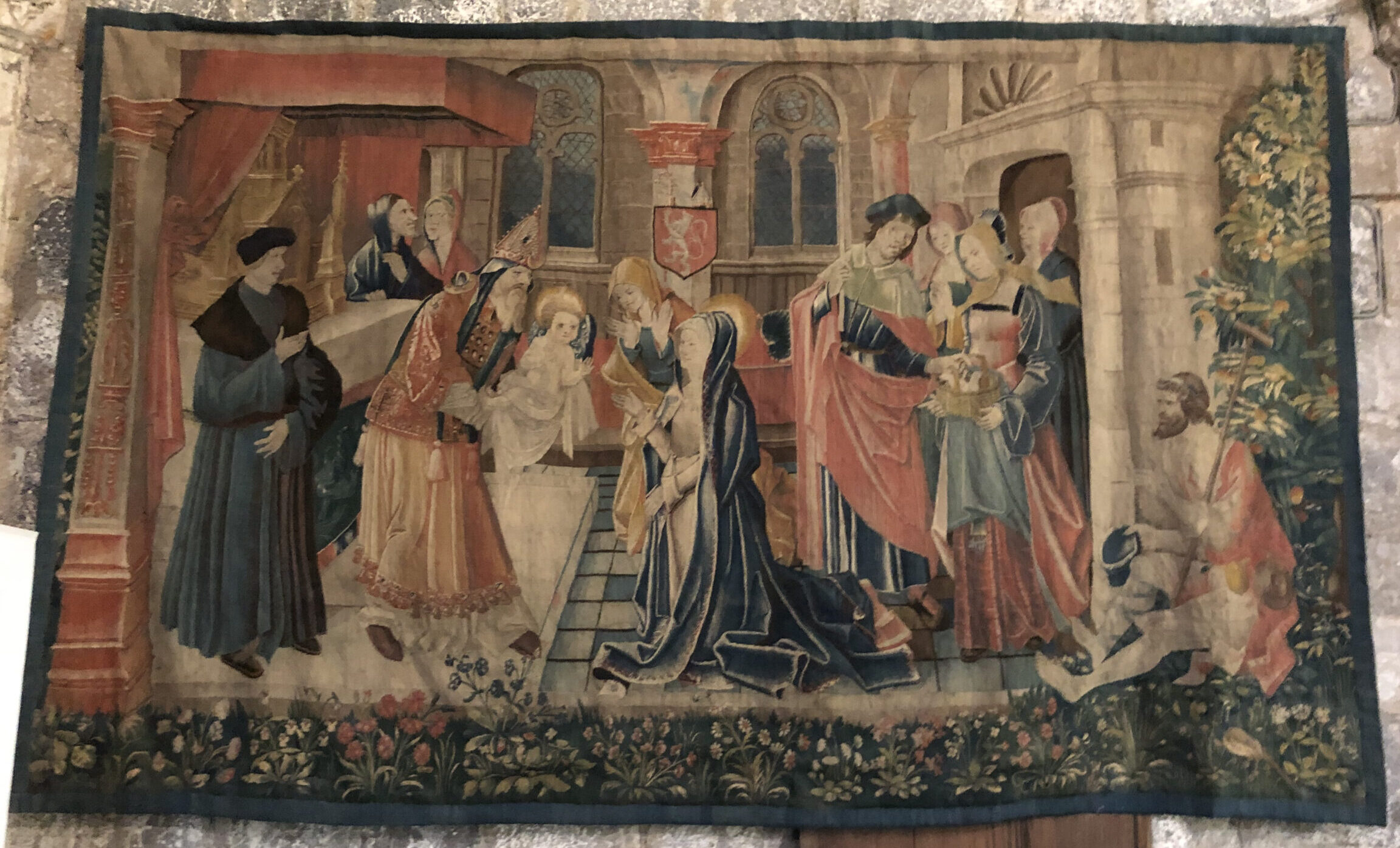
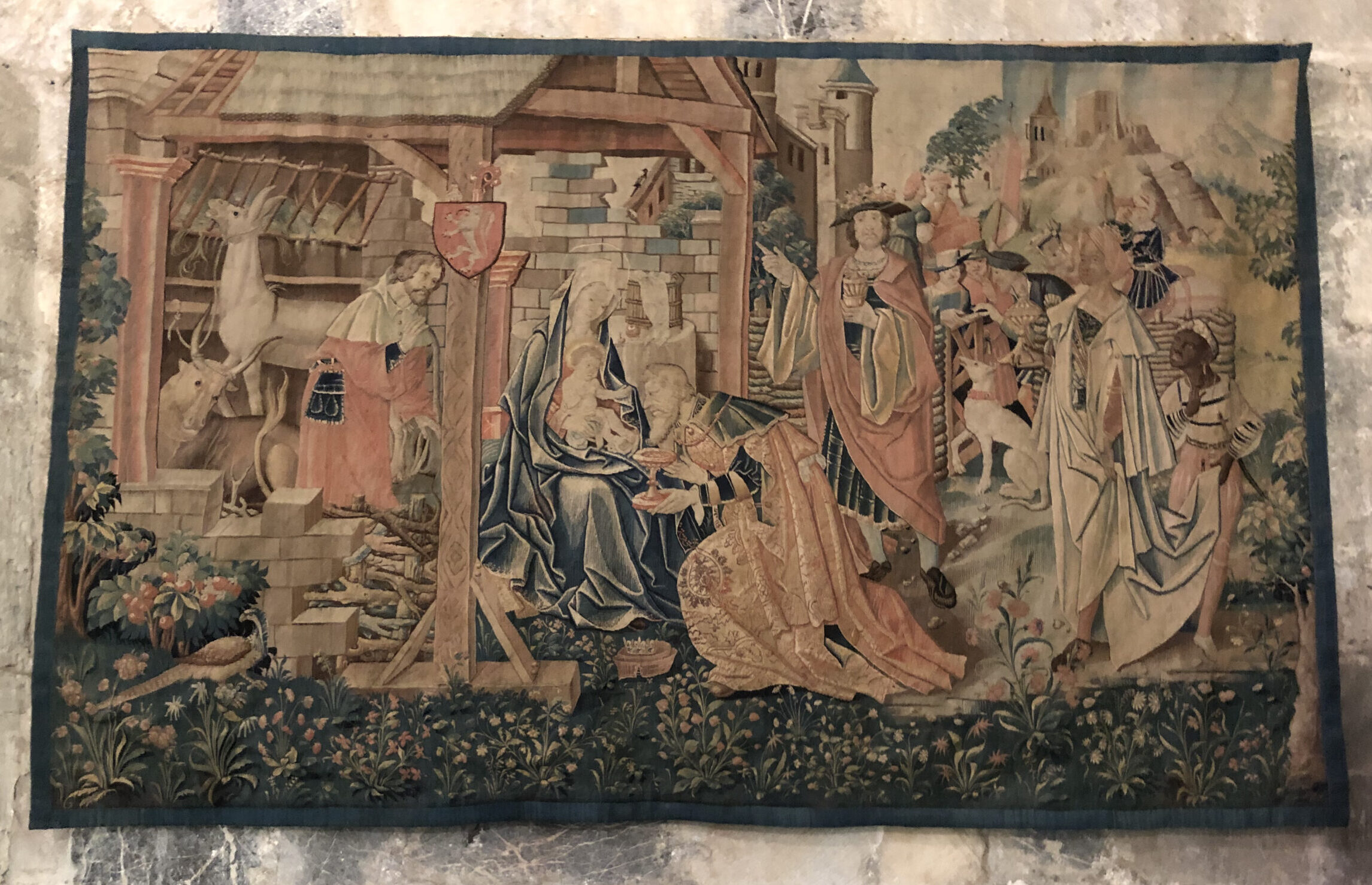
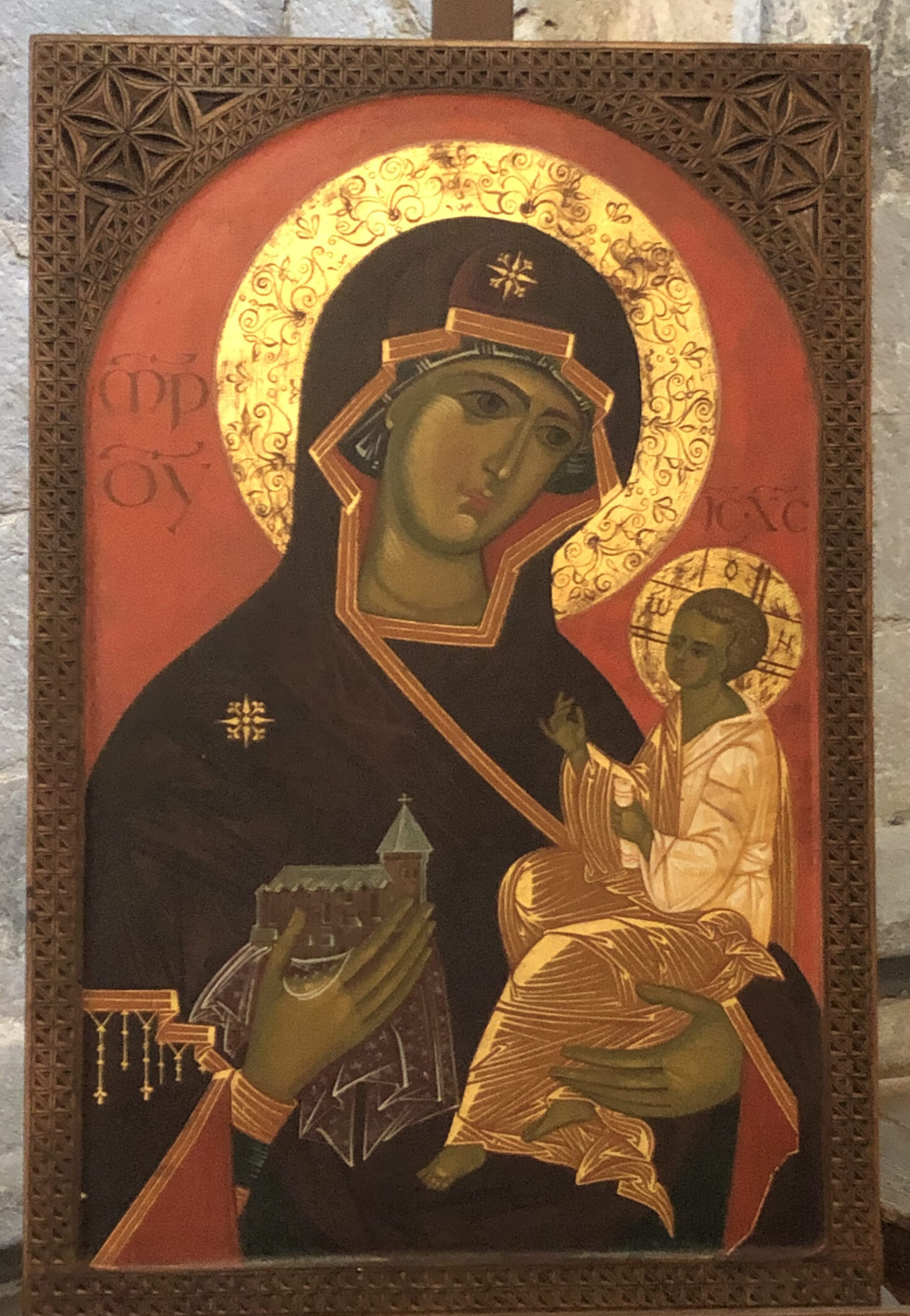
The cathedral features many other depictions of Mary, including colourful stained-glass windows, numerous wood carvings, statues, and paintings on canvas, panels, and walls.

The cloister is remarkable with its old pillars and a sweeping view.

Posted: 17 August 2023
Last Modified: 20 February 2024
~~~

 Nederlands
  English (UK)
  Deutsch
  Français