History

Fatima is one of the most visited pilgrimage sites. Every year, hundreds of thousands make a pilgrimage to the Portuguese city. As a Marian pilgrimage site, Fatima is the most significant; Mary gave very remarkable messages and warnings there. Mary's visit to three shepherd children in 1917 is the most important event in Marian history of recent centuries. The three seers are Lucia de Jesus dos Santos (1907-2005), Francisco Marto (1908-1919), and his sister Jacinta Marto (1910-1920). They live in Aljustrel, a small village near Fatima. The apparitions took place in 1917 on May 13th, June 13th, July 13th, August 19th, September 13th, and October 13th. Mary said during each of the six visits in 1917: “Say the Rosary every day, to obtain peace for the world.”
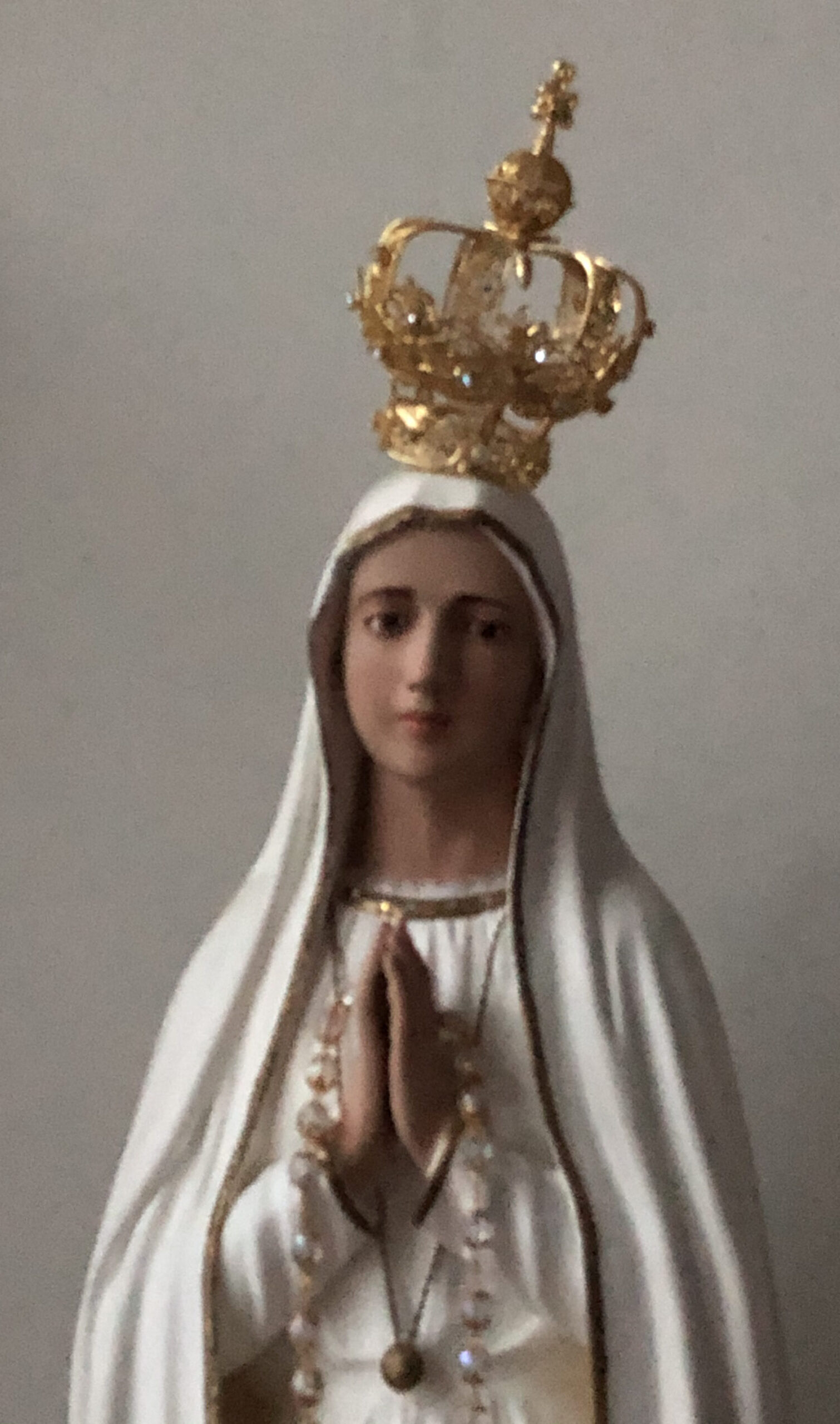
In Fátima, Our Lady warns, among other things, about communism and the Second World War. She also states that Her Immaculate Heart will triumph. The Mother of God entrusts secrets to the seers. Later revelations show that the first and second secrets concern the vision of hell, the outbreak of the communist revolution, and the approach of the Second World War. The third secret is shrouded in mystery. It concerns, among other things, the suffering of the Holy Father. This is reflected on 13 May 1981, when the Pope survives an assassination attempt. The bullet removed from the Pope's body is later incorporated into the crown of the statue of Mary in Fátima. Furthermore, the Church suffers further from the departure of clergy and their immoral practices, such as pressuring and abusing people.
That Mary appeared multiple times in Fatima has a profound, multifaceted meaning. The name of the place, Fatima, derives from the name of Muhammad's daughter, Fatima Zahra (606–632). In Arabic, the name Fatima means “spotless”. Muhammad is the founder of Islam. He views Christ merely as a prophet who heralds him. Muhammad considers his daughter Fatima very important. However, he places Mary above Fatima. Mary appears in Fatima to deliver necessary messages and warnings. This occurs in a country where faith is under pressure. Mary wishes to be known as Our Lady of Fatima. This is seen as a special sign, offering hope to Muslims too. After all, they show great respect for both Mary and Fatima.

Muslims occupied Portugal for centuries, before eventually being driven out. The last Muslim leader in Portugal had a daughter named Fatima. This occurred in the 11th century and this woman was an Eastern, Moorish princess. Princess Fatima was captured by the Portuguese Cavaleiros (Knights). She became the wife of the Head of the Cavaleiros and, in doing so, changed her faith. The princess became Catholic. Princess Fatima died at a young age and was buried in a monastic chapel approximately 30 kilometres from Ourém. This place was later named Fátima. Historically, the place Fátima is linked to the name of the daughter of Muhammad. Through this, the name of Our Lady of Fátima connects Muslims with Catholics.
Much changes in Portugal in 1910. King Manuel II (1889-1932) was king from 1908 to 1910. There is great discontent among the people in Portugal and considerable unrest reigns among the population. Subsequently, there is an earthquake in politics. The king flees and the country becomes a republic. Manuel II is therefore the last king of Portugal. The politicians who come to power in 1910 want to eradicate Catholicism in Portugal, because they believe that the Catholic clergy is the cause of much poverty and unrest in the country. The Catholic Church is therefore blamed by them for all the problems in the country. In 1911, the law on the separation of Church and State is announced with the aim of making the Church disappear. The government rules over the country's finances, commands the army and has the media as allies. In 1917, the anti-clerical government comes into direct conflict with the miraculous events in Fatima.
The apparitions of Our Lady are preceded by special signs, which the three children receive in 1915 and 1916. For example, an angel appears to them three times. These are preparations for Mary's later visits to Fátima. The angel teaches the three children to pray for forgiveness for sinners and to make sacrifices for them. The angel tells them about the great need for reparation for insults against God.
In the autumn of 1916, the angel's third and final apparition takes place. This occurs again at the Cabeço hill, where the angel first appeared to the children. The children see a distinct light shining, stand up, and suddenly find themselves face to face with the angel. In its left hand, the angel holds a chalice, and above it, the children see a host from which a few drops of blood fall into the chalice. The angel then causes the chalice to float in the air, kneels beside the children, and repeats the prayer three times: “Most Holy Trinity, Father, Son, and Holy Spirit, I adore You with the deepest reverence and offer You the Most Precious Body, Blood, Soul, and Divinity of Jesus Christ, present in all the tabernacles of the world, in reparation for the outrages, sacrileges, and indifferences with which He Himself is offended. By the infinite merits of His Most Sacred Heart and the Immaculate Heart of Mary, I beg You for the conversion of poor sinners.” A little later, the angel disappears, after giving the host to Lucia and offering the chalice to the other two children, Francisco and Jacinta.
The first appearance of Mary in Fatima is on 13 May 1917. Three shepherd children see Her. However, the Apparition does not reveal Herself and asks the children if they are willing to suffer. This is to make amends for many sins. After all, Our Lord and Mary's Immaculate Heart are greatly offended. The Apparition says to the children: “I have come to ask you to come here for six months, on the 13th of each month, at this same hour. Later, I will tell you who I am and what I want. After that, I will return here a seventh time.”
The second apparition takes place on 13 June 1917. The Apparition tells Lucia that Jesus wishes devotion to her Immaculate Heart to be established in the world. On 13 July 1917, there is the third apparition. The Lady in White, Mary has not yet revealed her name, says that if the rosary is prayed often, the war will end. She also asks the children to make sacrifices out of love for Jesus and her Immaculate Heart. She also says that if nothing happens, a subsequent, terrible war will break out. During this apparition, Mary shows the three children hell. She says to the three seers: “You have seen hell, where the souls of poor sinners go. To save them, God wishes devotion to my Immaculate Heart to be established in the world.” The vision of hell has a great, lasting effect on the children. Mary asks the children to pray for reparation and to make sacrifices for the sinners who offend God. After seeing the horrors of hell, the children do penance even more and inflict pain upon themselves. They wear a tightly fitting rope around their waists and do so all day long. Mary asks them later in the night not to wear the rope. The children also abstain from certain things, for example, by not eating bread themselves but giving it to animals, and by not drinking water and giving it to the sheep.
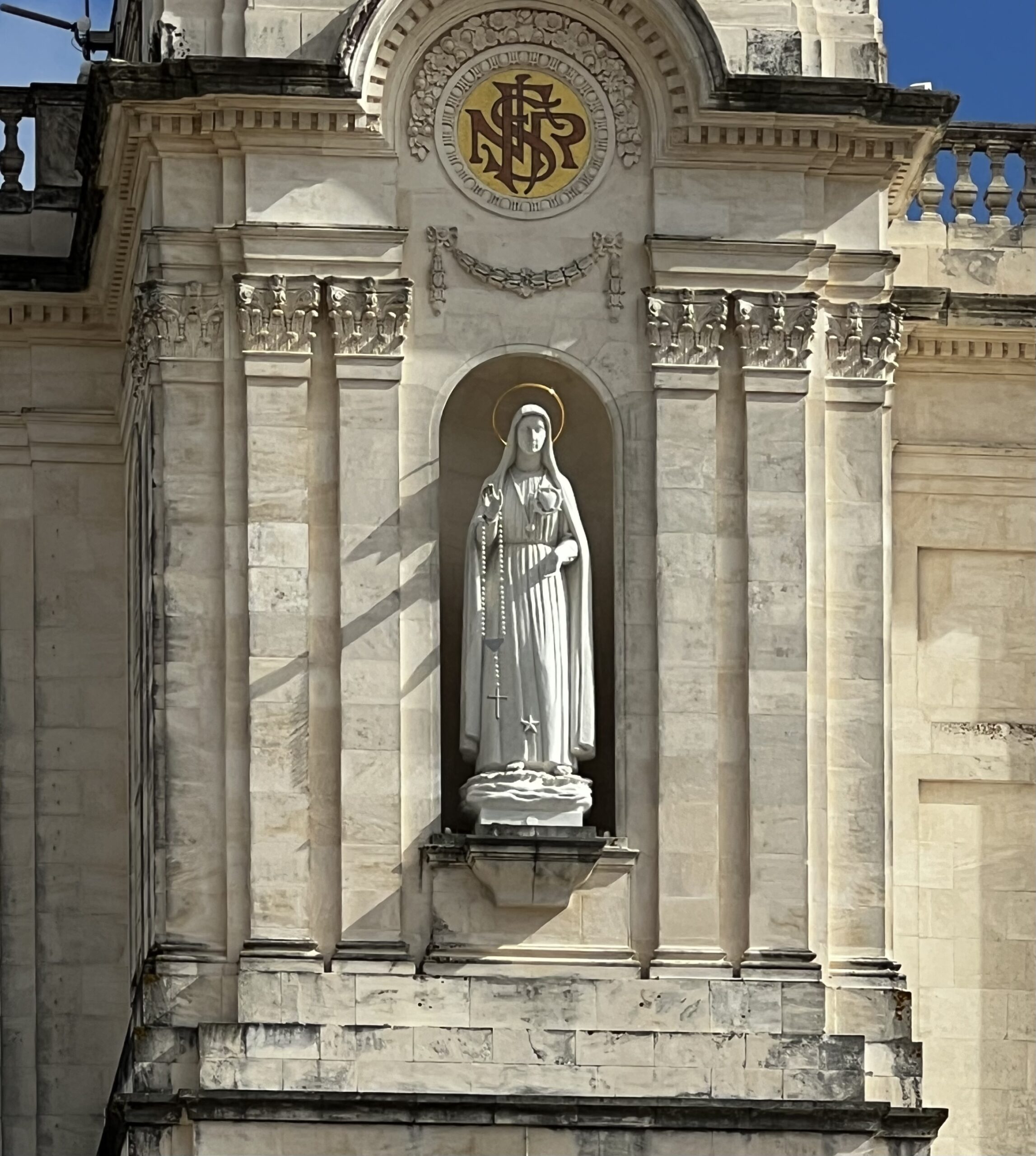
The apparition in August should have taken place on the 13th. However, at that time, the children are being held in jail and interrogated by representatives of the anti-clerical authorities. The three children were kidnapped by the anti-religious Artur de Oliveira Santos (1884-1955). This journalist and politician is also the municipal administrator of Ourém, the region to which Fátima belongs. Among other duties, he is responsible for maintaining public order. Due to his hostility towards religion, and Catholicism in particular, he kidnaps the children and places them in custody. The administrator threatens to boil the young children in oil unless they reveal the secret of the apparition to him. Subsequently, the three innocent children are subjected to a lengthy cross-examination. This becomes public knowledge and many become very outraged about the treatment of the seers. The apparition then takes place later, on 19 August 1917.
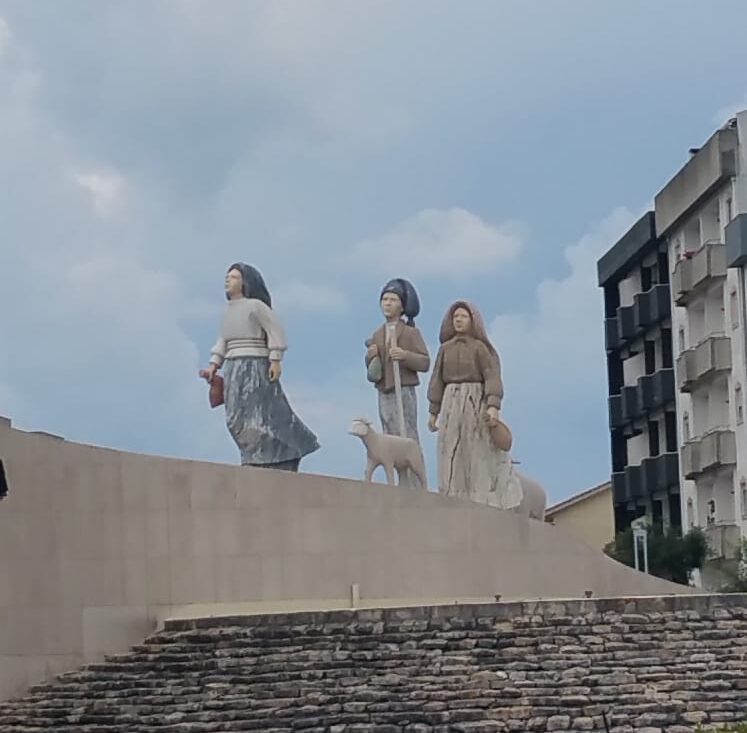
On 13 September 1917, the following apparition takes place. Mary announces a great miracle that will occur on 13 October 1917.
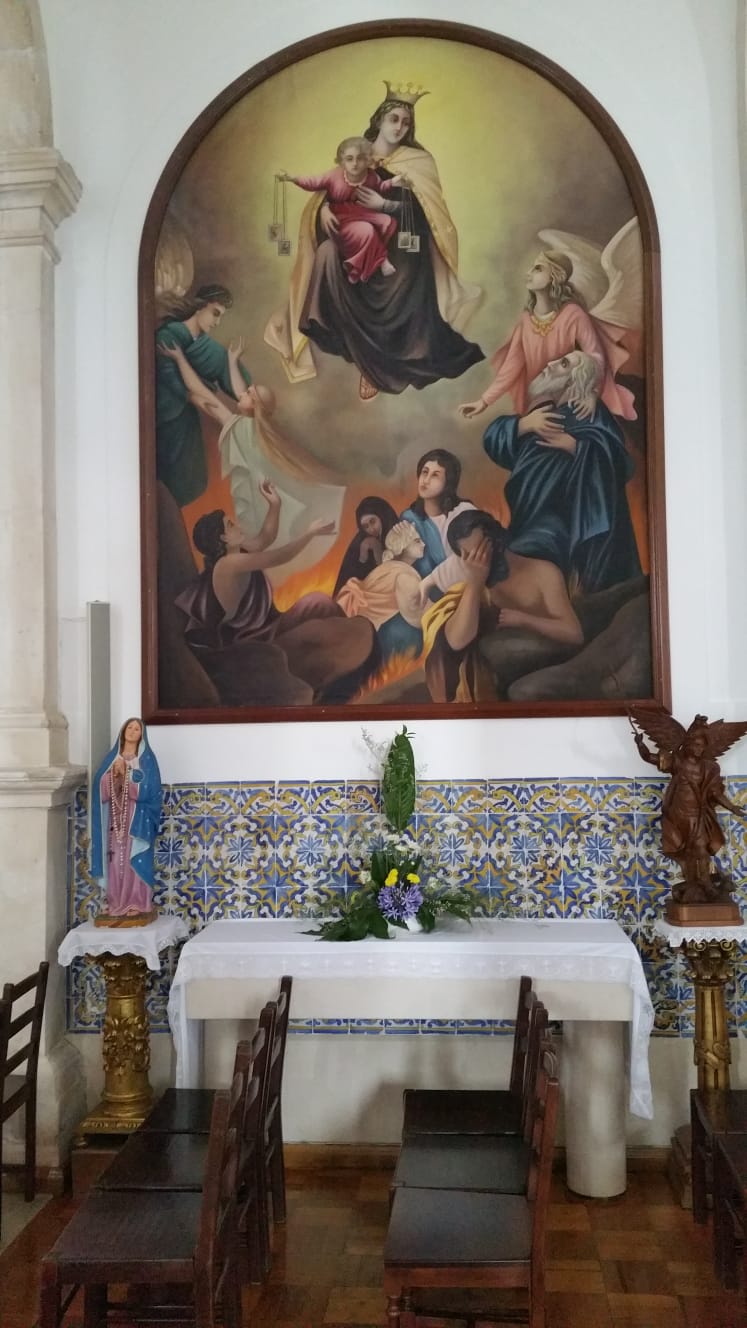
In the run-up to October 13th, the anti-church government goes to great lengths to prevent interested parties from going to Fatima by closing roads. This does not prevent about 70,000 people from going to the place of the apparitions. On October 13th, they stand in the pouring rain. Suddenly, the sun breaks through and the clothes of those present are immediately dry. This is very remarkable. But more happens... An unprecedentedly large crowd sees a cloud descend and rise three times at the site of the apparitions. Those present see the sun dance and approach the earth. This is called the miracle of the sun. However, the three seers see something else entirely, namely Joseph with the small Jesus, blessing the people. The Holy Family exists both on earth and in heaven. They also see Mary as Our Lady of Sorrows and afterwards as Our Lady of Mount Carmel. Mary is then dressed in white and has a blue cloak. On this day, Mary reveals to the children who She is. The Apparition says that She is Our Lady of the Rosary. She also tells them that her Son is being offended. Our Lady asks for the praying of the Rosary, the conversion of people, and the doing of penance.
For seer Jacinta Marto, 13th October 1917 holds another, profound meaning concerning her older brother Manuel, who is a soldier. Portugal is also participating in the First World War (1914-1918), and many young men are fighting in France. Manuel, an older half-brother of Jacinta and Francisco, is among the Portuguese fighters. He is the brother whom Jacinta loves the most. Unfortunately, the family members have not heard from Manuel for a long time. At the final apparition, Our Lady says that the war is ending. Jacinta is overjoyed by these words, as for her, this is a sign that the soldiers will be returning to Portugal, including of course her brother. Every evening, she asks her mother to set an extra place at the table when they eat. Her mother asks why she is asking this, as no one else is expected. Jacinta tells her what Mary has said, and that this means Manuel will be coming home soon. Jacinta adds that he will surely be hungry upon his return. From that day until the moment her brother comes home, Jacinta asks every evening for an extra place to be set at the table.
After the apparitions in 1917, the First World War soon ends. However, the conversions requested by Mary do not materialise; communism begins to dominate in Russia and neighbouring countries, which later leads to the outbreak of the Second World War, and afterwards there is an assassination attempt on the Pope.
Francisco Marto died on 4 April 1919 from the Spanish flu.
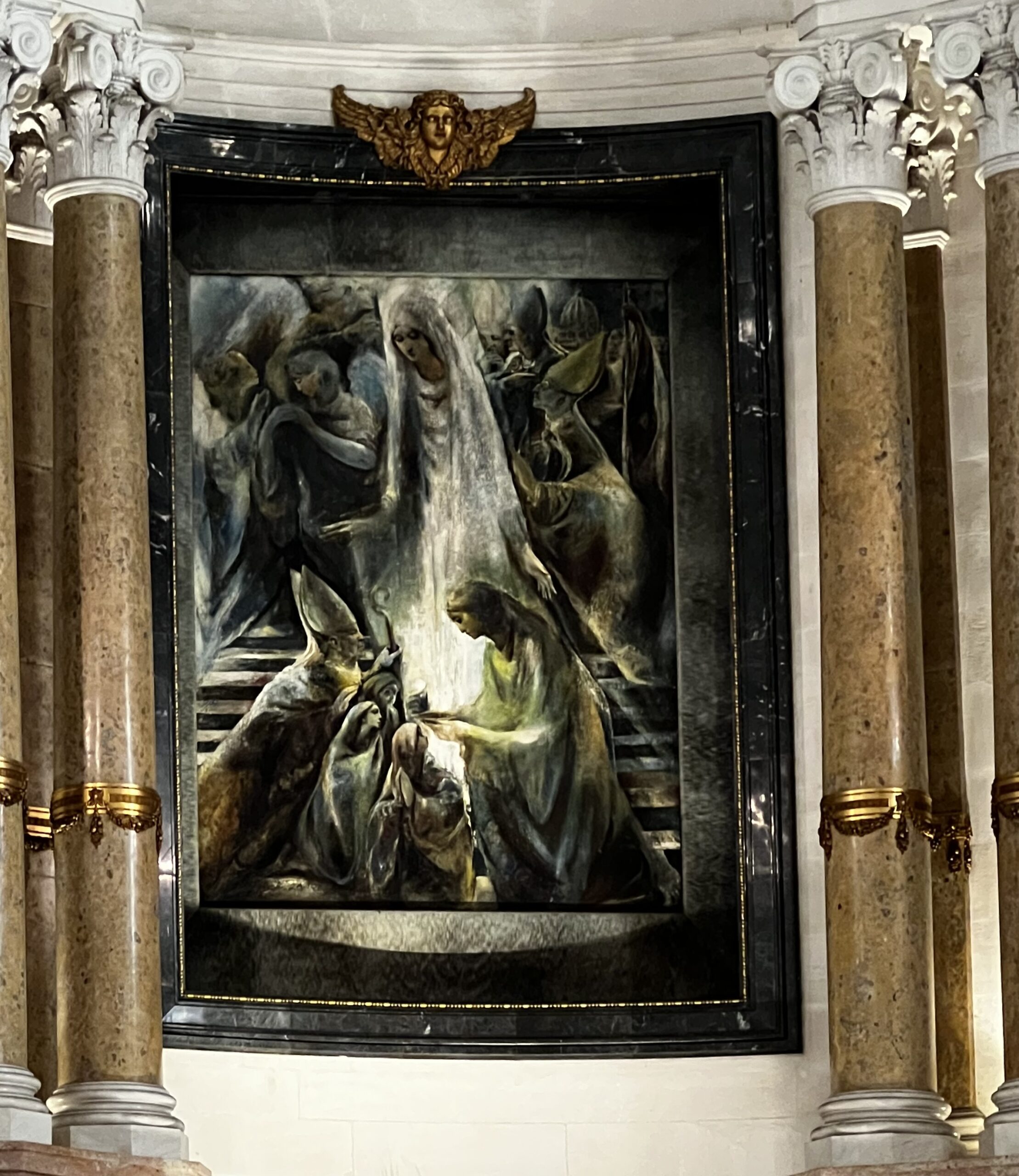
Our Lady's final apparition to Jacinta Marto was on 16 January 1920. Mary visited her in hospital. This was four days before Jacinta's death. Mary said that she would come to fetch her soon and took away all her pain. The Mother of God spoke of wars and discord in the world. On 20 January 1920, Jacinta made her confession and died that evening. This day is therefore also her feast day.
On 13 May 1917, Maria states that She will return for the 7th time later. Whether this 7th apparition has already happened remains to be seen. Will Our Lady return to Fatima when there is peace and Her Immaculate Heart triumphs? If so, the 7th apparition remains a great expectation. In 1946, Canon José Galamba de Oliveira (1903-1984), an expert on the Fatima apparitions, visits Sister Lucia in Cova da Iria. He asks her, “Has Our Lady returned yet?” Lucia replies, “Yes, it has already happened.” Lucia tells him that Our Lady appeared to her on 17 June 1921. This is the day she left Cova da Iria for the boarding school convent in Porto. Nothing was said during this apparition. However, the expectation for the 7th apparition is that, like the other encounters between Maria and the three seers, it will be public and not private, as Lucia experienced. Should the apparition to Lucia be considered the 7th apparition? The 7th apparition was to come when the Immaculate Heart of Our Lady triumphs. A new, historical event may still occur... On 10 December 1921, Maria appears to Lucia again. Maria shows a heart surrounded by thorns in her hand.
In 1921, José Alves Correia da Silva (1872-1957), Bishop of Leiria (1920-1957), permitted Holy Mass to be held in Cova da Iria.
In 1922, a commission was established to investigate the authenticity of the apparitions of 1917. Their work took years. It wasn't until 14 April 1930 that the commission, after investigating the apparitions, held its final meeting and issued a report to the Vatican. On 13 October 1930, the apparitions of 1917 were declared authentic by the Church of Rome. The announcement was made by Bishop José Alves Correia da Silva (1872-1957). This made Fátima a pilgrimage site recognised by the Catholic Church. The veneration of Our Lady in Fátima was then permitted by the Vatican.
On 10 December 1925, Mary appears to Sister Lucia. Our Lady tells Lucia that she will assist her at the hour of death. Mary does this by granting graces. Mary is accompanied by her Child. They are situated above a luminous cloud. This happens in her cell at the house of the Sisters of Saint Dorothy in Pontevedra, Spain. Mary shows her Immaculate Heart, which is surrounded by thorns, and says, “My heart is surrounded by thorns, with which ungrateful men pierce it at every moment by their blasphemies and ingratitude. You at least try to console me, and you shall announce this.” She also encourages Lucia. During this apparition, Mary also speaks about the required acts for the first Saturday of five consecutive months, namely: to go to confession, to receive Holy Communion, to recite the Rosary, and to keep me company for fifteen minutes while meditating on the mysteries of the Rosary. The next apparition to Lucia is on 15 February 1926. She asks Jesus if another day is valid for the first Saturday of the month. The answer is that this is permissible.
The foundation stone of the basilica was laid on 13 May 1928.
A new apparition of Mary to Lucia occurred on 13 June 1929. Our Lady said, among other things: ”The moment has arrived when God asks the Holy Father (Pope) to make the consecration of Russia to my Immaculate Heart, in union with all the bishops of the world, whereby God promises to save the country through this.”
Sister Lucia, the eldest of the three children to whom Mary appeared in 1917, witnesses an extraordinary light in the sky on the night of January 25th to 26th, 1938, between 8:45 PM and 1:15 AM. She perceives this as a great sign, namely the unknown light that Our Lady predicted as a sign of an approaching great war. This signal also becomes a reality with the Second World War. Astronomers see the light as an Aurora Borealis, but admit that the light is exceptionally large. The light is accompanied by a crackling sound, possibly caused by energy discharges. The light is visible in many European countries, causing fear among many. Pius XI, Pope from 1922 to 1939, also sees the light in Rome.
The statue of Our Lady of Fatima is crowned on 13 May 1946. The plan was to do this earlier, but the Second World War prevented it.
In 1959, the statue of Our Lady of Fatima is on pilgrimage in Italy. The Marian statue visits the Holy House in Loreto, among other places.
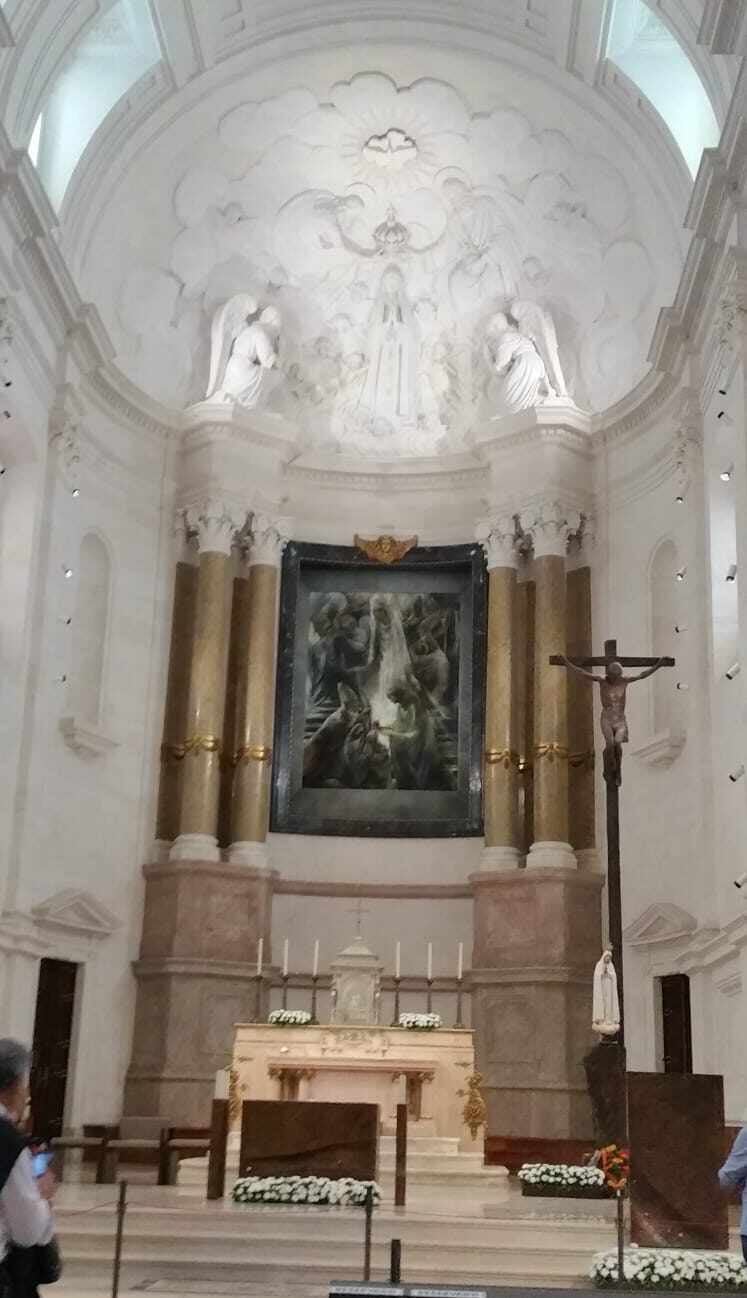
There is a clear relationship between anti-communism and Mary. Our Lady's messages and warnings strongly oppose godless ideologies. During the Cold War (1945-1991), and particularly during the 1950s and 1960s, the significance of Fatima increased.
In 1984, Pope John Paul II (Pope from 1978 to 2005) consecrated the world to the Immaculate Heart of Mary.
On 13 February 2005, Lucia dos Santos dies. She lives for decades longer than the other two visionaries. Her mission, entrusted to her by Mary, is to move people on Earth towards the Immaculate Heart of Mary. She experienced this in a few visions.
Pope Benedict XVI (Pope from 2005 to 2013) stated in 2010 that we are mistaken if we think the prophetic mission of Fatima has already been fulfilled. This Pope is one of the few who is aware of the correct content of the secrets entrusted to the visionaries by Mary in 1917.
In 2011, Father Carlos Manuel Pedrosa Cabecinhas (1970) becomes rector of the Sanctuary of Fátima.
On 13 May 2017, exactly 100 years after the first apparition, Francisco and Jacinta Marto are canonised. Pope Francis (Pope from 2013) is present in Fatima for this purpose. The canonisations contribute to the increasing popularity of the pilgrimage site.
A step has been taken towards the beatification of seer Lucia dos Santos. The Congregation for the Causes of Saints has positively concluded a first phase, and for this purpose, a biography of Lucia has been compiled with a list of witnesses and/or experts. This has led to the proposal to the Pope to grant the title of “venerable” to the seer from Portugal. On 22 June 2023, Pope Francis signed the decree declaring Lucia dos Santos venerable. A miracle is still needed for beatification. It is noteworthy that this is only happening now and just before World Youth Day, which will be held in Lisbon from 1 to 6 August 2023. During the large festival in Lisbon, Pope Francis will also visit the pilgrimage site of Fatima. Around 200,000 people are expected to attend the papal visit to Fatima on the morning of 5 August 2023.
Annually, many motorcyclists, individually or in groups, come to the pilgrimage site. On 23 September 2024, a record number of motorcyclists, around 180,000 participants, were present at the Sanctuary of Fatima. In the parade, an image of Our Lady of Fatima was carried by motorcyclists. After the eucharistic celebration, the motorcyclists' helmets were blessed by the rector of the sanctuary; Father Carlos Manuel Pedrosa Cabecinhas (born 1970).
Pilgrimage site
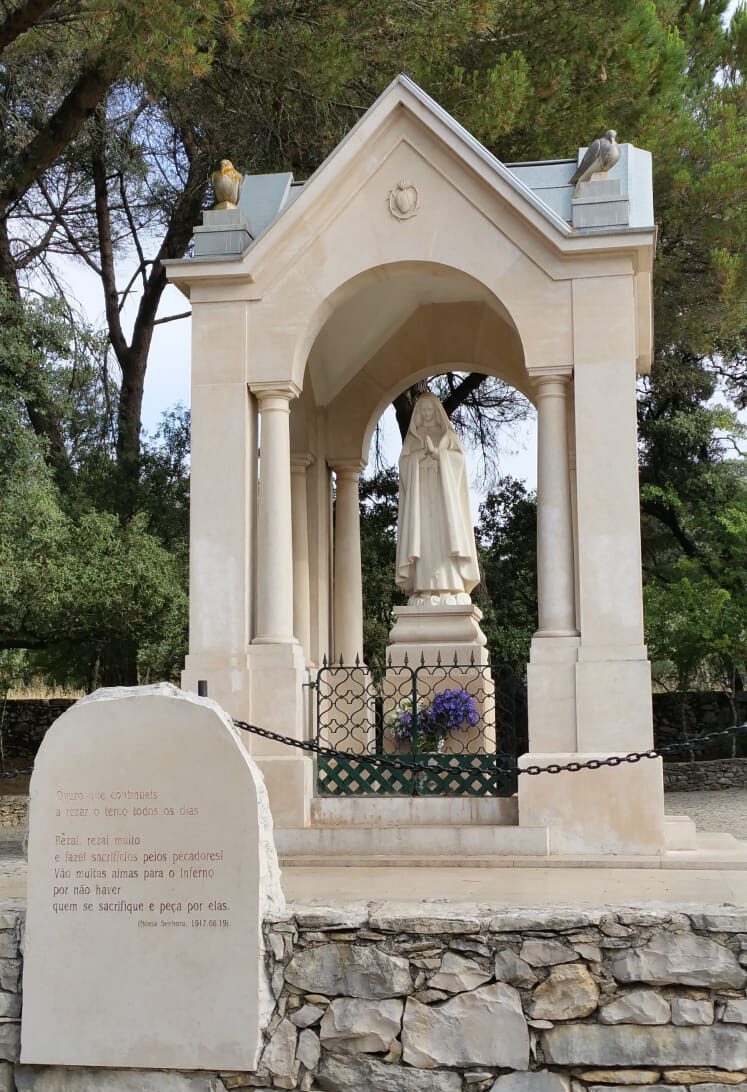
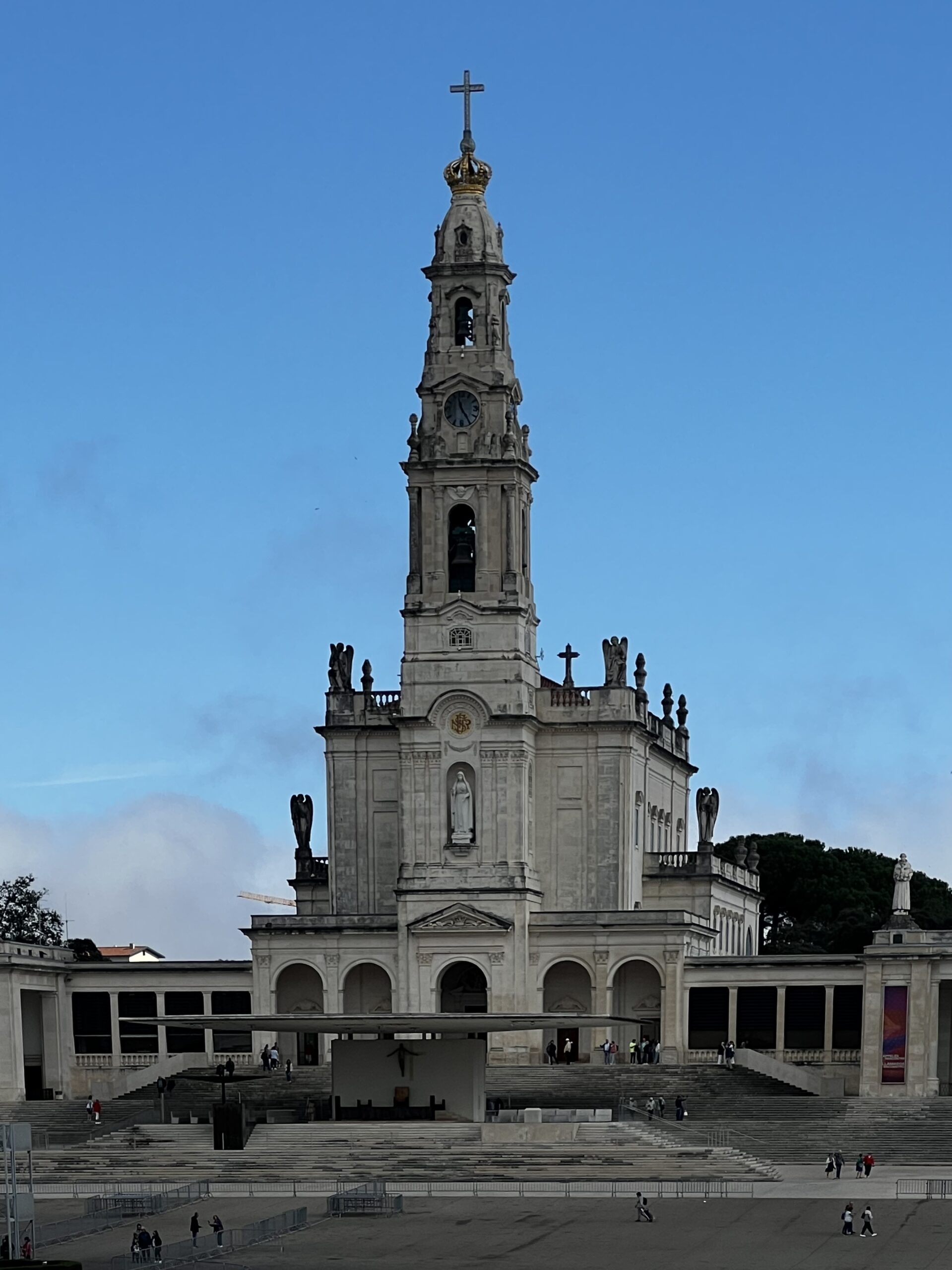
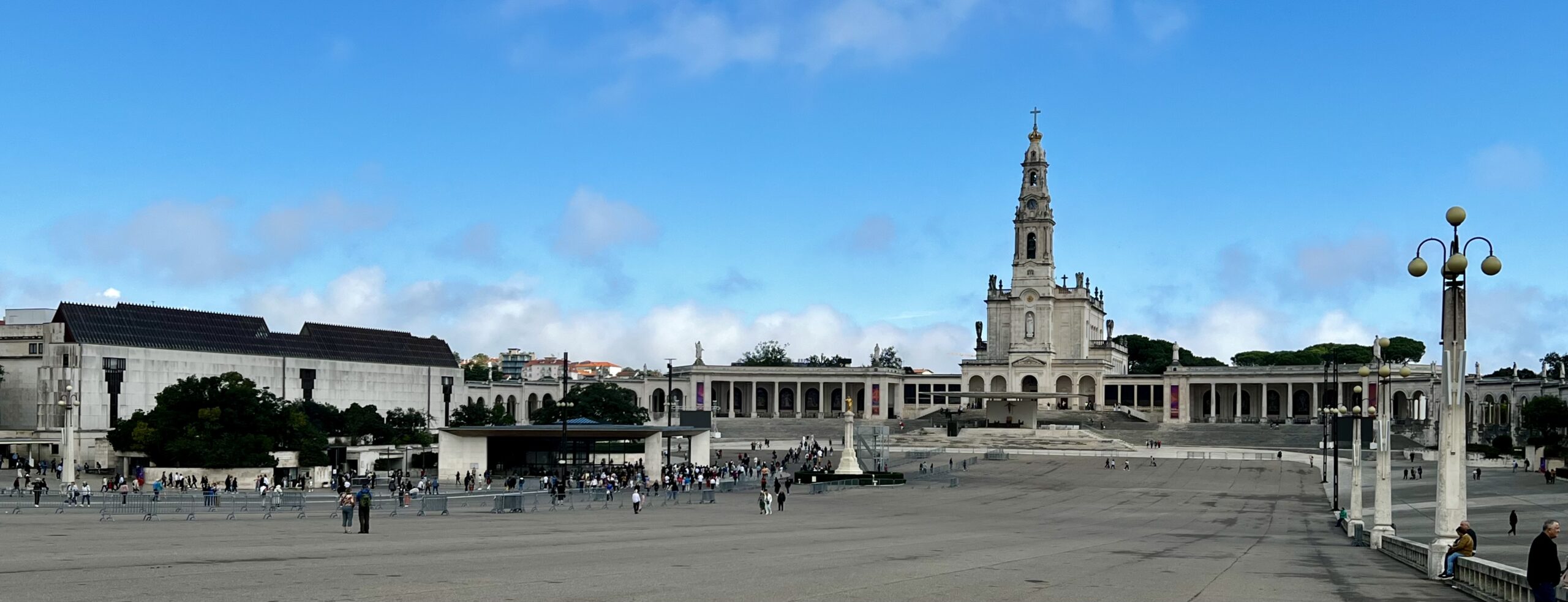
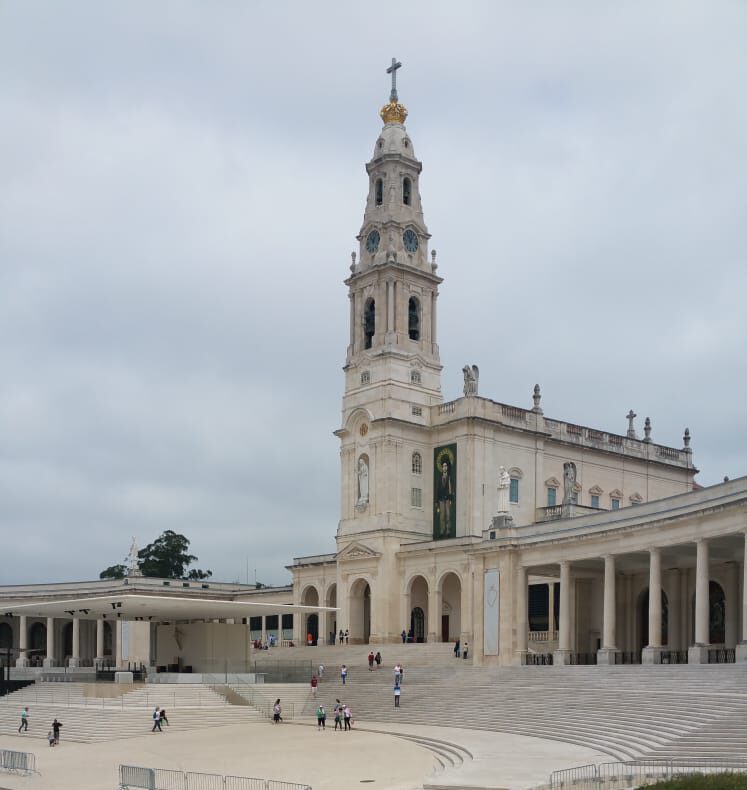
Many pilgrims visit the basilica, where the three children are buried. This building is adjacent to a large, impressive square. Halfway across this vast area, there is the Chapel of Apparitions and an underground space for prayer. In the middle of the square is a spring, where pilgrims collect water to take home.
The hamlet of Aljustrel, which is near Fatima, also receives many visitors. This is where the three visionaries lived. In Aljustrel, there are many devotional items for sale. The parental homes of Lucia and of brother and sister Marto can also be seen there.
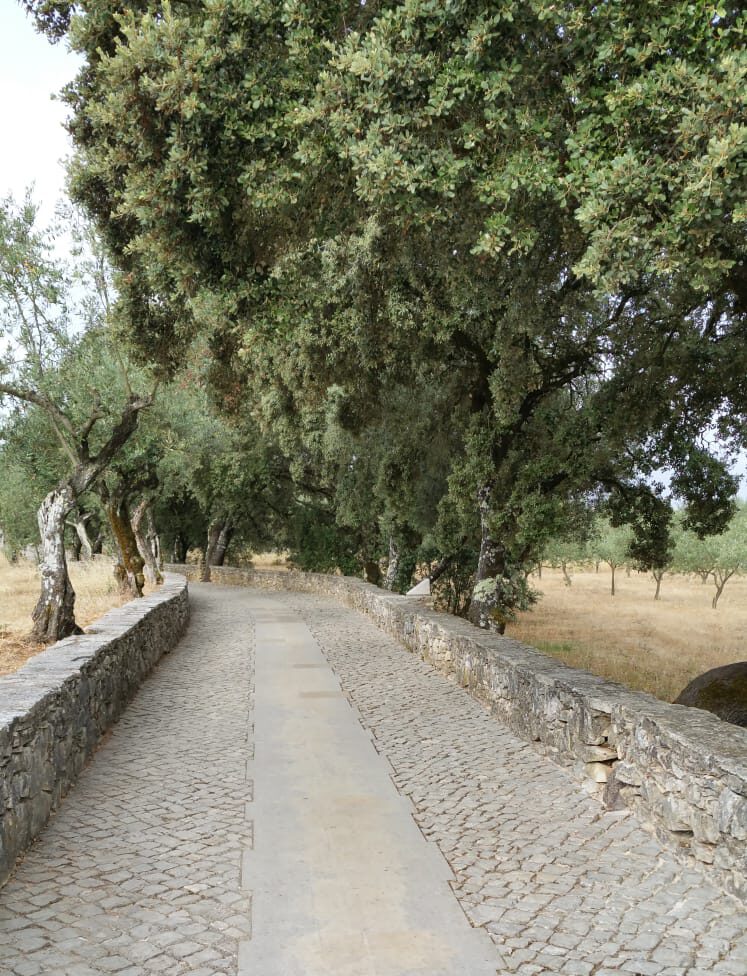
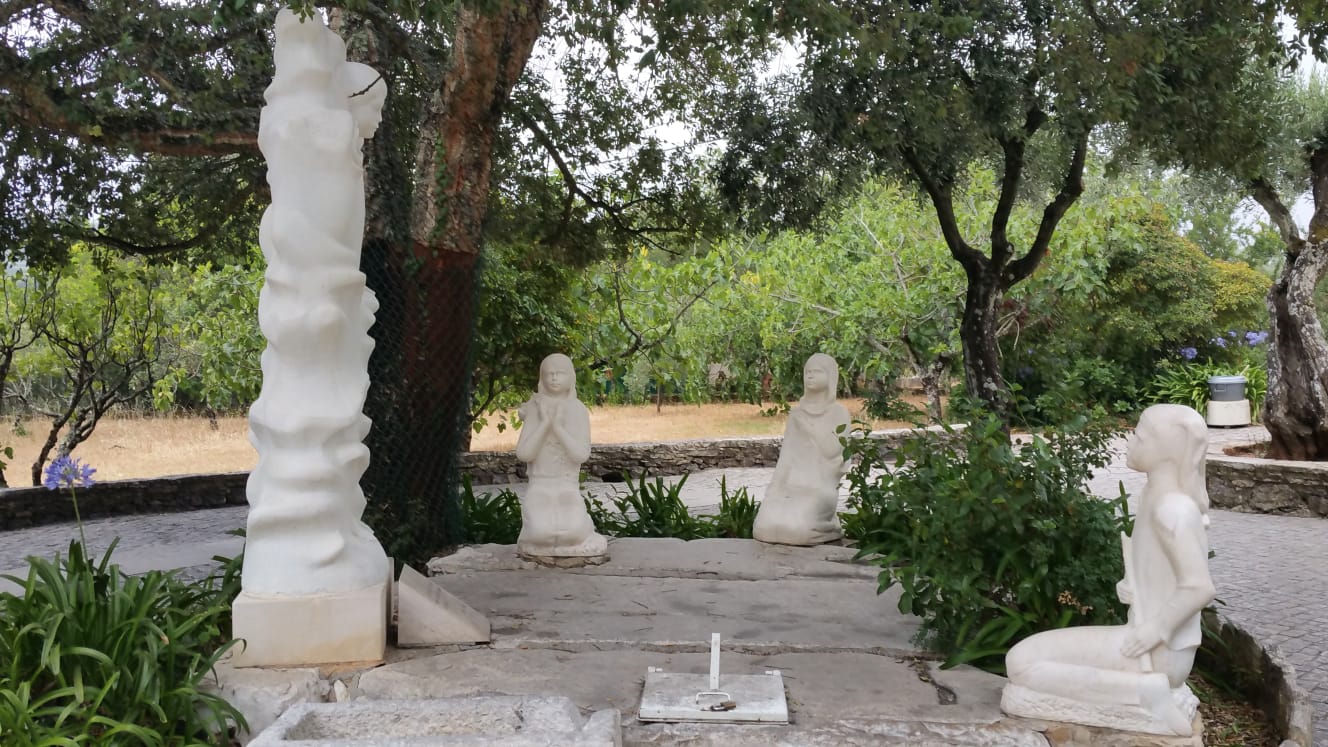
The place where the angel appeared to the three children is for many part of their stay in Fatima and its immediate surroundings. To experience this, you must visit the Loca do Cabeco, near Aljustrel. The angel also appears in the garden of the house where Lucia lived in 1917. There are now white statues there to depict the apparition.
The Via Sacra, or Way of the Cross, is a special path that begins just outside the centre of Fatima. This path is just over 2 kilometres long and has white Stations of the Cross. Halfway along the Way of the Cross is Valinhos, the place where Mary appeared on 19 August 1917. Finally, the endpoint is reached at the Capela do Calvario, the Calvary Chapel.
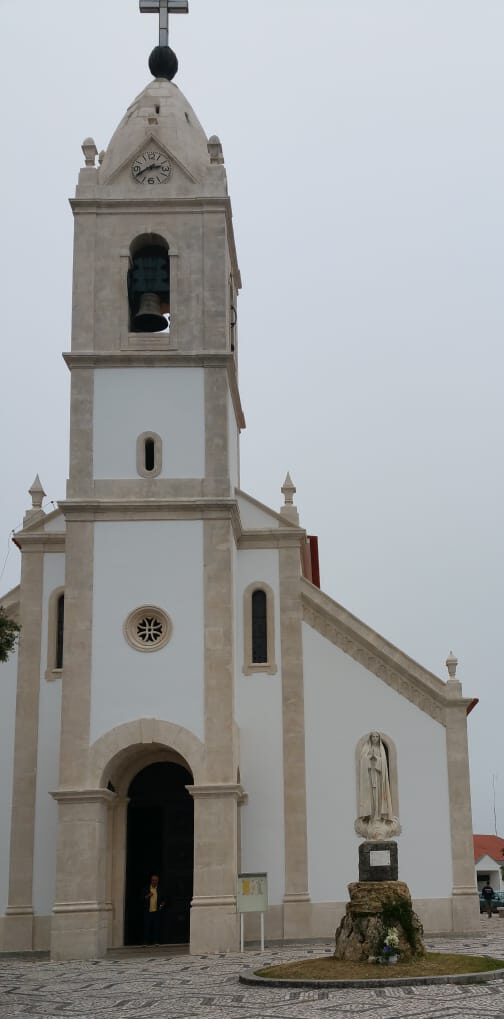
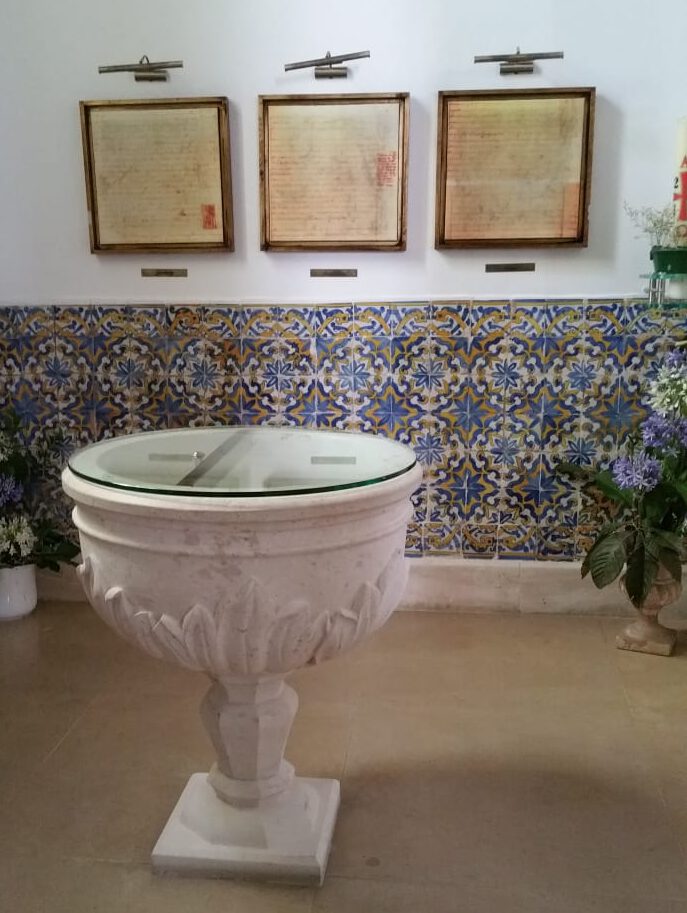
Visiting the parish church is also recommended. The three seers were baptised in this church.
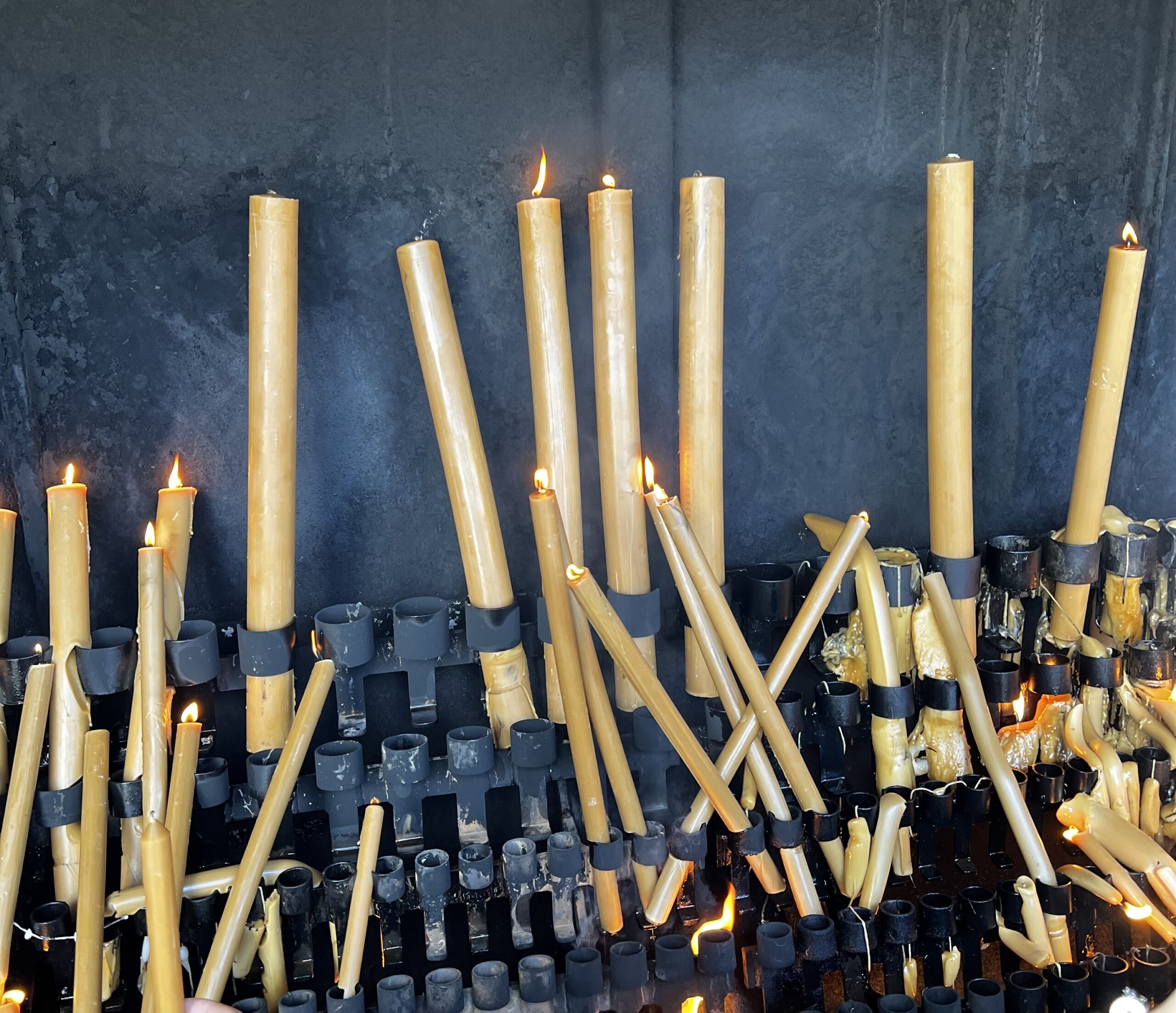
Every pilgrim goes to pray to Mary in the Chapel of Apparitions. From here, the daily procession also departs in the evening. Next to the chapel, candles are lit, and with many burning candles, a sea of fire arises here, with impressive flames.
The devotion in Fátima is particularly great. This is expressed in all sorts of ways. Many pilgrims make their way to the Chapel of Apparitions with the statue of Mary on their knees within the sanctuary. In this way, the crawling pilgrims wish to show their devotion to Mary and do penance.
ACCESSIBILITY
Fatima lies about 60 kilometres north-east of the Portuguese capital Lisbon, and not too far from the Spanish border. Many foreign pilgrims arrive in Lisbon by plane before visiting Fatima.
The sanctuary is located at Rua de Santa Isabel, 360, 2495-424 Fátima.
Current information can be found on the website www.fatima.pt.
Experience
I have had the opportunity to visit Fatima a few times. Each time, it has deeply moved me. Of all the Marian pilgrimage sites, I find the apparitions in Fatima the most relevant. I also like coming here, because visiting this place means a lot to me and affects me noticeably.
In Fátima, I enter the place where Mary made prophecies, just as prophets once announced historical events. Our Lady's words concern, among other things, the end of the First World War and the possibility of an even more terrible war, the Second World War.
For me, it is not only about visiting Fatima, but also Aljustrel, the Hamlet just a few kilometres away. I not only feel the need to visit the places where Mary appeared to the three seers, but also the place where the angel was. This angel showed the children a host, from which blood was dripping. This is the imagining of Jesus' sacrifice.
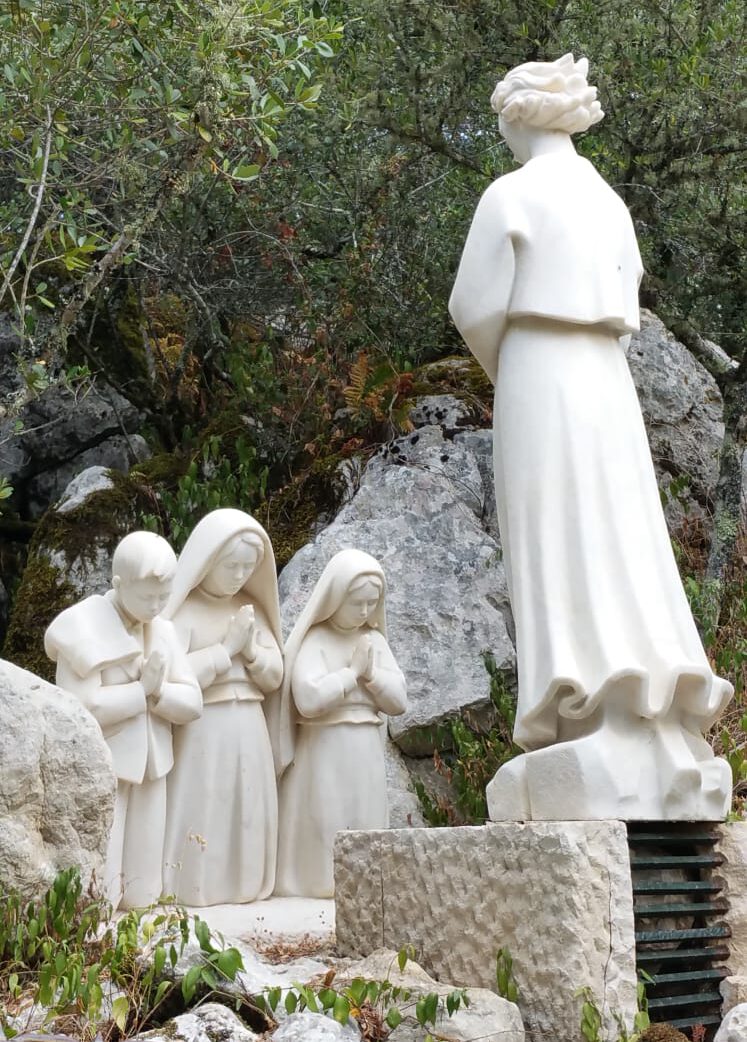
One of my visits took place in 2017; the year in which two seers were canonised. That year marked the centenary of Fatima, as the apparitions of Mary were in 1917. The centenary of Fatima coincided with the 500th anniversary of the Reformation. Martin Luther questioned in 1517 what the church was for. Mary made this more than clear in 1917.
I too will go on my knees to cover a distance of more than 100 metres to finally reach the Chapel of Apparition. During the crawling journey I am in prayer and with every knee movement I say one word of the Hail Mary. It is slow prayer. I have never taken so long to say a Hail Mary.
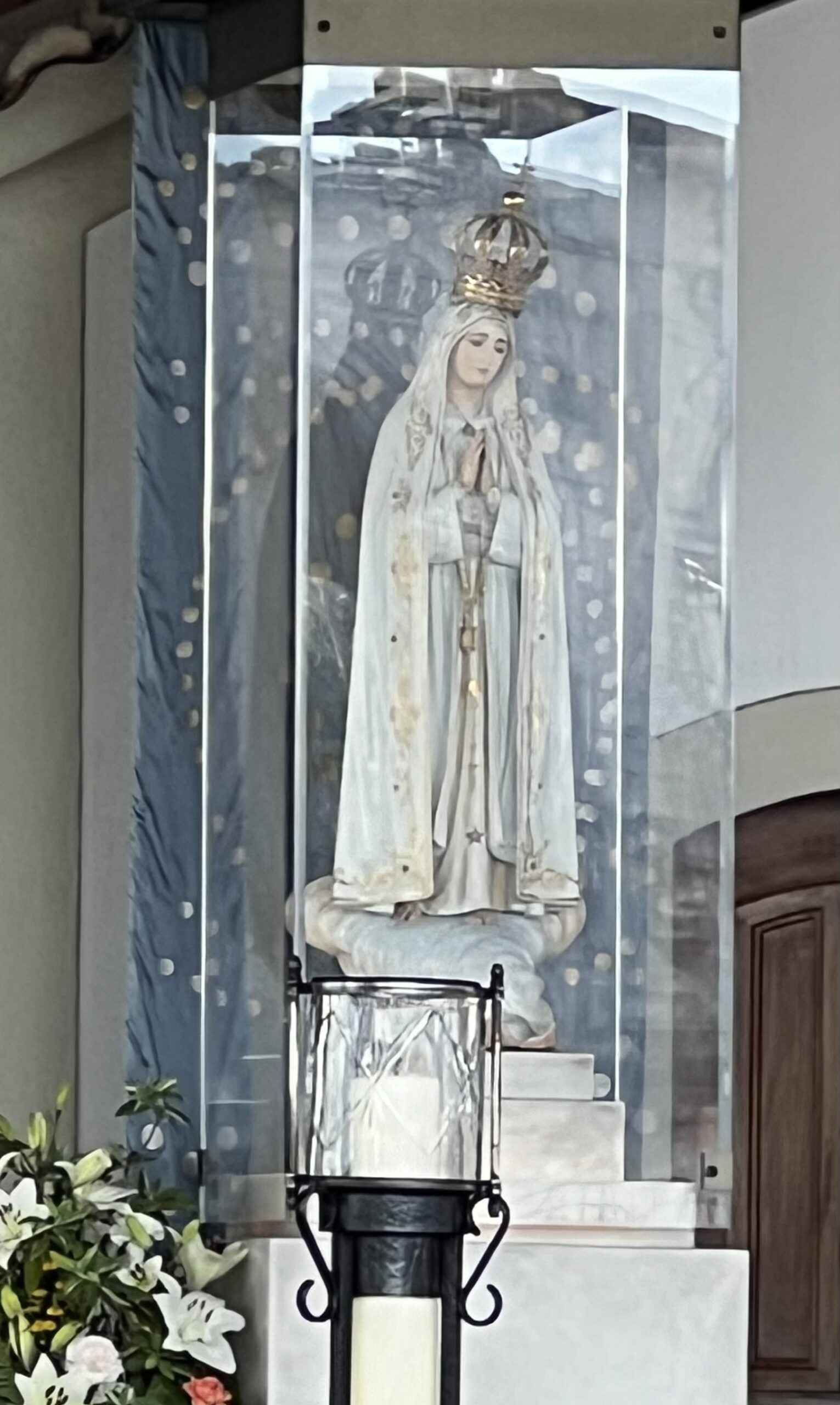
In the apparition chapel, I spend a long time by the statue of Mary. I pray and look at the crown on her head. In it is incorporated the bullet, which was removed from the body of Pope John Paul II after the assassination attempt. This happened on the very significant day, namely in 1981 and on the 13th of May, the day of the first apparition of Mary at Fatima.
Near the Chapel of Apparitions lies the spring. This watering place was established on 13 May (!) 1921. After filling a few small bottles with spring water, I take them to the car. The water will go home with me and is also intended for some friends.
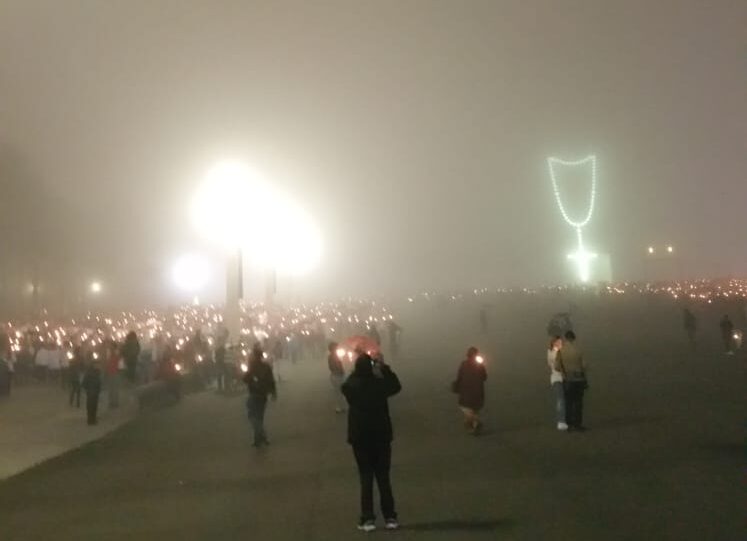
Next, I will go to the space where candles can be lit. I will light some in memory of my deceased parents and good friends, for whom I have affection. When I return later in the day to the place of the burning candles, I look in amazement at a sea of fire. Not a single candle is still standing upright. The candles that are then lit are thrown into trays with burning candle wax. The sacrificed candles create high flames. A unique ritual...

In the evening there is a procession. A large illuminated cross leads the way. Pilgrims follow. The crowned statue of Mary leaves the Chapel of the Apparition and joins the procession, which is lit by many candles. During the procession, the rosary is recited in different languages. I hear many Portuguese voices praying, and I recognise the sounds of Spanish, Italian and English too. Dutch...? Am I one of the few from the Low Countries?
Later, in the evening, I reflect on the special day in Fatima. I will carry these memories with me my whole life. Thank you, Mary.
~~~

 Nederlands
  English (UK)
  Deutsch
  Français