In the west of the province of North Brabant, between Etten-Leur and Roosendaal, lies the town of Sint-Willebrord. The village is named after the famous 8th-century missionary: Saint Willibrord. In the centre of the town is the beautiful Processiepark (procession park), which also features a special Lourdes grotto.
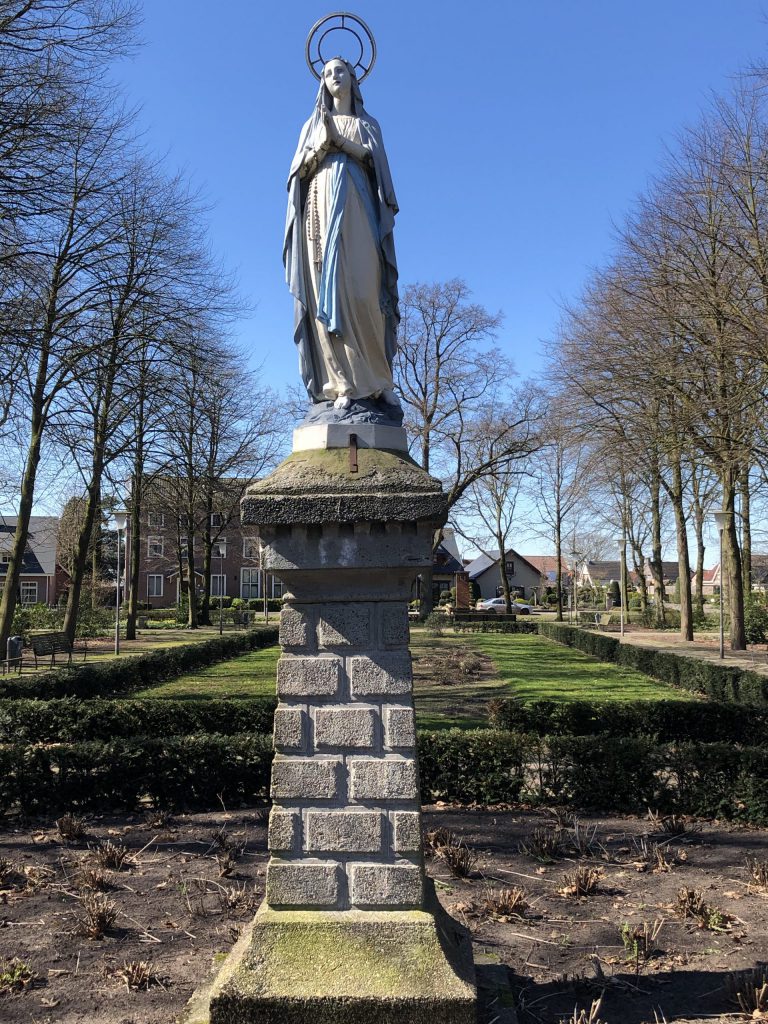
On the square, in front of the entrance to St. Willibrord's Church, there is a large statue of Mary on a tall pedestal. This is a copy of the Crowned Statue from the Esplanade in Lourdes, France.
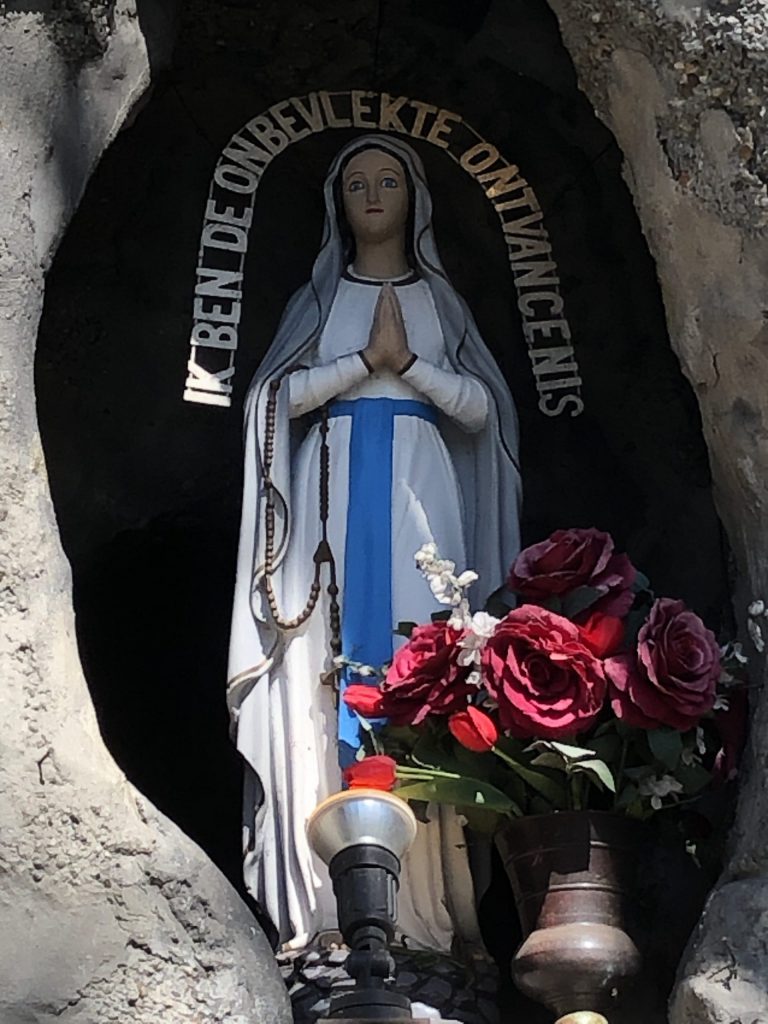
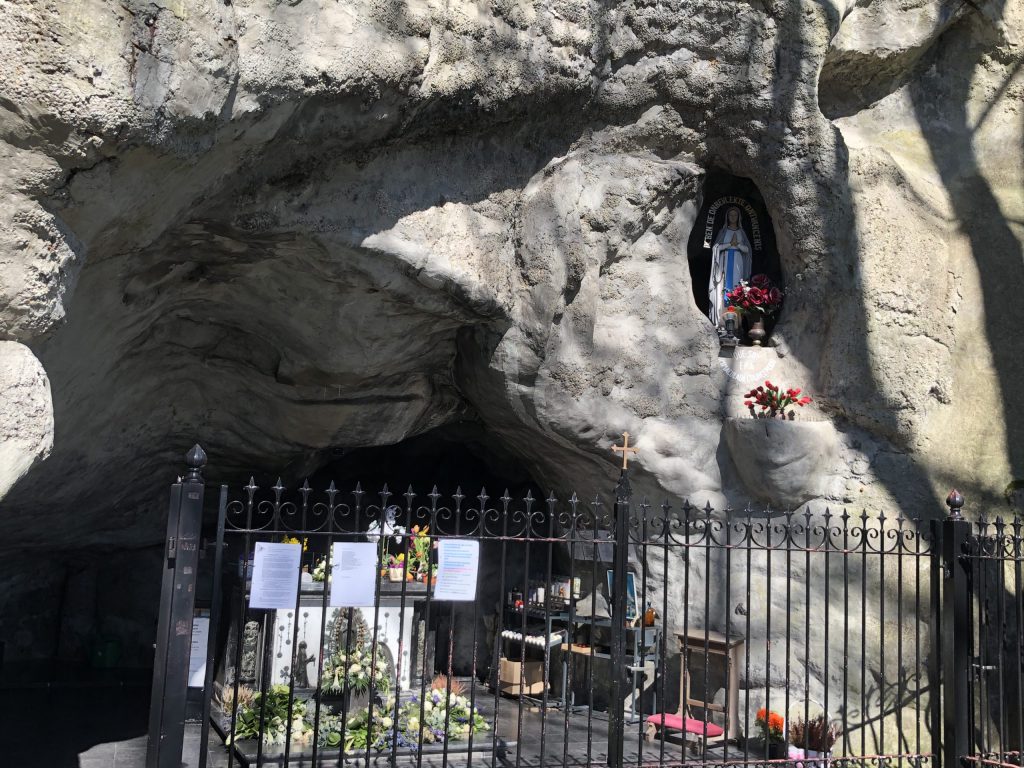
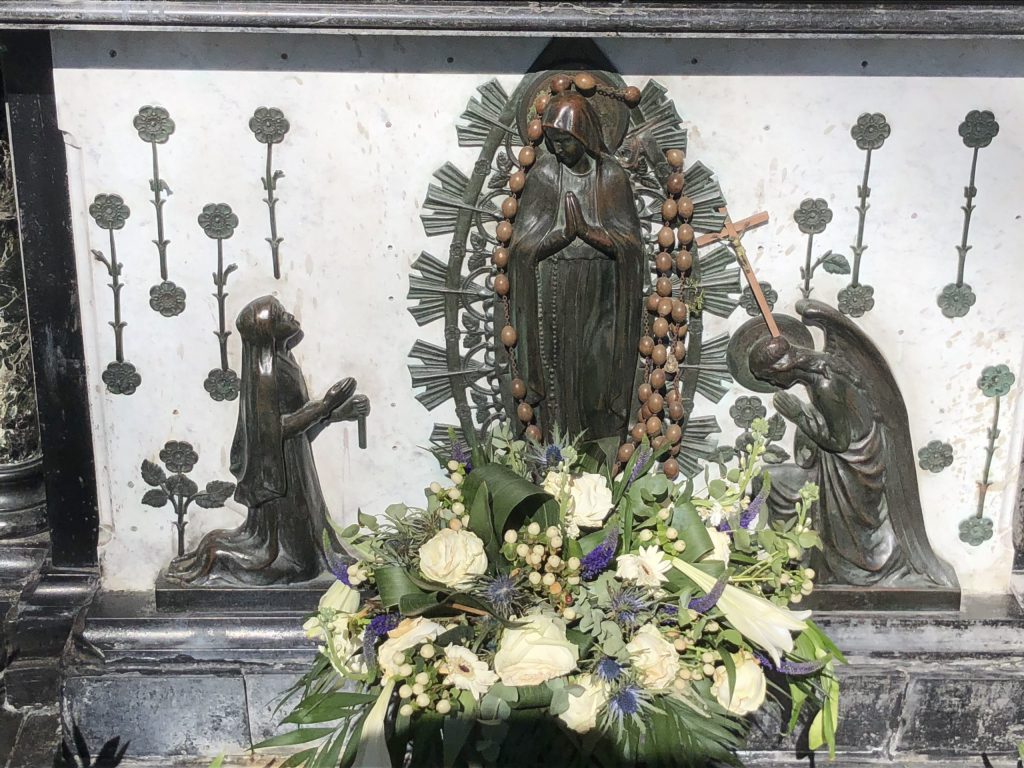
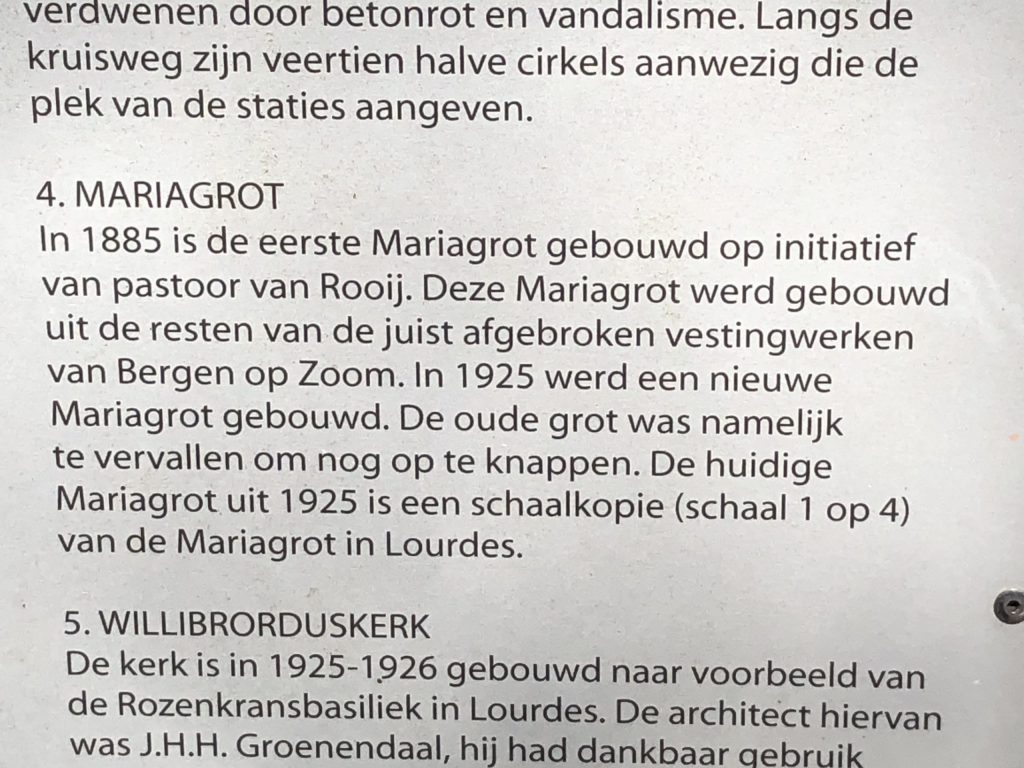
A Lourdes grotto was built in 1885 at the behest of Father Van Rooij. This Lourdes grotto has since disappeared, and the current Lourdes grotto was realised in a different location in 1925. The grotto consists of a concrete structure with artificial rocks. The floor of the grotto is covered with a marble floor, on which stands a marble altar table. The text under the statue of Mary is the same as in Lourdes: “Que soy era immaculada councepciou”. Around Mary's head is the inscription: “ik ben de onbevekte ontvangnis” (I am the immaculate conception). The grotto is enclosed by wrought-iron railings. The Lourdes grotto is of high quality and is a national monument.
Achter de Lourdesgrot staat de Sint-Willibrorduskerk. In 1925 is de kerk ingezegend. De driebeukige kruiskerk lijkt op een silhouet van een grote basiliek te Lourdes. De architect van de kerk is Nicolaas Jacobus Hubertus (Jacques) van Groenedael (1864-1932), die ook aannemer en zakenman is. De opdrachtgever tot de bouw van de kerk is Petrus Norbertus Bastiaansen (1869-1944), pastoor in Sint-Willebrord (1909-1944). De pastoor maakt het eerste ontwerp nadat hij in het Franse Lourdes inspiratie heeft opgedaan door daar ook de Rozenkransbasiliek te bezoeken. De kerk is imposant en kent een neogotische stijl. Het werk is in 1926 voltooid. Pastoor Bastiaansen is niet alleen de pastoor van het dorp, maar ook de visionaire architect die het dorp verheft. Kerk en Lourdesgrot komen tot stand zonder gemeentelijke subsidie en hierdoor houdt de pastoor de autonomie over zijn kerk en grot.
Sinds 1841 bestaat de Sint-Franciscusparochie in Sint-Willebrord.
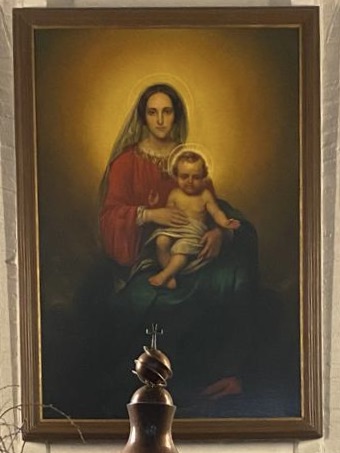
Achteraan op het priesterkoor van de kerk staat een bijzonder schilderij van Maria met Kind. Het kunstwerk is gemaakt door Petrus van Schendel (1806-1870), een romantisch genreschilder die lichteffecten gebruikt. Pastoor Bastiaansen ontvangt het schilderij als geschenk in 1856.
On the front facade of the presbytery, where the grotto and church are located behind it, stands a large, white statue of building pastor Bastiaansen. The statue is on Dorpsstraat.
The crowned statue of Mary, the Lourdes grotto, and the church form the highlights of the Procession Park. The park was created in 1926, immediately after the church was completed. The buildings in the park have become national monuments.
In the 20th century, the Processiepark welcomed tens of thousands of visitors. Many people still see the Processiepark and its Lourdesgrotto as a good alternative to the faraway Lourdes in the south of France.
Since the beginning of 2020, the park has gained a magnificent green character and has become an even more attractive place to stay and/or pray.
The Procession Park is located between the semi-circular Pastoor Bastiaansensingel and the Dorpsstraat. The renovated and verdant Procession Park is an inviting place to visit.
~~~

 Nederlands
  English (UK)
  Deutsch
  Français