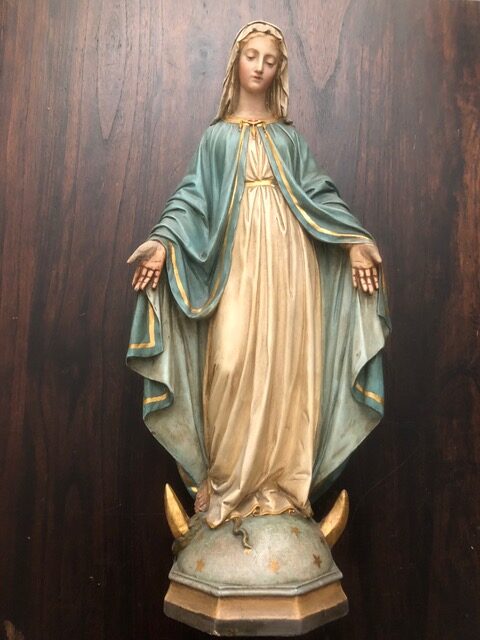
History
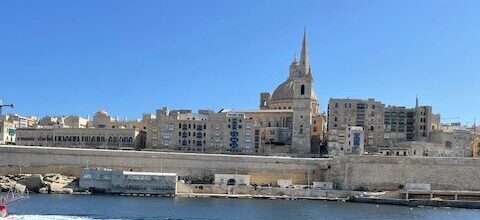
The current basilica of Our Lady of Mount Carmel has a long history.
Before a church is built, there is a prayer chapel in “Old Theatre Street”. A new chapel is built in 1655.
Where the basilica now stands, another church once stood. This large church was built between 1570 and 1608, based on a design by Maltese architect Girolamo (Glormu) Cassar (c. 1520–c. 1590). It was designed as a conventual church for the Knights Hospitaller. The floor is marble, with richly decorated tombstones. The Order of St John (Order of Malta) was founded in 1113 as an international Catholic knightly order.
On 13 February 1622, the Confraternity of Our Lady of Valletta was founded.

In the 17th century, the Carmelites took care of the church. In 1852, the church received a new facade. The Matese architect Giuseppe Bonavia (1821-1885) designed the facade.
On 14 May 1895, the church was elevated to the status of a basilica. The permission for this came from Leo XIII, Pope from 1878 to 1903, and born Vincenzo Gioacchino Raffaele Luigi Pecci (1810-1903).
During the Second World War (1939-1945), the church was heavily hit by bombs, and by the end of the war, it was largely destroyed. Reconstruction followed between 1958 and 1981. The Maltese architect of the new church was Joseph (Guzè) Damato (1886-1963). The church was consecrated in 1981.
The new church has a 42-metre high dome and this offers an impressive view of the city of Valletta and Marsamxett Harbour.
Pilgrimage site
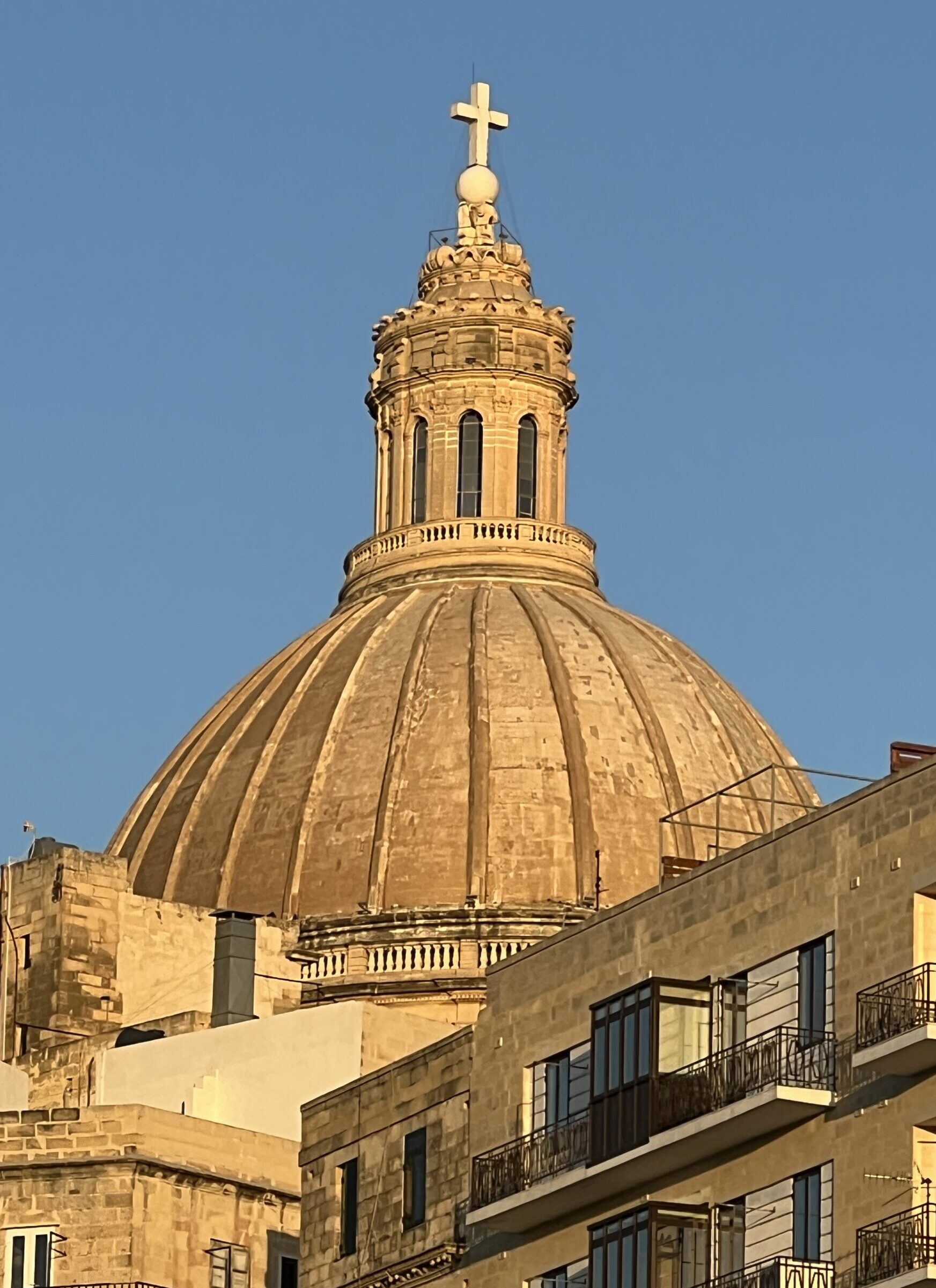
From afar, the basilica stands out due to its large, 42-metre-high dome.
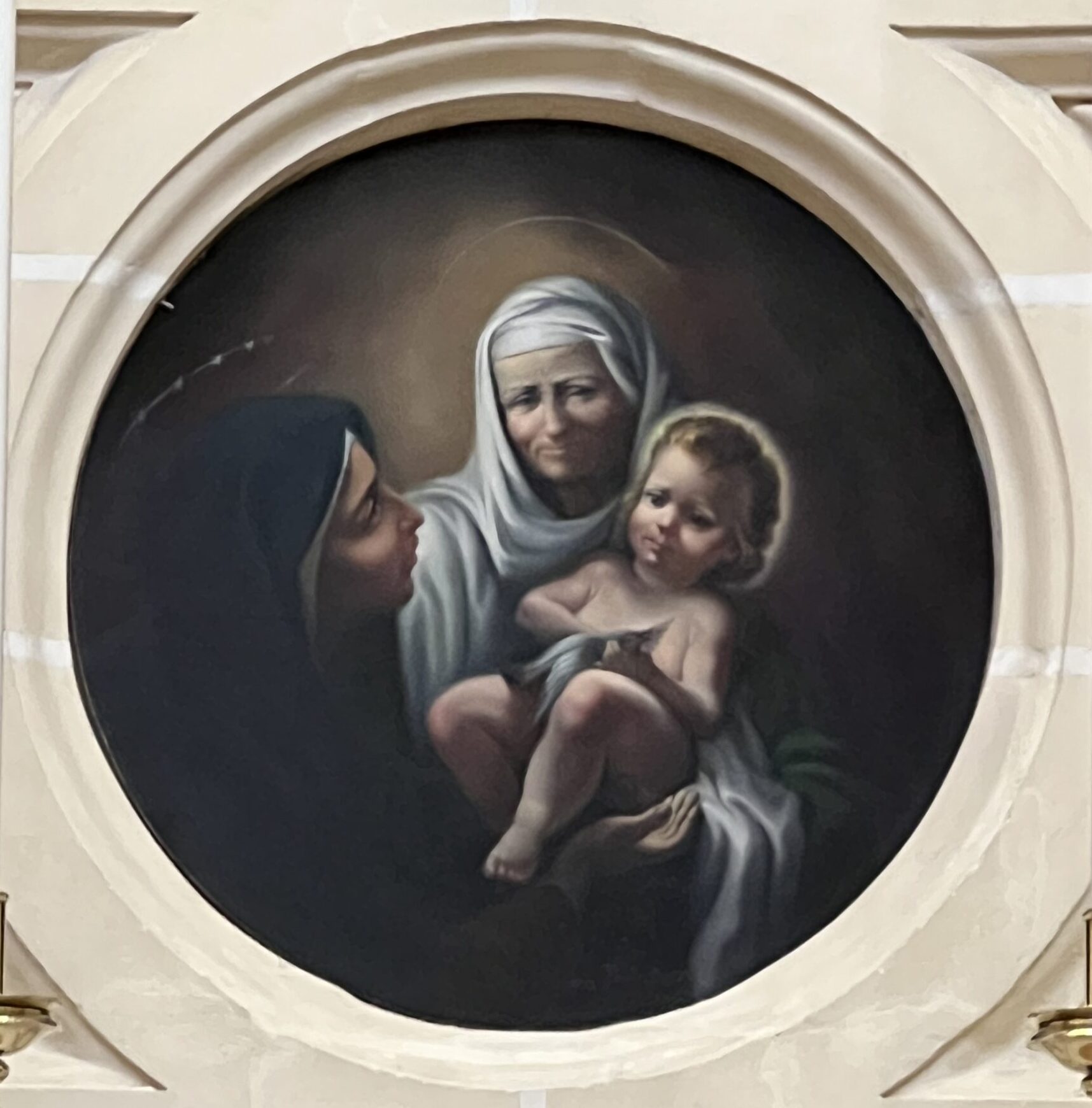
In the basilica, there is a 17th-century painting of Our Lady of Mount Carmel.
Next to the basilica, there is also the Our Lady of Mount Carmel chapel. This chapel has stood for centuries in “Old Theatre Street” in the centre of Valletta. Many silver ex-votos are displayed on the walls of this chapel.
The wooden statue of Our Lady of Mount Carmel most likely originates from Rome and arrived in Valletta in 1657. The maker and date of manufacture of the effigy are unknown.
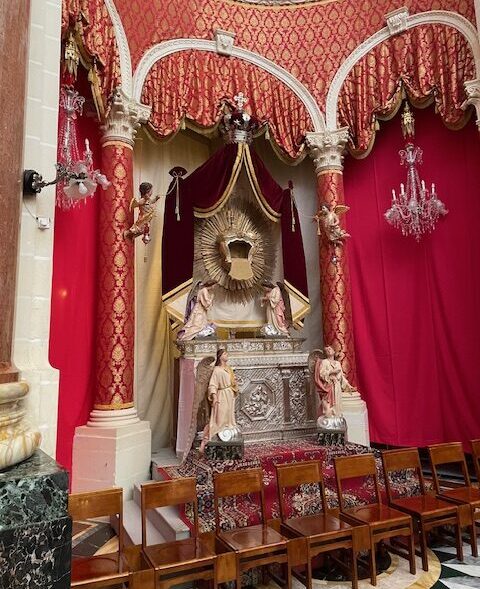
The basilica features many paintings. In the basilica, visitors experience the height of the dome.
The feast day of Our Lady of Mount Carmel is on 16th July. She is the patron saint of sailors. Believers find in Her a safe haven, in which they seek refuge during life's storms.
The chapel and basilica receive many pilgrims and are open daily.
The cathedral museum exhibits, among other things, Flemish tapestries from the 17th century.
On 8 September, it is the feast day of Our Lady of Victory. This day commemorates the failed sieges of Malta in the years 1565, 1800 and 1943.
For the celebration of the feast of Our Lady of Sorrows (Latin: Mater Dolorosa) on 15 September, a procession makes its way through the streets of Valletta.
ACCESSIBILITY
The oratory chapel is located at 80 Old Theatre Street (Triq it-Teatru-Antik), VLT 1535, Valletta-Malta, where the oratory of the Confraternity of Our Lady of Mount Carmel is established. Next to the chapel stands the basilica.
Up-to-date information can be found at www.quddies.com.mt.
Experience
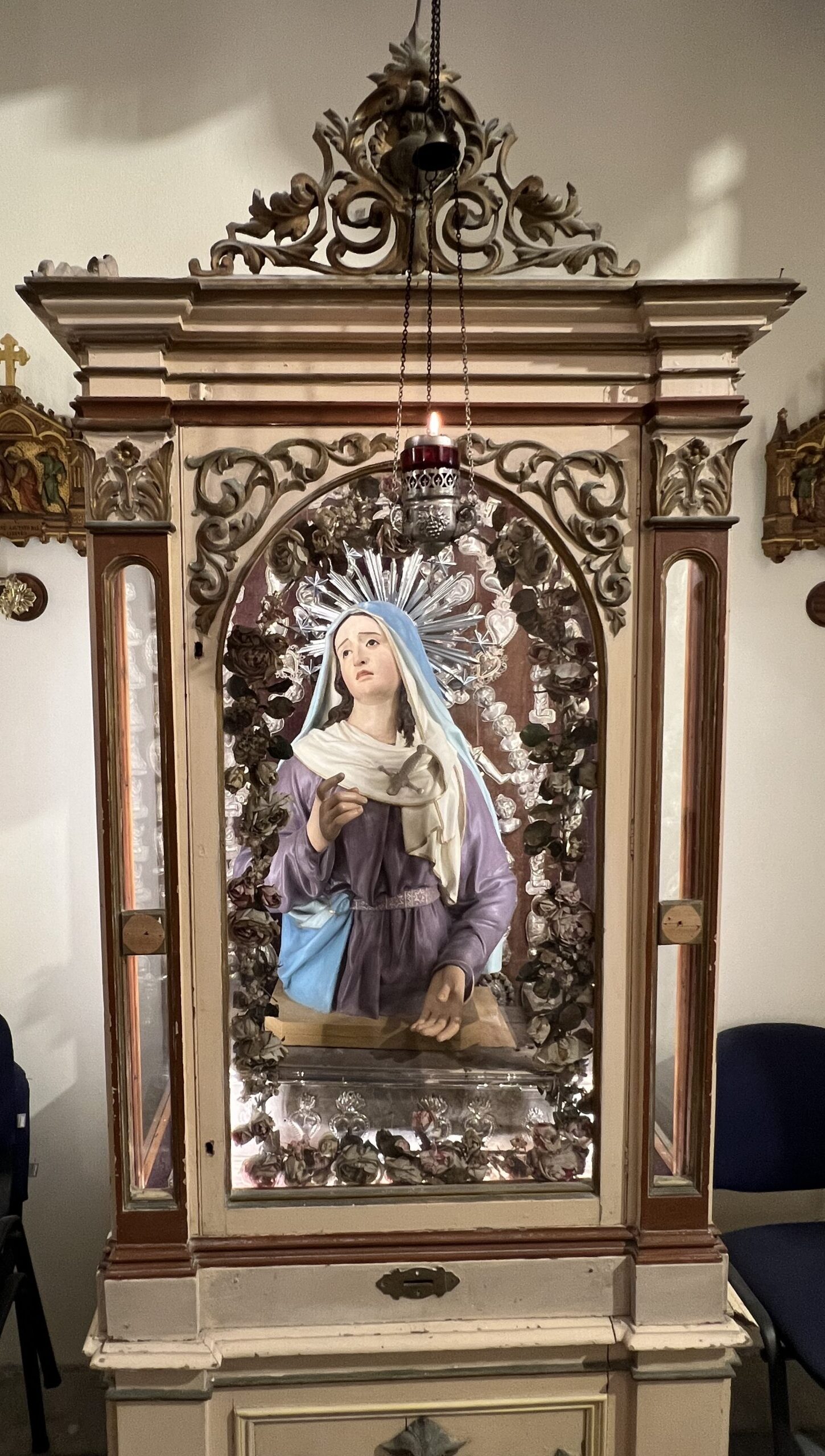
Upon arrival in Valletta, the first thing to do is visit Our Lady of Mount Carmel. This can be done in two buildings, namely the oratory and the basilica. The oratory is adjacent to the basilica and it is open.
In the prayer chapel, I see a large restored statue by the artist Pietro Paolo Troisi (1686-1743). The wood is solid pine and fir. The wood is old and dates from approximately the first half of the 15th century, which was discovered during the restoration in 2020/2021. This means the wood was reused. The depiction is from c. 1712 and shows Our Lady of Mount Carmel.

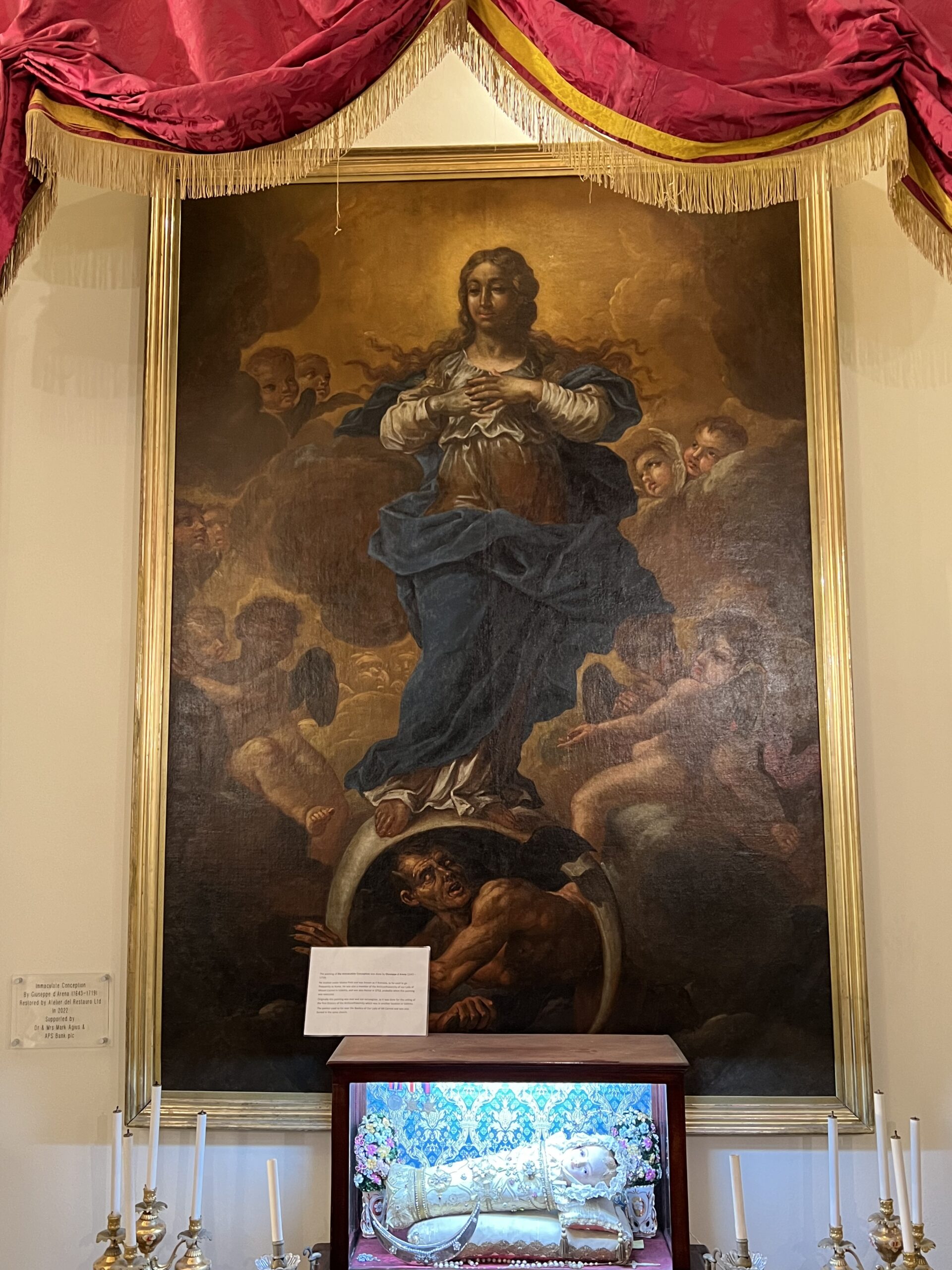
The painting of the Immaculate Conception was created by Giuseppe d’Arena, also known as Il Romano, (c.1633-1719). The artwork was made in the early 18th century and was restored in 2022.
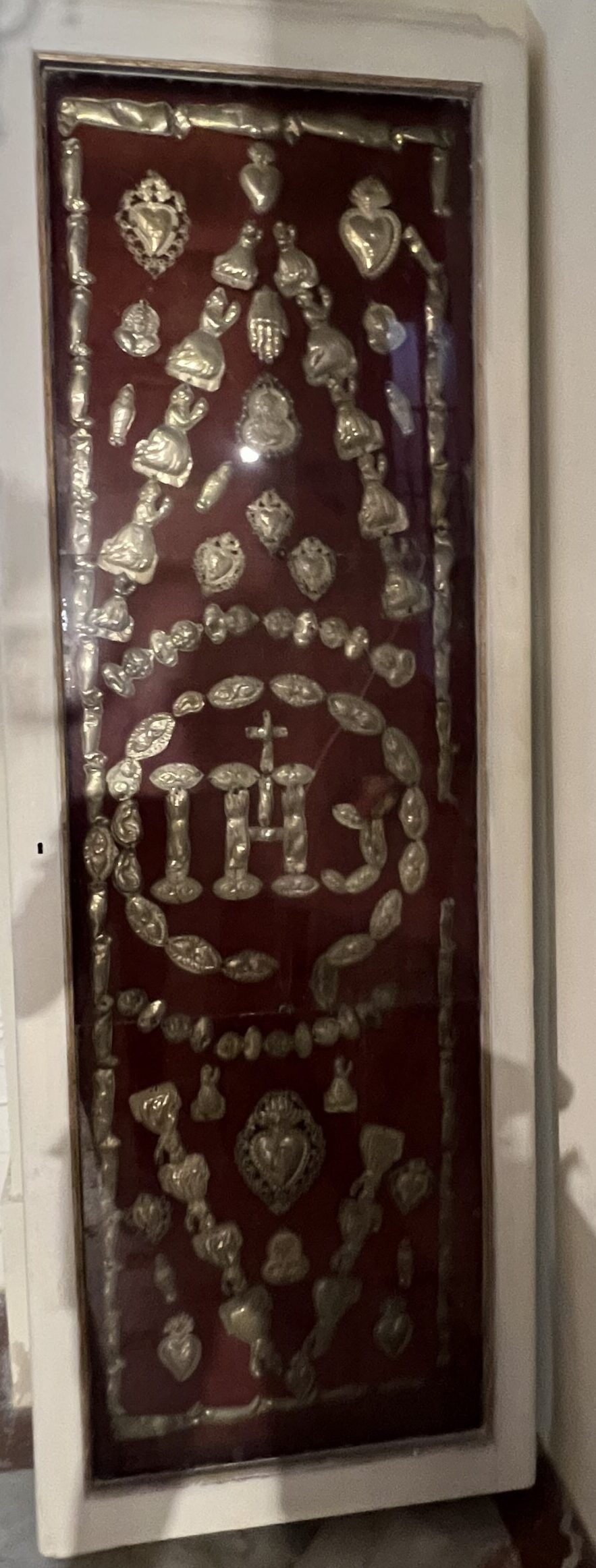
There are also many ex-votos displayed on the walls in this room.
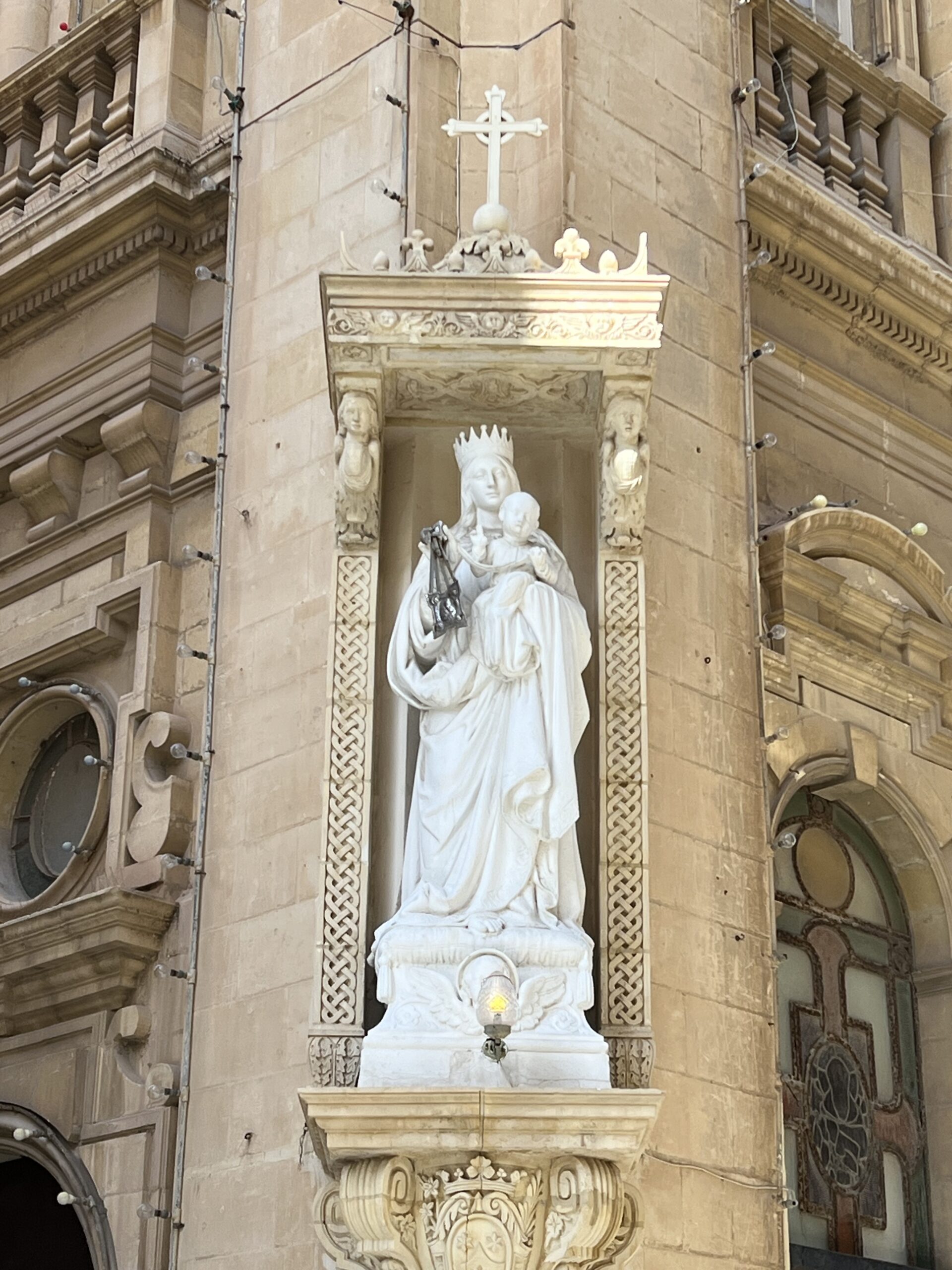
After the chapel, we go to the basilica. On the corner of the street, there is an impressive statue of Mary. The effigy is placed about 4 metres high.
Then it's time to enter the basilica. First, you see the large statue of Mary. Our Lady of Mount Carmel stands on a high console.

Striking is the high dome. This experience is to realise how small man is. In the large basilica, many paintings can be seen. The space is of great artistic value.
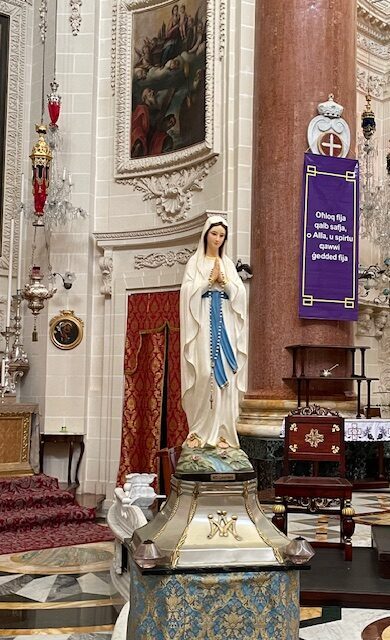
The basilica also contains an image of Our Lady of Lourdes.
Environment

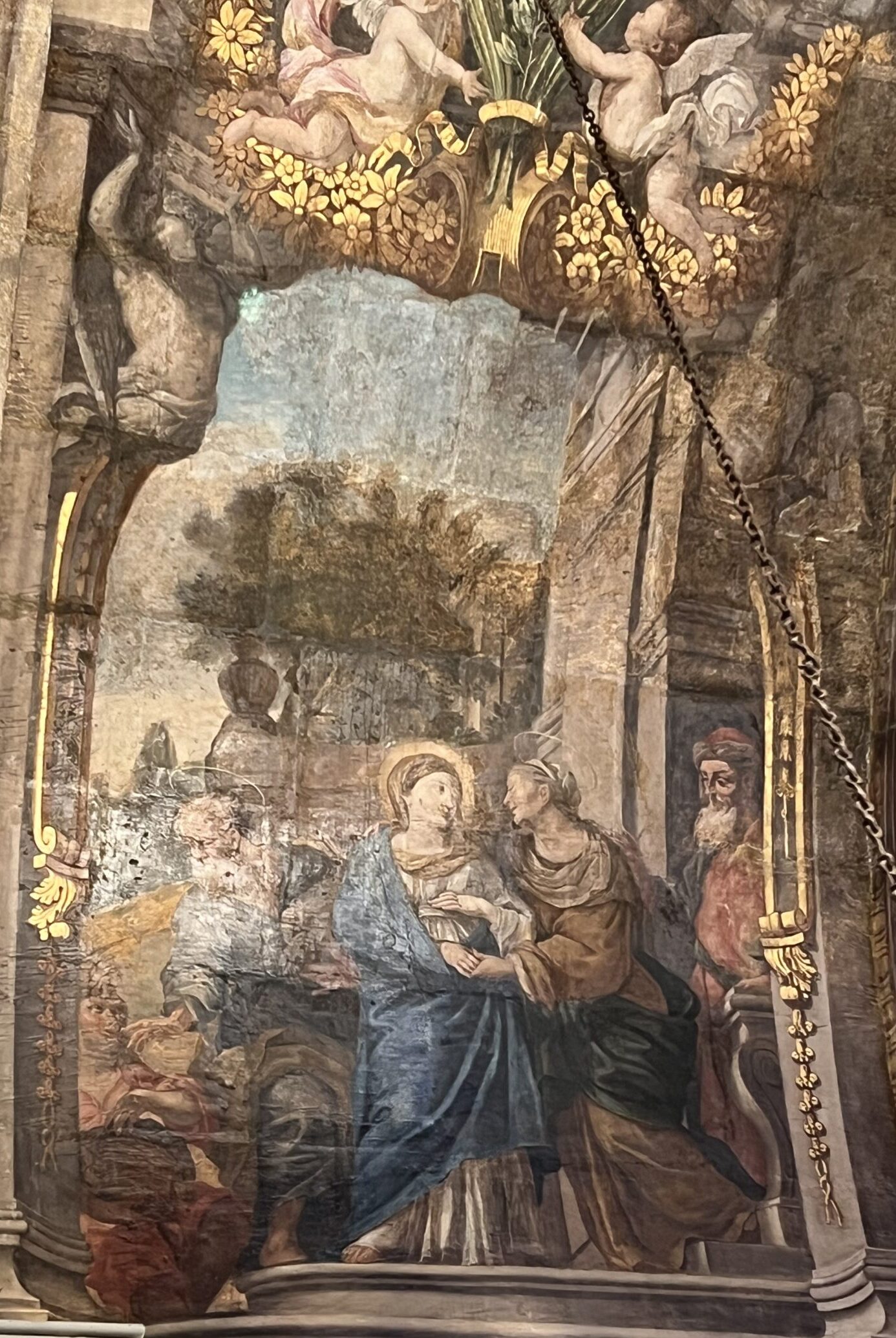
In Valletta, the Church of Our Lady of Victory is worth visiting. The church's previous name was St. Anthony the Abbot. It is the first church to be built in Valletta and has stood in the city since 1566. The church was erected in commemoration of the victory of the Knights of the Order of St. John over the Ottomans on 8 September 1565. Our Lady helped the Knights of St. John to their triumph at the Great Siege of 1565. The church symbolises the new city of Valletta. Inside the church is a wooden effigy of Our Lady in a silver shrine.
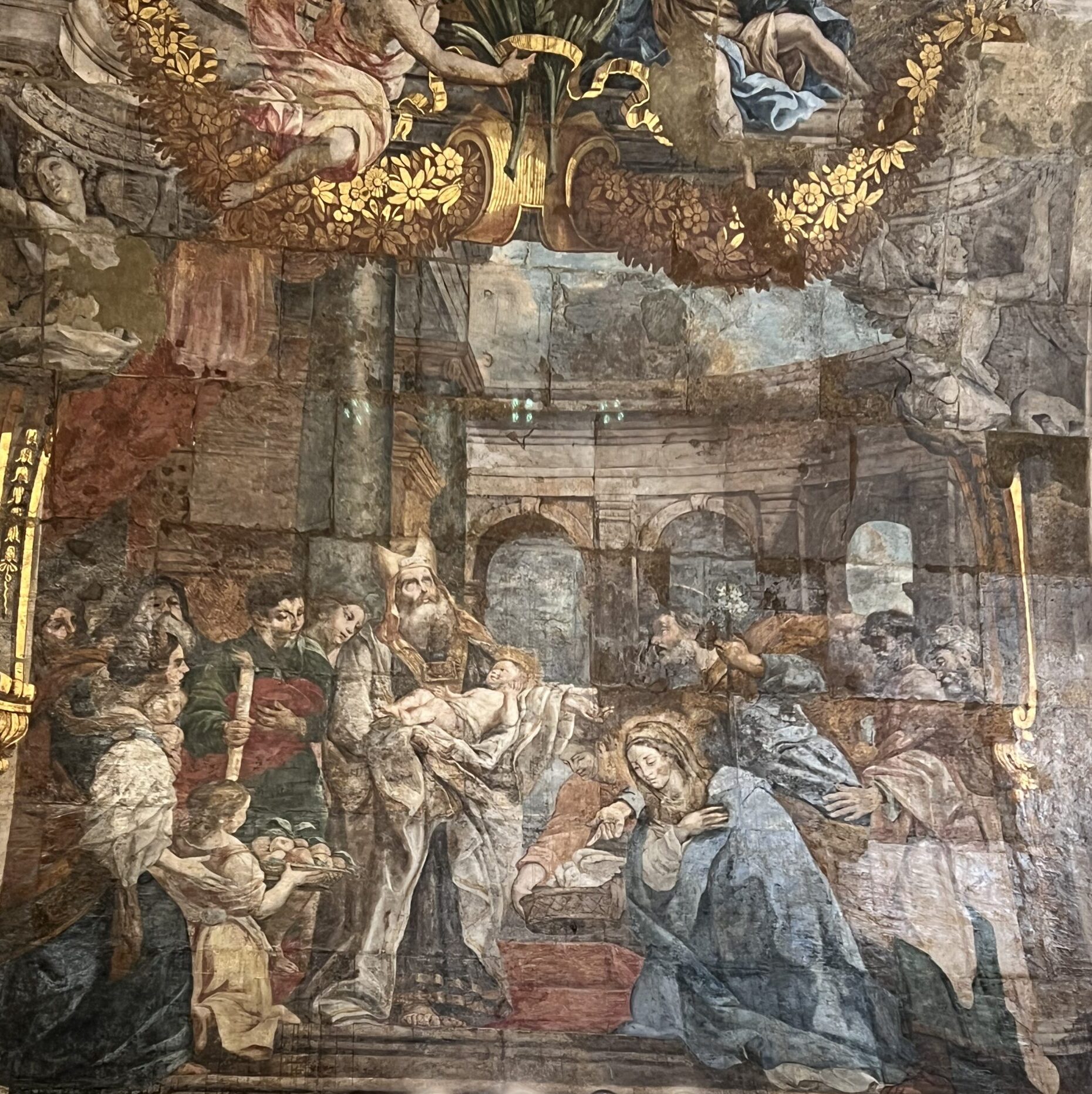

Impressive is St. John's Co-Cathedral in Republic Street in Valletta. The Baroque church was built between 1573 and 1577 and consecrated in 1578. It is the principal church of the Knights of St. John. Over 400 knights are interred in the Co-Cathedral. The marble tombstones are not only artistic but also colourful and cover the entire floor of the Co-Cathedral. Names and dates are inscribed on the slabs in Latin.
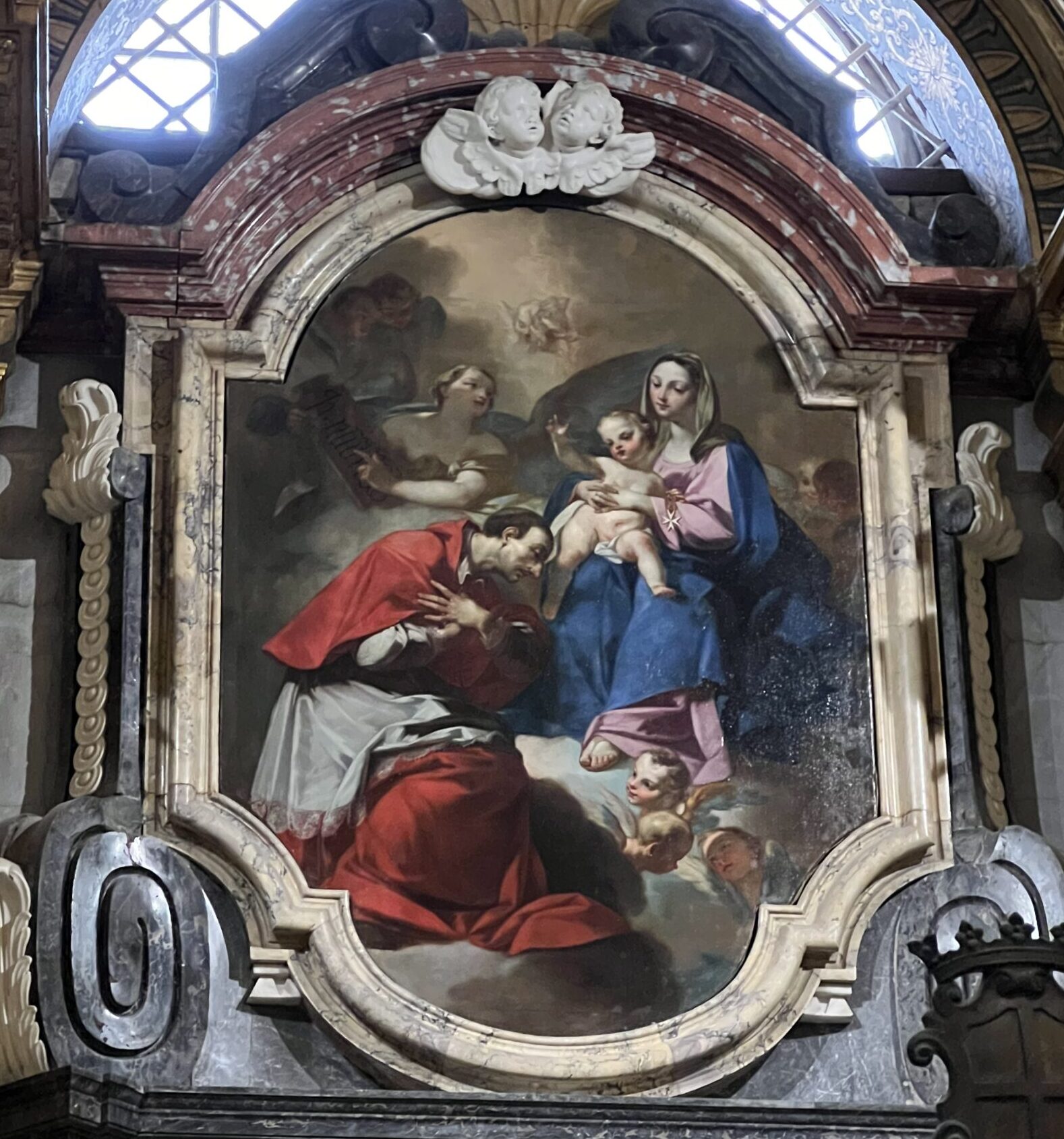
The vaults of the cathedral are adorned with paintings by the Italian Baroque artist Mattia Preti (1613-1699). On both sides of the church, 8 side chapels have been created.

A large painting is by Stefano Erardi (1630-1716). This Maltese artist painted “The Adoration of the Magi” in 1667.
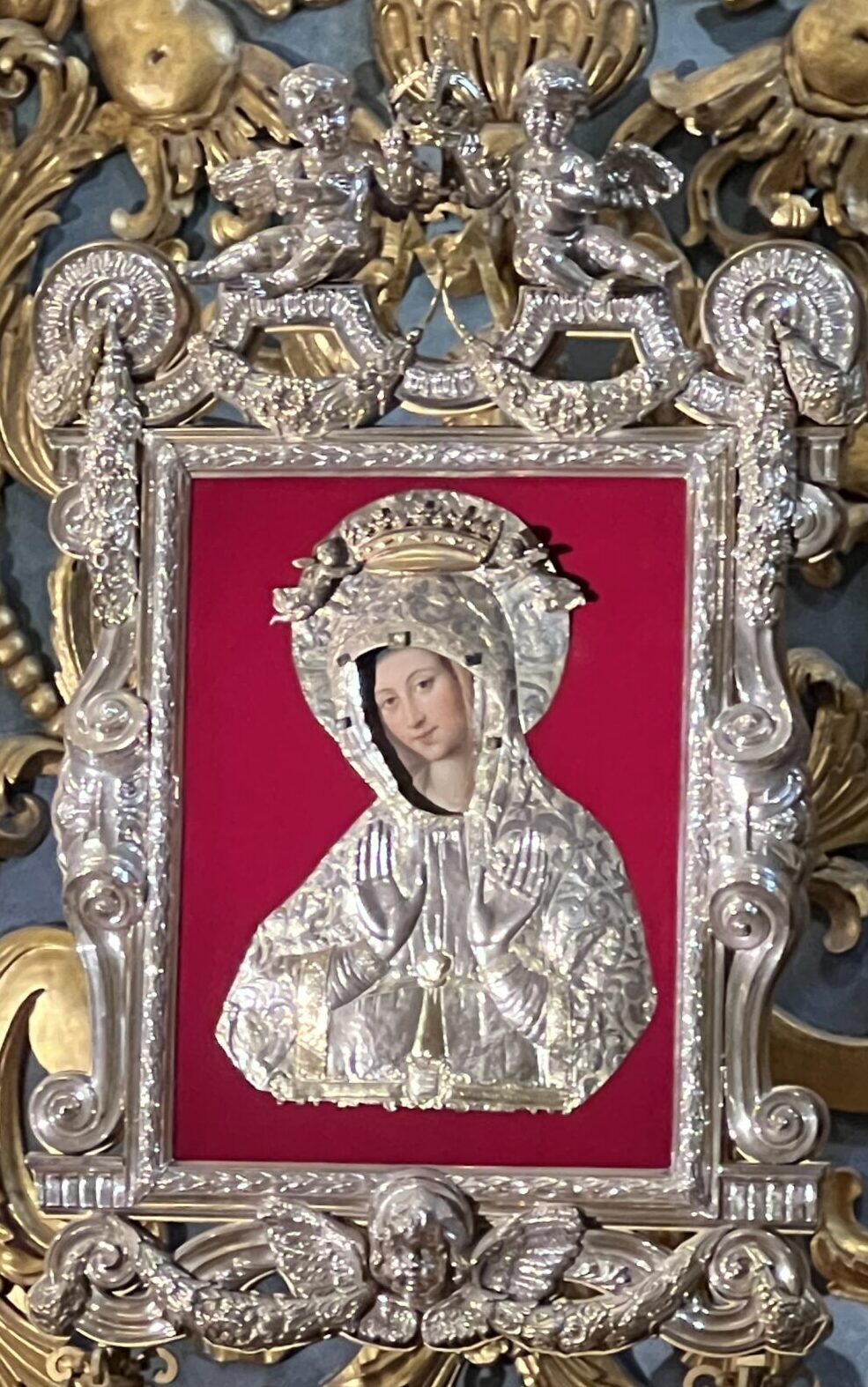
In Mosta stands the Chapel of Our Lady of Good Hope. To go from Mosta to Valletta means travelling 13 km to the east.
Travelling from the pilgrimage site of Mellieha to Valletta involves covering 26 km to the southeast.
Departing from Rabat to travel to Valletta requires going 14 km to the east.
~~~

 Nederlands
  English (UK)
  Deutsch
  Français