The cultural history Museum W is located in the old town hall, opposite St. Marinus Church. The building was completed around 1550 and has undergone some alterations over the many years. The building is a national monument. The museum has core collections of regional and religious art. In addition, temporary exhibitions are held. Much attention is paid to Mary in the museum.
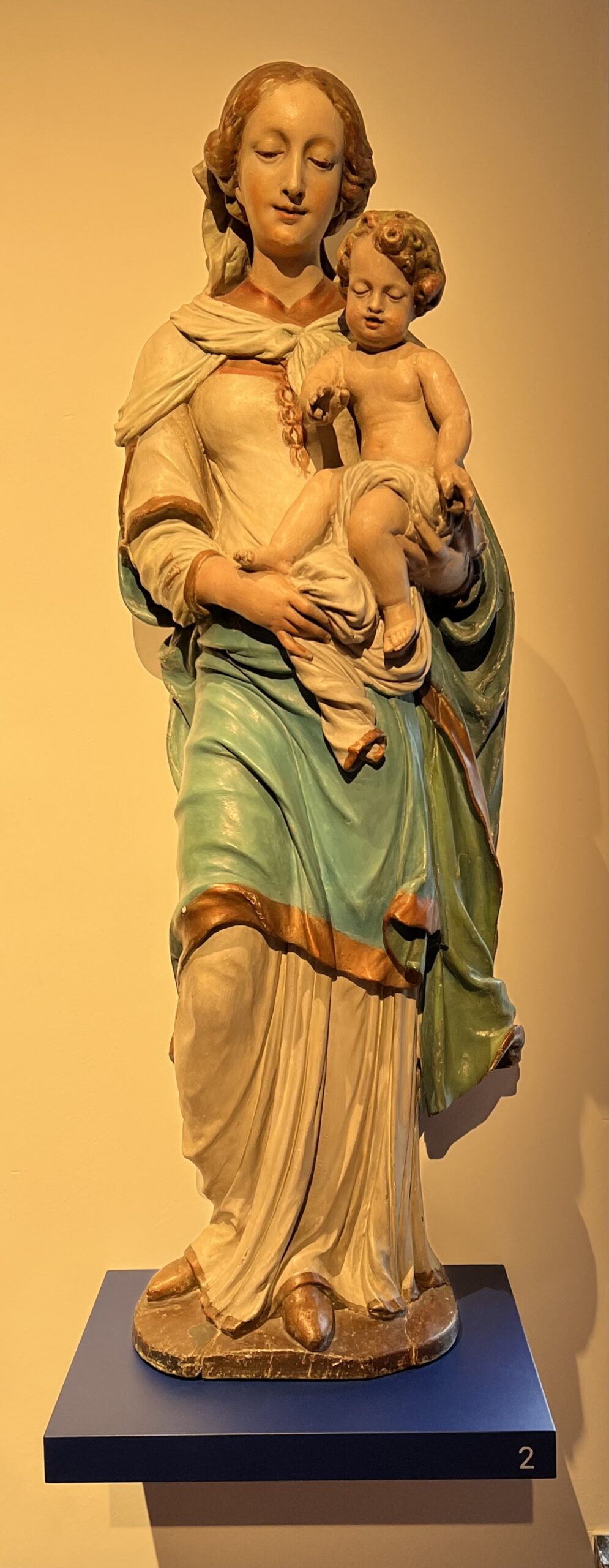
Maria met the child of Nicolaas van der Veken (1637-1709), a sculptor from Mechelen, dates from the second half of the 17th century. The statue is made of polychrome lime wood. Maria carries her almost naked Child on her left arm, close to her heart.
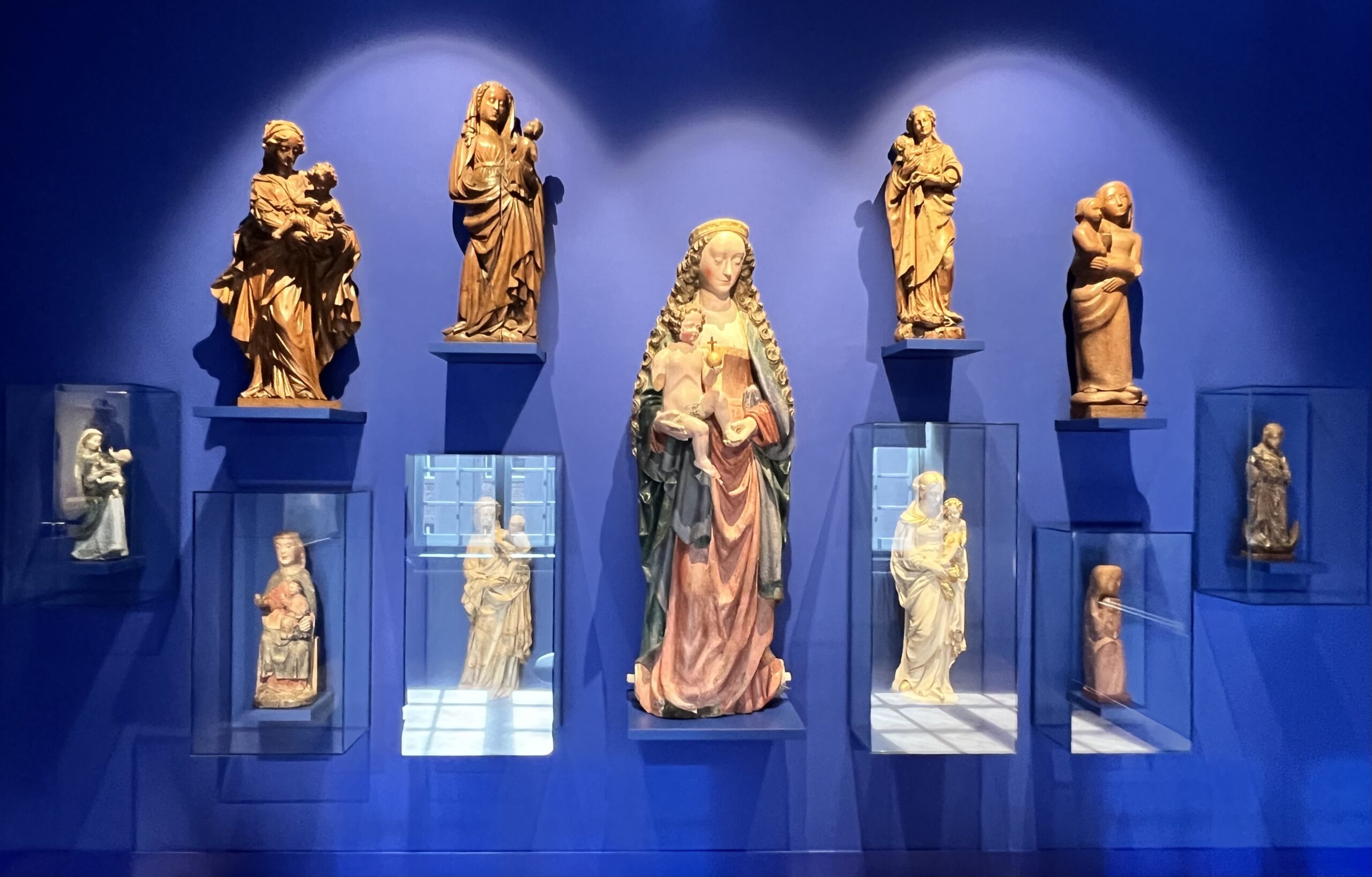
The museum also features a 'Mary Wall' displaying 11 images of Mary. The largest statue is centrally placed in the arrangement and depicts Mary holding the Child on a crescent moon. Mary is shown as the Immaculate Queen of Heaven, standing on a crescent moon. Her Child was originally depicted completely naked, but in the 19th century, the genitals were removed and replaced with a wooden loincloth. In the early 20th century, the Child was still considered too exposed, and a cloth was modelled from putty. The original ends of the crescent moon have been sawn off. The statue dates from around 1520 and is made of oak, later painted. The artist is unknown.
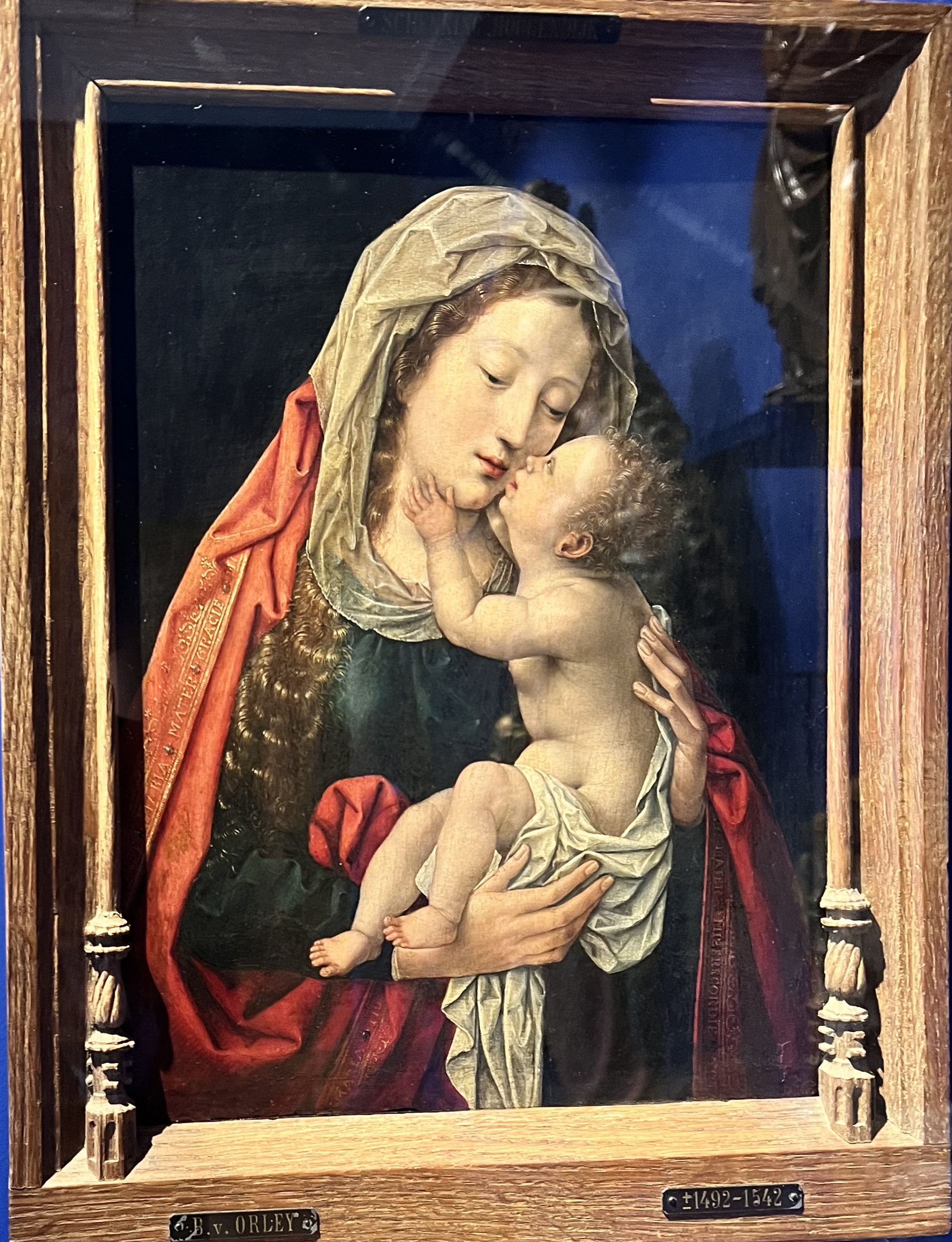
The depiction of Mary and Child can be seen several times in the museum. The subject is a very popular theme in visual art. From the 14th century onwards, Mary is often depicted standing in a loving pose with her Son. According to the inscription at the bottom of the list, the creator is Bernard van Orley (c. 1487-1541), a painter and designer of tapestries and stained-glass windows, from Brussels.
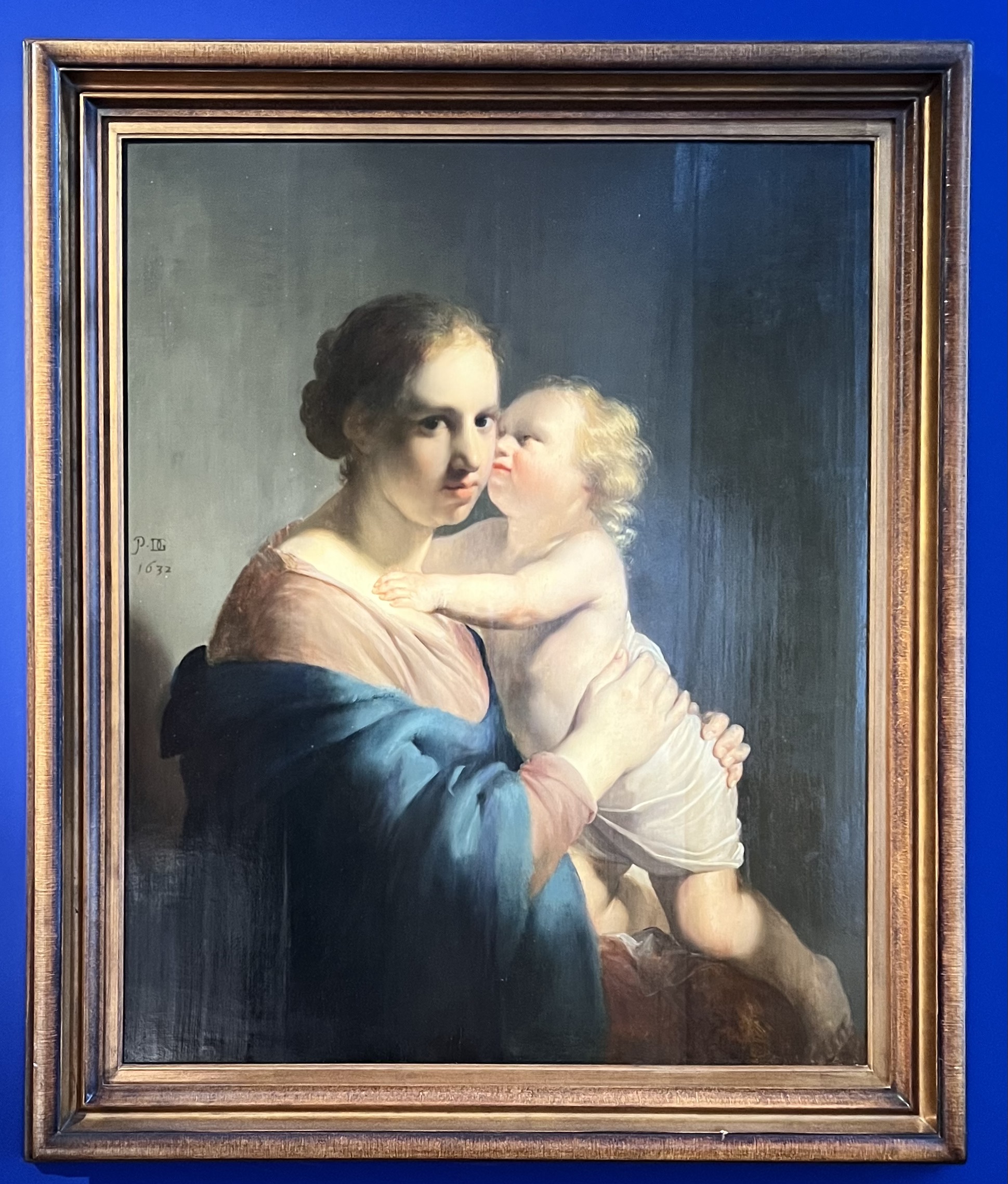
A painting by Pieter de Grebber (c. 1600-c. 1652), a Dutch painter, once again depicts the Virgin and Child. It is a work from 1632. Pieter de Grebber specialised in religious scenes, and influences from Caravaggio, Rembrandt and Rubens are noticeable in his use of light and dark contrasts. The painting emphatically shows that the viewer is being looked at by Mary with her brown eyes. These eyes follow the visitor, regardless of where they stand.
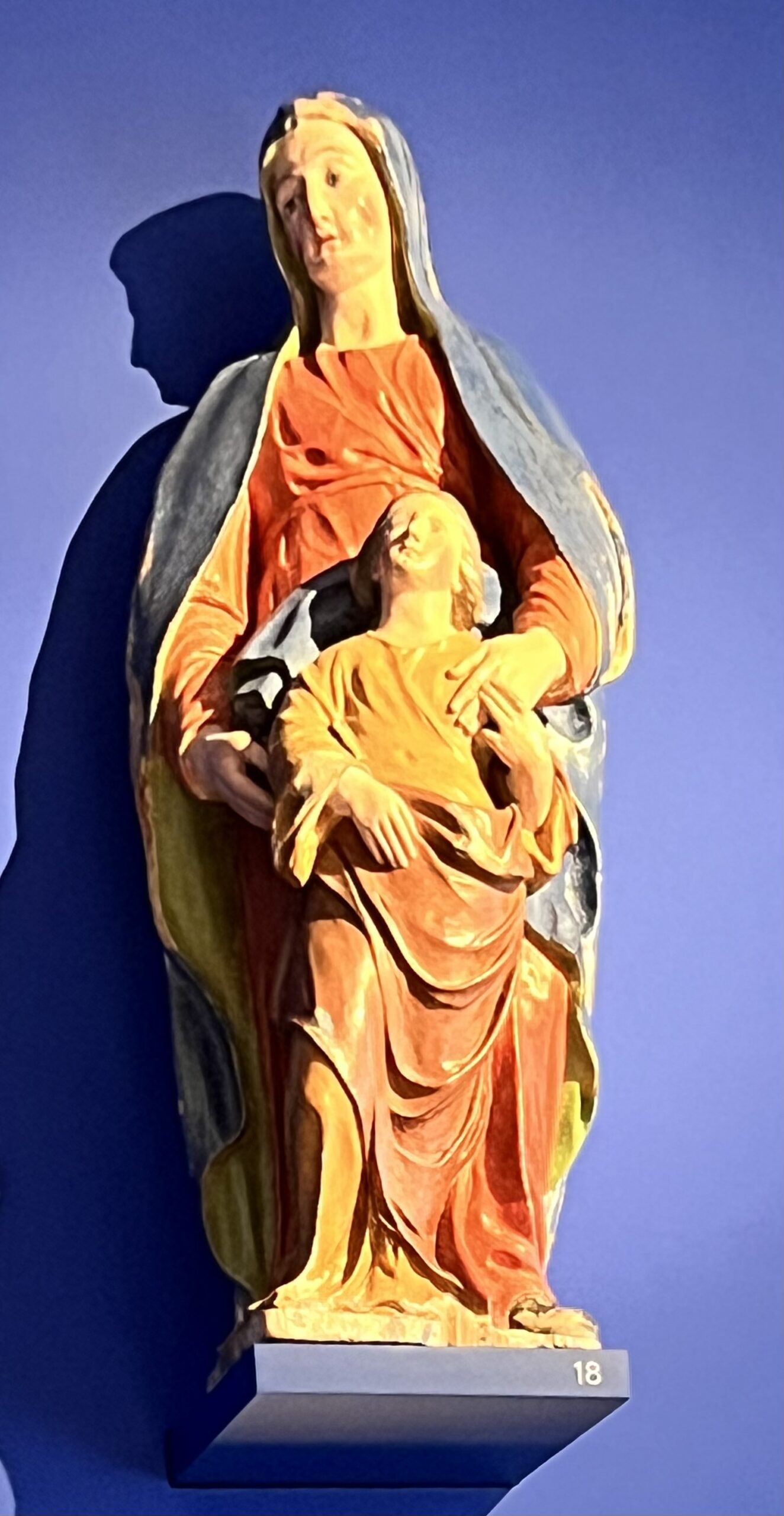
The lime wood statue of Anne teaching Mary is painted. The mother is depicted as the patron saint of the family. The effigy was made between 1675 and 1700. The sculptor is unknown. The effigy is placed about three metres high, so that Anne looks at the visitor. Her daughter Mary is looking upwards, but not at her mother.
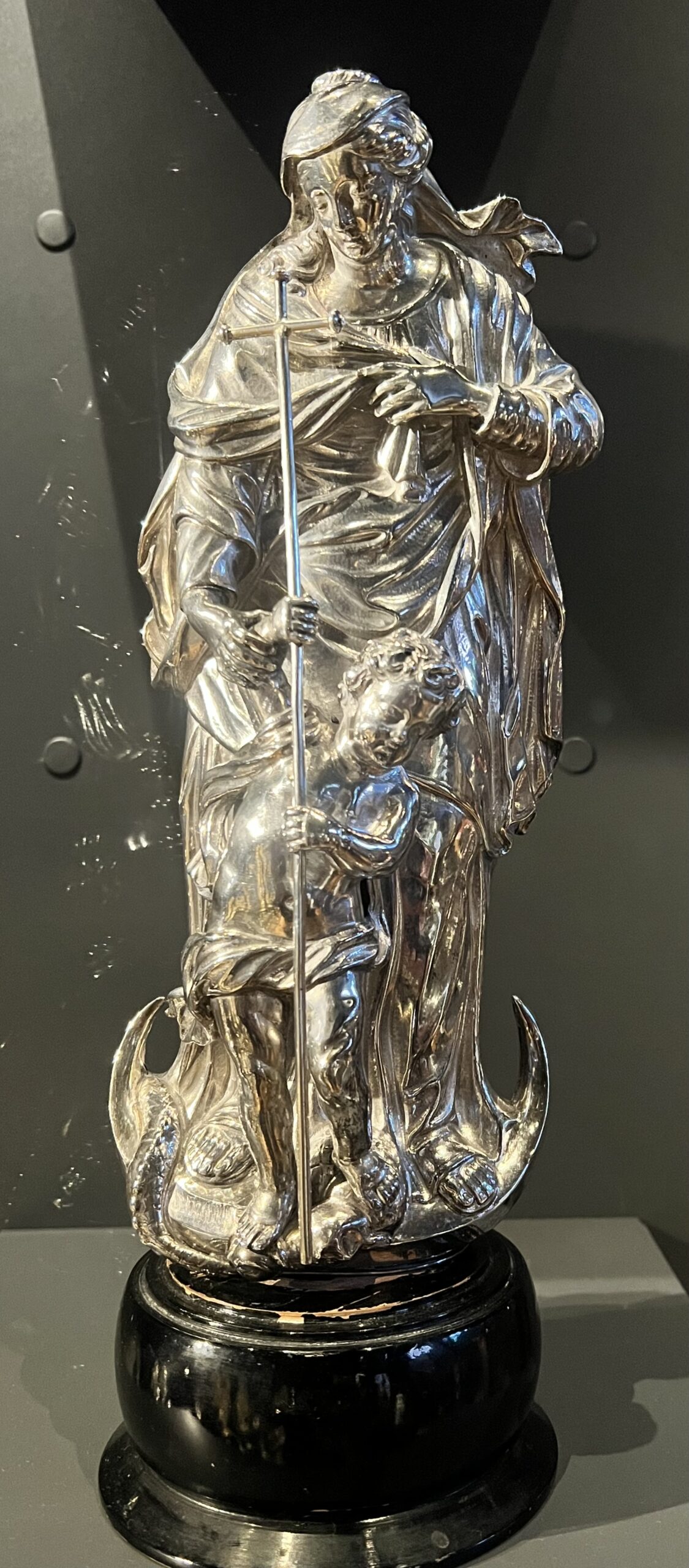
In a large display case, standing on the far left, is a silver image of Mary and Child. It is presumed to be from the late 18th or early 19th century. The silversmith is unknown.
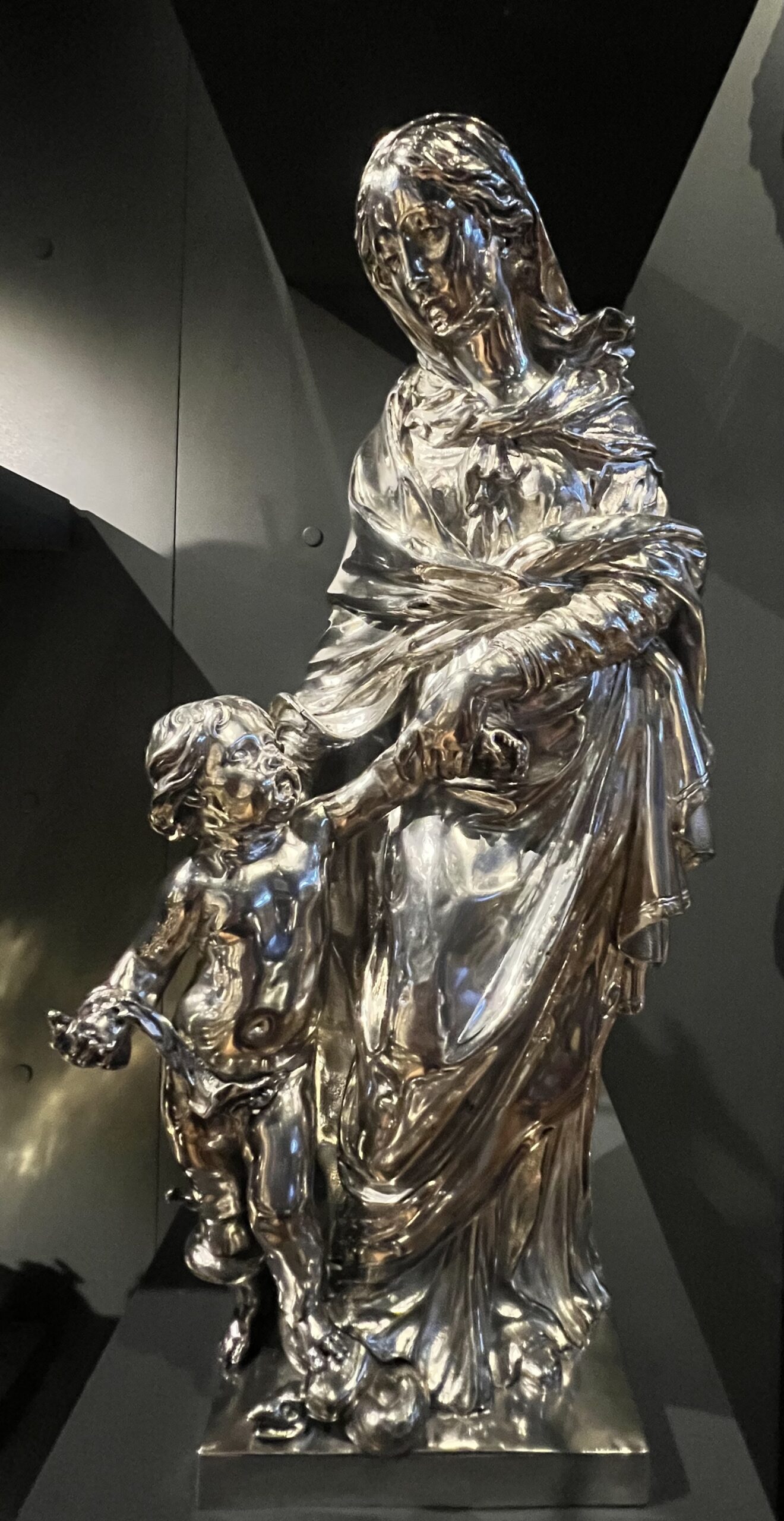
In the same display case, to the left of the centre, is a silver effigy of Mary and Child from 1804. The silversmith is Jan Baptist I Verbeckt (1735-1819) from Antwerp.
A large glass display case shows many images of Mary, and Mary with Child is depicted multiple times.
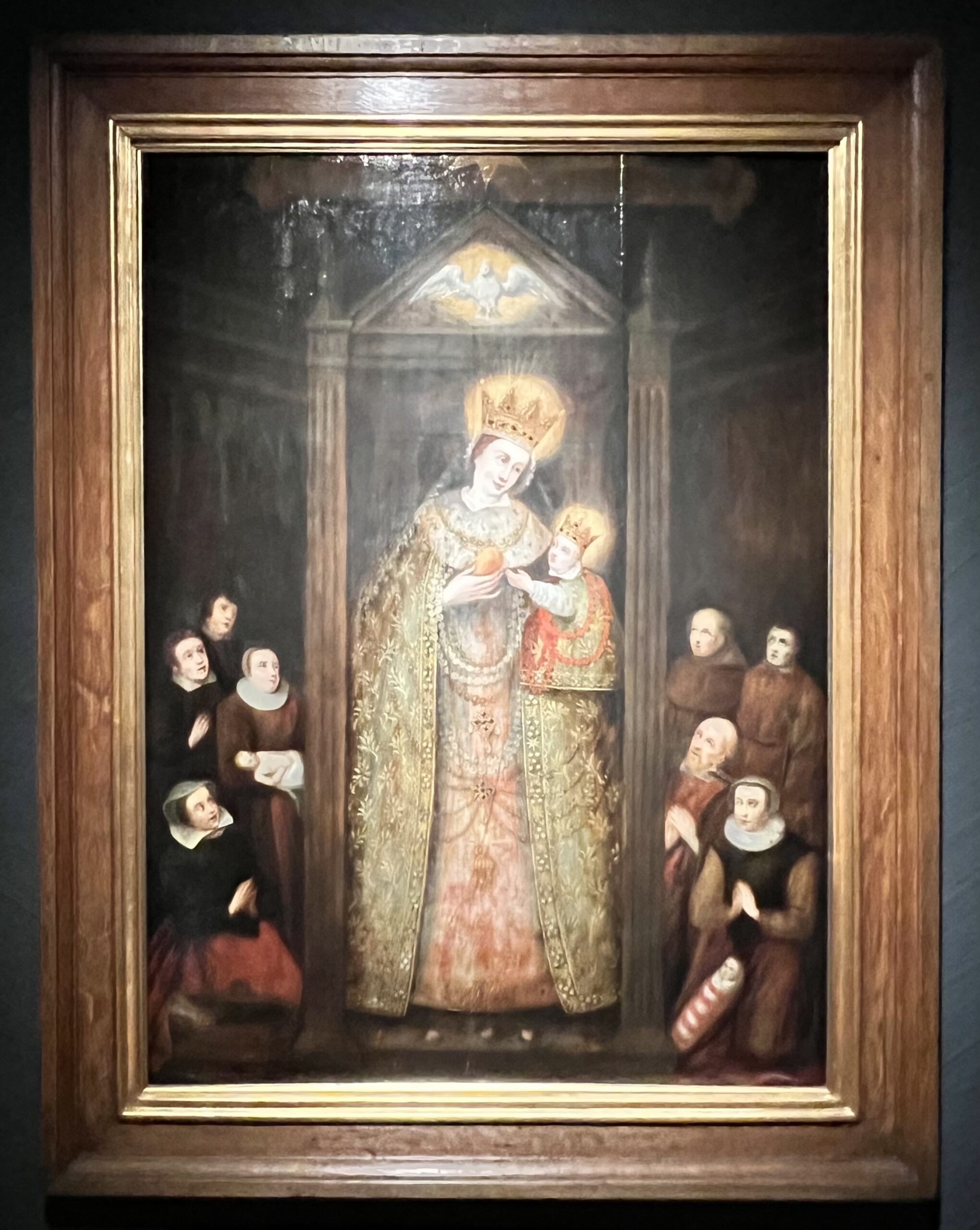
Mary, Star of the Sea, is depicted in oil paint on a panel. It was created by an unknown artist. The work is presumed to be from the 17th century and originates from a monastery in Maastricht.
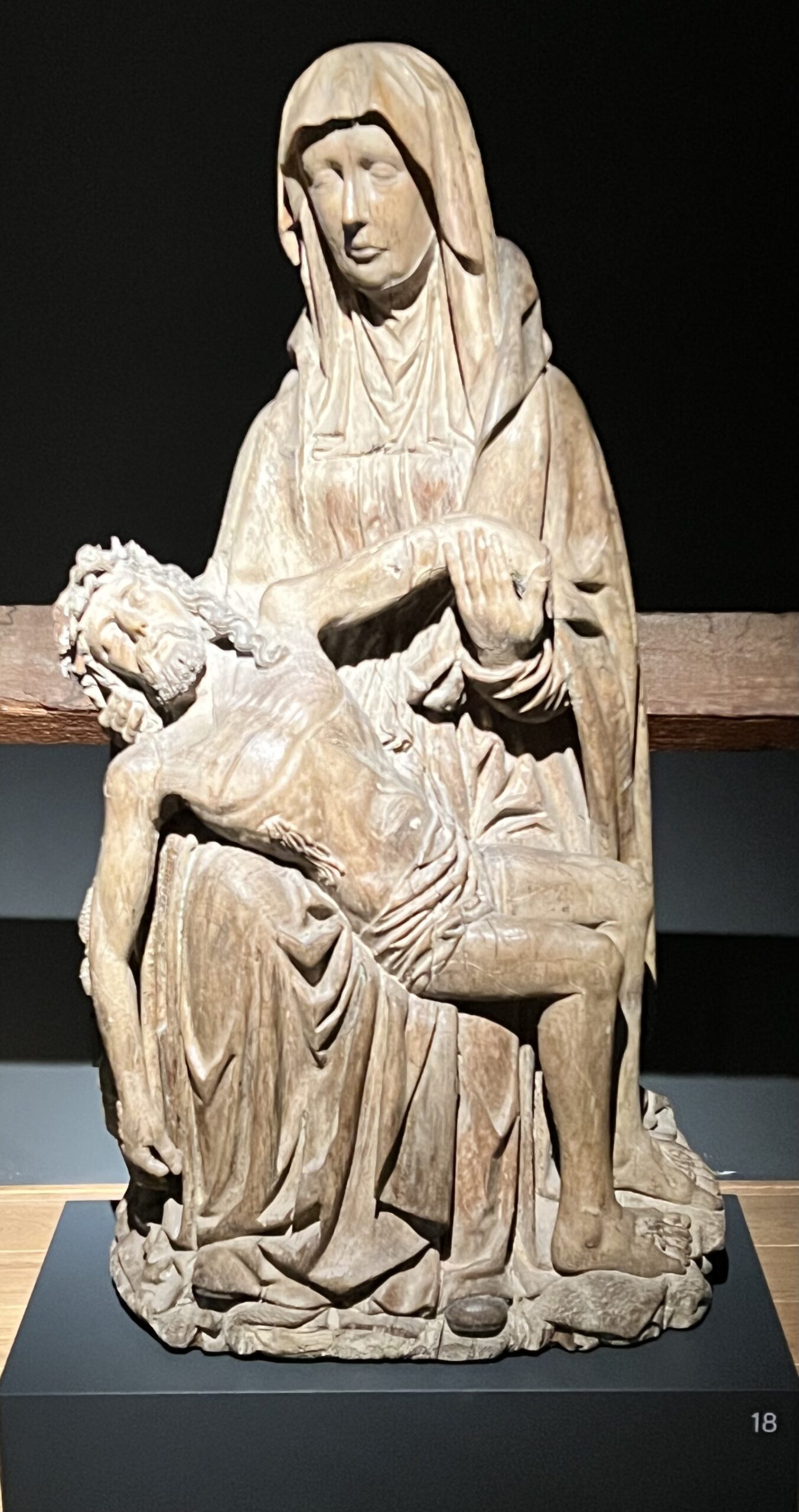
A large, oak Pietà dates from the early 16th century. It depicts the grieving Virgin Mary and her dead Son. Visible are the blood drops carved into the wood at Jesus' wounds. It is a donation from the Franciscan sisters of Heythuysen.
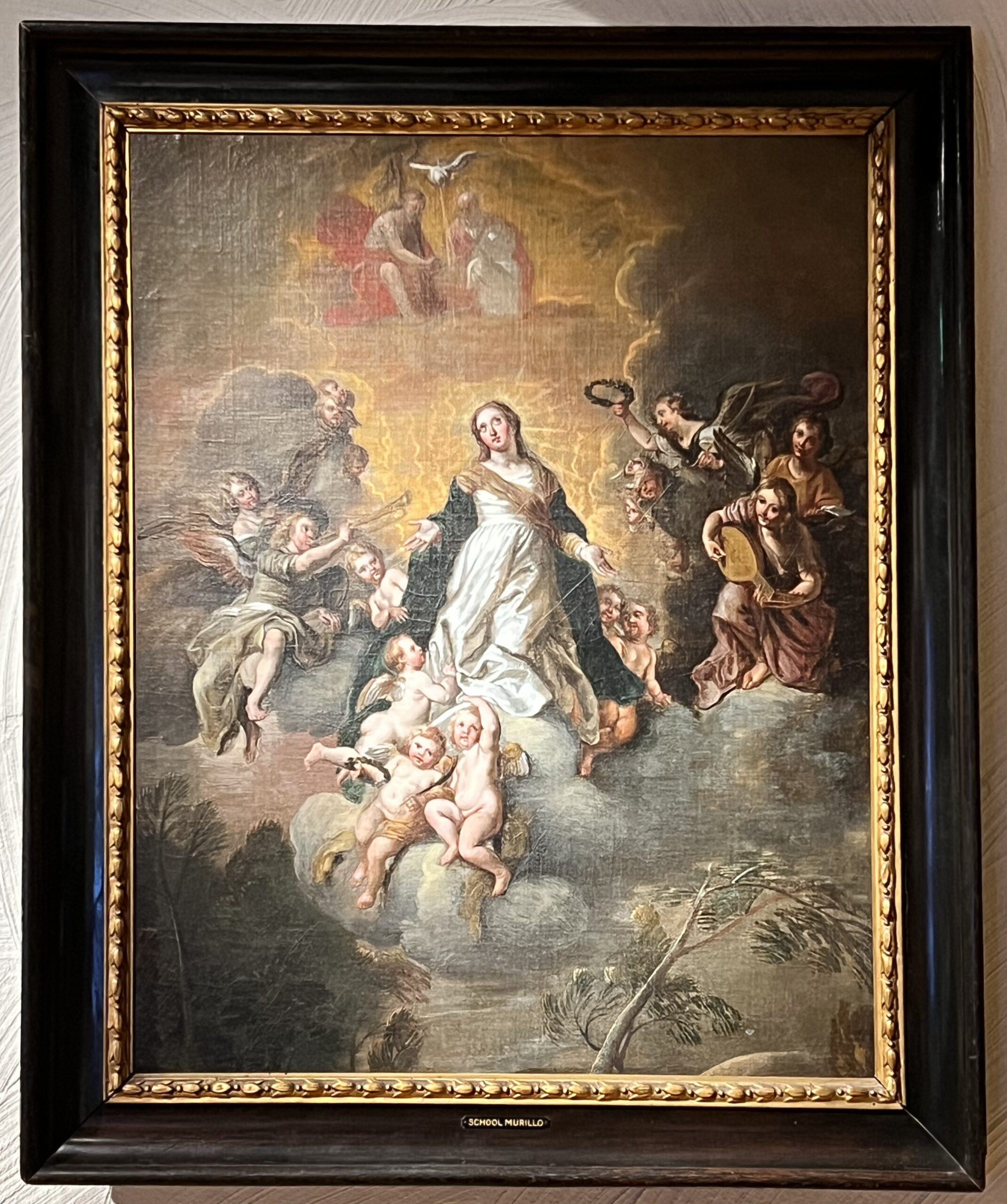
The painting of the Assumption of Mary is an oil on linen by Claes Corneliszoon Moeyaert/Nicolaes Moyaert/Mooyaert (1592-1655), who comes from the school of Murillo. This religious painter presumably created the work around 1625.
Address: Meikoel 2, 6001 EE Weert.
Current information can be found at www.museumw.nl.
Museum W is open Tuesday to Sunday inclusive.

 Nederlands
  English (UK)
  Deutsch
  Français